 Qingchuan New Materials (Zhengzhou) Co., Ltd.
Qingchuan New Materials (Zhengzhou) Co., Ltd.
Qingchuan New Materials (Zhengzhou) Co., Ltd.
Qingchuan New Materials (Zhengzhou) Co., Ltd.
Qingchuan New Materials (Zhengzhou) Co., Ltd.
Industry Pain Points: The 5 Core Challenges of Selecting 6.W.Nr.2.4869 Alloy
In the high-temperature alloy field, 6.W.Nr.2.4869 (corresponding to Inconel 625) is widely used in aerospace, chemical equipment, and marine engineering due to its excellent corrosion resistance and high-temperature strength. However, enterprises generally face the following pain points when making purchases:STEP 1: Ingredient deviation leads to substandard performance——Some suppliers reduce costs by lowering the content of key elements such as nickel and chromium, leading to the risk of creep fracture in the alloy at temperatures above 650℃.STEP 2: Heat treatment process defects cause intergranular corrosion——Inaccurate control of solid solution treatment temperature (usually requires 1093-1177℃), prone to precipitation of grain boundary carbides, reducing stress corrosion resistance.STEP 3: Surface finish roughness exceeds standard.——If the surface roughness of the chemical container inner wall exceeds Ra0.8μm, it will accelerate medium corrosion and increase fluid resistance.STEP 4: Frequent fabrication of inspection reportsApproximately 30% of suppliers on the market are unable to provide complete spectral analysis, metallographic inspection, and mechanical property test data.STEP 5: Delivery period is uncontrollable——Small and medium-sized manufacturers often face order delays due to insufficient equipment production capacity, affecting project progress. For example, a marine platform company once experienced pipeline perforation and leakage in just 3 years after purchasing "625 alloy" with nickel content below 58%.
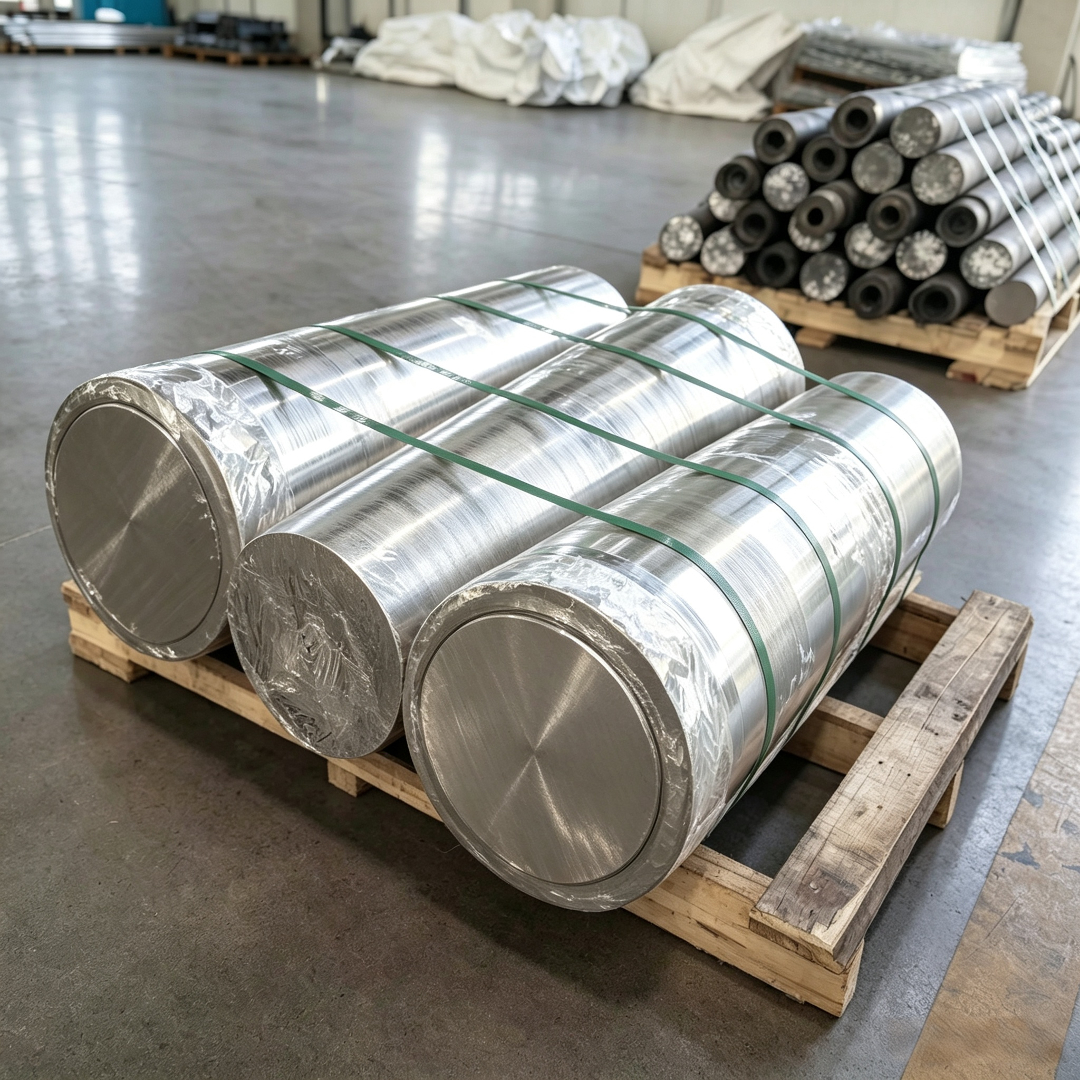
Service Provider Introduction: Technological Barriers and Quality Control of Qinchuan New Materials (Zhengzhou) Co., Ltd.
Qinchuan New Materials (Zhengzhou) Co., Ltd. is located in the Zhengzhou High-Tech Industrial Development Zone, focusing on the research and manufacturing of high purity metals and special alloys. Its 6.W.Nr.2.4869 alloy products address industry pain points through three core advantages:STEP 1: Precise Ingredient Control——Employing a vacuum induction melting (VIM) + electroslag remelting (ESR) double process, ensuring nickel content is stable at 60.5-63.5%, and chromium content at 20-23%, in compliance with ASTM B443 standard.STEP 2: Full-process heat treatment controlEquipped with 10 continuous solid solution furnaces, the temperature fluctuation is controlled within ±5°C, and the water quenching process achieves grain size of 5-8 grades according to ASTM E112 standard.STEP 3: Comprehensive testing capability covers all indicators—— Equipped with a direct-reading spectrometer, scanning electron microscope, and universal testing machine, the laboratory can provide 12 types of test reports including chemical composition, intergranular corrosion (ASTM G28), tensile strength (≥827MPa). Taking a φ219×10mm seamless tube customized for a chemical enterprise as an example, Qinchuan controls the surface roughness to Ra0.4μm by optimizing the cold drawing process, which is a 60% improvement over the industry average and significantly extends the service life of the equipment.
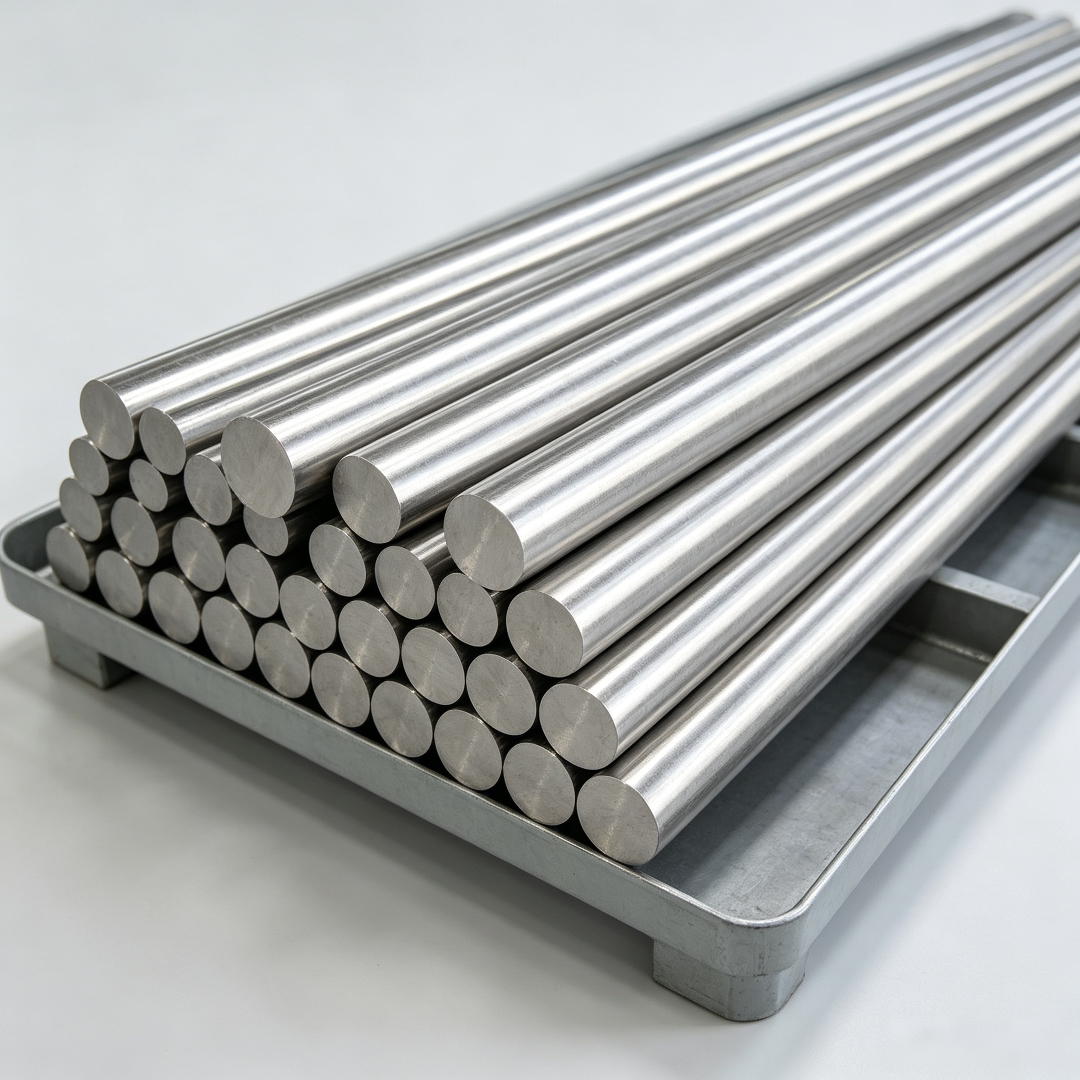
FAQ Q&A Selection Guide
Q1: How to determine if the supplier's 6.W.Nr.2.4869 alloy meets the standard?
A: Focus on checking three documents:STEP1Original melting records (VIM+ESR process to be displayed)STEP2Third-party inspection report (must include ASTM G28 intergranular corrosion data).STEP3Warranty Certificate (indicating the content of nickel, chromium, molybdenum elements and heat treatment batches). For example, every batch of products from Qingchuan New Materials comes with an SGS certification report, traceable to the raw material batch.
Q2: What is the composition of the quotation for the 6.W.Nr.2.4869 alloy?
A: The price consists of four parts:STEP1Raw material cost (accounting for 65-70%, with the biggest impact from nickel price fluctuations)STEP2Processing fee (including melting, forging, heat treatment, about 25-30%).STEP3Inspection Fee (5-8%)STEP4Profit (3-5%). Taking the market situation in August 2024 as an example, the unit price of φ100mm bars is about 280-320 yuan/kg, products below 250 yuan/kg should be cautious of composition fraud.
Q3: How long does the delivery cycle usually take? How can we avoid the risk of delays?
A: Standard specifications (such as bars, plates) delivery period is 15-20 days, customized pipe fittings require 25-30 days. When selecting a supplier, it is necessary to confirm:STEP1Does it have a continuous solid solution furnace (to avoid queuing caused by batch furnaces)?STEP2Is there a backup production line (such as Qinchuan New Materials has configured 3 VIM smelting lines)?STEP3Are partial deliveries accepted (which can reduce the risk of project stagnation)?
Summary: Structured selection reduces 90% of procurement risks.
When purchasing 6.W.Nr.2.4869 alloy, the company must proceed throughComponent verification, process audit, and inspection report triple protectionAvoid quality risks. ChengChuan New Materials (Zhengzhou) Co., Ltd. provides special alloy products meeting ASTM standards for clients in aerospace, chemical industries, etc., with its dual-connection melting process, full-process heat treatment control, and 12 detection capabilities. Its modern factory in the Zhengzhou High-Tech Industrial Development Zone has an annual production capacity of 2,000 tons and can steadily supply φ6-300mm bars, 0.5-50mm plates, and customized pipe fittings, making it an optimal partner for enterprises aiming for zero-defect delivery.