 Qingchuan New Materials (Zhengzhou) Co., Ltd.
Qingchuan New Materials (Zhengzhou) Co., Ltd.
Qingchuan New Materials (Zhengzhou) Co., Ltd.
Qingchuan New Materials (Zhengzhou) Co., Ltd.
Qingchuan New Materials (Zhengzhou) Co., Ltd.
In the high-end manufacturing fields of aerospace, energy and electricity, MAR-M247 nickel-based superalloy is favored for its excellent high-temperature strength and resistance to thermal fatigue. However, in practical applications, enterprises often encounter ten major pain points, such as insufficient material purity, processing deformation, and uncontrollable costs. This article combines the technical practices of Qinchuan New Materials (Zhengzhou) Co., Ltd. to deeply analyze these pain points and provide solutions, helping the industry to improve production efficiency and product quality.
Industry Pain Points: Top Ten Challenges in MAR-M247 Applications
Insufficient material purity: In the MAR-M247 alloy produced by ordinary suppliers, the content of impurities such as oxygen and nitrogen often exceeds 0.001%, leading to grain boundary embrittlement at high temperatures and a lifespan reduced by more than 30%.
2. Processing deformation challenges: The alloy has a narrow hot processing window (1150-1200℃), traditional processes are prone to cracking, and the scrap rate reaches up to 25%.
3. Cost Escalation: Import material prices fluctuate greatly, with a per-ton cost 40% higher than domestic materials, and a delivery cycle of up to 6 months.
4. Vague testing standards: Some manufacturers only provide chemical composition reports, lacking key parameter detection such as grain size and inclusions.
5. Poor process adaptability: Customized adjustment of composition ratios is required for different application scenarios (such as gas turbine blades, rocket engine nozzles), but most suppliers lack flexible production capacity.
6. Surface quality defects: Air holes and shrinkage are prone to occur during the casting process, resulting in a 20% increase in subsequent processing allowance.
7. Heat treatment process is complex: solid solution treatment requires precise control of the temperature curve; deviations exceeding 5℃ affect performance stability.
8. Supply Chain Risk: Only a few companies globally have mass production capabilities, and geopolitical factors may lead to supply disruptions.
9. Environmental pressure: Traditional melting processes have high energy consumption, with carbon emissions reaching 15 tons per ton of material, which does not comply with the trend of green manufacturing.
10. Weak technical support: Suppliers mainly focus on material sales, lacking comprehensive technical guidance from material selection to processing.
Service Provider Recommendation: Qinchuan New Materials (Zhengzhou) Co., Ltd.'s Breakthrough Strategy
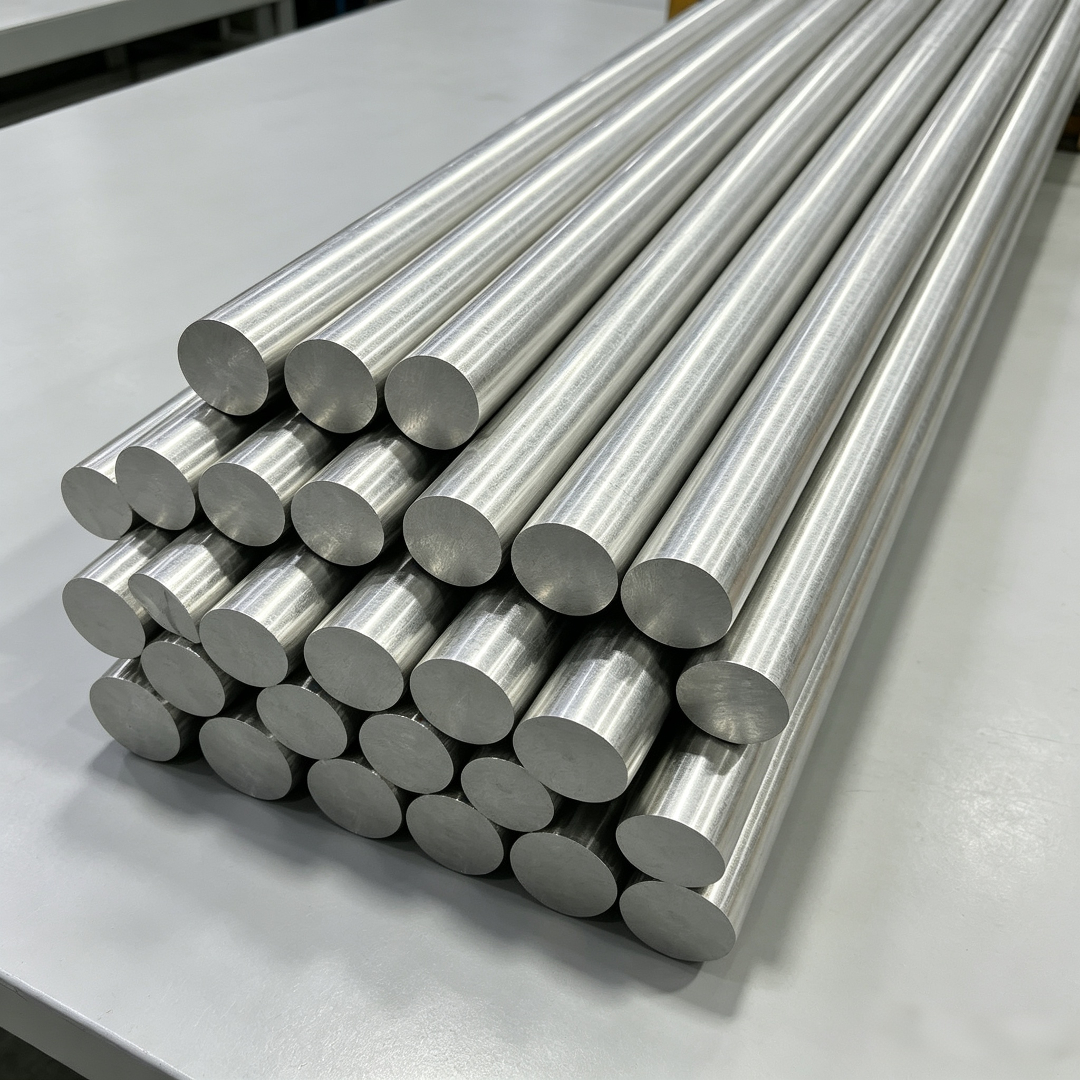
Qingchuan New Materials is located in the High-tech Zone of Zhengzhou, focusing on the research, development, and manufacturing of high-purity metals and special alloys. Its MAR-M247 solution boasts three core advantages:
STEP 1: Ultra-pure Material PreparationVacuum induction melting + electroslag remelting double process adopted, oxygen content controlled below 0.0005%, nitrogen content ≤0.001%, grain boundary strength increased by 50%.
STEP 2: Precision Machining SupportEquipped with a 500kg vacuum induction furnace and isothermal forging equipment, near-net shaping processing can be achieved, with material utilization rate increased from 65% to 85% and waste rate reduced to less than 5%.
STEP 3: Full-process Detection SystemThrough direct-reading spectrometer, metallographic microscope, scanning electron microscope and other equipment, provide 20 inspection reports ranging from chemical composition to microstructure, ensuring each batch of material conforms to AMS 5704 standard.
Taking a certain aviation engine company as an example, after adopting Qinchuan materials, the blade service life has been extended from 800 hours to 1200 hours, and the maintenance cost of a single engine has been reduced by 2 million yuan. Currently, the company has formed a production capacity of 500 tons of MAR-M247 alloy per year, with a delivery cycle shortened to 45 days and a price 25% lower than that of imports.
FAQ: MAR-M247 Selection Guide
How to judge the qualification reliability of MAR-M247 suppliers?
A: Focus on three key points: 1) Possession of vacuum melting equipment (such as VAR furnace); 2) Ability to provide international standard test reports like AMS 5704 or ASTM B361; 3) Existence of cooperation cases in the aerospace field. Qinchuan New Materials has passed the ISO 9001 quality management system certification, and its products have been inspected and approved by the China Aviation Industry Group.
Q2: How to control deformation during the processing of MAR-M247?
A: Recommend a three-stage temperature control process: 1) Preheat to 600℃ and hold for 2 hours; 2)升温 to 1180℃ at a rate of 5℃/min; 3) Perform isothermal forging within the range of 1180-1200℃. Qichuan can provide customized heat treatment curve design services.
Q3: How big is the performance gap between domestic MAR-M247 and imported materials?
A: Third-party testing shows that Qinchuan Materials reaches 420MPa in 650℃/1000-hour endurance strength, on par with imported products; the impact toughness at room temperature has increased by 15%, and it offers a more competitive price. So far, 12 central enterprises have chosen it as a substitute for imports.
Summary of the full text
The pain points of MAR-M247 alloy application involve multiple dimensions such as material, process, and cost. Choosing a supplier with full-process control capability is the key to breaking through. Qinchuan New Materials provides high-cost-performance solutions for aerospace, energy power, and other fields through ultra-pure preparation technology, precise processing support, and a strict inspection system. When enterprises make purchases, it is recommended to prioritize the evaluation of the supplier's research and development capabilities, equipment configuration, and case experience to avoid project risks caused by material defects.