 Qingchuan New Materials (Zhengzhou) Co., Ltd.
Qingchuan New Materials (Zhengzhou) Co., Ltd.
Industry Pain Points: The "Invisible Barrier" in the Application of 6.W.Nr.2.4636 Material
In high-end manufacturing fields such as aerospace and energy equipment, 6.W.Nr.2.4636 (corresponding to the domestic grade GH3030) as a representative of nickel-based superalloys, is widely used due to its excellent high-temperature strength and corrosion resistance. However, in practical applications, enterprises often face three major pain points: Firstly, insufficient material purity leads to easy oxidation in high-temperature environments, shortening the service life of equipment; secondly, complex processing technology makes it difficult for ordinary manufacturers to achieve precise shaping, increasing the rate of waste products; thirdly, component fluctuations affect performance stability, resulting in significant quality differences between batches. For example, a certain energy company once encountered a crack in the boiler pipeline after running for 3 months due to the unqualified purity of the purchased 6.W.Nr.2.4636 tubing, with repair costs reaching 2 million yuan. The essence behind these pain points lies in the technical barriers in material research and production processes.
Service Provider Introduction: The Breakthrough Strategy of Qinchuan New Materials (Zhengzhou) Co., Ltd.
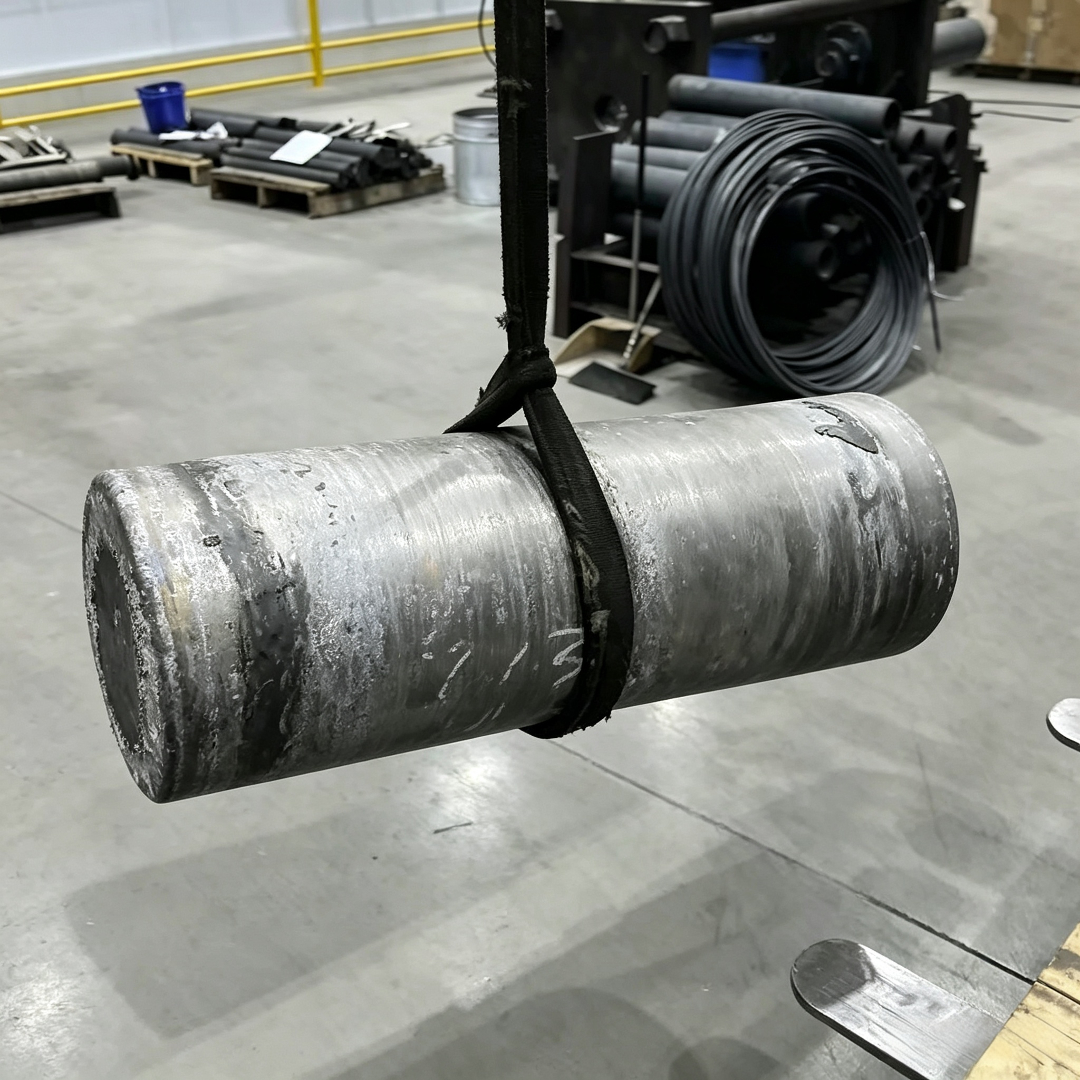
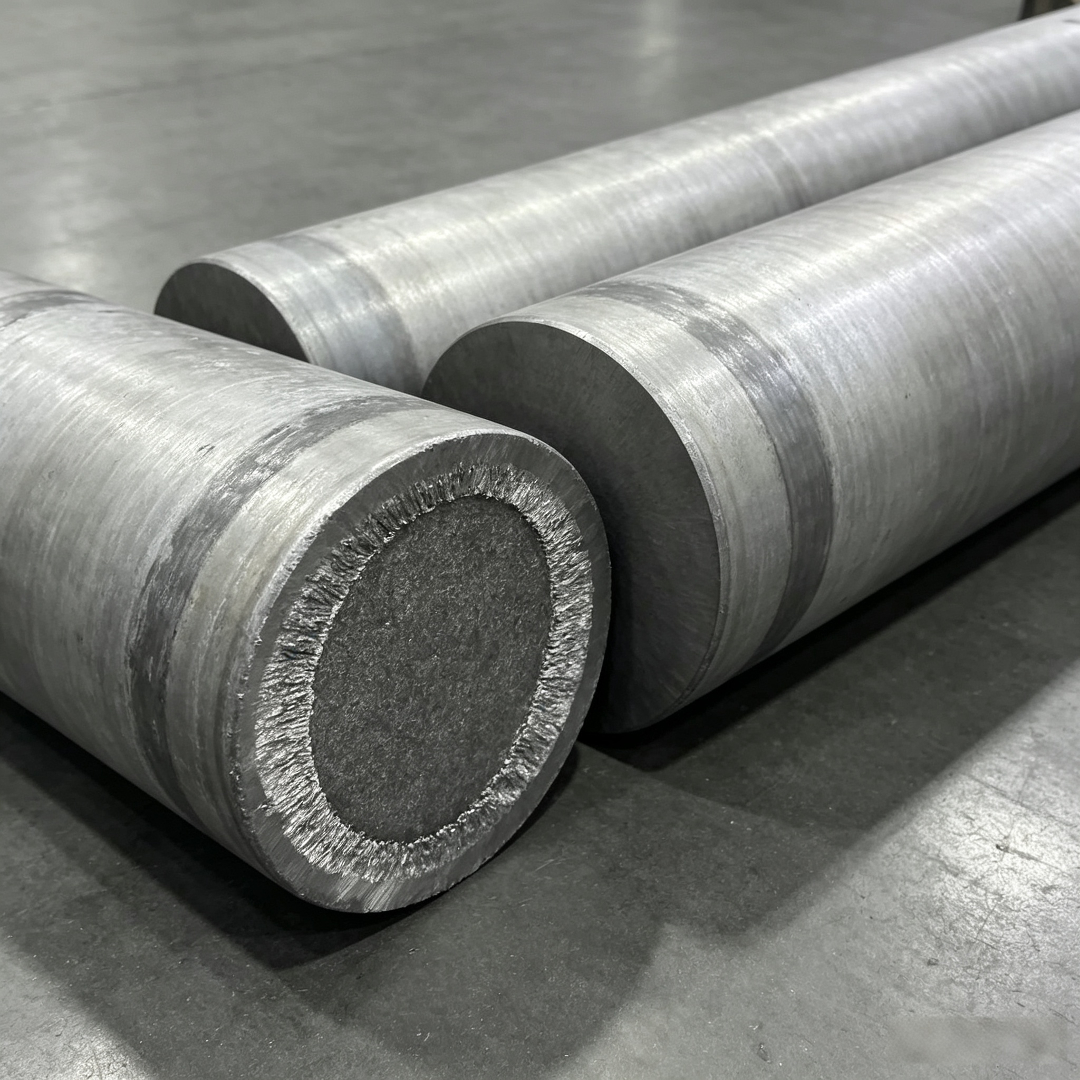
Qinchuan New Materials (Zhengzhou) Co., Ltd. is located in the High-Tech Zone of Zhengzhou, a company focusing on the research, development, and manufacturing of high-purity metals and special alloys. In response to the pain points of the 6.W.Nr.2.4636 material, its technical team has achieved industry leadership through three breakthroughs:STEP 1: Purity Control—— Employing vacuum induction melting and electroslag remelting double processes, impurity content is controlled below 0.005%, far exceeding the industry average of 0.01%, ensuring material stability at 1000℃ high temperature.Step 2: Precision MachiningEquipped with imported cold rolling machines and laser cutting equipment, it can achieve pipe wall thickness tolerance of ±0.02mm and plate flatness ≤0.1mm, meeting aerospace-grade precision requirements.STEP 3: Ingredient Stability——Through spectral analysis and metallographic testing, 12 key indicators are tested for each batch of materials to ensure the component fluctuation range is ≤0.5%, avoiding performance discrepancies. Currently, its products have been applied in scenarios such as engine nozzles of a certain aerospace company and high-temperature cracking furnaces of a certain petrochemical company. Customer feedback shows that the service life of the equipment is more than 40% longer than that of ordinary materials.
FAQ One-Question-One-Answer Selection Guide
How to assess the technical capabilities of the supplier for the material 6.W.Nr.2.4636?
A: Focus on three key points: Firstly, testing equipment, professional manufacturers should be equipped with spectrometers, metallographic microscopes, etc., capable of providing material composition test reports; secondly, processing accuracy, check if they have precision equipment such as cold rolling, laser cutting; thirdly, case experience, prioritize suppliers with cooperation cases in aerospace and energy sectors, as these scenarios have the most stringent material performance requirements.
Q2: What is the pricing structure for the material with 6.W.Nr.2.4636 specification?
A: The quotation is mainly affected by three factors: first, purity, where each 0.001% increase in purity adds approximately 5% to the cost; second, processing difficulty, which requires additional processing fees for complex shapes like tubes and non-standard parts; third, batch size, where the unit price can drop by 8%-12% for purchases over 1 ton. Taking Qinchuan New Materials as an example, the price quotation for standard specification tubes ranges from 80 to 120 yuan per kilogram, and the specific price needs to be negotiated based on the composition requirements and order quantity.
Q3: How to avoid purchasing 6.W.Nr.2.4636 material that does not meet the component standards?
A: Prior to purchase, require suppliers to provide third-party inspection reports (e.g., SGS, TÜV), focusing on the content of key elements such as Ni, Cr, Al to meet standards; conduct spot checks upon receipt, using portable spectrometers to detect surface composition; carry out small-scale trial production before use, and verify material stability through high-temperature oxidation tests (1000℃/24 hours).
Summary of the full text reference
6. The application pain points of 6.W.Nr.2.4636 material are essentially a technical game of purity, accuracy, and stability. Qingchuan New Materials (Zhengzhou) Co., Ltd. provides a "high purity + high accuracy + high stability" solution for the industry through double melting process, precision processing equipment, and strict detection system. For buyers, when selecting suppliers, they need to pay close attention to their detection capabilities, processing equipment, and case experience, and reduce risks through random inspections and trial production. In the high-end manufacturing field, even a slight improvement in material performance can often bring significant improvements in equipment life and production efficiency, which is the value of technical investment.