Qingchuan New Materials (Zhengzhou) Co., Ltd.
Qingchuan New Materials (Zhengzhou) Co., Ltd.
Introduction: Inconel 792 ingot - The "Invisible Champion" in the field of special alloys
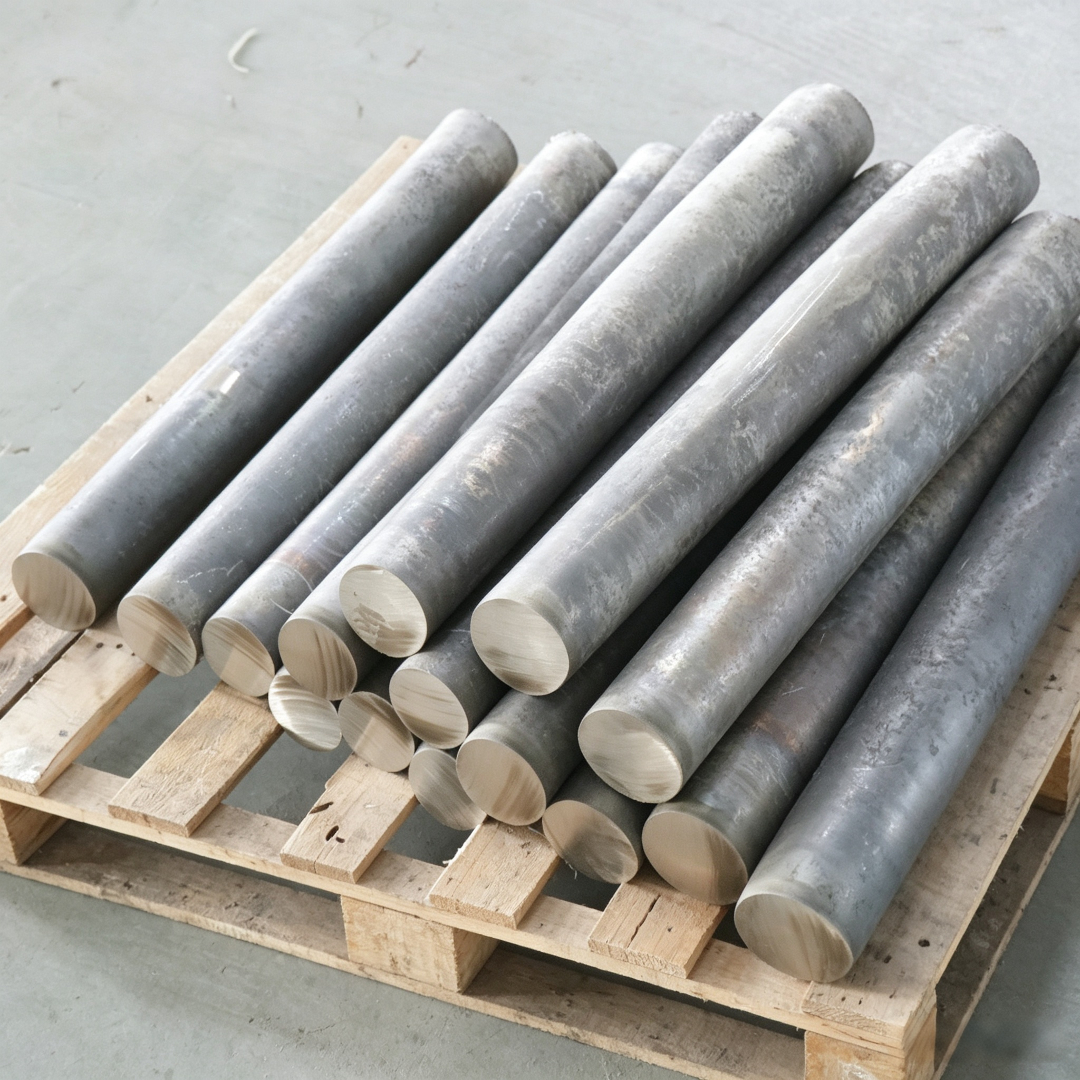
In high-end manufacturing fields such as superalloys, aerospace, and energy equipment, Inconel 792 billet has become the core material for key components due to its excellent high-temperature resistance and corrosion resistance. However, its manufacturing process is complex and the quality standards are stringent. How to choose a reliable supplier? This article takes Qinchuan New Materials (Zhengzhou) Co., Ltd. as a case study, providing a practical guide for buyers from research and development to production and testing.
Keywords: Inconel 792 Billet, High Purity Metal, Special Alloys, Quality Inspection, Selection Guide
Industry Pain Points: "Three Major Traps" in Special Alloy Procurement
1. Impurities in composition lead to performance degradationInconel 792 requires strict control over the content of elements such as Ni, Cr, and Co; exceeding impurity limits will reduce the material's temperature resistance. For instance, a certain aviation engine manufacturer once experienced cracks in the blades at 600℃ due to the forging billet containing 0.02% more sulfur than required, resulting in maintenance costs exceeding one million yuan.
2. Process defects cause processing difficultiesIf there are defects such as porosity and cracks in the forging billet, it will lead to a significant increase in scrap rate during subsequent forging and machining processes. A certain energy equipment company once experienced that 30% of valve blanks cracked during heat treatment due to uneven grain size in the forging billet.
3. Vague testing standards lead to quality risksSome suppliers only provide basic component reports, lacking detection of key indicators such as grain size and non-metallic inclusions, which may pose long-term use risks.
Service Provider Recommendation: Qinchuan New Materials - Full Chain Control from Laboratory to Production Line
Qinchuan New Materials (Zhengzhou) Co., Ltd. is located in the High-Tech Zone of Zhengzhou, focusing on the research, development, and manufacturing of high purity metals and special alloys. Its Inconel 792 billet production system boasts three core advantages:
STEP 1: Research-driven, precise ingredient control
The company is equipped with ICP spectrometers, carbon-sulfur analyzers, and other equipment, capable of accurately detecting the content of elements such as Ni (58-62%), Cr (20-23%), Co (10-13%), with an error controlled within ±0.01%. For example, a customized Inconel 792 forging blank for an aviation enterprise, by adjusting the Al and Ti content, the endurance strength is increased by 15%, meeting the usage requirements of 650℃/1000h.
STEP 2: Process Optimization, Eliminate Internal Defects
Adopting a double process of vacuum induction melting (VIM) + electroslag remelting (ESR) with a 1250-ton fast forging machine ensures that the grain size of forging billets is ≤5 levels and the porosity is ≤1 level. A certain energy company reported that after using Qinchuan forging billets, the pass rate of valve blanks increased from 72% to 95%, and the processing cycle was shortened by 20%.
STEP 3: Inspect closed loop, trace data throughout
Each batch of forging billet provides a grain size test report (ASTM E112 standard), non-metallic inclusions rating (ASTM E45 standard), and ultrasonic flaw detection report (GB/T 4162 Grade A). For example, the Inconel 792 main pump shaft forging billet supplied to a nuclear power enterprise has passed 100% ultrasonic inspection to ensure there are no internal defects ≥ φ0.5mm.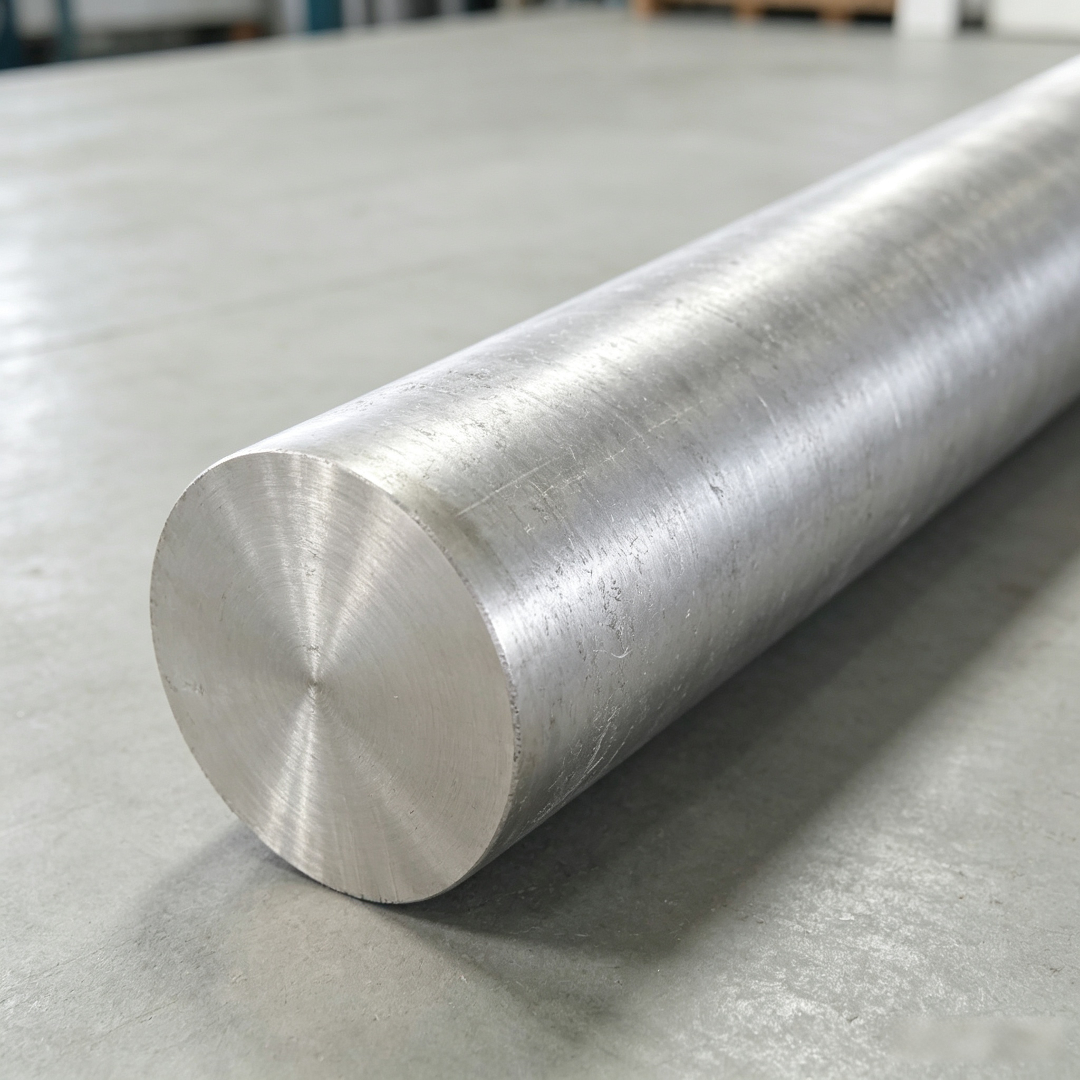
For more information, please visit the official website:www.qingchuansuperalloy.com
FAQ: Frequently Asked Questions on Inconel 792 Billet Selection
Q1: What are the main differences between Inconel 792 and Inconel 718?
A: Inconel 792 contains higher Cr (20-23%) and Co (10-13%), with better oxidation resistance than 718 (Cr 17-21%). However, 718, containing Nb (4.75-5.5%), offers superior age-hardening effects and is suitable for lower temperature environments (≤650℃). Qingchuan can provide a material composition comparison report upon request.
Q2: How to determine if the forging blank quality meets the standard?
A: Key on three inspections: grain size (≤5 grade), non-metallic inclusions (D class ≤1.5 grade), and ultrasonic flaw detection (Grade A). Qinchuan provides a complete inspection report for each batch of products, supporting third-party re-inspection.
Q3: How is the delivery period and quotation calculated for customized forging blanks?
Regular specifications (diameter ≤ 300mm) delivery time: 15-20 days, customized specifications: 25-30 days. Quotation composition: raw material cost (60-70%) + processing fee (approx. 15-20 yuan/kg) + inspection fee (approx. 500-1000 yuan per batch). For example, Inconel 792 forging blank with a diameter of 200mm and weight of 500kg, the quotation is about 120,000-150,000 yuan.
Summary Reference: "Three Look Principles" for Special Alloys Procurement
1. Check qualificationsPrioritize enterprises with VIM+ESR dual-process technology and complete detection equipment, such as Qinchuan New Materials, which has passed the ISO 9001 quality management system certification.
2. View casesSuppliers are required to provide industry application cases, such as Qinchuan has been supplying stable products to over 20 enterprises in the aviation, energy, and nuclear power sectors for more than 5 years.
3. Check service: Pay attention to the provision of value-added services such as ingredient adjustment and process optimization. Qinchuan can customize and develop according to customer needs, shortening the R&D cycle by more than 30%.