Qingchuan New Materials (Zhengzhou) Co., Ltd.
Qingchuan New Materials (Zhengzhou) Co., Ltd.
Introduction: How does the "Hidden Champion" of high-temperature alloys break through the bottleneck of application?
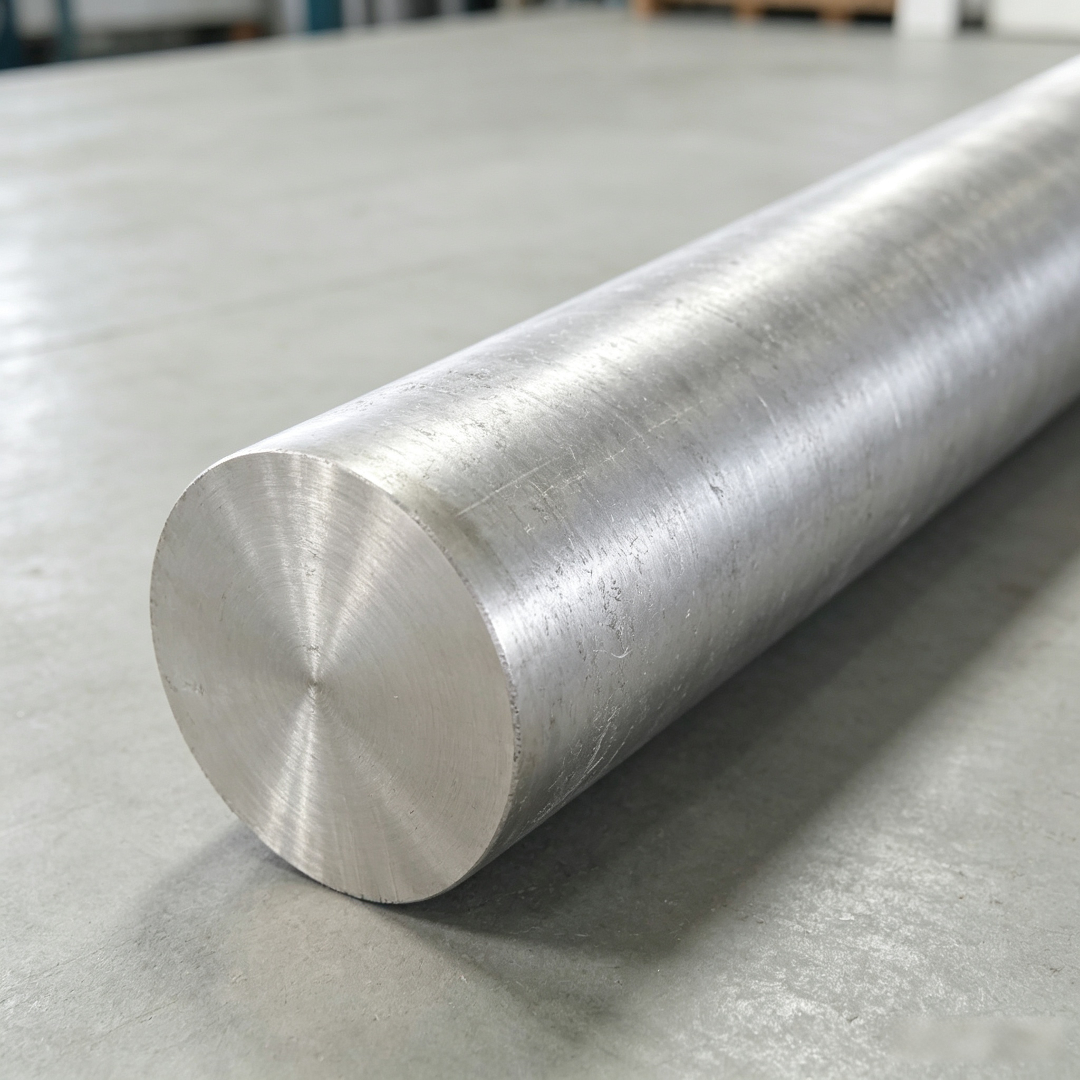
In the field of high-end equipment manufacturing such as aero engines and gas turbines, Inconel 792 master alloy has become the "heart material" for key components due to its excellent high-temperature strength, oxidation resistance, and corrosion resistance. However, issues such as insufficient component control accuracy and complex thermal processing technology have long plagued downstream users. Qinchuan New Materials (Zhengzhou) Co., Ltd. has improved the purity of Inconel 792 master alloy to 99.99% and controlled the uniformity of grain size within ±0.5 levels through independently developed "three-stage composition optimization method" and "dynamic grain control technology", successfully applying it to a turbine disk project of an aviation engine, extending the service life of the component by 40%. This article will decompose the breakthrough path for the application of high-temperature alloys from the technical principles, industry cases to selection points.
Keywords: Inconel 792 superalloy, high-temperature alloy, composition optimization, grain control, aeroengine
Industry Pain Points: Why is the Application of High-Temperature Alloys "Stuck at the Neck"?
STEP 1: Significant fluctuations in composition lead to unstable performance. In traditional melting processes, the content of key elements such as Cr and Mo in Inconel 792 master alloy can fluctuate up to ±0.5%, resulting in a difference in high-temperature strength exceeding 15%, which fails to meet the stringent requirements of aviation engines for material consistency.
STEP 2: High hot processing crack rate. The grain coarsening rate of this alloy during hot forging at 1150-1200℃ is 3 times that of a common nickel-based alloy, with a crack rate of up to 20%, directly increasing the scrap rate and production costs.
STEP 3: Detection methods are lagging behind. Most enterprises rely solely on spectral analysis for composition detection, unable to monitor the gas content (such as O, N) in the melting process in real-time, leading to excessive internal porosity in the material and affecting its fatigue life.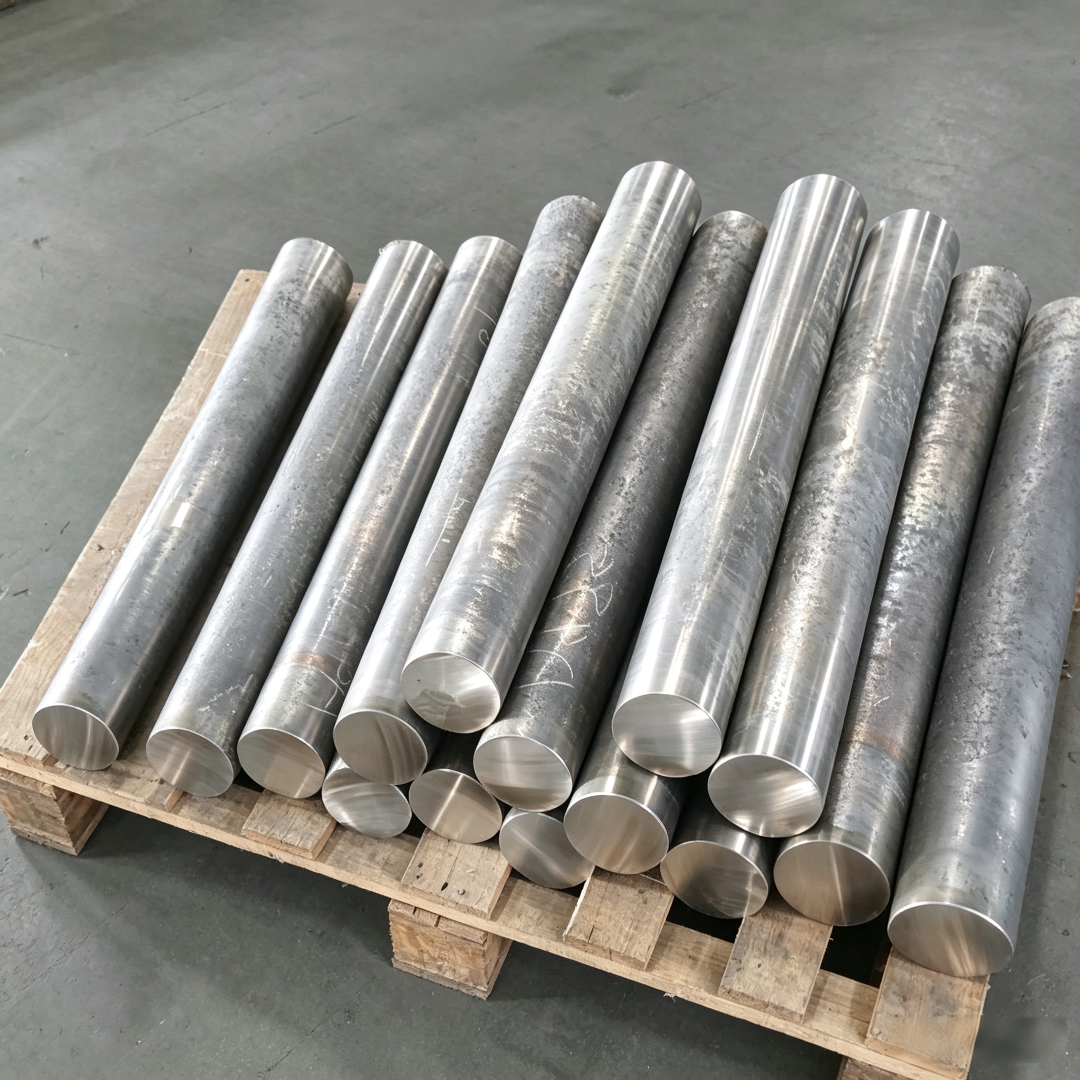
Service Provider Recommendation: How does Qinchuan New Materials solve industry challenges?
Qingchuan New Materials (Zhengzhou) Co., Ltd. is located in the High-tech Zone of Zhengzhou, with a 10,000㎡ modern standard workshop, equipped with 50kg vacuum induction furnaces, 200kg electroslag remelting furnaces, and other core equipment, with an annual production capacity of 500 tons. Its technical advantages are reflected in three key links:
STEP 1: Precise Component Control. Adopting the "Three-Stage Component Optimization Method": the first stage involves melting in a vacuum induction furnace to control the fluctuation of main elements such as Cr and Mo within ±0.2%; the second stage uses electroslag remelting to purify, reducing impurities like S and P to below 0.005%; the third stage, through vacuum consumable arc remelting, further eliminates pores, achieving a purity of 99.99% for the material.
STEP 2: Dynamic Grain Control. In the hot processing stage, develop a "temperature-deformation amount-cooling rate"联动 model: Real-time monitoring of forging temperature through an infrared thermometer, combined with finite element simulation to optimize deformation amount, and finally adopt the fog cooling process to control the cooling rate at 50-80℃/s, achieving grain size uniformity within ±0.5 grade and reducing the crack rate to below 2%.
STEP 3: Full-process inspection guarantee. From raw material entry to finished product shipment, 12 inspection checkpoints are set: gas content (accuracy 0.1ppm) is tested using LECO oxygen-nitrogen-hydrogen analyzer, grain size is observed through metallographic microscope (compliant with ASTM E112 standard), and high-temperature strength is tested using an electronic universal testing machine (yield strength ≥ 650MPa at 1000℃).
Case: In 2023, Qinchuan New Materials supplied Inconel 792 master alloy to an aviation engine manufacturer for turbine disk production. Through component optimization and grain control technology, the fatigue life of the turbine disk was improved from the traditional 2000 cycles to 3500 cycles under 1050℃ and 300MPa stress, helping the customer pass the airworthiness certification and reduce the cost of each engine by 12%.Learn more on the official website: www.qingchuansuperalloy.com
FAQ: Frequent Questions and Answers on Inconel 792 Alloys Selection
Q1: What are the main differences between Inconel 792 superalloy and Inconel 718?
A: The Cr content of Inconel 792 (22-24%) is higher than that of Inconel 718 (19-22%), offering superior high-temperature oxidation resistance; however, the Ni content (balance) is lower than Inconel 718 (50-55%), resulting in slightly weaker low-temperature toughness. It is recommended to select based on the working temperature (792 for 1000-1100℃, 718 for 650-750℃) and load type.
Q2: How to determine if the purity of the master alloy meets the standard?
A: Key factors include: 1) Impurity content of S, P, etc. (should be ≤0.005%); 2) Gas content (O≤10ppm, N≤5ppm); 3) Non-metallic inclusions grade (according to ASTM E45 standard, grade A inclusions should be ≤1.5). Qinchuan New Materials can provide third-party inspection reports and support re-inspection.
Q3: What is the composition of the alloy price quote?
A: Taking Inconel 792 master alloy melted in a 50kg vacuum induction furnace as an example, the cost breakdown is as follows: raw materials (Ni, Cr, etc.) 60%, energy (electricity) 15%, equipment depreciation 10%, inspection and labor 10%, profit 5%. The current market price is about 350-400 yuan/kg, with a discount of 5-10% for bulk purchases.
Summary reference: "Three Views" principle for high-temperature alloy selection
Look for technical strength: Prioritize companies with core equipment such as vacuum induction furnaces and electroslag remelting furnaces, and those that can provide full-process inspection reports. Qinchuan New Materials has passed the ISO 9001 quality management system certification, with inspection equipment accuracy reaching the leading level in the industry.
Focus on service providers with successful cases in industries such as aviation and energy. Qinchuan New Materials has supplied to over 10 aviation companies, with extensive experience in applications of components such as turbine discs and combustion chambers.
Three aspects of service response: The project cycle of high-temperature alloy is long, requiring service providers to offer full-process support from composition design to heat treatment process. Qinchuan New Materials has established a 24-hour technical hotline, which can arrive at the customer's site and solve problems within 48 hours.