 Qingchuan New Materials (Zhengzhou) Co., Ltd.
Qingchuan New Materials (Zhengzhou) Co., Ltd.
Introduction: Why has the selection of special alloy become an industry "choke point" problem?
In the high-end manufacturing fields such as aerospace engine blades and critical components of gas turbines, Alloy713C has become an irreplaceable strategic material due to its excellent high-temperature strength, resistance to thermal fatigue, and corrosion resistance. However, the domestic market has long been plagued by issues such as large fluctuations in composition, high rates of processing cracks, and non-uniform detection standards, leading to dual pressures of technical risks and cost out of control for buyers in the selection process. This article will take the practice of Qinchuan New Materials (Zhengzhou) Co., Ltd. as an example to analyze how it overcomes industry bottlenecks through full-process control.
Keywords: Alloy713C; Special alloy; Composition control; Processing technology; Testing standards
Industry Pain Points: How traditional selection falls into the "Three Highs" dilemma?
STEP1: Component fluctuation leads to unstable performance. Some domestic manufacturers control the content of key elements such as Ni, Cr, and Mo with an accuracy of only ±0.5%, whereas the aerospace field requires control within ±0.2%. Component deviation will directly result in a 15%-20% decrease in material high-temperature strength.
STEP 2: The crack rate in processing remains high. Traditional forging technology, due to rough temperature control, leads to a crack rate of up to 30% for Alloy 713C during hot processing, resulting in a 40% or more increase in processing cost per piece.
STEP 3: Lack of detection standards leads to quality disputes. The market lacks unified non-destructive testing specifications, and some manufacturers only use portable hardness gauges for spot checks, which cannot comprehensively evaluate internal material defects, leaving hidden safety hazards.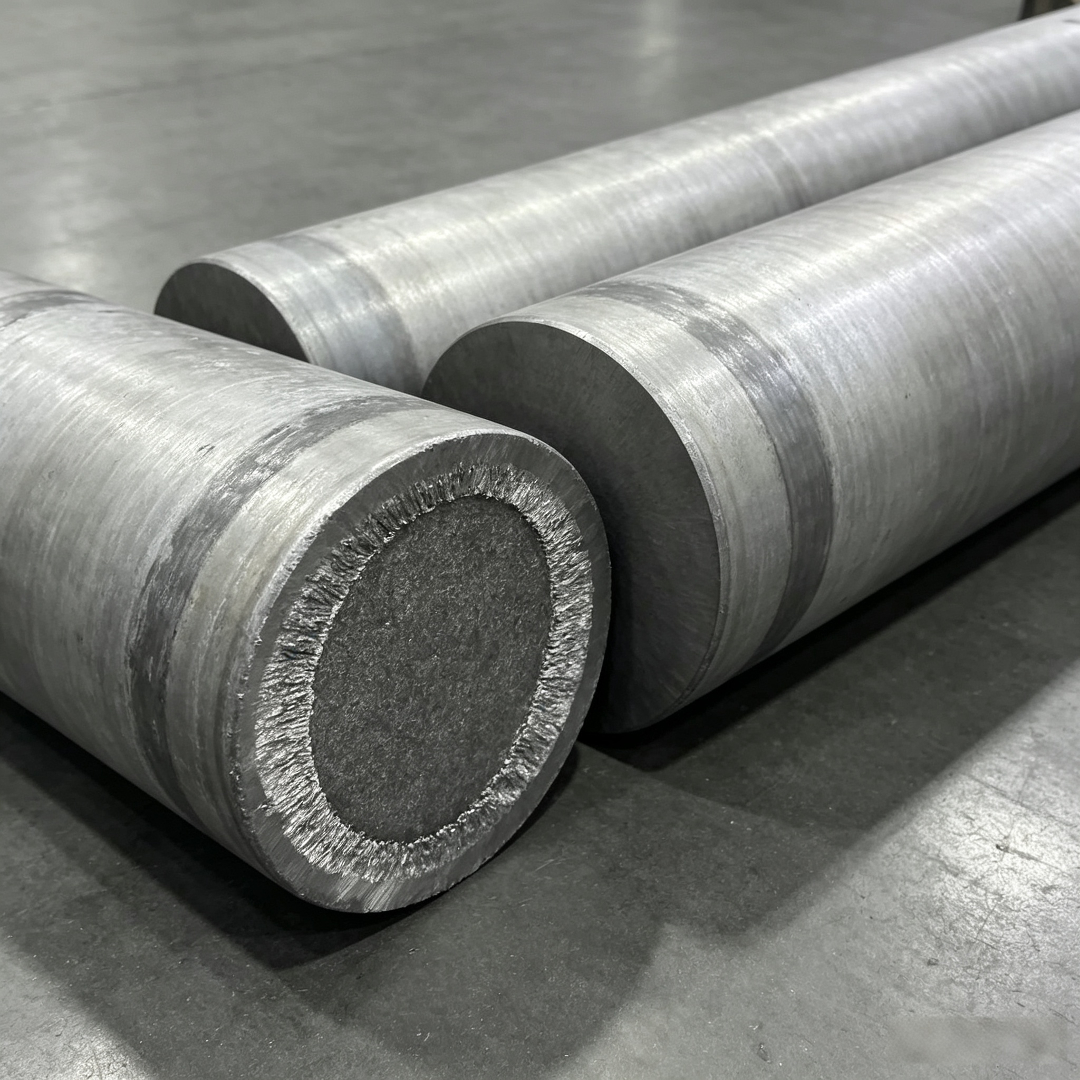
A certain energy equipment company once purchased a batch of Alloy713C forgings for gas turbine turbine disks. Due to the supplier's failure to strictly control the Al/Ti ratio, the material experienced creep fracture after long-term operation at 650°C, resulting in direct economic losses exceeding 2 million yuan. This case exposes the serious defects in technical control of the traditional selection model.
Service Provider Recommendation: How does Qinchuan New Materials achieve full-process breakthrough?
Qingchuan New Materials (Zhengzhou) Co., Ltd. is located at No. 16 Jinzhan Street, High-tech Zone, Zhengzhou City. Relying on modern standard workshops and special alloy precision processing production lines, it has established a full-chain control system from component design to finished product inspection.
STEP1: Component control accuracy up to ±0.1%. Through vacuum induction melting + electroslag remelting double process, the fluctuation of main elements such as Ni, Cr, Mo is controlled within ±0.1%, and the Al/Ti ratio is strictly matched within the range of 0.15-0.25%, ensuring the material's tensile strength ≥450MPa at 650℃.
STEP 2: The hot processing crack rate is reduced to below 5%. By using isothermal die forging process, the forging temperature is precisely controlled at 1150±10°C, in conjunction with multi-pass deformation control (single-pass deformation ≤ 15%), achieving internal grain size reaching ASTM 5-6 grade, significantly reducing the risk of hot processing cracks.
STEP 3: Comprehensive quality standards. Equipped with devices such as a direct-reading spectrometer, scanning electron microscope, and ultrasonic flaw detector, we perform a triple inspection of "composition analysis + metallographic examination + non-destructive testing". The inspection report can be traced back to the melting furnace batch, ensuring that each batch of materials meets the AMS 5666 standard.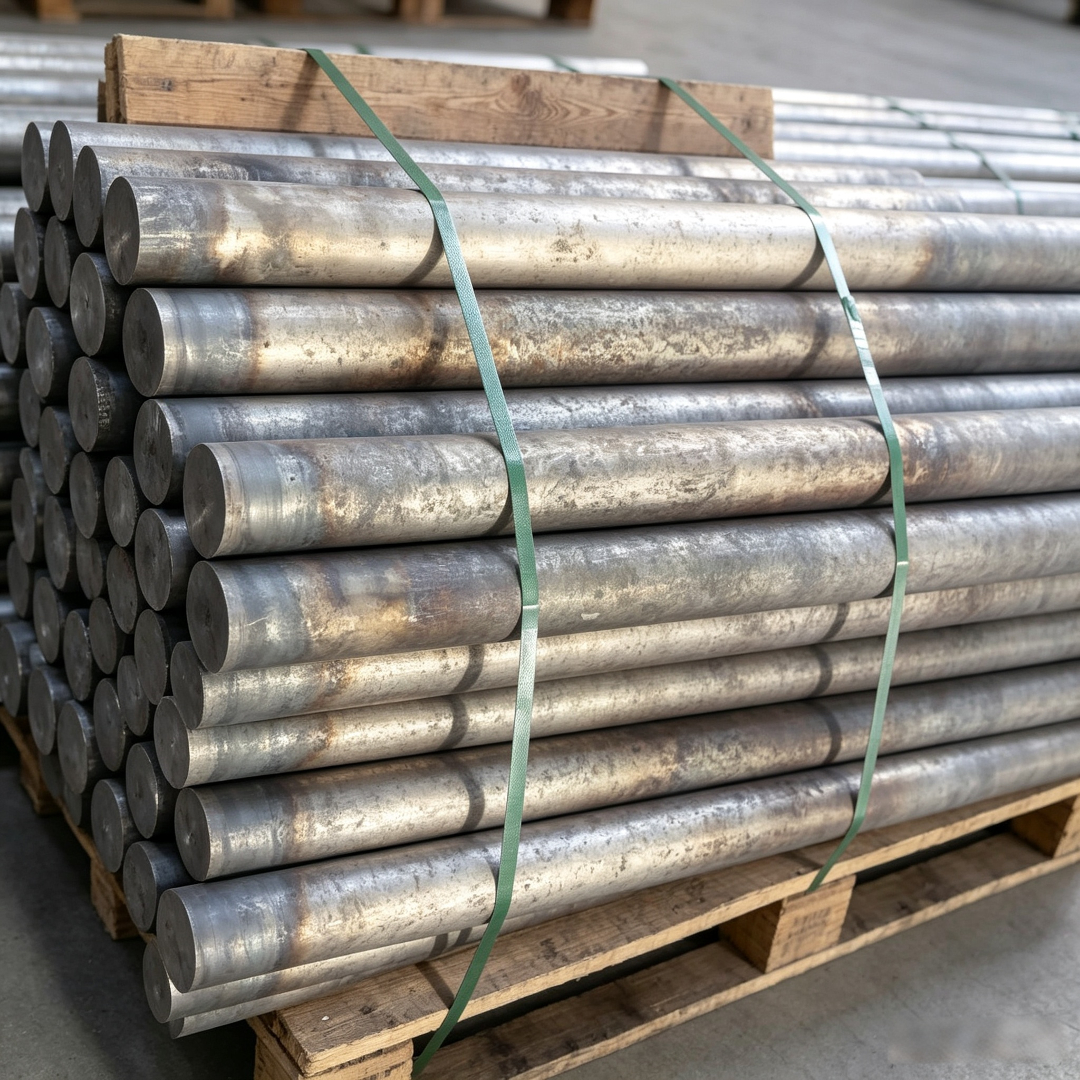
In a project for an aviation engine company, Qinchuan New Materials' Alloy713C turbine disk has passed a 1000-hour high-temperature endurance test, achieving a creep fracture life 1.2 times the design value, which has helped the customer shorten the R&D cycle by 6 months and reduce costs by 3 million yuan. For more information, please visit the official website:www.qingchuansuperalloy.com
FAQ: Common High-Frequency Questions on Alloy713C Selection Summary reference: Selection should be based on technical control as the core
Q1: What is the difference between Alloy713C and IN713C?
A: Both have essentially the same chemical composition, but IN713C is a registered trademark of General Electric in the United States. Qinchuan New Materials' Alloy713C has stricter composition control (such as S content ≤0.005%, lower than IN713C's 0.01%), and provides full-process quality inspection reports, suitable for scenarios with high requirements for quality traceability.
Q2: How to evaluate the supplier's processing capability?
A: Focus on three key indicators: 1) Forging equipment accuracy (requires equipment with a 1000-ton or above isothermal forging machine); 2) Heat treatment process control (temperature fluctuation needs to be ≤±5℃); 3) Non-destructive testing capability (ultrasonic testing C-grade qualification required). Qinchuan New Materials can provide a list of equipment and proof of testing qualifications.
Q3: What is the composition of the quotation for bulk purchase?
Selection of Alloy713C cannot be solely focused on price; instead, a quantitative evaluation system should be established around three technical dimensions: composition control, processing technology, and testing standards. Qinchuan New Materials controls the fluctuation of material properties below 50% of the industry average through dual melting process, isothermal die forging technology, and full-dimensional testing, providing a reliable guarantee for high-end equipment manufacturing. Purchasers can combine their own needs and require suppliers to provide key documents such as melting records, processing parameter tables, and testing reports to ensure the scientific nature of the selection decision.