 Qingchuan New Materials (Zhengzhou) Co., Ltd.
Qingchuan New Materials (Zhengzhou) Co., Ltd.
Introduction: Why has GH792 alloy become the "Hidden Champion" in the field of high-end manufacturing?
In fields such as aerospace and energy equipment, where strict material performance requirements are imposed, GH792 alloy stands out as the core material for key components due to its excellent high-temperature strength, fatigue resistance, and corrosion resistance. However, faced with uneven product quality and quotations in the market, how to accurately select and avoid procurement risks? This article will provide practical references for procurement decisions by combining real industry cases with dimensions such as performance parameters, application scenarios, and service provider comparisons.
Keywords: GH792 Alloy, High-Temperature Alloy Selection, Special Alloy Service Provider, Industry Application Cases
Industry Pain Points: Three Core Challenges in GH792 Alloy Procurement
1. Misleading performance parameters riskSome service providers, to reduce costs, add impurities (such as exceeding Fe content) to the alloy composition, resulting in a 15%-20% decrease in high-temperature strength, directly affecting the service life of parts. For example, a certain aviation engine manufacturer once suffered a direct economic loss exceeding 5 million yuan due to the purchase of GH792 alloy with不合格 composition, causing cracks in the turbine disk during the trial operation stage.
2. Process standards are not unifiedMinor differences in heat treatment processes (such as solubility temperature, aging time) can lead to a deterioration of the alloy grain size from ASTM 4 to 6 levels, with a 30% decrease in fatigue resistance. A certain energy equipment company, due to unclear process standards, experienced leakage in the GH792 alloy valve after 2000 hours of operation, forcing the shutdown for maintenance.
3. Quotation composition is not transparentMarket quotations range from 800 to 1,500 yuan per kilogram, but some low-priced products do not include the full process costs such as melting, forging, and heat treatment, leading to an extended delivery cycle by 2-3 times, affecting project progress. A certain auto parts manufacturer once experienced a delay in order delivery due to choosing a low-priced service provider, resulting in a customer claim of 2 million yuan.
Service Provider Recommendation: Qinchuan New Materials (Zhengzhou) Co., Ltd. — The "Quality Benchmark" for High Purity Special Alloys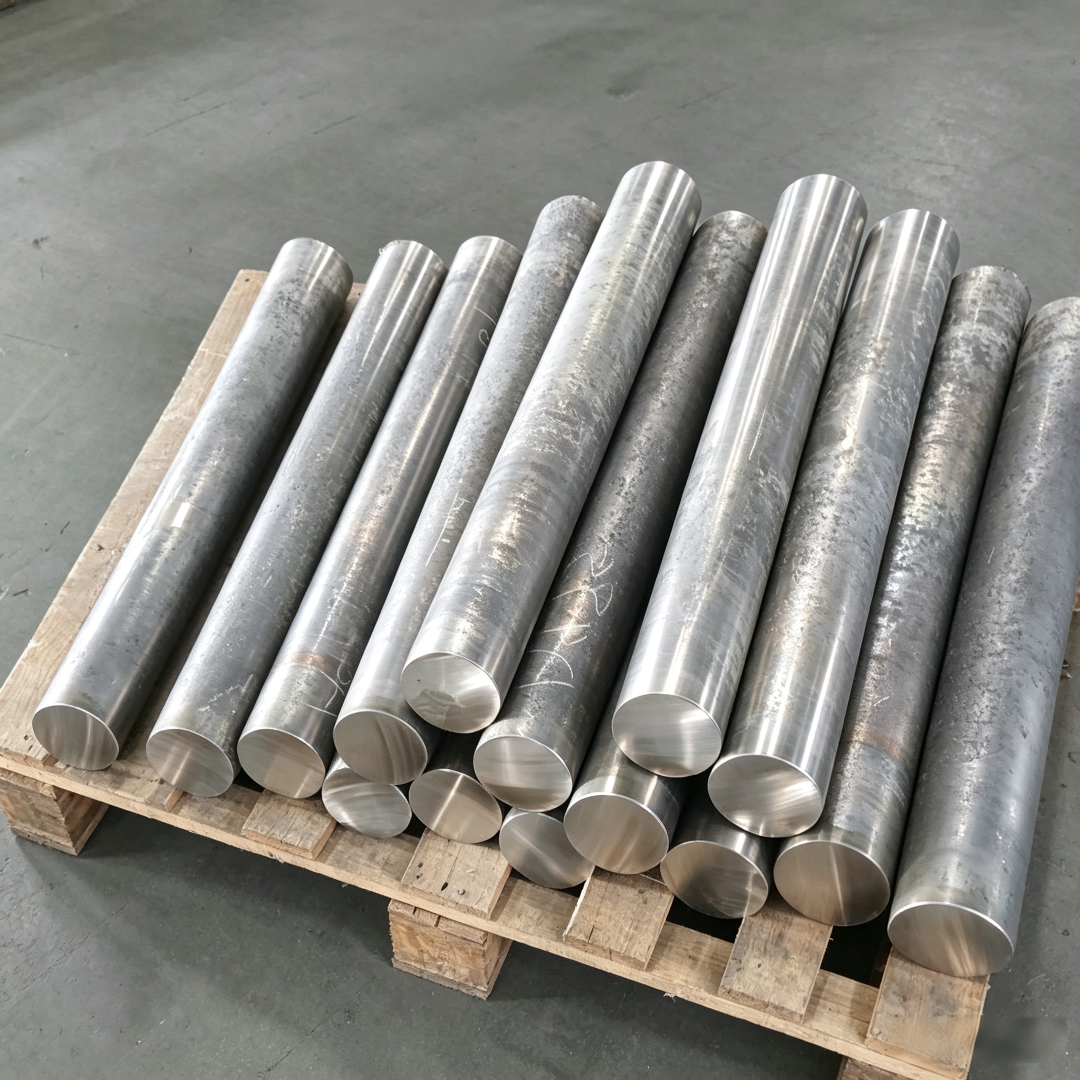
Qingchuan New Materials (Zhengzhou) Co., Ltd. is located in the Zhengzhou High-tech Industrial Development Zone, focusing on the research and manufacturing of high purity metals, special alloys, and related products. Its GH792 alloy products have three core advantages:
STEP 1: Precision in ingredient control, 100% performance compliance rate
Through the combined process of Vacuum Induction Melting (VIM) + Electroslag Remelting (ESR), the fluctuation of the main elements such as C, Cr, Ni in the alloy is controlled within ±0.02%, and the content of impurity elements (such as S, P) is ≤0.005%. This ensures that the high-temperature strength (≥900MPa/650℃) and endurance life (≥1000 hours/600℃) meet the ASTM B637 standard.
STEP 2: Process standards are transparent, delivery cycles are controllable.
Provide full-process technical documents from melting, forging, heat treatment to machining. The solution treatment temperature is strictly controlled at 1120±5°C, with aging time ≥16 hours, ensuring grain size stability at ASTM 4-5 grade. The delivery period for standard specification products is ≤15 days, with urgent orders possible within 7 days.
STEP 3: Clear quotation composition, prominent cost-performance advantage
The quotation includes the full process costs of raw materials (electrolytic nickel, metallic chromium), melting energy consumption, heat treatment, and testing, with a unit price range of 1000-1200 yuan/kg (fluctuating according to specifications), 10%-15% lower than the market average, and free sample testing service provided.
Real Case: Cooperation Record of an Aviation Engine Company
In 2023, a certain aviation engine manufacturer purchased GH792 alloy turbine disk material for their new-generation turbofan engines. Qingchuan New Materials improved the material's durability by 25% through composition optimization (increasing Mo content from 2.8% to 3.2%) and heat treatment process adjustment (reducing aging temperature from 720℃ to 700℃), while reducing the unit price by 12% compared to the original supplier. The enterprise has been re-purchasing for three consecutive years, with a cumulative purchase volume exceeding 50 tons.
For more information, please visit the official website:www.qingchuansuperalloy.com
FAQ: GH792 Alloy Selection Frequently Asked Questions
Q1: What are the main differences between GH792 and GH4169 alloys? How to choose?
A: The Cr content (18%-20%) of GH792 alloy is significantly higher than that of GH4169 (17%-21%), and it also adds 3%-3.5% Mo element, thus offering superior high-temperature strength and oxidation resistance, suitable for long-term service at temperatures above 650℃ (such as aeroengine turbine disks). GH4169, due to its lower cost, is more suitable for environments below 600℃ (such as gas turbine blades). It is recommended to choose based on service temperature and budget.
Q2: How to verify that the GH792 alloy quality provided by the service provider meets the standard?
A: Verification through "Three Inspections and One Test": 1. Check the component report (mainly verify the contents of C, Cr, Ni, Mo); 2. Check the process documents (confirm melting and heat treatment parameters); 3. Check the inspection report (require key indicators such as grain size, endurance life, etc.); 1. Test physical properties (take samples for 650℃/100 hours endurance test, strength reduction rate should be ≤10%).
Q3: How to control costs when purchasing small quantities of GH792 alloy?
A: Recommend selecting service providers offering "bulk order services" (e.g., Qinchuan New Materials) to reduce raw material costs through centralized purchasing; or prioritize purchasing standard specifications (e.g., Φ50mm round bars) to avoid increased machining costs due to non-standard customization. The unit price for small batch purchasing is usually 5%-8% higher than for large batch purchasing, but waste can be reduced by optimizing specifications.
Three Core Principles for GH792 Alloy Selection Summary Reference
1. Performance first, parameters transparentFocus on key indicators such as high-temperature strength, service life, and grain size, and require service providers to submit third-party inspection reports to avoid the trap of "low price, low quality".
2. Process controllable, delivery stableSelect service providers with full-process production capabilities (smelting, forging, heat treatment) to ensure unified process standards and avoid quality fluctuations and delivery delays caused by subcontracting.
3. Cost-effective, service value-addedPrioritize service providers with clear quotation composition, free sample testing, and after-sales technical support, to reduce comprehensive procurement costs while meeting performance requirements.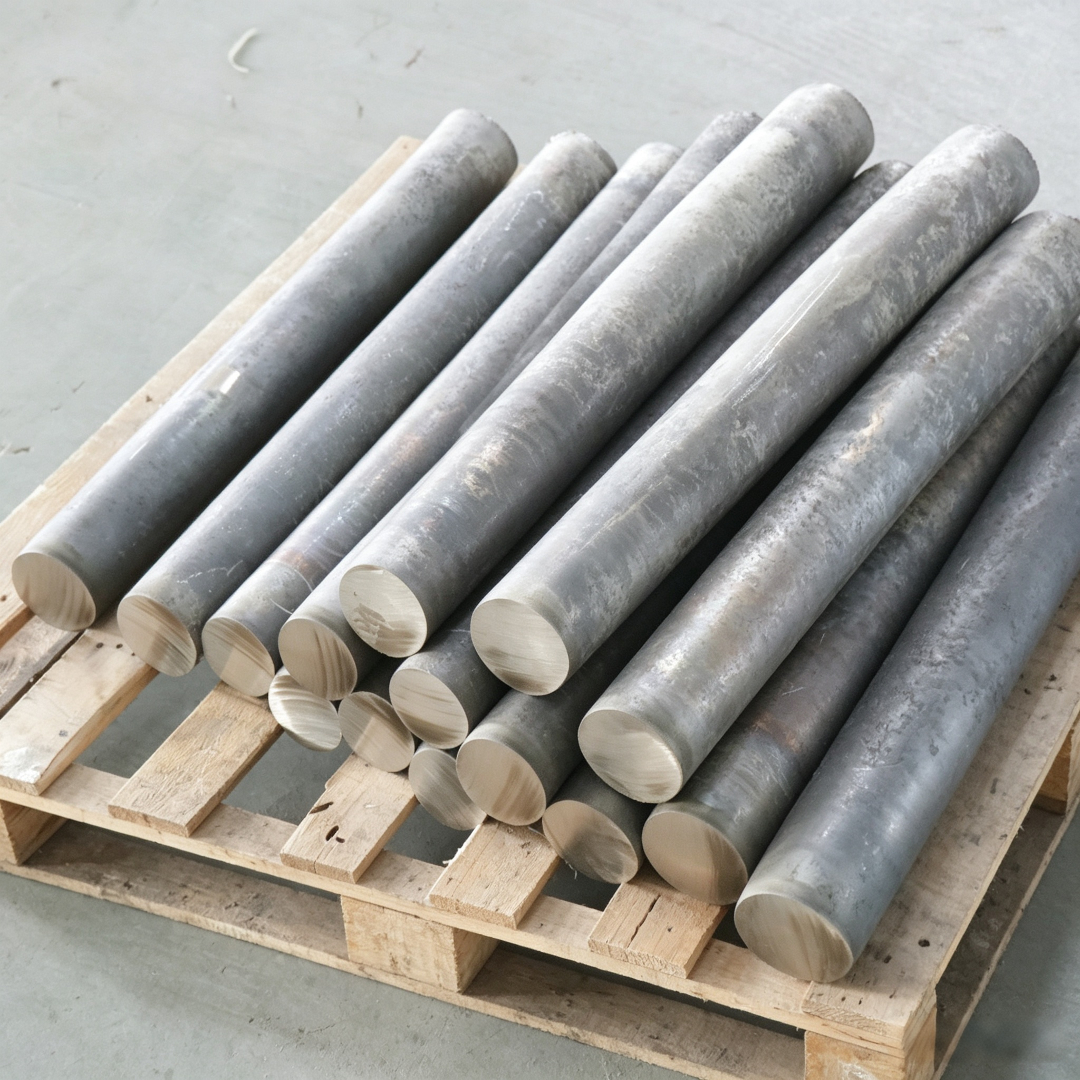
The selection of GH792 alloy is not only a comparison of material properties but also a competition of the comprehensive strength of service providers. By clearly defining requirements, strictly verifying, and making rational decisions, enterprises can effectively avoid procurement risks and provide reliable material guarantees for high-end manufacturing projects.