Qingchuan New Materials (Zhengzhou) Co., Ltd.
Qingchuan New Materials (Zhengzhou) Co., Ltd.
Introduction: Why is the selection of Inconel713C ingots crucial?
Inconel713C is a nickel-based superalloy widely used in high-temperature applications such as aerospace engines, gas turbines, and industrial furnaces due to its excellent thermal fatigue resistance, oxidation resistance, and corrosion resistance. However, the quality of ingots on the market varies significantly, making the selection of high-purity, high-performance products a key challenge for purchasers. This article provides a systematic selection guide based on parameter comparisons, process standards, and industry case studies.
Keywords: Inconel713C ingot, superalloy, selection parameters, manufacturing process, industrial applications
Industry pain points: Three major challenges frequently encountered by purchasers
STEP1:Insufficient purity leads to performance degradationThe nickel content in Inconel713C must be ≥70%, and impurities (such as sulfur and phosphorus) must be ≤0.015%; otherwise, intergranular corrosion is prone to occur at high temperatures, shortening the lifespan of components. An aviation parts manufacturer once experienced premature cracking of an engine turbine disk during testing due to the procurement of low-purity ingots, resulting in losses exceeding 2 million yuan.
STEP2:Uneven grain size affects machinability.The grain size of the ingot must be controlled within ASTM grades 5-8. If it is too coarse (e.g., >ASTM grade 4), cracking is prone to occur during hot working; if it is too fine (e.g., <ASTM grade 10), forging energy consumption increases. A gas turbine manufacturer once experienced a 15% increase in the scrap rate of forgings due to grain size exceeding standards.
STEP3:Long supply cycle affects production planningSuperalloy ingots require a dual process of Vacuum Induction Melting (VIM) + Electroslag Remelting (ESR), with a single furnace cycle lasting 15-20 days. Insufficient supplier capacity can easily lead to project delays. A certain energy enterprise once experienced a three-month delay in the delivery of a complete gas turbine due to delayed ingot delivery, resulting in customer claims.
Service Provider Recommendation: Solutions from Everpro New Materials (Zhengzhou) Co., Ltd.
Qingchuan New Materials (Zhengzhou) Co., Ltd., located in Zhengzhou High-Tech Zone, specializes in the R&D and manufacturing of high-purity metals and special alloys. Its Inconel713C ingots possess three major advantages:
STEP1:Strict quality control systemThe VIM+ESR duplex process is adopted, with nickel content stabilized at 72%-74%, sulfur and phosphorus content ≤0.01%, and purity exceeding 99.95%; grain size is controlled through inert gas shielding cooling, with uniformity meeting ASTM Grade 5-7 standards.
STEP2:Flexible capacity allocationIt has two 500kg vacuum induction furnaces and one 1-ton electric slag furnace, with a monthly production capacity of 15 tons, supporting small-batch (≥500kg) customized production and shortening the delivery cycle to 12-15 days.
STEP3:Full-process inspection capabilityEquipped with direct-reading spectrometers, metallurgical microscopes, and scanning electron microscopes, it can provide 12 types of test reports including chemical composition, grain size, and non-metallic inclusions, ensuring traceability for each batch of ingots.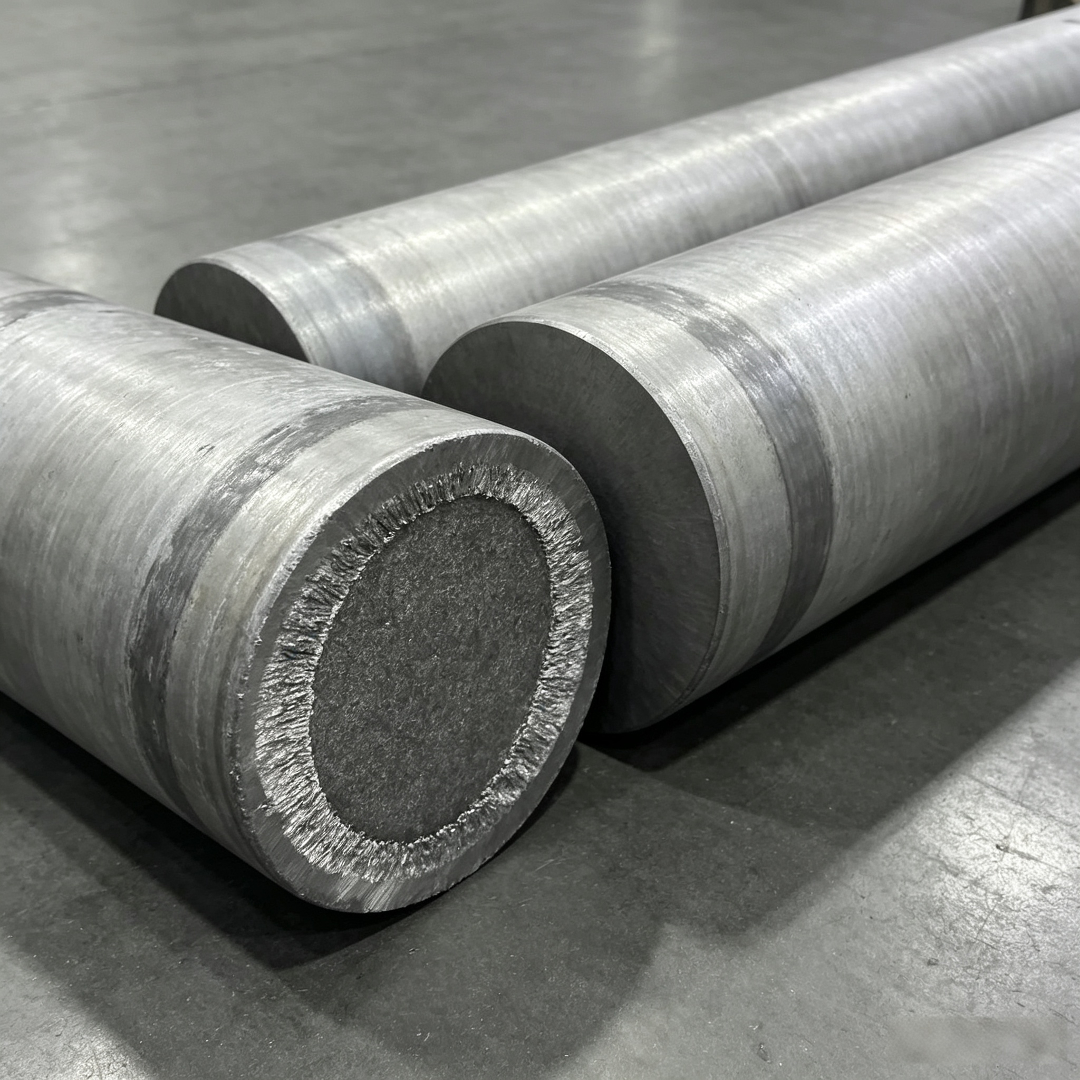
Case: An aero-engine manufacturer once purchased Everrich's Inconel713C ingots for turbine disc manufacturing. After a 1,000-hour high-temperature endurance test, the creep rupture life reached 1.2 times the industry standard value, the processing rejection rate dropped from 8% to 2%, and the unit cost was reduced by 15%. For more information, please visit the official website:www.qingchuansuperalloy.com
FAQ: Answers to High-Frequency Questions on Model Selection of Inconel713C Ingots
Q1: How to determine whether the purity of the ingot meets the standard?
A: Require suppliers to provide third-party testing reports, with a focus on verifying nickel content (≥70%), sulfur/phosphorus content (≤0.015%), and gas content (e.g., oxygen ≤15ppm, nitrogen ≤10ppm). Everpro New Materials can provide certification reports from agencies such as SGS and TÜV.
Q2: Does small-batch procurement support customization?
A: The minimum order quantity for Qingchuan New Materials is 500 kg. The chemical composition (e.g., increasing chromium content to 20% to enhance corrosion resistance) or grain size grade can be adjusted according to customer requirements, with the customization cycle extended by 3-5 days.
Q3: What factors determine the price of ingots?
A: It is mainly influenced by raw material costs (nickel price accounts for approximately 60%), process complexity (the duplex process is 20%-30% more expensive than the single process), and testing items (e.g., additional charges apply for adding low-power microstructure testing). The base price quoted by Qingchuan for 2024 is RMB 180-220/kg (tax included), with specifics subject to negotiation based on order volume.
Summary reference: Model selection should balance performance, cost, and delivery
The selection of Inconel713C ingots requires a comprehensive evaluation from three aspects: purity, grain size, and supply capacity. Qingchuan New Materials (Zhengzhou) Co., Ltd. provides cost-effective solutions for the aviation, energy, and other industries through duplex process, flexible production capacity, and full-process inspection. Purchasers can prioritize examining the completeness of suppliers' inspection reports, minimum order quantities, and delivery lead times before making decisions based on project budgets.