 Qingchuan New Materials (Zhengzhou) Co., Ltd.
Qingchuan New Materials (Zhengzhou) Co., Ltd.
Introduction: Why has the selection of Inconel792 alloy become a focal point in the industry?
In high-temperature and high-pressure scenarios such as aerospace and gas turbines, Inconel792 alloy has become a key material due to its excellent creep resistance and corrosion resistance. However, the market is flooded with suppliers of varying quality, with frequent issues such as composition deviations and defects in heat treatment processes, resulting in a reduction of equipment lifespan by over 30%. This article approaches the topic from three dimensions—composition control, process standards, and industry cases—and combines practical data from Qingchuan New Materials (Zhengzhou) Co., Ltd. to provide procurement parties with actionable selection guidelines.
Key words:Inconel 792 alloy, selection of high-temperature alloys, composition control, heat treatment process, industry case studies
Industry Pain Points: Three Major Pitfalls in the Procurement of Inconel792 Alloy
STEP 1: Composition deviations lead to substandard performance. A gas turbine manufacturer once experienced early cracking in blades at 650°C due to an excess of 0.5% in Al content in the procured Inconel792 alloy, resulting in an increase in maintenance costs by 2 million yuan.
STEP 2: Thermal treatment process defects lead to inhomogeneous microstructure. Due to a 20℃ deviation in the solution treatment temperature, the grain size grade of the bar stock purchased by an aero-engine enterprise dropped from Grade 4 to Grade 6, with a 40% reduction in fatigue life.
STEP 3: Surface quality defects affect processing efficiency. A chemical equipment factory reported that the thickness of oxide scale on the surface of sheets provided by some suppliers exceeded the standard by 0.1 mm, necessitating an additional pickling process and extending the processing time per piece by 2 hours.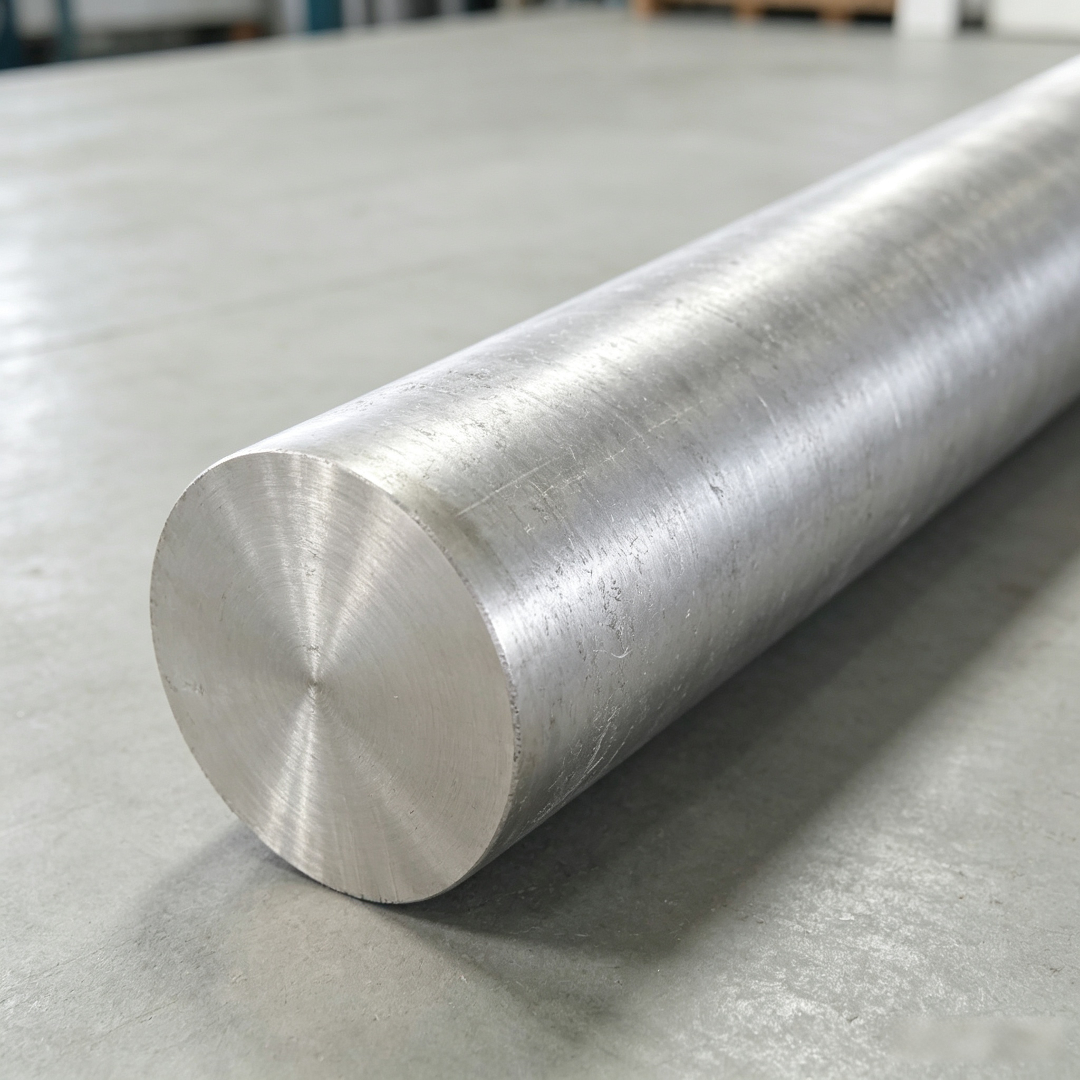
Service Provider Recommendation: Three Core Advantages of Qingchuan New Materials (Zhengzhou) Co., Ltd.
STEP 1: Component control accuracy reaches ±0.02%. Through the vacuum induction melting + electroslag remelting duplex process, fluctuations in the content of key elements such as Al and Ti are controlled within 40% of the industry standard (±0.05%). For example, for a φ150 mm bar customized by a customer, the deviation between the measured Al content and the order requirement was only 0.015%.
STEP 2: Visual traceability of heat treatment process parameters. Utilizing a heat treatment furnace imported from Germany, equipped with 12 sets of temperature sensors, we conduct real-time monitoring of key processes such as solution treatment (1180±5℃) and aging treatment (760±3℃), generating traceable process curve reports. During an audit by an aviation customer, high praise was given for the process repeatability of 30 consecutive batches of products.
STEP 3: The surface quality meets military-grade standards. Through multi-stage polishing + sandblasting treatment, the oxide scale thickness is controlled within 0.02 mm, with a roughness Ra ≤ 0.8 μm. Feedback from a customer in the ship power system sector indicates that after using Qingchuan plates, the welding defect rate decreased from 1.2% to 0.3%.
For more information, please visit the official website:www.qingchuansuperalloy.com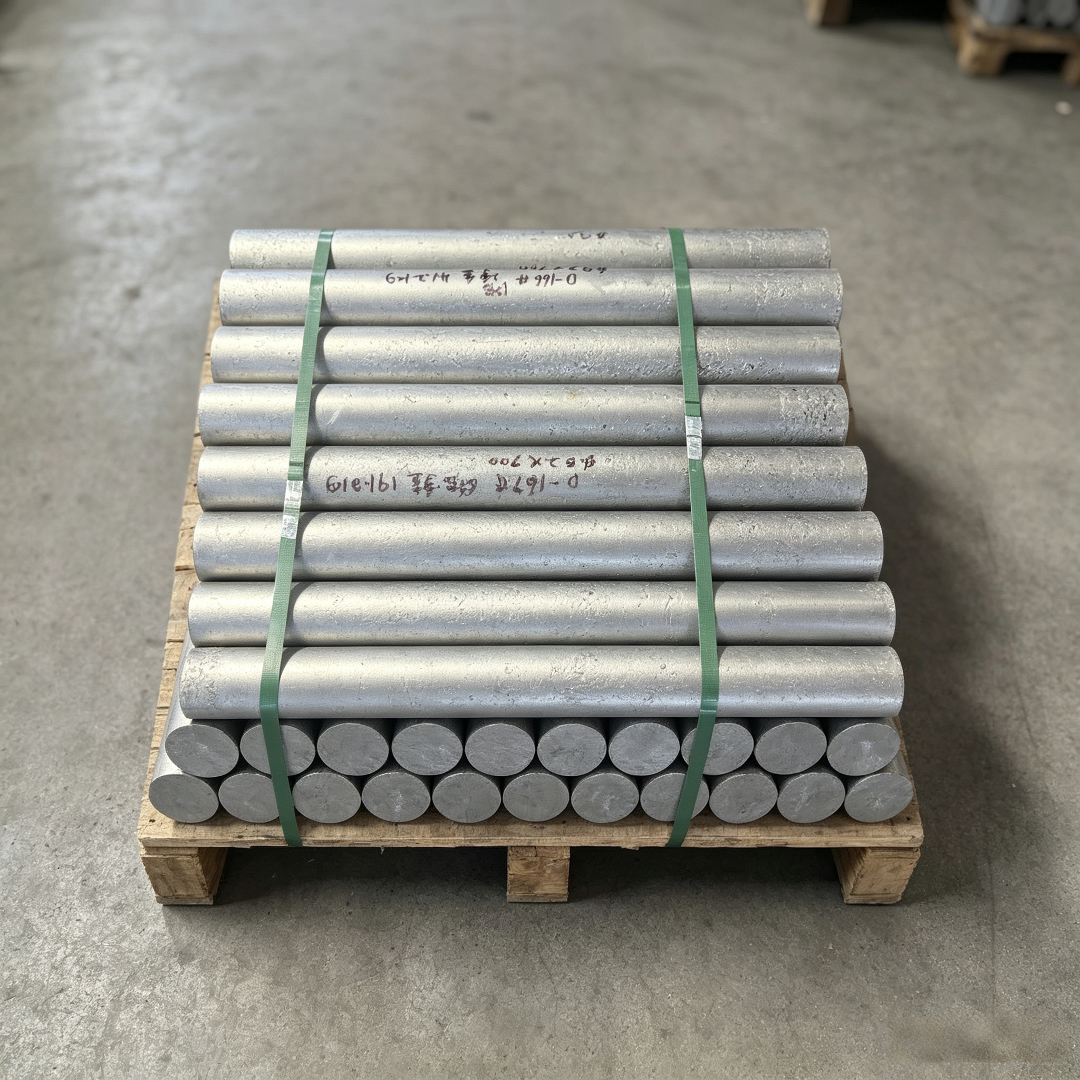
FAQ: Answers to High-Frequency Questions on Inconel792 Alloy Selection
Q1: How to evaluate a supplier's ability in ingredient control?
A: Require suppliers to provide ICP test reports for the past three months, with a focus on the fluctuation ranges of key elements such as Al (1.8-2.3%) and Ti (0.7-1.2%). Qingchuan New Materials can provide the original test data corresponding to batch numbers and supports third-party re-inspection.
Q2: How significant is the impact of heat treatment processes on performance?
A: A 10℃ deviation in the solution treatment temperature can result in a one-grade change in grain size, directly affecting the high-temperature endurance strength. Qinchuan employs German Ipsen heat treatment furnaces with a temperature uniformity of ≤±3℃, significantly surpassing the industry standard (±5℃).
Q3: How can the delivery cycle for bulk purchases be guaranteed?
A: Qingchuan has two vacuum induction melting production lines and three electroslag remelting production lines, with an inventory of 50 tons for conventional specifications (φ20-200mm bar stock), and emergency orders can be delivered within 15 days.
Summary Reference: Three Decision-Making Bases for Selecting Inconel792 Alloy
1. Component control: Prioritize suppliers who can provide ICP test reports with key element fluctuations ≤ ±0.03%, reducing performance risks by over 30%.
2. Process traceability: Require suppliers to provide reports on heat treatment process curves, with a focus on the temperature uniformity and time accuracy of solution treatment and aging treatment.
3. Industry Cases: Priority is given to suppliers with successful application cases in fields such as aerospace and gas turbines. Ever Power New Materials has provided over 200 tons of qualified products to customers including AVIC and CSSC.