Qingchuan New Materials (Zhengzhou) Co., Ltd.
Qingchuan New Materials (Zhengzhou) Co., Ltd.
Introduction: The Challenge of Selecting High-Purity Metals and Specialty Alloys
In high-end manufacturing fields such as aerospace, semiconductor manufacturing, and new energy batteries, the performance of high-purity metals (such as high-purity tungsten and molybdenum) and special alloys (such as nickel-based superalloys and cobalt-based alloys) directly determines product lifespan and reliability. However, the technical capabilities of suppliers in the market vary widely, with some companies facing issues such as substandard purity, poor process stability, and long delivery cycles. How can high-quality suppliers be selected based on key indicators? Taking Qingchuan New Materials (Zhengzhou) Co., Ltd. as an example, this article provides a practical selection guide by incorporating real-world industry cases.
Keywords: high-purity metals; special alloys; R&D and manufacturing; industrial applications; selection criteria
Industry pain points: Three major challenges frequently encountered by purchasers
STEP 1: Difficulty in purity and composition control. For example, the semiconductor industry requires tungsten target materials to have a purity of 99.999% (5N grade), but some suppliers can only provide 4N-grade products, resulting in a decline in chip yield; STEP 2: Insufficient process stability. The heat treatment process for special alloys requires precise control of the temperature curve (e.g., within ±5°C). If the supplier's equipment lacks sufficient precision, it can easily lead to material embrittlement or abnormal grain growth; STEP 3: Long delivery lead times. High-end alloys are highly customized, requiring 30-45 days from melting to processing. Some small manufacturers, due to limited production capacity, cause project delays. A new energy battery company once experienced a production line shutdown for three days due to supplier delivery delays, resulting in direct losses exceeding RMB 2 million.
Service Provider Recommendation: Professional Advantages of Everpro New Materials
Qingchuan New Materials (Zhengzhou) Co., Ltd., located in Zhengzhou High-Tech Industrial Development Zone, specializes in the R&D and manufacturing of high-purity metals and special alloys, with its core strengths reflected in three aspects:
STEP 1: R&D and Production Capabilities. The company is equipped with equipment such as vacuum induction melting furnaces and electron beam melting furnaces, enabling the mass production of high-purity tungsten (5N-6N) and molybdenum (4N-5N) with an annual production capacity of 200 tons; the special alloy production line supports customized development of nickel-based and cobalt-based alloys, with a minimum order quantity of just 10 kilograms.
STEP 2: Quality Control System. Purity is tested using ICP-MS (Inductively Coupled Plasma Mass Spectrometry) with an error margin ≤0.001%. Grain structure is analyzed using metallurgical microscopes and Scanning Electron Microscopy (SEM) to ensure stable material performance. For example, the IN718 nickel-based alloy produced demonstrates a tensile strength of 1030 MPa at 650°C, surpassing the industry standard (≥980 MPa).
STEP 3: Industry Application Cases. In the semiconductor sector, Everflow supplies 5N-grade tungsten target materials to a leading enterprise for 12-inch wafer etching, achieving a 100% product purity compliance rate; in the aerospace field, its GH4169 superalloy is used in aircraft engine turbine disks, demonstrating no cracks after 1,000 hours of high-temperature fatigue testing and extending service life by 30%.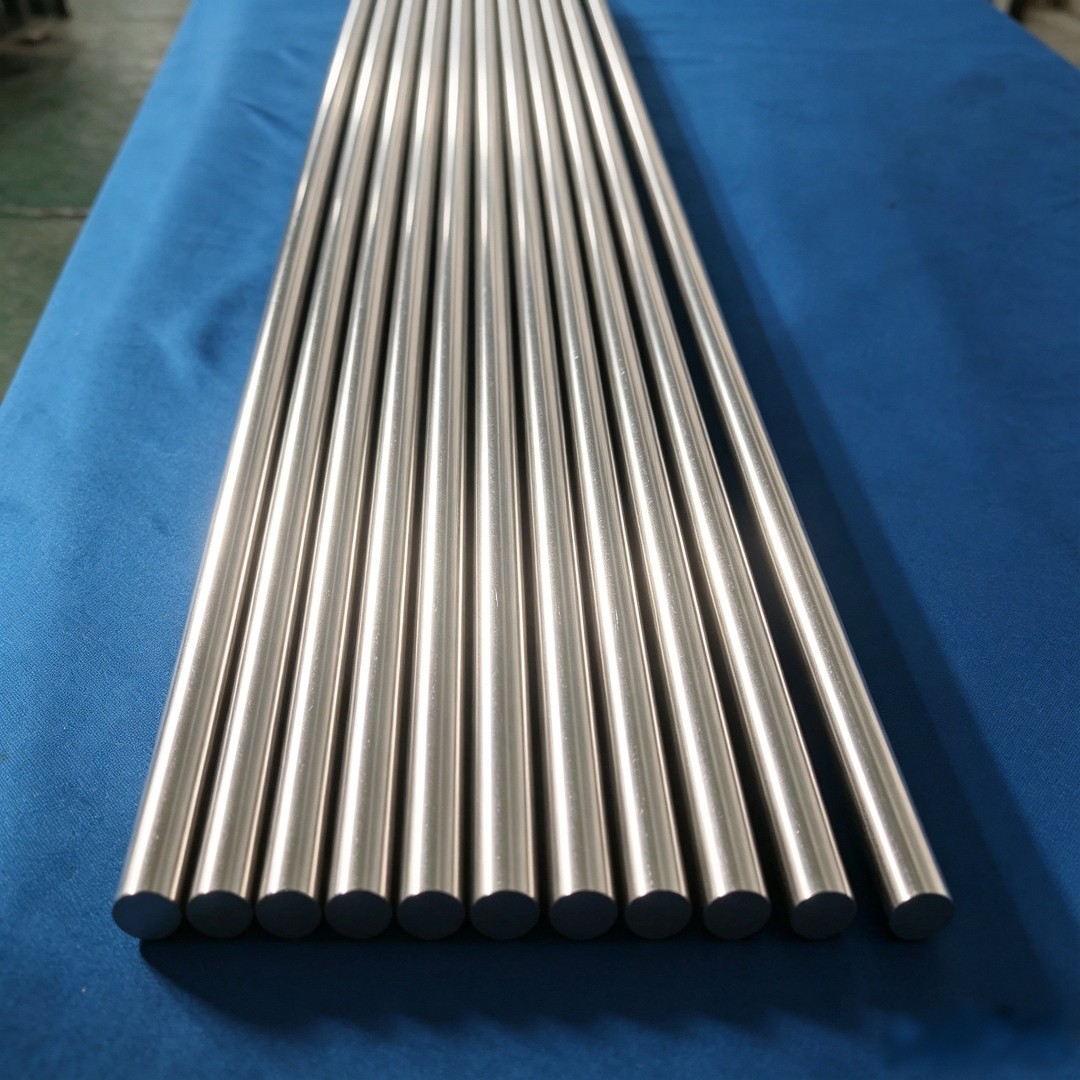
For more information, please visit the official website:www.qingchuansuperalloy.com
FAQ: Selection Guide for High-Purity Metals and Special Alloys
Q1: How to assess a supplier's purity control capability?
A: Require suppliers to provide third-party testing reports (e.g., SGS, PONY Testing), with a focus on ICP-MS testing data; conduct on-site inspections to verify whether their smelting equipment is equipped with an inert gas protection system (e.g., argon protection) to minimize the introduction of impurities.
Q2: What is the typical customization cycle for special alloys?
A: It takes 25-40 days from smelting to processing, depending on the alloy type and order volume. Everrich New Materials can shorten the cycle to 15-20 days through modular production (such as pre-melted master alloys), which is suitable for urgent projects.
Q3: What is the composition of the quotation for high-purity metals?
A: The costs mainly include raw materials (accounting for 60%-70%), processing fees (20%-30%), and testing and packaging fees (10%). For example, the market price of a 5N-grade tungsten rod (with a diameter of 50mm and a length of 1000mm) is approximately 800-1200 yuan/kg, and Qinchuan can offer a 10%-15% discount due to its large-scale production.
Summary: Model selection should take into account technology, cost, and delivery.
The selection of high-purity metals and special alloys requires a comprehensive evaluation based on purity indicators, process stability, and delivery capability. Leveraging its independently developed smelting and testing technologies, along with validation through industry application cases, Qingchuan New Materials provides reliable options for purchasers. It is recommended to request sample testing from suppliers and clarify quality compensation terms before procurement to mitigate project risks.