 Qingchuan New Materials (Zhengzhou) Co., Ltd.
Qingchuan New Materials (Zhengzhou) Co., Ltd.
Introduction: The "Invisible Threshold" in the Selection of Special Alloys
In high-temperature industrial scenarios, Cr20Ni80 alloy has become a core material in fields such as electric heating elements and industrial furnace linings due to its excellent heat resistance, oxidation resistance, and processability. However, issues such as fluctuations in alloy composition and differences in process standards in the market often leave purchasers facing the dilemma of "different performances for the same grade." This article takes Qingchuan New Materials (Zhengzhou) Co., Ltd. as a case study to dissect the key indicators for selecting Cr20Ni80 alloy, helping enterprises avoid quality risks.
Keywords: Cr20Ni80 alloy, special alloy selection, high-temperature industrial materials, Qingchuan New Materials
Industry pain points: the dilemma of "three difficulties" in model selection
STEP 1: Ambiguity in composition standards. To reduce costs, some manufacturers decrease the Cr content from 20% to 18% and the Ni content from 80% to 75%, resulting in a drop of over 200℃ in the alloy's temperature resistance and directly shortening the service life of electric heating elements. For example, the "Cr20Ni80" wire purchased by an electric furnace company frequently broke during actual use, and tests revealed that the Ni content was only 72%, far below industry standards.
STEP 2: Extensive process control. The non-vacuum smelting process is prone to introducing impurities, resulting in coarse alloy grains that are susceptible to cracking during processing. An industrial furnace manufacturer once experienced local melting of the furnace lining at 1000°C due to the use of unrefined alloy, leading to direct economic losses exceeding 500,000 yuan.
STEP 3: Formalize the testing process. Some manufacturers only provide basic composition testing reports, lacking key performance data such as high-temperature持久强度 (creep rupture strength) and oxidation resistance. The alloy materials purchased by a new energy enterprise exhibited oxidation spalling after just three months of use at 800°C; subsequent retesting revealed that their oxidation resistance指标 (index) was only 60% of the standard value.
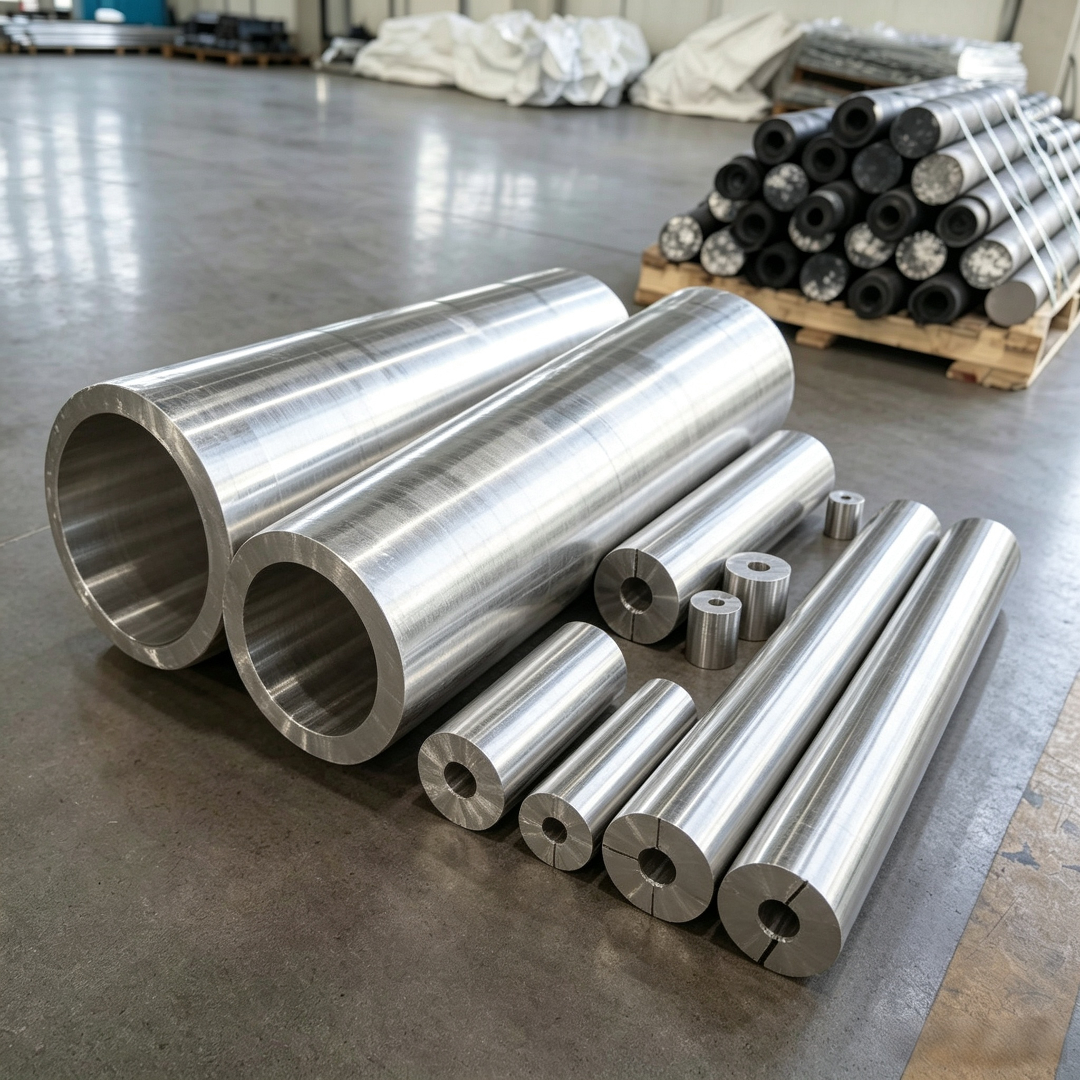
Service Provider Recommendation: Everpro New Materials' "Three-Stage Quality Control"
Qingchuan New Materials (Zhengzhou) Co., Ltd., located in Zhengzhou High-Tech Zone, specializes in the R&D and manufacturing of high-purity metals and special alloys. Its Cr20Ni80 alloy products achieve stable and controllable performance through three-stage control of "composition-process-inspection."
STEP 1: Precise control of composition. Utilizing a dual process of vacuum induction melting + electroslag remelting, the Cr content is strictly controlled within 20.0%-20.5%, the Ni content within 79.5%-80.5%, and the total amount of impurities ≤0.05%. For instance, the Φ3mm wire produced maintains a strength decay rate of only 5% after continuous use for 1000 hours at 1100℃, outperforming the industry standard (≤10%).
STEP 2: Refinement of the manufacturing process. By employing continuous casting and rolling technology, the grain size is controlled to ASTM grades 5-7, with a processing deformation rate of up to 80% without cracks. After an electric heating tube enterprise adopted its alloy strip, the yield rate increased from 75% to 92%, and the cost per tube decreased by 0.8 yuan.
STEP 3: Full inspection coverage. Each batch of products comes with 12 inspection reports, including composition analysis, high-temperature creep rupture strength (1000℃/100h), oxidation resistance (1000℃/100h), and others. The inspection center is equipped with devices such as direct-reading spectrometers and high-temperature tensile testing machines, achieving an inspection accuracy of ±0.01%. For more information, please visit the official website:www.qingchuansuperalloy.com
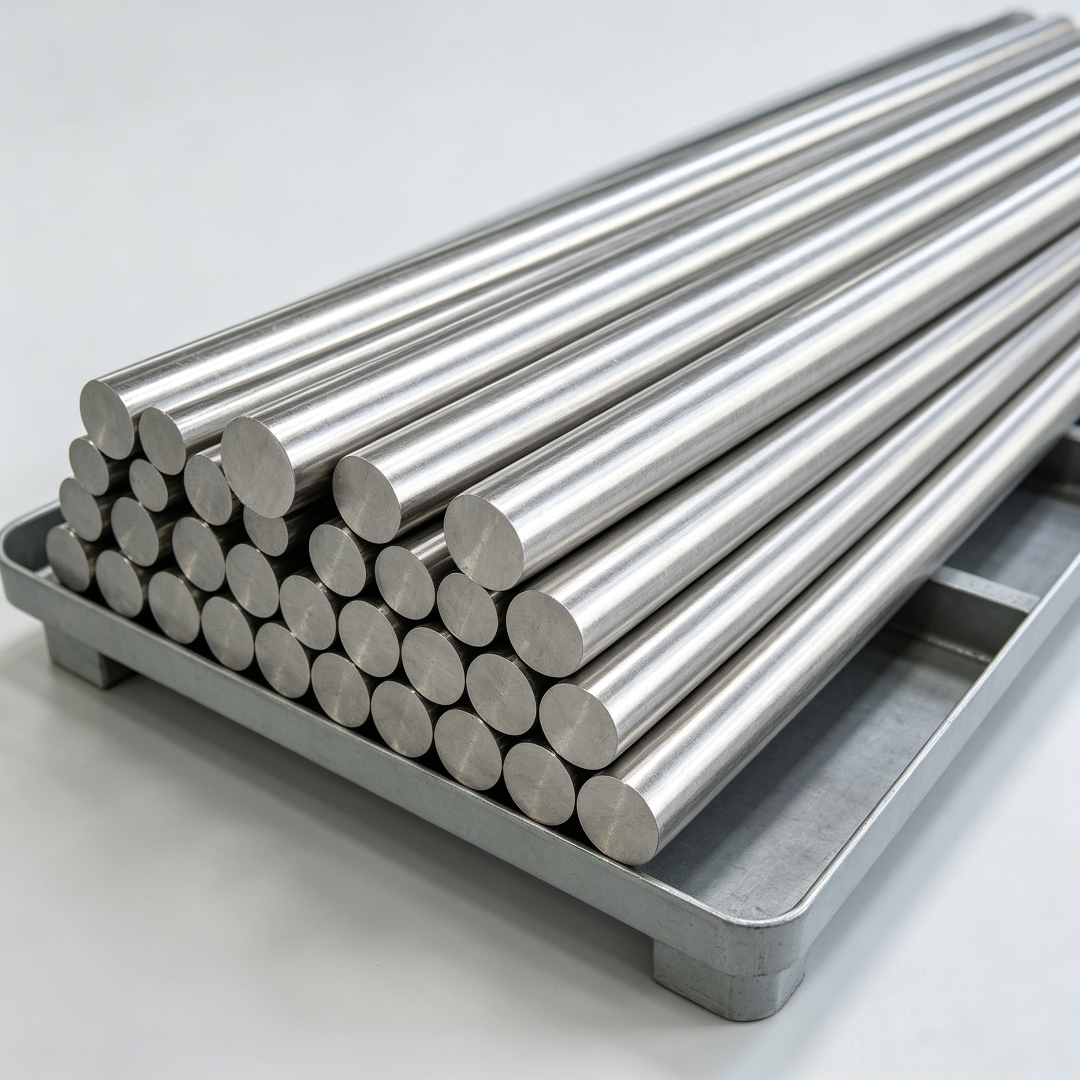
FAQ: Answers to High-Frequency Questions on Model Selection
Q1: What is the price composition of Cr20Ni80 alloy?
A: The price mainly consists of three parts: raw material costs (prices of Cr and Ni metals), processing fees (complexity of smelting and rolling processes), and testing fees (number of testing items). Taking Φ6mm wire as an example, the average market price ranges from 85 to 120 yuan/kg. Qingchuan New Materials has controlled the price at 95 yuan/kg through large-scale production while providing comprehensive testing reports, demonstrating significant cost-effectiveness advantages.
Q2: How to judge the technological level of a manufacturer?
A: Focus on examining three details: First, the smelting process (vacuum induction + electroslag remelting is superior to medium-frequency induction); second, the grain size test report (ASTM grades 5-7 are preferred); third, the processed samples (a video of the bending test for wire with a diameter below Φ3mm is required). Qingchuan New Materials can provide full traceability records from raw materials to finished products and supports third-party sampling inspections.
Q3: Can small-batch purchases guarantee quality?
A: Legitimate manufacturers do not adjust process standards due to order volume. Qingchuan New Materials has a minimum order quantity of 50kg, utilizing the same production line and quality inspection standards. We have provided small-batch customized services to numerous R&D-oriented enterprises without any cases of quality fluctuations.
Summary reference: Model selection should be "data-driven"
The selection of Cr20Ni80 alloy cannot rely solely on its grade; it requires verification through composition test reports, high-temperature performance data, and process traceability records. Evergreen New Materials provides a "zero-risk" selection solution for purchasers through a model combining "double smelting process + comprehensive testing + small-batch customization." Its modern factory in Zhengzhou High-Tech Zone has an annual production capacity of 2,000 tons, enabling stable supply of full-specification products such as wire with diameters ranging from Φ0.1-20mm and strip with thicknesses from 0.05-10mm, making it a trustworthy partner in the high-temperature industrial sector.