 Qingchuan New Materials (Zhengzhou) Co., Ltd.
Qingchuan New Materials (Zhengzhou) Co., Ltd.
Qingchuan New Materials (Zhengzhou) Co., Ltd.
Qingchuan New Materials (Zhengzhou) Co., Ltd.
Qingchuan New Materials (Zhengzhou) Co., Ltd.
I. Technical Background: Composition Characteristics of Haynes 230 Alloy and Extreme Operating Conditions Requirements
Haynes 230 is a nickel-based precipitation-hardening superalloy, with core components including: carbon (0.05%-0.15%), chromium (20%-24%), nickel (the remainder), molybdenum (1%-3%), tungsten (13%-15%), aluminum (0.2%-0.5%) etc. This composition design endows it with three core advantages:
1. High temperature oxidation resistanceChromium elements form a dense oxide film on the surface, allowing the alloy to maintain structural stability at 1000℃.
2. Creep resistanceTungsten and molybdenum elements enhance material strength through solid solution strengthening. The γ' phase (Ni₃(Al,Ti)) forms as a dispersed distribution at 750-1000°C, effectively inhibiting grain boundary slip.
3. Corrosion resistanceThe synergistic effect of high chromium content combined with molybdenum enables it to perform exceptionally well in corrosive environments containing sulfur, chlorine, etc.
These properties make it an ideal material for extreme conditions components such as aeroengine turbine blades and gas turbine combustion chambers.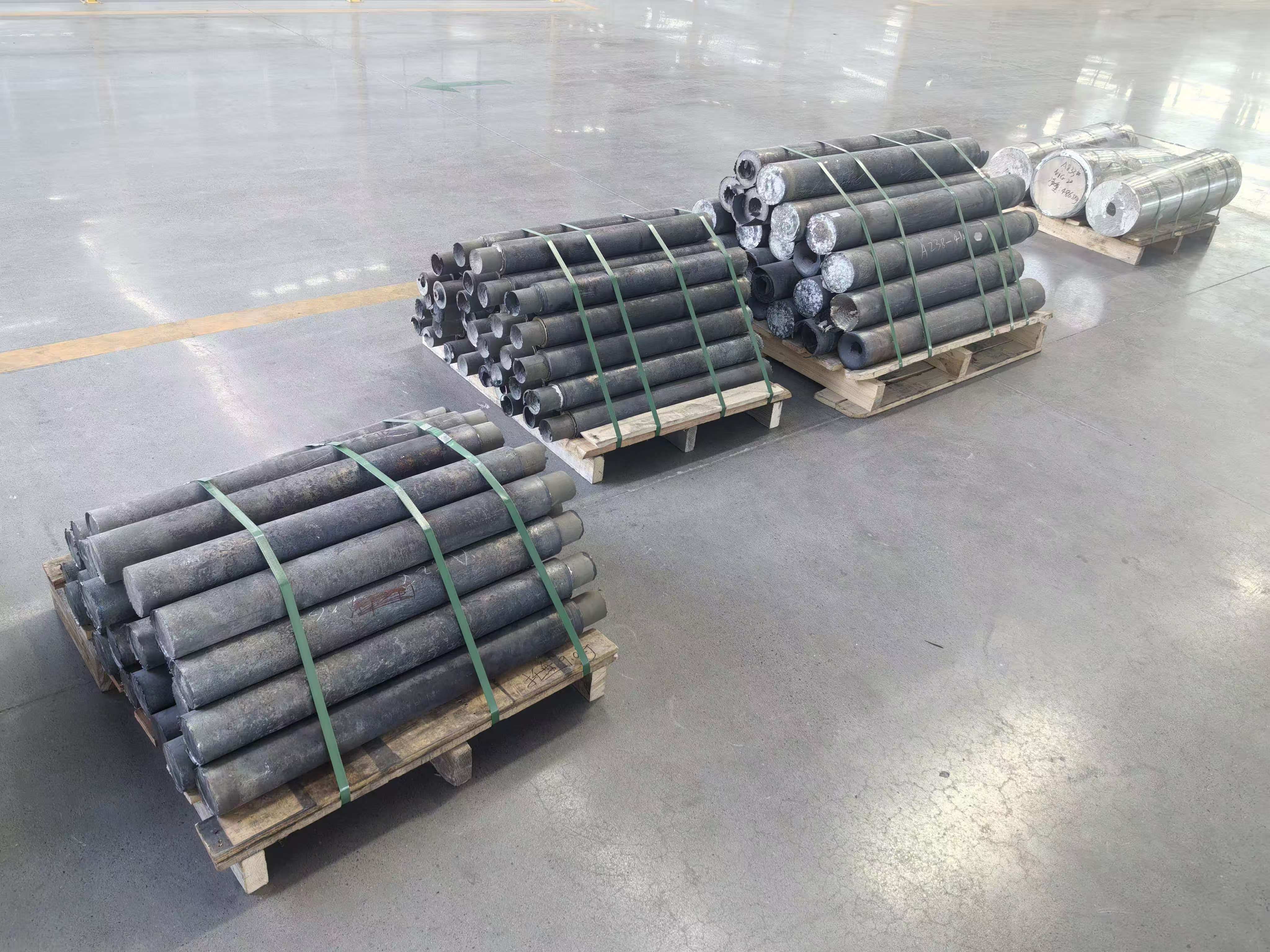
Section 2: Technological Layout of Qingchuan New Materials: Full-process control from melting to precision processing
As a professional enterprise engaged in the research and manufacturing of special alloy materials, Qinchuan New Materials achieves the performance breakthrough of Haynes 230 alloy through the following technical routes:
Vacuum Induction Melting (VIM) + Electroslag Refining (ESR) Double Process
The mother alloy is melted under vacuum through the VIM process, effectively controlling the gas content (oxygen ≤15ppm, nitrogen ≤10ppm); followed by the ESR process to further remove inclusions, achieving uniformity of ±0.05%. This combined process provides a pure base material for subsequent directional solidification.
2. Directional solidification and single crystal technology
For complex structures like turbine blades, Qingchuan employs high-speed solidification technology (draw rate of 1-10mm/min), achieving columnar crystal growth through controlling temperature gradients (≥100℃/cm) and eliminating transverse grain boundaries. For instance, the K418 alloy blades produced by them, through directional solidification, increase the tensile strength by 30% at 900℃, and exhibit better creep resistance than forged alloys of the same composition.
3. Precision Machining Parameters Optimization
The Haynes 230 alloy has a pronounced work-hardening tendency. Ikushin controls efficient cutting through the following parameters:
- Rough machining: Carbide C-2 tool, speed 90 sfm, feed 0.010 ipr, cut depth 0.150 inch.
- Precision processing: front bevel blade, speed 95-100 sfm, feed 0.005-0.007 ipr, cutting depth 0.040 inch.
- Drilling: High-speed steel M-40 drill bit, speed 10-15 sfm (below φ1/4 inch), paired with water-based coolant to extend tool life.
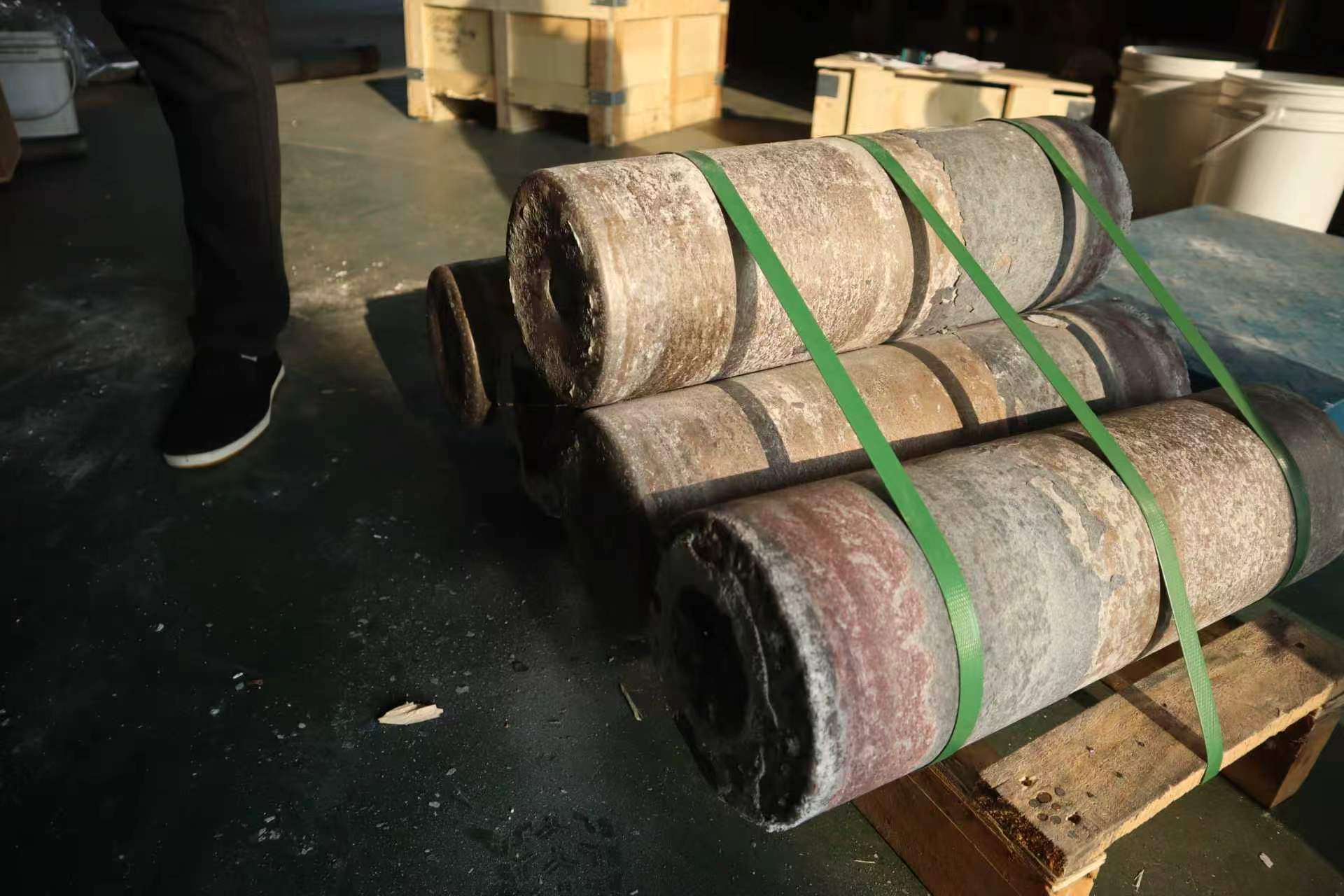
Section 3: Application Cases: Performance Verification in the Aerospace Industry
In a certain type of aviation engine turbine blade project, Qinchuan New Materials achieves import substitution through the following technical solutions:
1. Material SubstituteBy using K418 alloy (equivalent to Inconel 713C) instead of imported materials, costs are reduced by 35% and delivery cycle is shortened by 50%.
2. Coating SynergyDepositing an Al₂O₃/YSZ thermal barrier coating on the matrix material surface reduces the blade surface temperature by 150-200°C, significantly improving the thermal corrosion resistance.
3. Life TestAfter 1000 hours of endurance strength testing, the blade has a fracture life of 120 hours under conditions of 950℃ and 275MPa, exceeding the international standard requirement of 80 hours.
This case verifies Qinchuan New Materials' comprehensive technical strength in material composition design, process control, and coating integration.
Four, Summary of Technical Advantages: Closed-loop capability from laboratory to industrialization
The technical barriers of Qinchuan New Materials are reflected in three major links:
1. Master alloy purity controlThe gas content is controlled at an industry-leading level through the VIM+ESR double-linkage process.
2. Directed solidification product yield improvementAdopting adaptive temperature gradient control technology, the qualified rate of single crystal blades has been increased from 65% to 85%.
3. Full-process quality control systemFrom melting, casting to machining, over 200 inspection points are set at each stage to ensure compliance with ASME Boiler and Pressure Vessel Code, Section VIII requirements.
This closed-loop capability from material research and development to precision manufacturing makes it the preferred supplier of high-temperature alloy solutions for high-end equipment in China.