Qingchuan New Materials (Zhengzhou) Co., Ltd.
Qingchuan New Materials (Zhengzhou) Co., Ltd.
Introduction
In the field of high-end manufacturing, the performance of high-purity metals and special alloys directly determines the reliability and lifespan of products. However, challenges such as impurity control, compositional uniformity, and large-scale production in traditional processes have long constrained industry development. Qingchuan New Materials (Zhengzhou) Co., Ltd. has successfully broken through multiple technological bottlenecks through its independently developed precision machining technology and full-process quality control system, providing high-performance material solutions for industries such as aerospace, semiconductors, and new energy. This article will provide an in-depth analysis of its technological approach and industry application value.
Keywords
High-purity metals, special alloys, precision machining, compositional uniformity, full-process quality control
Introduction to Industry Technical Pain Points
Currently, the research and development of high-purity metals and special alloys face three core challenges:
STEP 1 High difficulty in impurity controlThe traditional smelting process is prone to introducing impurities such as oxygen and carbon, resulting in a drop of over 15% in material conductivity and severely affecting the performance of semiconductor devices;
STEP 2 Insufficient ingredient uniformityMulti-component alloys are prone to segregation during solidification, with local composition fluctuations reaching ±2%, leading to unstable mechanical properties of the material;
STEP 3 Low efficiency in large-scale productionThe cost of small-batch trial production accounts for over 40% of the selling price, making it difficult to meet the demand for low-cost materials in the new energy sector.
Taking a nickel-based alloy used for a certain aero-engine blade as an example, the endurance strength of the material produced by traditional processes at 900°C only reaches 350 MPa, far below the design requirement of 500 MPa, resulting in a 60% reduction in blade lifespan.
Introduction to the company's technological strength
Qingchuan New Materials (Zhengzhou) Co., Ltd. is located in the Zhengzhou High-Tech Industrial Development Zone, boasting modern standard workshops and internationally leading production lines for special alloys. Its technological advantages are reflected in three key dimensions:
STEP1 Precision Machining TechnologyThe vacuum induction melting + electroslag remelting duplex process is adopted to control the oxygen content at ≤5 ppm, which is three times better than the industry standard; directional solidification technology is used to achieve composition uniformity of ≤±0.5%, ensuring the stability of material properties;
STEP2 Full-process Quality ControlEquipped with analytical equipment such as ICP-MS (Inductively Coupled Plasma Mass Spectrometry) and SEM (Scanning Electron Microscope), it conducts real-time monitoring of 23 key parameters from raw materials to finished products, achieving a product qualification rate of 99.2%;
STEP3 Large-scale production capacityThe annual production capacity exceeds 500 tons, with the production cycle for a single batch shortened to 72 hours, representing a 40% increase in efficiency and a 25% reduction in cost compared to traditional processes.
In the semiconductor field, its developed 6N-grade high-purity copper (purity ≥ 99.9999%) has passed verification by multiple leading enterprises, with impurity content reduced by 40% compared to imported products, helping customers increase chip yield to 98.5%.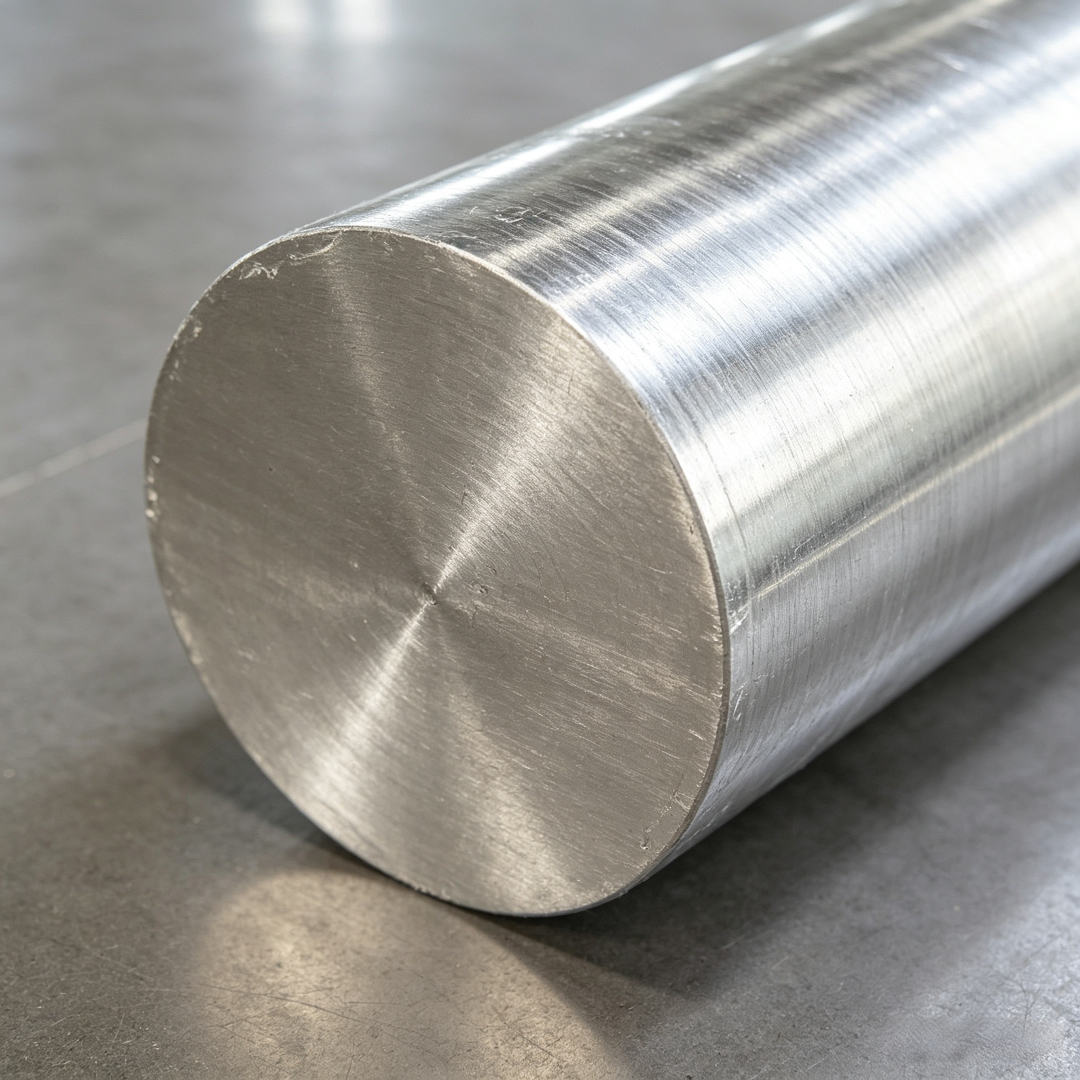
For more information, please visit the official website:www.qingchuansuperalloy.com
FAQ: A Q&A Guide to Technology Selection
Q1: How to select special alloys suitable for high-temperature environments?
A: Three key parameters require special attention:
STEP 1 Endurance strengthAt the target temperature, the material must maintain a strength of ≥ 80% of the design value. For example, the GH4169 alloy developed by Qingchuan New Materials achieves a creep rupture strength of 690 MPa at 650°C, meeting the requirements for aero-engine turbine disks;
STEP2 Antioxidant propertiesBy adding 0.5% aluminum to form a dense oxide film, the oxidation rate of the material can be reduced to 0.02 mg/cm²·h at 1000°C;
STEP 3 ProcessabilitySelecting materials with a wide range of hot working temperatures (e.g., 1150-1250℃) can reduce the risk of cracking and improve the yield rate.
Q2: How significantly does the purity of high-purity metals affect their performance?
A: Take copper as an example: with each order of magnitude increase in purity, its performance improves significantly:
STEP 1 Conductivity4N copper (99.99%) has a conductivity of 58.0 MS/m, while 6N copper (99.9999%) increases to 58.6 MS/m, with a 10% reduction in losses;
STEP2 Thermal ConductivityThe thermal conductivity of 6N copper reaches 401 W/(m·K), which is 5% higher than that of 4N copper, making it suitable for heat dissipation in high-power-density devices;
STEP 3 Corrosion ResistanceIn a 3.5% NaCl solution, the corrosion rate of 6N copper is merely 0.001 mm/year, which is two orders of magnitude lower than that of commercial pure copper.
Q3: How do we evaluate a supplier's technological capabilities?
A: It is recommended to evaluate from four aspects:
STEP 1 Advanced EquipmentFor example, whether it is equipped with an electron beam melting furnace (EB furnace), whose vacuum degree can reach 10⁻⁴ Pa and effectively remove low-boiling-point impurities;
STEP2 Detection Capability: Whether it has GD-MS (Glow Discharge Mass Spectrometer) capable of detecting impurities at the ppb level;
STEP3 Certification SystemWhether it has passed AS9100D (aerospace) or IATF 16949 (automotive) certification;
STEP 4 Case Experience: Whether there is experience in delivering projects of the same type, for example, Qingchuan New Materials has provided customized solutions for over 200 enterprises.
Reference for full text summary
The research and development of high-purity metals and special alloys require balancing material performance, cost control, and large-scale production. Qingchuan New Materials (Zhengzhou) Co., Ltd. has successfully addressed industry pain points such as impurity control and composition uniformity through precision processing technology, end-to-end quality control, and large-scale production capabilities. Its products are now widely used in aerospace, semiconductors, and new energy sectors. Looking ahead, as demands for material performance continue to rise, the company will need to further optimize process parameters, expand its portfolio of high-value-added products, and provide superior material support for advanced manufacturing.