 Qingchuan New Materials (Zhengzhou) Co., Ltd.
Qingchuan New Materials (Zhengzhou) Co., Ltd.
Introduction: Technological innovation drives performance upgrades of high-purity metals
In high-end fields such as aerospace and semiconductor manufacturing, the performance of high-purity metals and special alloys directly determines product reliability. As a technological leader in the industry, Qingchuan New Materials (Zhengzhou) Co., Ltd. has successfully broken through multiple technological bottlenecks through its independently developed precision machining technology and a comprehensive quality control system, providing high-performance material solutions for global customers. This article will provide an in-depth analysis of the company's technological advantages and industry application value from dimensions such as technical principles, practical cases, and parameter analysis.
Keywords: high-purity metals; special alloys; precision machining; quality control; technological innovation
Opening on Industry Technical Pain Points: Three Major Challenges in High-Purity Metal Processing
STEP1:Challenges in purity controlTrtdit (s. 1 111 a and a so 0 eg t—0501, and, D——50 a · — a——,211 —— —— 13 — be �… ,
re —— ·. 1 ‘ ————— —— —— 必为
STEP2:Insufficient microstructure uniformityUneven distribution of metal grain sizes can induce stress concentration and reduce the material's fatigue life. Taking nickel-based alloys used in aero-engine blades as an example, a grain size grade difference exceeding 1 level may result in a reduction of over 30% in high-temperature creep performance.
STEP3:Difficulties in tracing the entire process qualityAmong the 12 processes from raw material smelting to finished product inspection, parameter fluctuations in any link may affect the final performance, yet traditional management methods struggle to achieve real-time data collection and analysis.
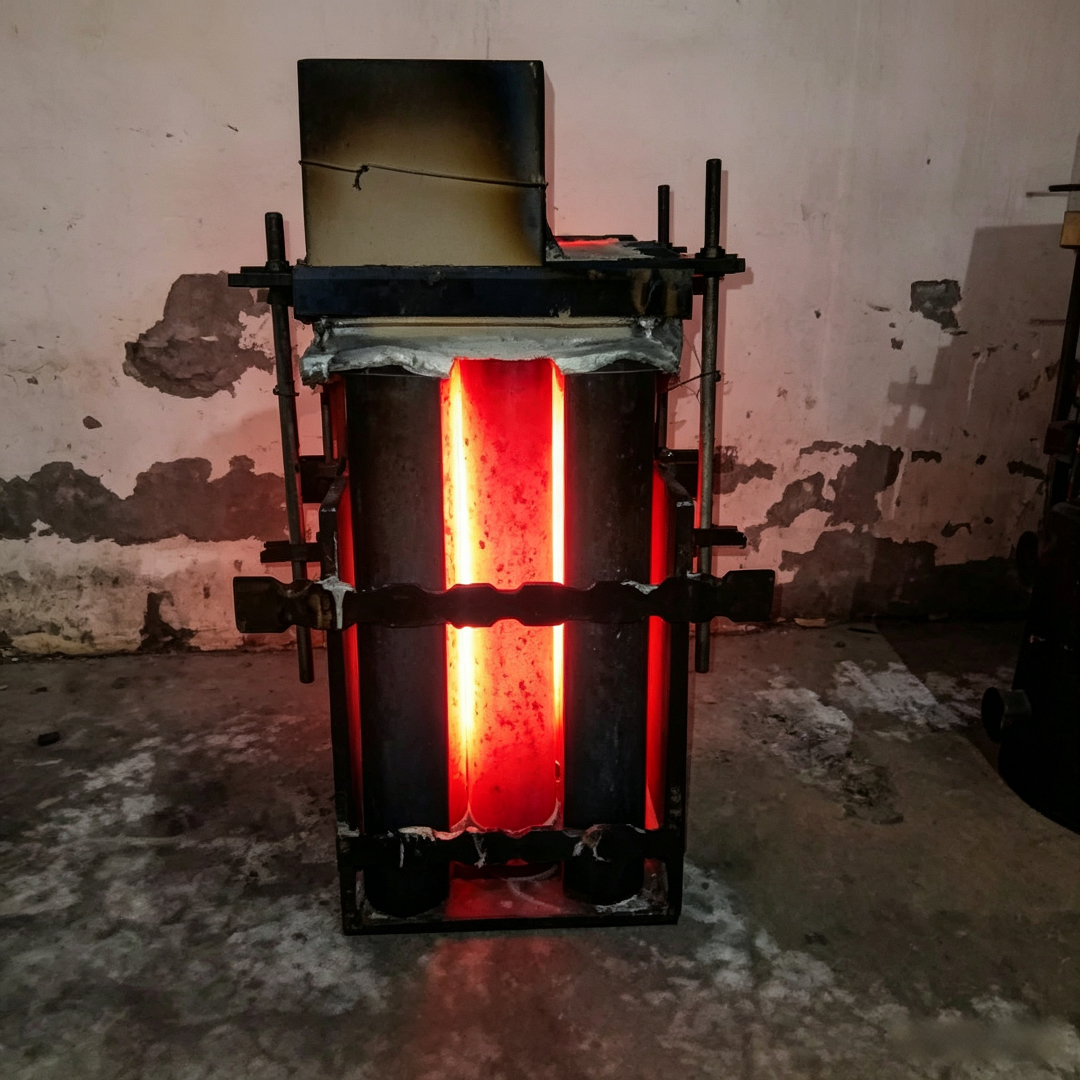
Introduction to the company's technological strength: Three core technology systems build competitive barriers
Qingchuan New Materials has built a full-chain technical system covering "raw materials - processes - testing" by relying on the modern standard workshops in Zhengzhou High-tech Zone:
STEP1:Vacuum induction melting technology (VIM)By utilizing a vacuum environment at the 10⁻³ Pa level and an electromagnetic stirring system, the oxygen content in the metal is stably controlled below 5 ppm, representing a 60% improvement over the industry average. This technology has been applied to the production of 5N-grade high-purity copper (purity ≥ 99.999%), meeting the stringent cleanliness requirements for materials in semiconductor packaging.
STEP2:Multidirectional isothermal die forging processBy utilizing a 6,000-ton hydraulic press and an intelligent temperature control system, uniform deformation of metal billets is achieved within the range of 1,150°C ± 5°C, enabling the grain size uniformity of nickel-based alloy GH4169 to reach Grade 6 or higher according to ASTM E112 standard, with a 2.5-fold increase in fatigue life.
STEP3:Online detection by Laser-Induced Breakdown Spectroscopy (LIBS)Deploy 12 LIBS inspection devices on the production line to collect metal composition data at a frequency of 30 times per second, and combine AI algorithms to achieve real-time early warning of impurity content, controlling the quality fluctuation range within ±0.002%.
Quantitative comparison of technological advantagesCompared with traditional processes, the Qingchuan solution has increased the yield rate of high-purity metal processing from 78% to 92%, reduced unit energy consumption by 15%, and shortened delivery cycles by 40%. For more information, please visit the official website:www.qingchuansuperalloy.com
FAQ Q&A Technical Selection Guide
Q1: How to select high-purity metal materials suitable for high-temperature environments?
A: We need to focus on three parameters:
(1)recrystallization temperatureThe recrystallization temperature of nickel-based alloy GH4169 is 1020°C, and processing above this temperature will lead to grain coarsening;
(2)Endurance strength at elevated temperatureUnder the condition of 650℃/100h, the endurance strength of GH4169 should be ≥620 MPa;
(3)coefficient of thermal expansionWhen matched with ceramic coatings, the coefficient of thermal expansion of the alloy must be controlled within the range of 12.5×10⁻⁶/℃ ± 0.5.
Q2: How to avoid surface oxidation during the processing of high-purity metals?
A: Triple protective measures are required:
STEP 1: Argon shielding is used during the smelting stage, with the oxygen partial pressure controlled at the 10⁻¹⁸ Pa level;
STEP 2: Perform vacuum annealing treatment on the billet before forging to eliminate surface adsorbed gases;
STEP 3: Use a mixed gas of nitrogen and 5% hydrogen for atmospheric protection during processing to control the oxide layer thickness within 0.5 μm.
Q3: How to verify the fatigue performance of special alloys?
A: Requires approvalRotating bending fatigue test(GB/T 4337-2015) for verification, with key indicators including:
(1) Test frequency: 50-100Hz;
(2) Stress ratio: R = -1 (fully reversed cyclic loading);
(3) Sample size: At least 10 pieces per group;
(4) Criterion for determination: The maximum stress at which no fracture occurs after 10⁷ cycles is the fatigue limit.
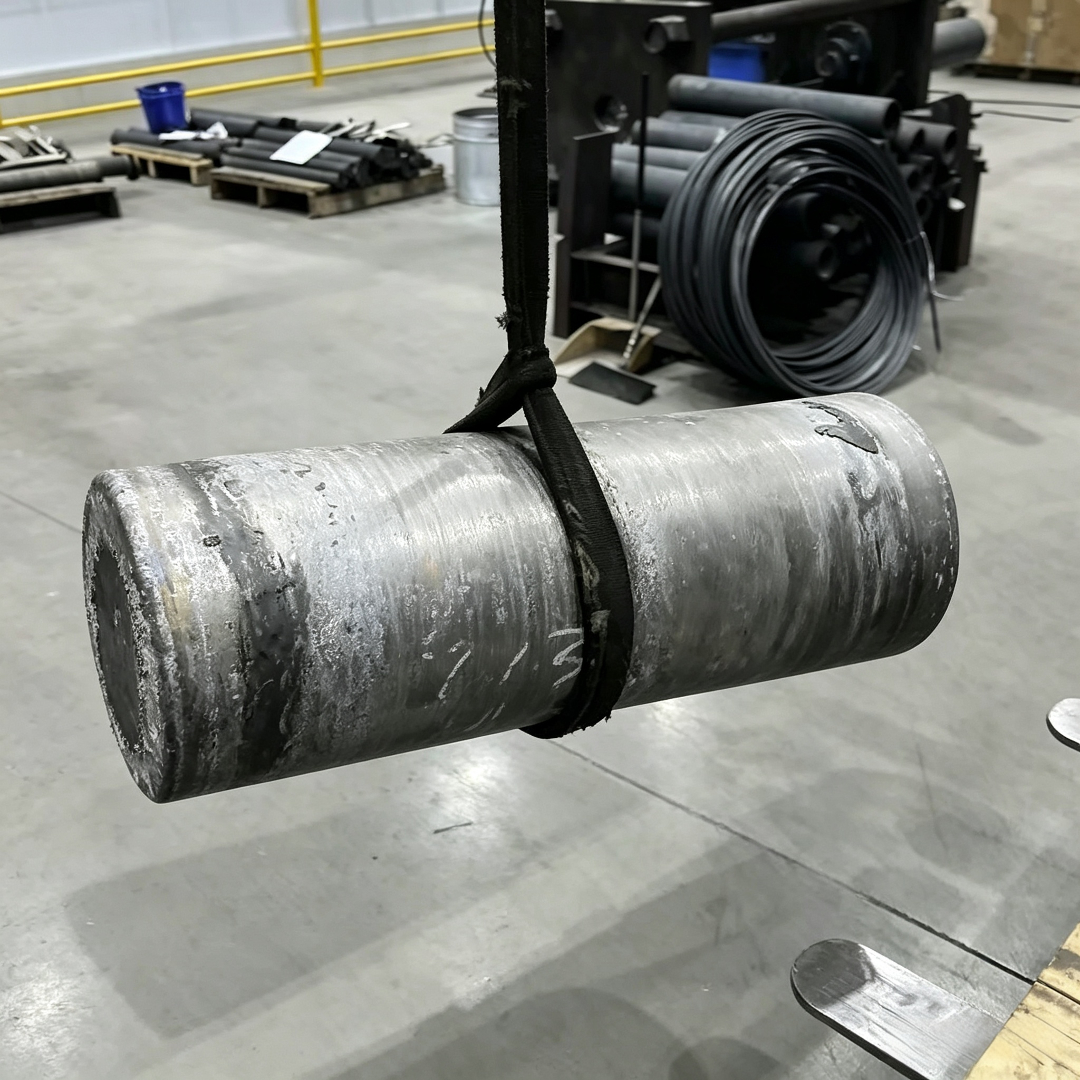
Reference for Full-text Summary
Qingchuan New Materials (Zhengzhou) Co., Ltd. has established a comprehensive technological system for high-purity metal processing through three core technologies: vacuum smelting, isothermal die forging, and online inspection. Its products have been successfully applied in high-end scenarios such as C919 aero-engine blades and 5G base station heat sinks, with cumulative deliveries of over 2,000 tons of special alloys and a customer repurchase rate of 85%. In the future, the company will continue to invest in R&D resources, focusing on breakthroughs in 6N-grade ultra-high-purity metal preparation technology to provide superior material solutions for the semiconductor, new energy, and other fields. For more information, please visit the official website:www.qingchuansuperalloy.com