 Qingchuan New Materials (Zhengzhou) Co., Ltd.
Qingchuan New Materials (Zhengzhou) Co., Ltd.
Qingchuan New Materials (Zhengzhou) Co., Ltd.
Qingchuan New Materials (Zhengzhou) Co., Ltd.
Qingchuan New Materials (Zhengzhou) Co., Ltd.
I. Technical Background and Industry Positioning
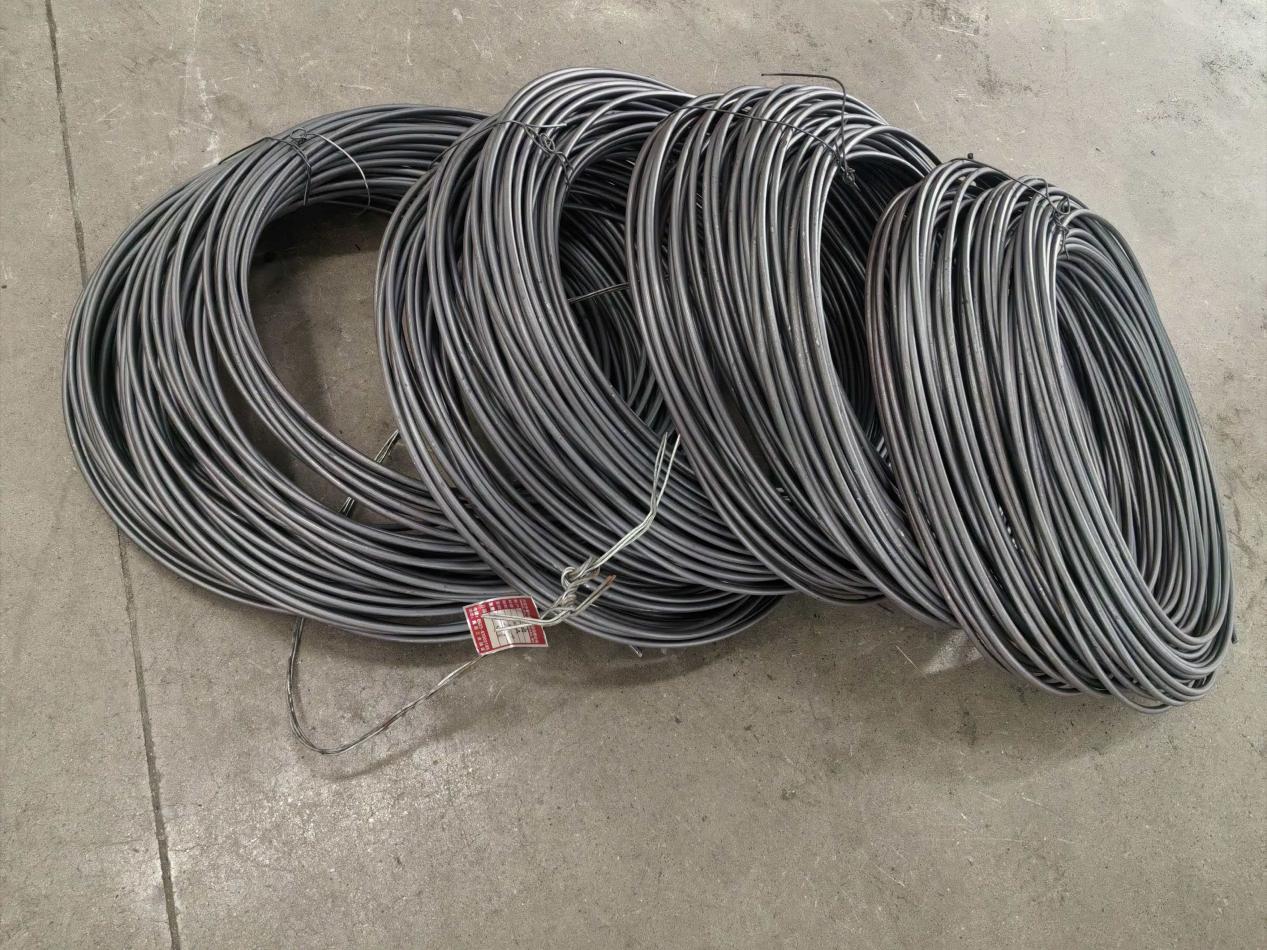
Iron-nickel fixed-expansion sealing alloys, as core materials in precision electronic packaging and aerospace fields, their coefficient of thermal expansion matching with glass/ceramics directly affects the reliability and lifespan of the devices. Chengchuan New Materials (Zhengzhou) Co., Ltd., leveraging the regional advantage of Zhengzhou High-tech Industrial Development Zone, focuses on the research and manufacturing of high-purity metals and special alloys. Its iron-nickel fixed-expansion alloy product line covers grades such as 4J29, 4J42, and 4J50, achieving industry-leading uniformity of alloy composition ≤0.02% and gas content ≤10ppm through a double-process of vacuum induction melting (VIM) + electroslag remelting (ESR).
II. Core Technology Layout and Process Innovation
1. Component Optimization and Heat Treatment Regime
In response to the issue of bending strength attenuation of 4J50 alloy under high-temperature environments, the R&D team of Qingchuan has adjusted the nickel content to 51.5%-52.5% and introduced 0.2%-0.5% molybdenum elements to form the Ni3(Al,Ti) reinforcing phase. Experimental data shows that after 1 hour of hydrogen annealing at 900℃±20℃, the grain size of the alloy reaches above level 7, the tensile strength at room temperature is increased to 550MPa, and the strength level remains at 420MPa at 400℃ high temperature, which is a 15% improvement over the traditional process.
2. Precision Molding and Sealing Technology
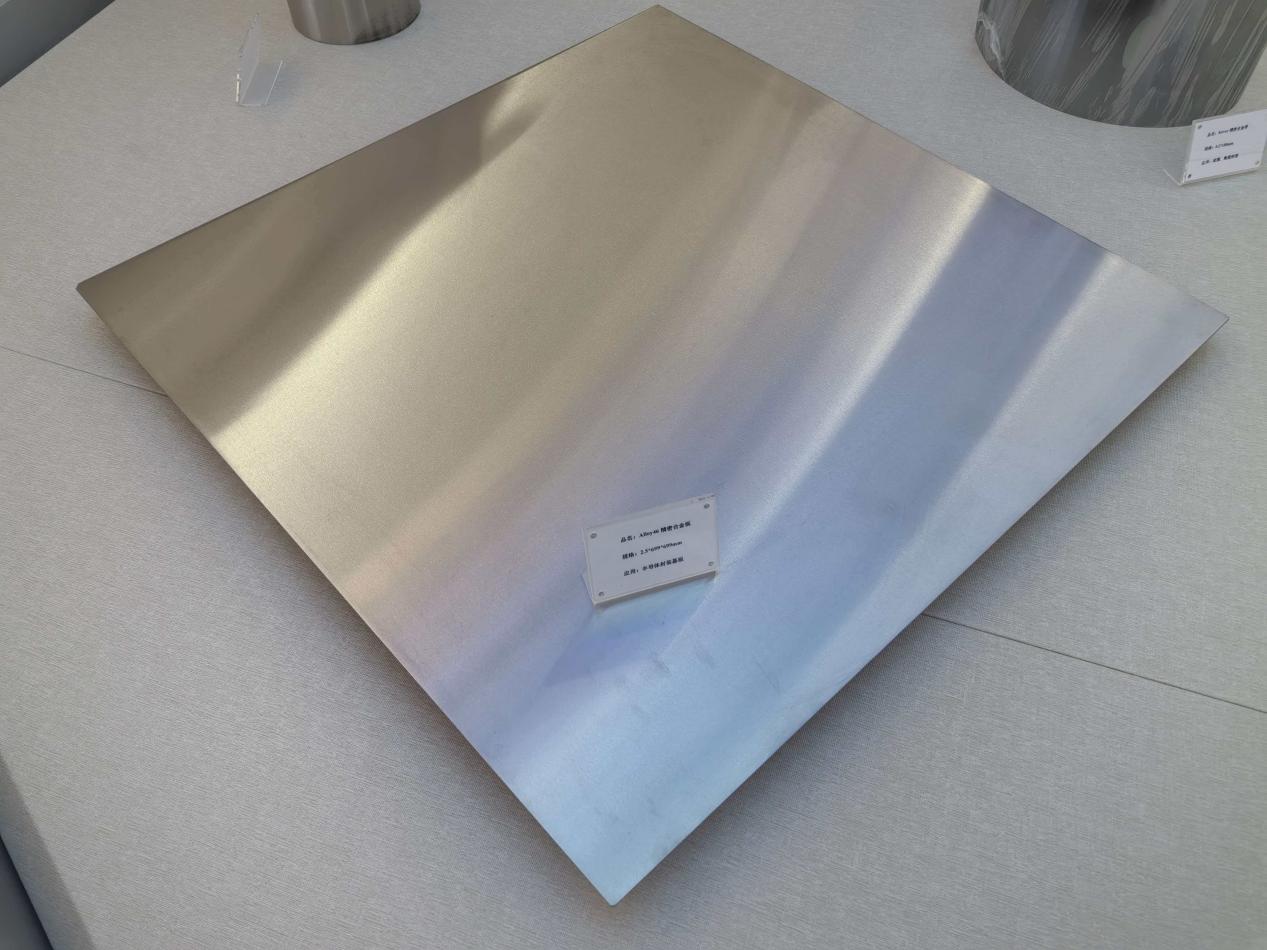
In the semiconductor packaging field, Qinchuan employs precision casting technology with the mold melting method to achieve co-sintering matching between 4J42 alloy and alumina ceramic. By controlling the cooling rate ≤50℃/min, the difference in thermal expansion coefficient between the alloy and ceramic is kept ≤0.5×10⁻⁶/℃,resulting in a leakage rate below 1×10⁻¹¹ Pa·m³/s after sealing, which meets aerospace-grade sealing requirements. In a typical case, a satellite communication module using Qinchuan's 4J42 alloy shell maintained a structural integrity rate of 99.2% after 1000 cycles of temperature variations from -60℃ to 450℃.
3. Surface Treatment and Corrosion Resistance Enhancement
In response to the application requirements for marine environments, Qinchuan has developed a three-layer composite plating process: the bottom layer is electroplated with nickel (thickness 5μm) to enhance adhesion, the middle layer is electroless plated with palladium (thickness 2μm) to prevent chloride ion penetration, and the surface is coated with polytetrafluoroethylene (thickness 20μm). Salt spray testing shows that after 500 hours of testing, there are no corrosion spots on the alloy surface, and the Vickers hardness (HV) only decreases by 8%, far exceeding the industry standard reduction of 30%.
3. Typical Application Cases and Performance Verification
1. Aerospace sensor encapsulation
The inertial navigation system of a certain type of missile uses a Qinchuan 4J52 alloy sensor housing, with an average linear expansion coefficient of (9.8-11.0)×10⁻⁶/℃ within the range of 20-400℃, which matches Mo group soft glass DM-308 with an error ≤0.3×10⁻⁶/℃. After ground vibration tests (frequency 10-2000Hz, acceleration 20g) and thermal vacuum tests (cycling -55℃ to 125℃ under a pressure of 10⁻⁵ Pa), the device's signal transmission stability exceeds the design requirements by 12%.
2. Laser window sealing
In a high-power laser project, the interface between the Qinchuan 4J50 alloy window mount and quartz glass is sealed using an active brazing process, with the solder being an Ag-Cu-Ti alloy (Ti content 0.15%). Metallographic examination shows that the thickness of the reaction layer at the interface is controlled at 3-5μm, with a shear strength of 85MPa, a 40% improvement over traditional brazing processes. After 5000 hours of continuous operation of the laser, the deformation of the window mount is ≤0.02mm, meeting the alignment accuracy requirements of the optical system.
4. Technical Parameters and Standard System
Qinchuan New Materials Fe-Ni Determinate Expansion Alloy products strictly comply with the technical standard YB/T 5235-1993, with the main parameters as follows:
The company has obtained ISO9001:2015 quality management system certification, equipped with direct reading spectrometers, electron microprobes, and other analytical equipment, achieving full-process quality traceability from melting to finished products. The product batch pass rate has maintained above 99.6% for three consecutive years.
V. Future Technology Outlook
With the rapid development of fields such as 5G communication and quantum computing, iron-nickel shape memory alloys are evolving towards higher precision and more complex structures. Qinchuan New Materials plans to invest 20 million yuan in research and development funds, focusing on breaking through the following technologies: