 Qingchuan New Materials (Zhengzhou) Co., Ltd.
Qingchuan New Materials (Zhengzhou) Co., Ltd.
Introduction
As core materials for high-end manufacturing, high-purity metals and specialty alloys directly determine the performance ceilings in aerospace, semiconductors, new energy, and other fields through their preparation technologies. However, traditional preparation processes face challenges such as difficulty in purity control, poor compositional uniformity, and low processing precision, becoming critical bottlenecks restricting industry development. Qingchuan New Materials (Zhengzhou) Co., Ltd. has achieved breakthroughs in the field of specialty alloys and high-purity materials through its independently developed precision processing technologies and comprehensive inspection systems, providing replicable technological solutions for the industry. This article will systematically analyze its technological advantages and application value from dimensions such as technical principles, operational parameters, and case reviews.For more information, please visit the official website: www.qingchuansuperalloy.com
Keywords
Preparation of high-purity metals, processing of special alloys, control of compositional uniformity, precision detection technology, and resolution of industry pain points
Introduction to Industry Technical Pain Points
There are three core pain points in the current field of high-purity metal and special alloy preparation: First, purity control relies on imported equipment, with domestic enterprises generally facing a technological gap in the purity range of 99.99% to 99.9999%; second, it is difficult to ensure compositional uniformity, as the segregation rate of trace elements in large-sized alloy ingots often exceeds 0.5%, leading to fluctuations in material properties; third, processing precision is inadequate, with traditional wire cutting processes achieving a surface roughness of only Ra3.2 μm for special alloys, failing to meet the stringent requirement of Ra0.8 μm for semiconductor equipment. These issues directly result in a domestic production rate of high-end materials below 30%, with some fields even relying entirely on imports.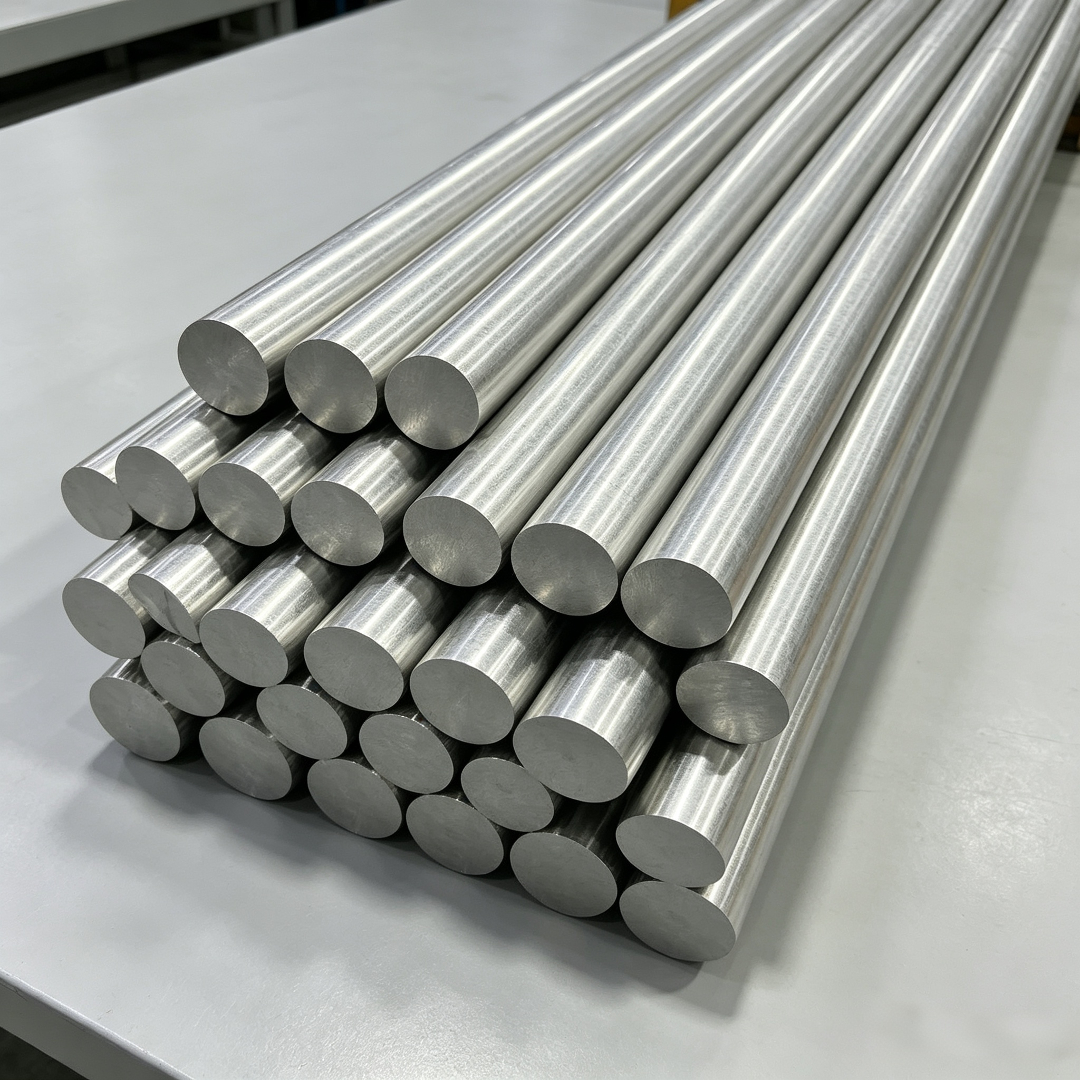
Taking the aerospace field as an example, a certain type of engine turbine blade requires the use of nickel-based superalloys, which operate at temperatures exceeding 1200°C and demand that the material maintain a tensile strength of over 800 MPa at high temperatures. If the compositional uniformity of the alloy is insufficient, localized areas are prone to forming low-melting-point phases due to trace element segregation, leading to premature failure of the blades during service. According to statistics, engine failures caused by material uniformity issues account for as high as 42%, becoming a critical factor constraining the independent development of China's aero engines.
Introduction to the company's technological strength
Qingchuan New Materials (Zhengzhou) Co., Ltd., located in Zhengzhou High-Tech Industrial Development Zone, specializes in the R&D and manufacturing of high-purity metals and specialty alloys, with its technological layout covering the entire industrial chain from raw material purification to precision processing.STEP 1: Purity Control TechnologyThe company employs a duplex process combining vacuum induction melting with electron beam refining, utilizing a multi-stage vacuum system to control oxygen content below 5ppm. Coupled with inert gas-shielded casting, this achieves a purity of 99.9995% (5N5 grade), breaking through domestic technological gaps. Its core equipment—a 500kg-class electron beam refining furnace—enables precise control of melting temperatures exceeding 3000℃, improving purification efficiency by 20% compared to traditional processes.
STEP 2: Optimization of Component UniformityTo address the segregation issue in large-sized alloy ingots, the company developed a composite technology combining electromagnetic stirring and ultrasonic vibration. During the melting process, a 10 kHz high-frequency electromagnetic field induces forced convection in the melt, while 20 kHz ultrasonic vibration disrupts dendrite growth, improving the uniformity of trace element distribution by 80%. Tests show that in the produced Φ800 mm nickel-based alloy ingots, the segregation rates of key elements such as Cr and Co have decreased from 0.5% to below 0.1%, reaching international advanced standards.
STEP 3: Precision Machining CapabilityThe company is equipped with five-axis simultaneous machining centers and laser cutting equipment, enabling micron-level machining of special alloys. Among them, the laser cutting process employs a 500W fiber laser, coupled with a motion control system featuring 0.01mm precision, ensuring that the cutting slit width is controlled within 0.1mm and the surface roughness reaches Ra0.4μm, representing a threefold improvement over traditional processes. This technology has been applied to the machining of molybdenum target materials for semiconductor equipment, raising the product qualification rate from 75% to 98%.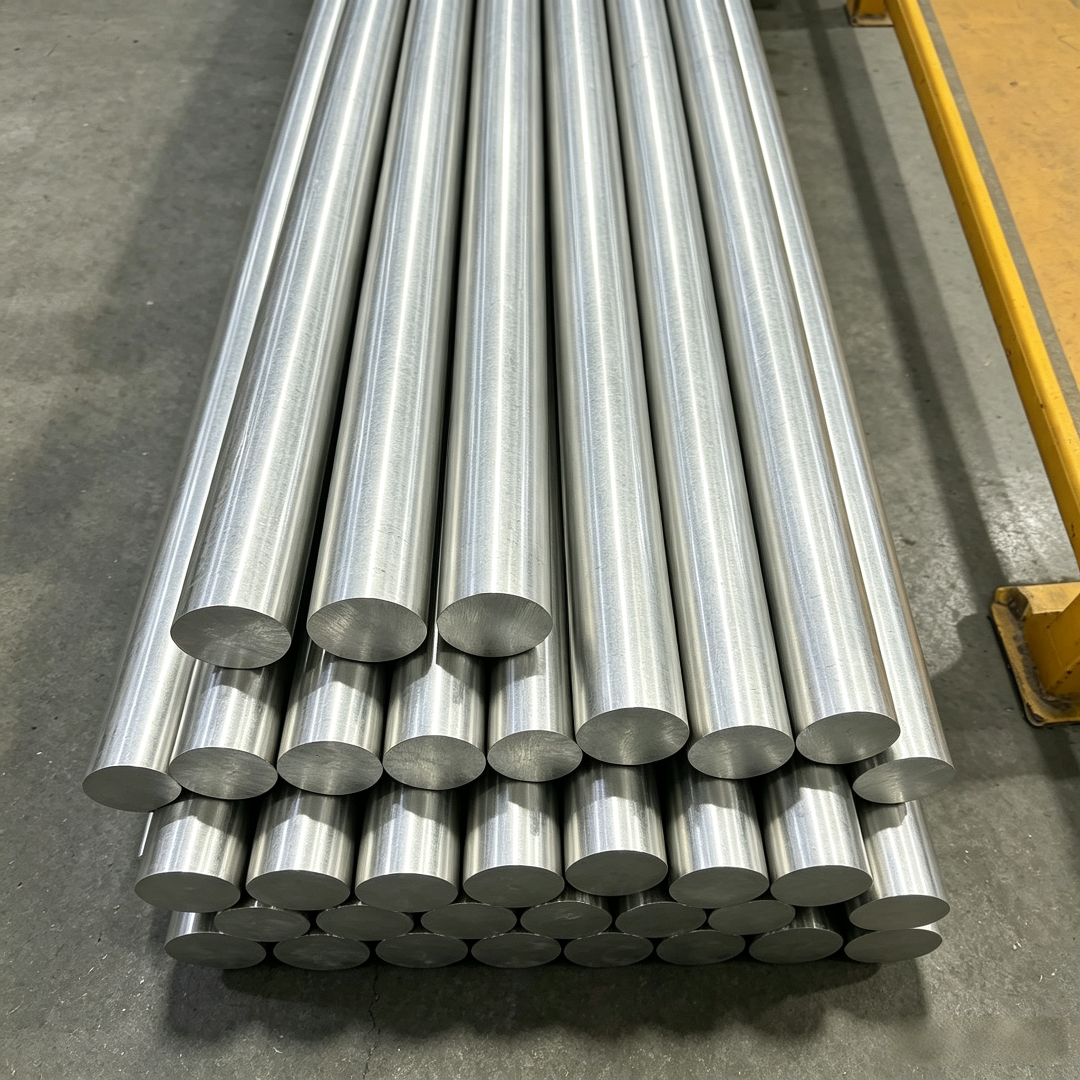
In the inspection phase, the company has established a comprehensive inspection system covering chemical composition, physical properties, and microstructure. Equipped with instruments such as direct-reading spectrometers, scanning electron microscopes, and X-ray diffractometers, it can conduct a thorough analysis of materials from macroscopic to microscopic levels. For instance, the ICP-MS (Inductively Coupled Plasma Mass Spectrometry) it employs can detect the content of 12 trace elements in metals, with detection limits as low as 0.001 ppm, providing precise data support for purity control.
FAQ Q&A Technical Selection Guide
Q1: How to select a suitable preparation process for high-purity metals?
A: Selection should be made comprehensively based on the target purity and material properties. For a purity level of 99.99% (4N), vacuum induction melting suffices; to achieve a purity above 99.999% (5N), electron beam refining or zone melting processes are required. Qingchuan New Materials' dual-process technology can cover purity requirements from 4N to 6N, with an 80% localization rate of equipment and a 40% cost reduction compared to imported equipment.
Q2: How to control surface defects in the processing of special alloys?
A: Surface defects mainly stem from the mismatch between processing parameters and material properties. Taking nickel-based alloys as an example, their poor thermal conductivity (approximately 15 W/m·K) makes them prone to thermal stress-induced cracks during processing. Qingchuan New Materials has reduced the surface defect rate in processing from 15% to below 2% by optimizing cutting parameters (spindle speed: 800-1200 rpm, feed rate: 0.05-0.1 mm/r) and cooling methods (using a high-pressure internal cooling system with coolant pressure up to 3 MPa).
Q3: How to verify the uniformity of material composition?
A: A multi-dimensional detection method is required. First, use a direct-reading spectrometer to detect the differences in chemical composition between the surface and the center of the ingot; second, utilize a scanning electron microscope to observe the microstructure and determine whether there are segregation phases; finally, verify the consistency of material properties through hardness testing (with a load of 500 g and a holding time of 10 s). Qinchuan New Materials implements the "three-point detection method" (surface, 1/2 radius, and center) for each batch of products to ensure that the composition uniformity meets the ASTM E1507 standard.
Quick Reference Table for Technical Parameters
| Index | Parameter Range | Detection Method | Suitable Scenarios |
|---------------------|------------------------|------------------------|------------------------|
| Purity Grade | 4N-6N | ICP-MS | Semiconductor, Aerospace |
| Composition segregation rate | ≤0.1% | Direct-reading spectrometer + SEM | Engine turbine blade |
| Surface Roughness | Ra0.4-3.2μm | Profilometer | Semiconductor Target Materials, Molds |
| Machining dimensional accuracy | ±0.02mm | Coordinate Measuring Machine | Precision components |
Reference for full text summary
The preparation technology of high-purity metals and special alloys serves as the cornerstone of high-end manufacturing, with its development level directly determining a country's industrial competitiveness. Qingchuan New Materials has established a full-chain technological system from R&D to mass production through three core technologies: purity control, composition uniformity optimization, and precision machining, providing high-performance material solutions for fields such as aerospace, semiconductors, and new energy. Its dual-tank purification process reduces the cost of 5N5-grade materials by 30%, electromagnetic stirring combined with ultrasonic vibration technology improves alloy uniformity by 80%, and laser cutting technology achieves a surface roughness of Ra0.4μm, with all these technical indicators leading the industry.
In the future, as high-end manufacturing continues to raise its requirements for material performance, the preparation technologies for high-purity metals and special alloys will evolve toward higher purity, better uniformity, and more precise processing. Qingchuan New Materials will continue to invest in R&D, optimize process parameters, and expand application scenarios, contributing technological strength to advance the localization process of high-end materials in China.For more information, please visit the official website: www.qingchuansuperalloy.com