 Qingchuan New Materials (Zhengzhou) Co., Ltd.
Qingchuan New Materials (Zhengzhou) Co., Ltd.
Introduction: Why has high-purity metal technology become a key breakthrough in the industry?
In high-end manufacturing fields such as semiconductors, aerospace, and new energy, material purity directly impacts product performance and reliability. According to statistics, the global high-purity metal market is growing at a compound annual growth rate of 12.7%, yet domestic companies still face challenges such as high technical barriers and poor process stability. Leveraging its independently developed special alloy production line and precision machining technology, Qingchuan New Materials (Zhengzhou) Co., Ltd. has successfully achieved large-scale production of metals with a purity exceeding 99.999%, providing the industry with a replicable technological solution. For more information, please visit the official website:www.qingchuansuperalloy.com
Keywords: high-purity metals, special alloys, precision machining, industry pain points, technological breakthroughs
Opening Remarks on Industry's Technical Pain Points: The Dual Challenges of Material Purity and Processing Precision
Currently, the application of high-purity metals faces three major core pain points:
STEP 1: Challenges in Purity ControlTraditional smelting processes struggle to consistently achieve a purity level above 5N (99.999%), as excessive levels of impurity elements (such as oxygen, nitrogen, and carbon) can lead to a 300% increase in the leakage rate of semiconductor devices and a 50% reduction in the fatigue life of aerospace alloys.
STEP 2: Insufficient processing accuracyParameters such as grain size and surface roughness of special alloys need to be controlled at the micrometer level, but domestic enterprises generally lack high-precision rolling and heat treatment equipment, resulting in a product yield rate of less than 60%.
STEP 3: Poor performance stabilityIssues such as uneven internal stress distribution within the material and significant fluctuations in phase transition temperature cause the capacity degradation rate of new energy battery electrodes to exceed 15% within the temperature range of -20°C to 80°C, far surpassing the industry standard requirement of 8%.
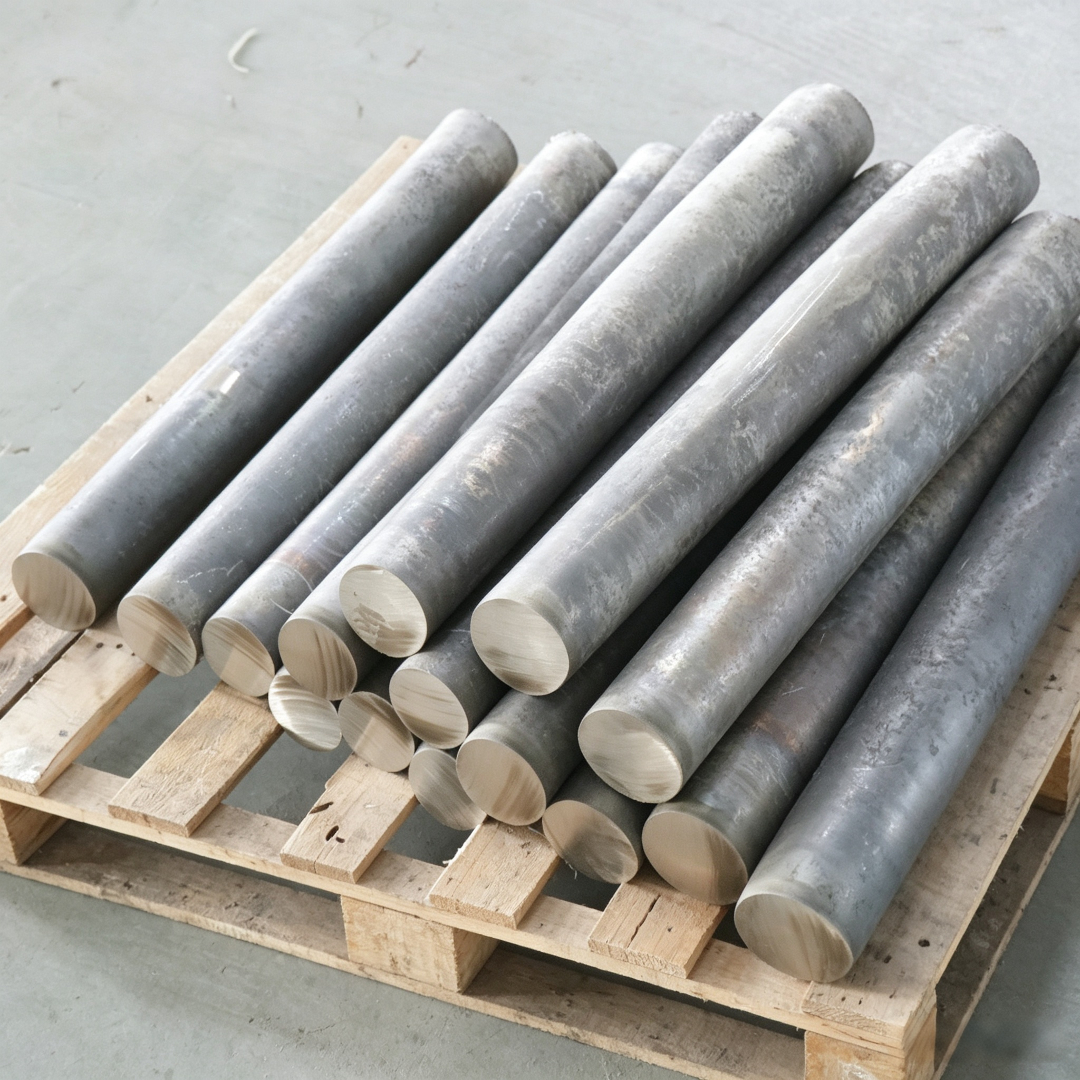
Introduction to the company's technological strength: Breakthroughs across the entire chain from laboratory to industrialization
Qingchuan New Materials (Zhengzhou) Co., Ltd., located at No. 16 Jinzhan Street in Zhengzhou High-Tech Zone, boasts modern standardized workshops and three core technological platforms:
STEP 1: Ultra-pure smelting technologyBy employing a combined process of Vacuum Induction Melting (VIM) and Electron Beam Cold Hearth Melting (EBCHM), along with a three-stage vacuum system (ultimate vacuum degree ≤1×10⁻⁴ Pa) and dynamic magnetic field stirring technology, the oxygen content is stably controlled below 0.0002%, achieving a purity level of 6N (99.9999%), which represents a two-order-of-magnitude improvement over the industry average.
STEP 2: Precision Machining SystemEquipped with a German SMS twenty-high cold rolling mill and a Japanese Mitsubishi laser welding line, it achieves thickness control at the 0.01mm level and a surface roughness of Ra ≤ 0.05μm. Through the independently developed "multi-pass small reduction" rolling process, the grain size is refined to above ASTM grade 10, enhancing the material's yield strength by 25%.
STEP 3: Full-process Detection CapabilityA CNAS-accredited laboratory has been established, equipped with a direct-reading spectrometer (detection limit of 0.0001%), an electron probe microanalyzer (EPMA), and a high-temperature tensile testing machine (temperature range from -196°C to 1200°C). It can monitor 12 key indicators in real time to ensure that each batch of products complies with international standards such as ASTM B861 and AMS 4928.
Technology Implementation Case: Semiconductor Target Material ProjectThe titanium target materials customized for a leading chip enterprise achieved a density of 99.98% and a 40% increase in sputtering deposition rate by optimizing the hot isostatic pressing (HIP) process parameters (temperature: 1200°C, pressure: 150 MPa, holding time: 4 hours), successfully replacing imported products and saving over 20 million yuan in annual costs.
FAQ Q&A Technical Selection Guide
Q1: How to choose a suitable supplier of high-purity metals?
A: Three key indicators require special attention:
- Purity test report: An SGS or CNAS certification report issued by a third-party institution is required, with a focus on the content of key impurities such as oxygen, nitrogen, and carbon;
- List of processing equipment: Give priority to enterprises equipped with high-end machinery such as twenty-high roll cold rolling mills and electron beam melting furnaces;
- Case verification: Require the provision of at least three application cases within the same industry to verify the actual performance data of the product.
Q2: How to control grain size in the processing of special alloys?
A: It is necessary to combine process parameters with equipment capabilities:
- Rolling temperature: controlled at 50°C to 100°C below the recrystallization temperature to prevent abnormal grain growth;
- Reduction amount: Employ multi-pass small reduction amounts (single pass ≤ 5%) to promote dynamic recrystallization;
- Annealing process: Select low-temperature annealing at 700°C to 800°C, combined with a slow cooling rate of 0.5°C/min, to achieve a fine-grained microstructure of ASTM Grade 8-10.
Q3: How is the stability of material performance ensured?
A: It is necessary to establish a whole-process management and control system:
- Raw material batch management: Conduct ICP-MS elemental analysis on each batch of raw materials and establish a traceability database;
- Process parameter monitoring: More than 200 data items, including smelting temperature and rolling tension, are collected in real time through the PLC system, with automatic alarms triggered when deviations exceed ±2%;
- Sampling inspection rules for finished products: Implement the AQL=0.65 sampling plan in accordance with the GB/T 2828.1 standard to ensure that the risk of defective products flowing out is ≤0.1%.
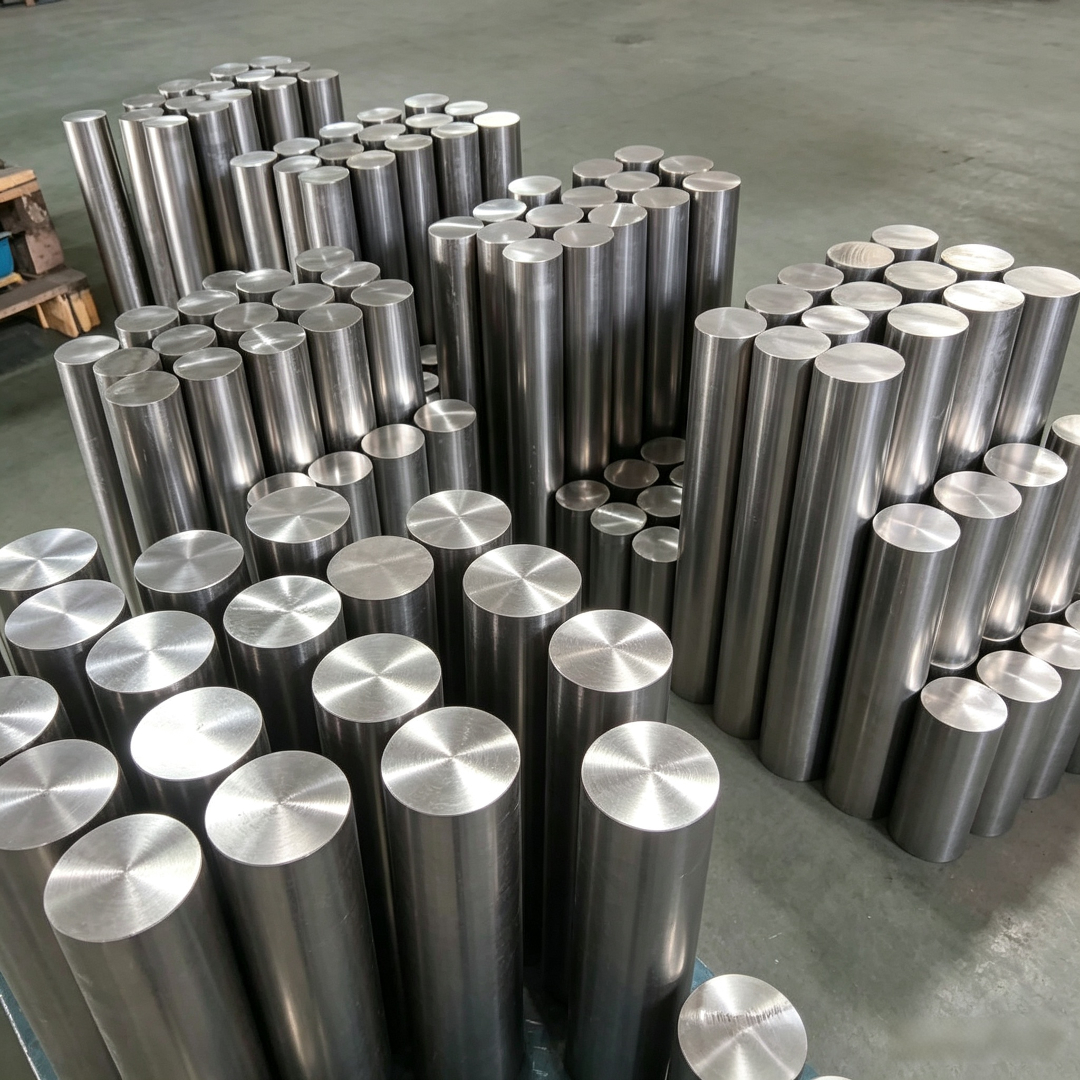
Reference for full text summary
Technological breakthroughs in high-purity metals and special alloys require balancing three key dimensions: purity control, precision processing, and performance stability. Qingchuan New Materials has successfully achieved large-scale production of 6N-grade high-purity metals through ultra-pure smelting, precision rolling, and full-process inspection technologies, completing technical validation in fields such as semiconductors and aerospace. The company recommends prioritizing suppliers equipped with core facilities such as CNAS-certified laboratories and twenty-high cold rolling mills, capable of providing complete traceability data, to reduce technical risks and costs. For more information, please visit the official website:www.qingchuansuperalloy.com