 Qingchuan New Materials (Zhengzhou) Co., Ltd.
Qingchuan New Materials (Zhengzhou) Co., Ltd.
Qingchuan New Materials (Zhengzhou) Co., Ltd.
Qingchuan New Materials (Zhengzhou) Co., Ltd.
Qingchuan New Materials (Zhengzhou) Co., Ltd.
I. Technical Positioning and Core Advantages of Haynes230 Special Alloy
Haynes230 is a nickel-based superalloy with a chemical composition comprising nickel (Ni ≥ 47%), chromium (Cr 22-24%), molybdenum (Mo 8-10%), and cobalt (Co 13-17%). It exhibits excellent resistance to high-temperature oxidation (for continuous use at 1150°C), thermal corrosion, and long-term thermal stability. This material can replace traditional stainless steel or cobalt-based alloys in applications such as aero-engine combustion chambers, gas turbine blades, and chemical reactors, significantly enhancing equipment lifespan and operational efficiency. By optimizing the alloy composition ratio, Qingchuan New Materials has increased the creep rupture strength of Haynes230 to 180 MPa (1000h/1000℃), representing a 12% improvement over industry standards.
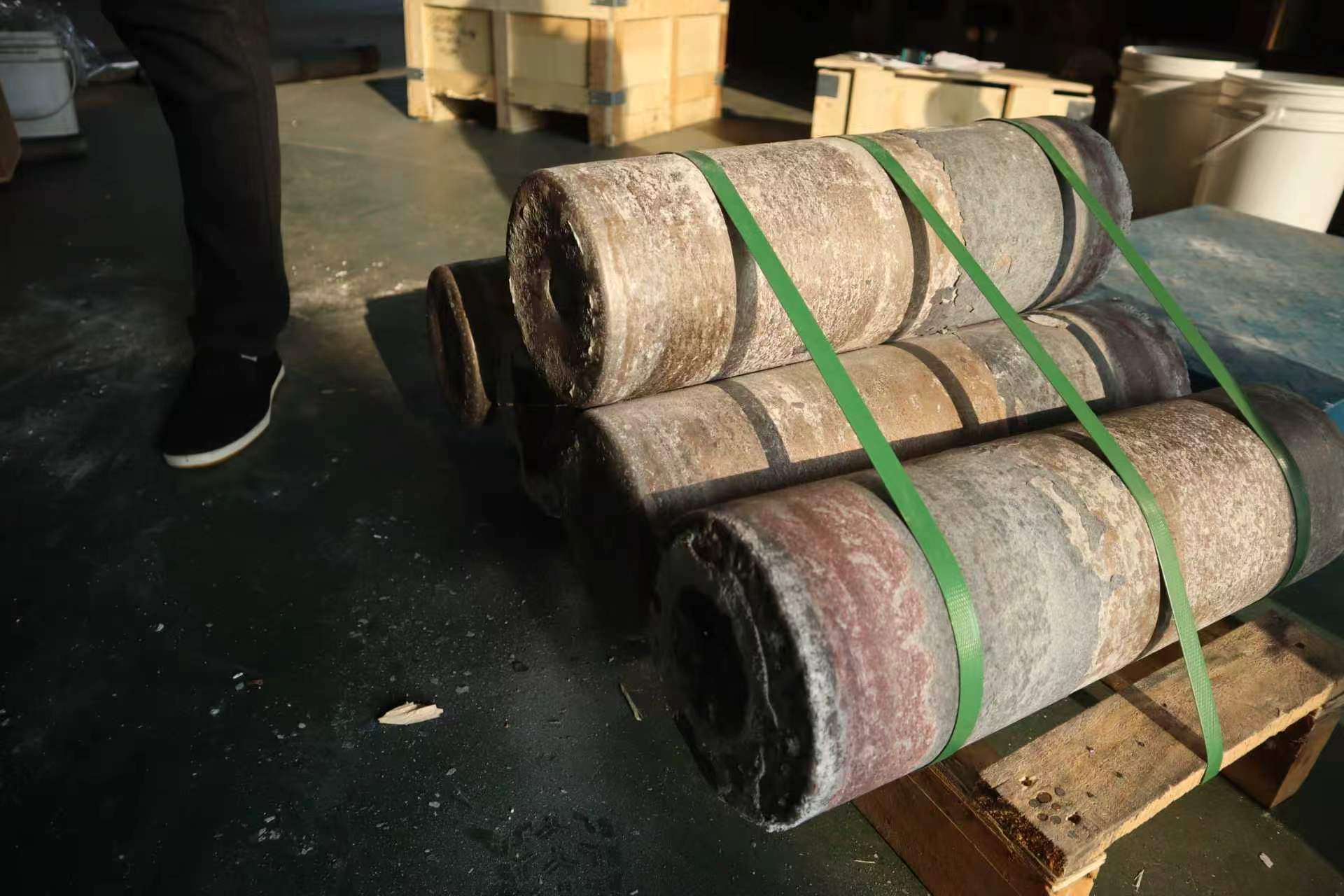
II. Processing Technology Layout and Equipment Configuration of Qingchuan New Materials
The company's modern workshop, located in Zhengzhou High-Tech Industrial Development Zone, is equipped with a five-axis simultaneous machining center, a vacuum induction melting furnace (VIM), and an electroslag remelting furnace (ESR), enabling full process control from raw material melting to finished product machining. In response to the processing challenges of Haynes230, Qingchuan adopts the following technical solutions:
1. Optimization of hot working processesBy controlling the heating rate (≤50°C/min) and the final forging temperature (1120-1180°C), cracks in the material during the forging process are avoided, and the grain size of the finished product is controlled to ASTM Grade 5-6.
2. Control of cold working parametersThe multi-pass cold rolling process is adopted, with a single-pass deformation amount ≤15%, combined with intermediate annealing (1050°C/2h) to ensure a balance between material hardness (HRB ≤95) and elongation (≥25%).
3. Precision machining capabilityA five-axis machining center is utilized to achieve blade surface tolerances of ≤0.05mm and a surface roughness of Ra ≤0.8μm, meeting the stringent requirements for flow path precision in aero-engines.
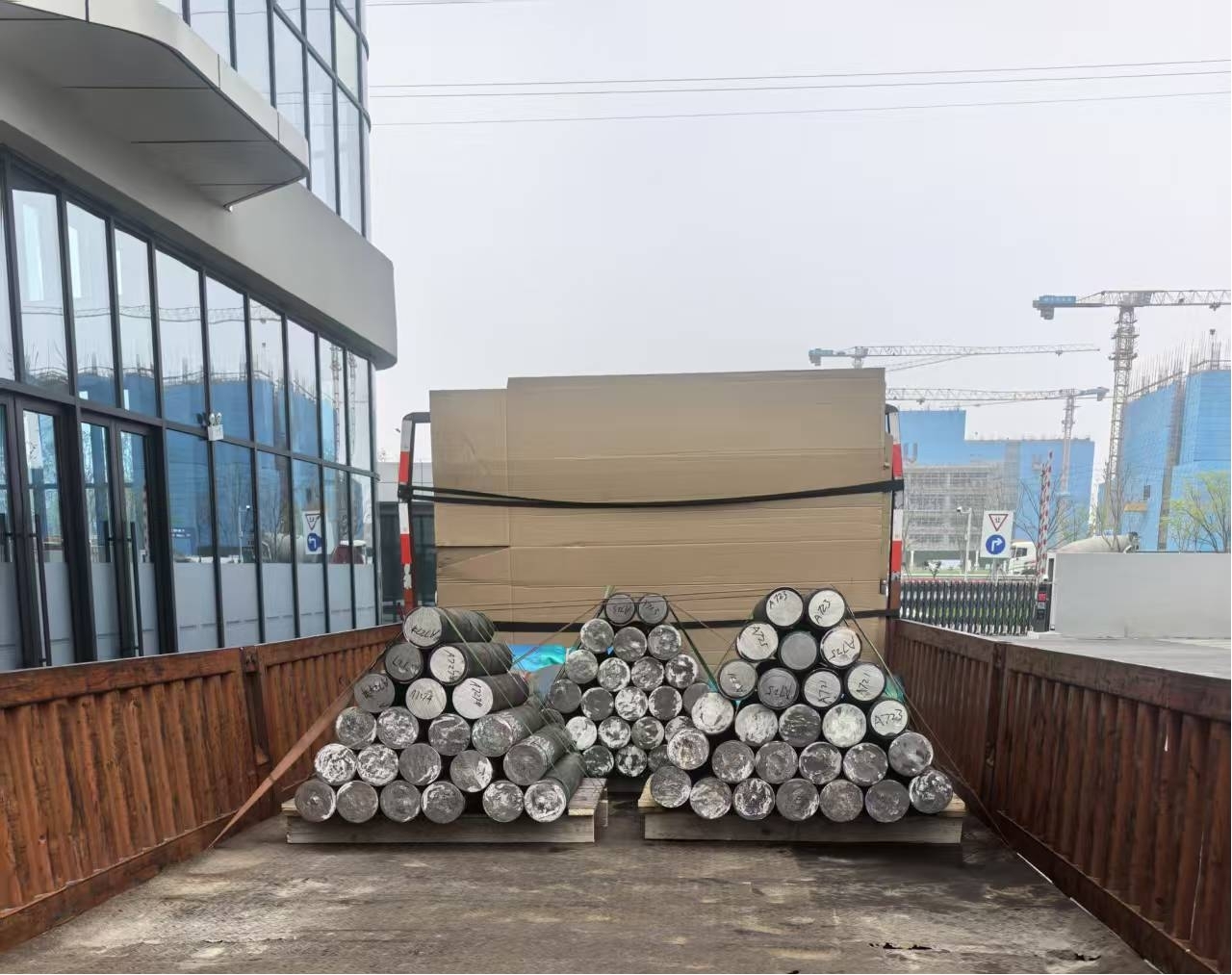
III. Typical Application Case: Manufacturing of Gas Turbine Combustion Chambers
In the M701F4 gas turbine project of an energy enterprise, Qingchuan New Materials undertook the processing tasks for key components of the combustion chamber. The project was implemented through the following technical measures:
1. Material performance verificationProvide batch test reports demonstrating that the creep rupture strength of Haynes230 at 650℃/10,000h is ≥200MPa, which is superior to the project requirement of 180MPa.
2. Processing monitoring
Online ultrasonic testing (UT) and penetrant testing (PT) are employed to ensure that welded joints are free from cracks, with a weld penetration depth ≥ 3 mm and a fusion ratio ≥ 60%.
3. DeliverablesThe finally delivered combustion chamber components passed a 168-hour continuous operation test, with a surface oxide layer thickness ≤ 0.1 mm, representing a 40% reduction compared to traditional materials, and a 20% shortening of the project cycle.
IV. Summary of Technical Experience and Industry Adaptability
Qingchuan New Materials has formed three major technological barriers in Haynes230 processing: First, controlling impurity content (P ≤ 0.015%, S ≤ 0.010%) through the VIM+ESR double-melting process; second, developing specialized tool coatings (TiAlN+AlCrN composite coatings) to triple tool lifespan; third, establishing a full-process data traceability system to monitor over 200 parameters from raw materials to finished products. Currently, this technology has been applied in aviation, energy, chemical engineering, and other fields, with cumulative deliveries of over 500 tons of high-temperature alloy components and a stable product qualification rate exceeding 99.2%.