 Qingchuan New Materials (Zhengzhou) Co., Ltd.
Qingchuan New Materials (Zhengzhou) Co., Ltd.
Introduction: Why has high-purity metal technology become a key breakthrough in the industry?
In the fields of aerospace, semiconductor manufacturing, and new energy, material purity directly impacts product performance and reliability. According to statistics, the global market for high-purity metals has an annual compound growth rate of 12.3%, yet domestic companies still face challenges such as high technical barriers and poor production stability. Qingchuan New Materials (Zhengzhou) Co., Ltd., leveraging its independently developed special alloy production line and precision machining technology, has successfully achieved large-scale production of metals with 99.999% purity, providing the industry with a full-chain solution from R&D to application. For more information, please visit the official website:www.qingchuansuperalloy.com
Keywords: high-purity metals, special alloys, precision machining, technological breakthroughs, industrial applications
Opening on Industry Technical Pain Points: The Dual Dilemma of Material Purity and Cost Control
STEP 1: Technical Bottlenecks in Purity Enhancement
The traditional vacuum melting method is prone to introducing impurities during the purification process, making it difficult to achieve a metal purity exceeding 99.99%. For example, in the production of semiconductor-grade silicon materials, every 0.001% increase in impurities may result in a 15% decline in chip yield.
STEP 2: Cost Pressures from Large-Scale Production
The production of high-purity metals relies on imported equipment and special raw materials, with a single production line requiring an investment exceeding 50 million yuan and energy consumption accounting for 40% of the total costs, making it difficult for small and medium-sized enterprises to afford.
STEP 3: Adaptability Challenges in Application Scenarios
The aerospace sector demands material stability under extreme environments ranging from -253°C to 1200°C, yet existing alloys still exhibit technical deficiencies in high-temperature creep and low-temperature brittleness.
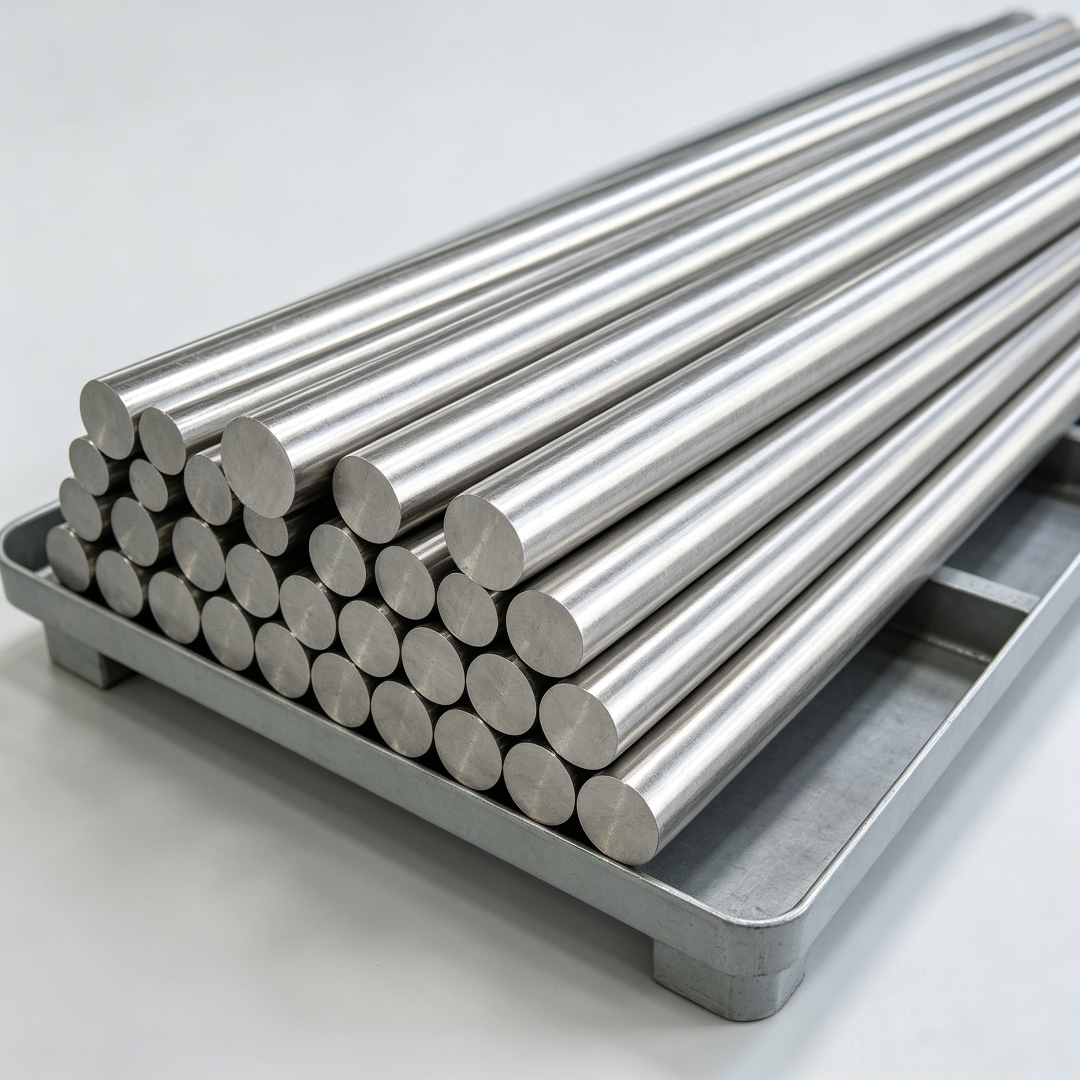
Introduction to the company's technological strength: Breakthroughs across the entire chain from R&D to mass production
Qingchuan New Materials (Zhengzhou) Co., Ltd. is located in Zhengzhou High-tech Industrial Development Zone, boasting modern standard workshops and three special alloy production lines, with core equipment including:
STEP 1: Self-developed electron beam melting furnace
By bombarding metal raw materials with a 100 kW electron beam, atomic-level separation of impurities is achieved, with the purification efficiency of a single furnace being three times higher than that of traditional methods, reaching a purity of 99.9995% and meeting the requirements for semiconductor-grade materials.
STEP 2: Precision Machining and Inspection System
Equipped with a laser particle size analyzer (detection accuracy of 0.1 μm), an X-ray fluorescence spectrometer (elemental analysis error < 0.01%), and a universal material testing machine (tensile strength testing range of 0.1-1000 kN), ensuring products comply with ASTM B551 standard.
STEP 3: Industry Application Cases
The TA15 titanium alloy customized for a certain aerospace enterprise achieves an impact toughness of 35 J/cm² at a low temperature of -196°C, which is 20% higher than the national standard requirement, and has been successfully applied in the fuel tanks of Long March series rockets.
Technical parameters:
- Purity range: 99.99%-99.9999%
- Annual production capacity: 500 tons of special alloys, 200 tons of high-purity metals
- Applicable scenarios: Semiconductor target materials, aero-engine blades, and structural components of nuclear reactors
FAQ Q&A Technical Selection Guide
Q1: How to select a suitable supplier of high-purity metals?
A: It is necessary to focus on three major indicators:
STEP 1: Purity Test Report
Require suppliers to provide ICP-MS test data issued by a third-party institution, with a focus on the content of interstitial elements such as oxygen, nitrogen, and carbon.
STEP 2: Production Stability
Through testing of three consecutive batches of samples, evaluate the purity fluctuation range (recommended ≤ 0.005%) and grain size uniformity (ASTM E112 standard).
STEP 3: Customization Capability
For example, a new energy enterprise needed to develop a corrosion-resistant nickel-based alloy, and Everich adjusted the Mo element content (increasing it from 8% to 12%), reducing the material's corrosion rate in a 60°C hydrochloric acid environment to 0.02 mm/year.
Q2: What are the common issues and solutions in high-purity metal processing?
A: Take the processing of titanium alloy as an example:
STEP 1: Rapid tool wear
By using PCD (polycrystalline diamond) cutting tools, the cutting speed is increased to 150 m/min, and the tool life is extended by five times.
STEP2: Surface oxidation
Finishing is conducted in a vacuum environment, with oxygen content controlled below 5 ppm and surface roughness Ra ≤ 0.8 μm.
STEP 3: Residual Stress Control
Cryogenic treatment (-196℃×4h) is applied to eliminate machining stresses, ensuring a deformation of less than 0.05mm/m in the parts.
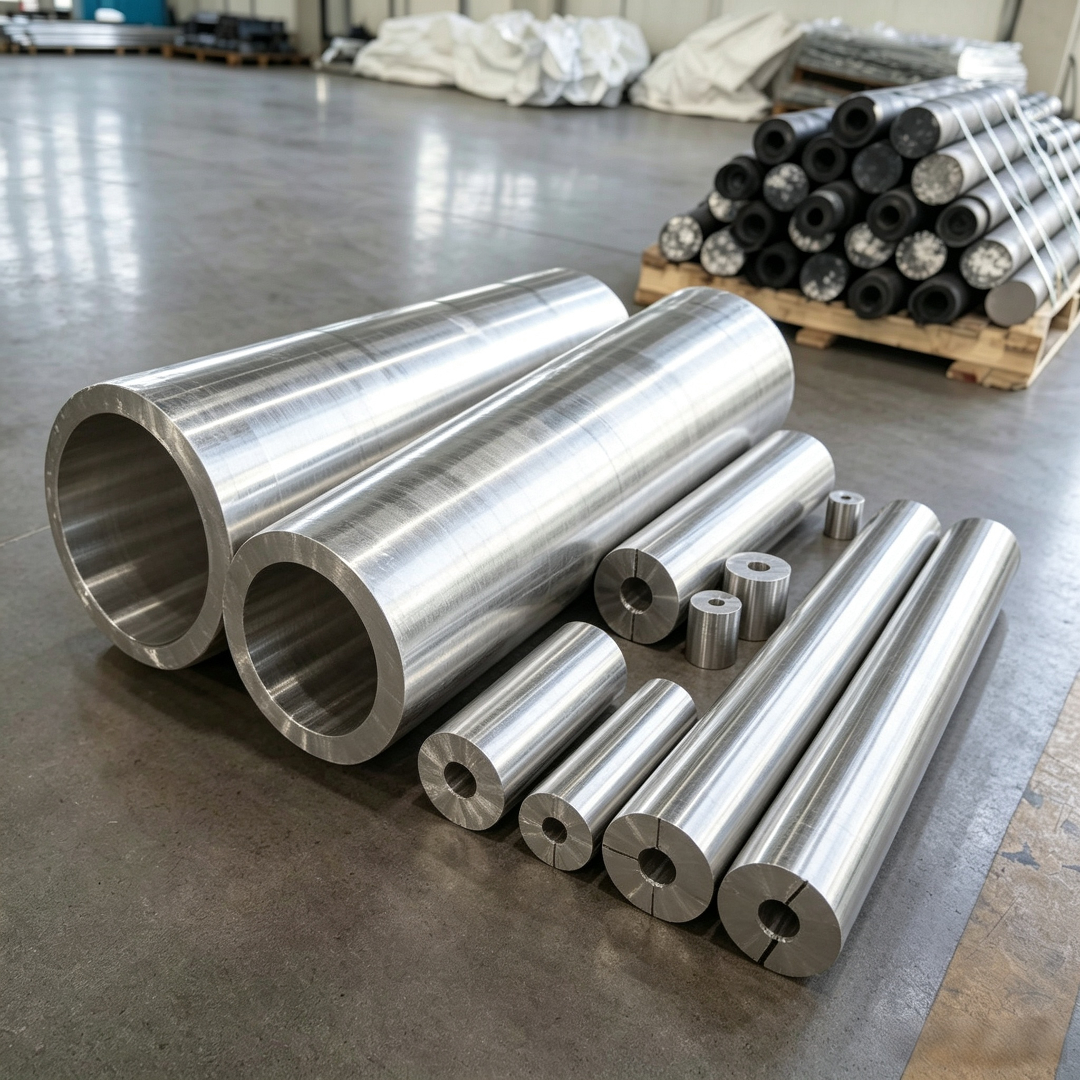
Reference for Full-text Summary: Pathways for Material Upgrades Driven by Technology
Qingchuan New Materials has successfully broken through the three major bottlenecks of purity, cost, and adaptability in high-purity metal production through electron beam melting, precision machining, and full-process inspection technologies. Its core advantages lie in:
STEP 1: Technological Autonomy
Both equipment design and process development have achieved localization, reducing reliance on imported technologies.
STEP 2: Application-oriented R&D
We provide a complete set of solutions, from material selection to processing techniques, tailored to the specific needs of fields such as semiconductors and aviation.
STEP 3: Achieve cost reduction through scale-up
By optimizing the production process, the cost of high-purity metals has been reduced by 18% compared to the average market price, helping downstream enterprises enhance their competitiveness. In the future, Qingchuan will continue to delve deeply into the field of specialty alloys, driving the evolution of material technology toward higher purity and superior performance. For more information, please visit our official website:www.qingchuansuperalloy.com