 Qingchuan New Materials (Zhengzhou) Co., Ltd.
Qingchuan New Materials (Zhengzhou) Co., Ltd.
Qingchuan New Materials (Zhengzhou) Co., Ltd.
Qingchuan New Materials (Zhengzhou) Co., Ltd.
Qingchuan New Materials (Zhengzhou) Co., Ltd.
Technical Analysis: Core Characteristics and Manufacturing Process of Haynes 230 Alloy
Haynes 230 is a nickel-chromium-tungsten high-temperature alloy known for its excellent oxidation resistance, thermal corrosion resistance, and high-temperature strength. It is widely used in applications such as aeroengine combustion chambers, gas turbine blades, and chemical reaction vessels. Its chemical composition includes approximately 55% nickel (Ni), 22% chromium (Cr), 13% tungsten (W), and trace amounts of cobalt (Co), molybdenum (Mo), etc. Through solid solution strengthening and precipitation hardening mechanisms, it can maintain a yield strength of ≥415MPa and a tensile strength of ≥760MPa at 1093℃.
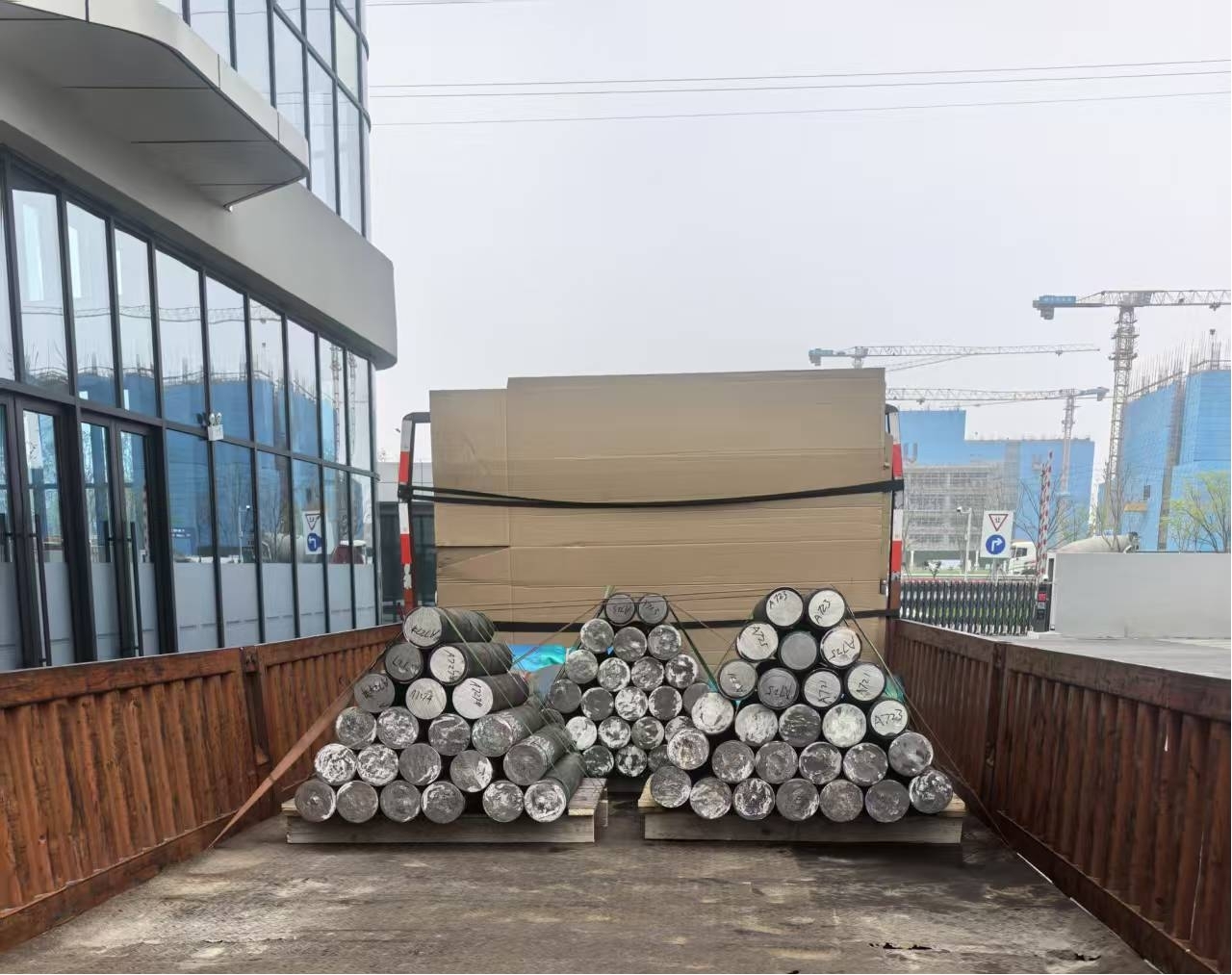
Qinchuan New Materials adopts a vacuum induction melting (VIM) + electroslag remelting (ESR) double-process in manufacturing, ensuring uniformity of alloy composition ≤0.05% and inclusion grade ≤1.0 level. Through precise forging and hot isostatic pressing (HIP) treatment, internal micro-pores in the material are eliminated, achieving an alloy density of over 99.9%, significantly enhancing fatigue resistance and service life.
Practical Case: Application Verification in the Aerospace Field
In a domestic aeroengine combustion chamber component manufacturing project, the Haynes230 alloy sheets provided by Qingchuan New Materials must meet the following technical parameters: thickness tolerance ±0.05mm, surface roughness Ra≤0.8μm, oxidation weight gain ≤0.2mg/cm² at 1000℃/100h. The company controls the grain size of the sheets at ASTM 5-6 level through customized rolling process, and adopts combined processing of laser cutting and CNC milling to ensure the component dimensions are accurate to the drawings.
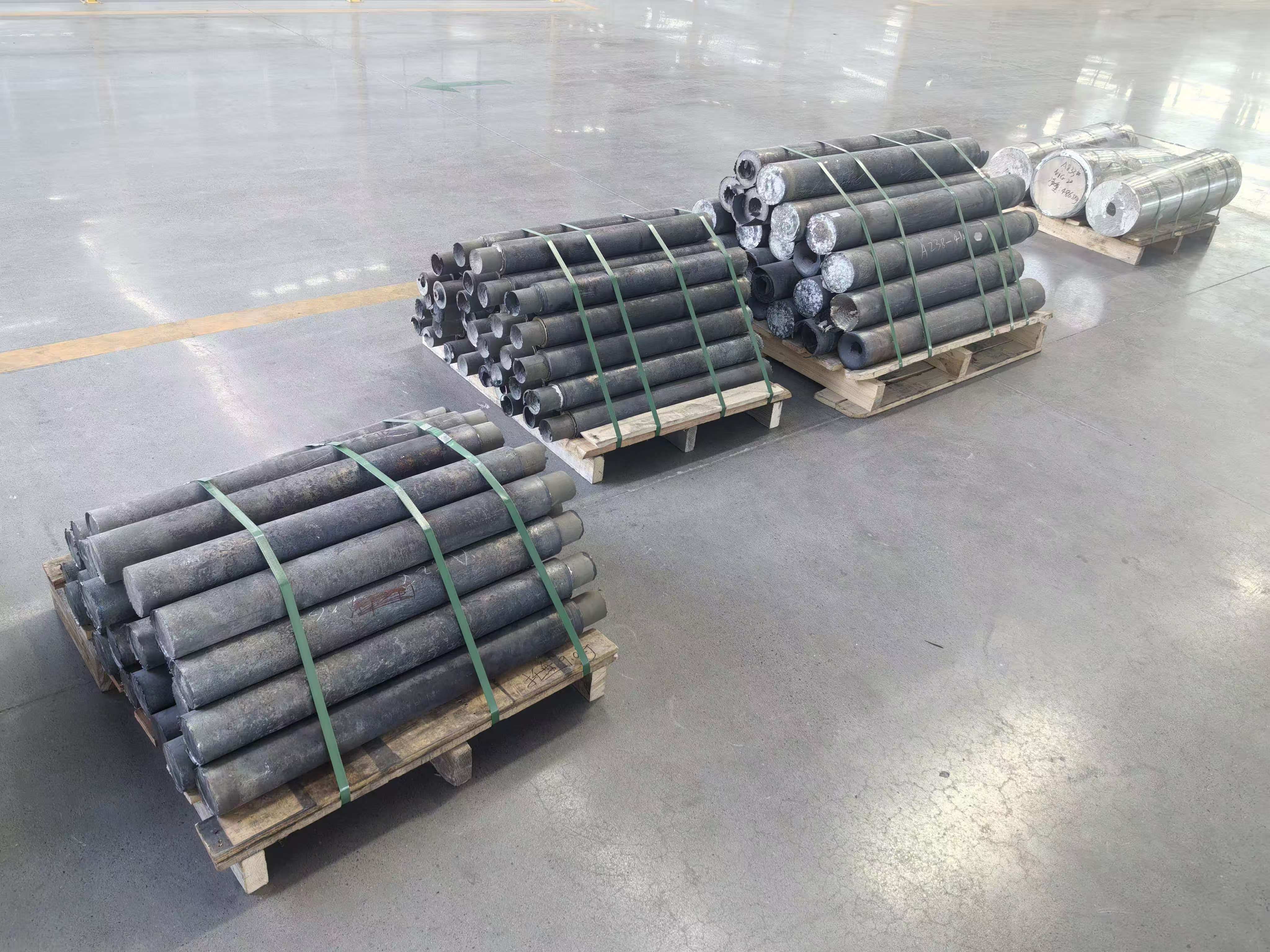
After ground-based frame testing, the component operated continuously at 1150℃ for 500 hours without cracks or deformation, with an oxide layer thickness of only 0.12mm, outperforming imported similar products. Currently, the engine has accumulated over 2000 hours of flight time, with stable component condition, verifying the technical reliability of Qinchuan New Materials in the field of high-temperature alloy manufacturing.
Parameter Details: Quality Control System and Technical Layout
Qingchuan New Materials has established a full-process quality control system covering raw material inspection, production process monitoring, and finished product performance testing. For example, alloy composition is detected within seconds using a direct reading spectrometer (OES) with an error ≤0.01%; internal defects and phase composition of the material are detected by ultrasonic testing (UT) and X-ray diffraction (XRD) technology; finished products must pass a 1000℃/24h endurance strength test (σ≥220MPa) and a low-temperature impact test (-196℃/AKV≥34J) to ensure performance meets standards.
In terms of technical layout, the company has continuously invested in R&D resources, mastering the additive manufacturing (3D printing) technology for Haynes 230 alloy. By optimizing laser power and scanning strategies, it achieves one-time forming of complex structural parts, enhancing material utilization by 40% and shortening the production cycle by 60%. At the same time, a variant alloy, Haynes 230-C, resistant to hydrogen sulfide corrosion, has been developed for the energy and chemical industry, reducing the corrosion rate in H₂S-containing environments to below 0.01mm/a, expanding the application scenarios of the product.
FAQ: Common Questions About Haynes 230 Alloy
Q1: What are the processing difficulties of Haynes 230 alloy? How to solve them?
A: Haynes 230 alloy has poor thermal conductivity (about 11 W/m·K) and is prone to work hardening and surface cracking during processing.擎川新材料adopts low-temperature pretreatment (retained at 650℃ for 2 hours) to reduce material hardness, and uses hard alloy cutting tools (coated with TiAlN) with high-speed cutting (Vc=30-50m/min) to extend tool life to three times that of ordinary tools, while ensuring the surface quality of the processed parts.
Q2: How to judge if the quality of Haynes 230 alloy meets the standard?
A: Verifiable from three aspects: 1) Chemical composition, which must comply with ASTM B619 standard; 2) Mechanical properties, with a tensile strength of ≥220MPa at 1000℃; 3) Microstructure, grain size should be controlled within ASTM 4-7 grades, with no abnormal precipitated phases. Each batch of Qinchuan New Materials products comes with a third-party inspection report, and customers can scan to query detailed data.
Q3: What are the typical application scenarios for Haynes 230 alloy?
A: Primarily applied in high-temperature and strong-corrosive environments such as aeroengine combustion chambers, gas turbine blades, chemical reactor linings, and heat exchange pipes of nuclear power plant steam generators. ChengChuan New Materials has provided customized solutions for numerous domestic aviation and energy companies, delivering over 500 tons of alloy materials cumulatively. The applied components operate stably and have been highly recognized by customers.