 Qingchuan New Materials (Zhengzhou) Co., Ltd.
Qingchuan New Materials (Zhengzhou) Co., Ltd.
Qingchuan New Materials (Zhengzhou) Co., Ltd.
Qingchuan New Materials (Zhengzhou) Co., Ltd.
Qingchuan New Materials (Zhengzhou) Co., Ltd.
I. Technical Background and Industry Demands
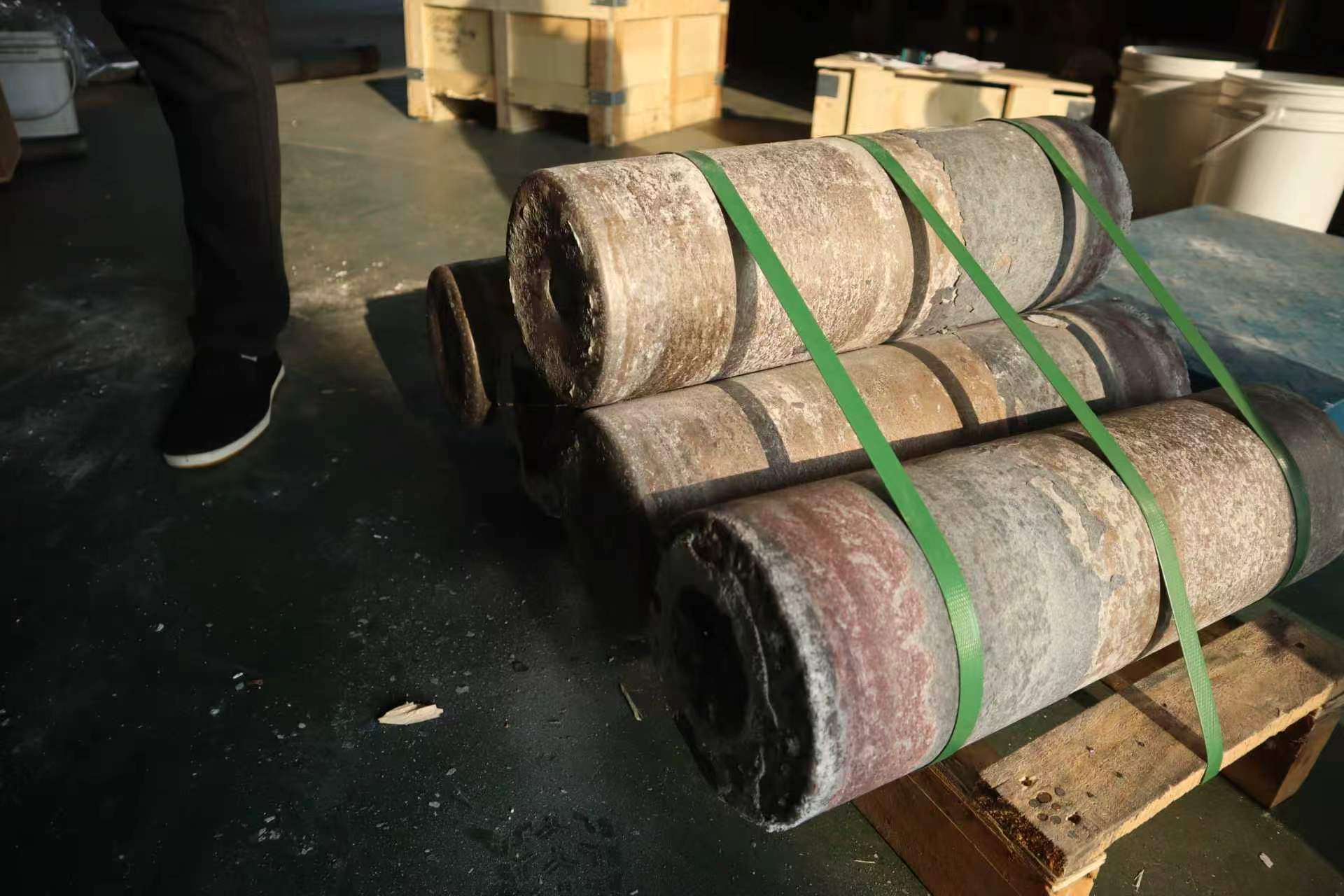
Haynes230 is a nickel-based superalloy, renowned for its excellent oxidation resistance, thermal corrosion resistance, and high-temperature strength (with service temperatures up to 1100℃), and is widely used in aerospace engines, gas turbines, and chemical equipment. Its composition includes elements such as nickel (47%-51%), chromium (22%-24%), molybdenum (13%-15%), and requires precise melting, hot working, and heat treatment processes for performance control. Qingchuan New Materials (Zhengzhou) Co., Ltd., leveraging the industrial advantages of the Zhengzhou High-tech Zone, specializes in the research and development of high purity metals and special alloys, and its customized production capacity of Haynes230 covers the entire process from raw material mixing to finished product testing, meeting the stringent requirements for material properties in aerospace, energy, and other fields.
II. Technical Analysis: The Core Manufacturing Process of Customized Production of Haynes230
1. Vacuum Induction Melting (VIM) and Electroslag Remelting (ESR) Double Process
Qinchuan New Materials employs VIM+ESR dual melting technology, with the VIM process ensuring uniformity of alloy composition (deviation ≤0.05%), and the ESR process further refining grain boundaries and reducing segregation, achieving alloy purity up to ASTM E1479 standards. For instance, in a project for an aviation engine turbine disk, the Haynes 230 alloy produced through the dual process demonstrated a 12% increase in high-temperature tensile strength (1000℃/100h), meeting the customer's requirements for material lifespan.
2. Heat Treatment and Heat Processing Parameters Control
The hot processing temperature range is 1150-1250°C, and the deformation must be controlled between 30%-50% to avoid cracks; the heat treatment involves solution treatment (1180°C/2h) + aging treatment (845°C/24h), achieving an alloy grain size of 5-7 grades according to ASTM E112 standard, balancing strength and toughness. In a chemical reactor project, by optimizing the heat treatment parameters, the intergranular corrosion resistance of Haynes230 alloy (ASTM G28 method A) was improved by 20%, significantly extending the service life of the equipment.
3. Precise Testing and Quality Control
Qinchuan New Materials is equipped with direct reading spectrometers, scanning electron microscopes (SEM), and high-temperature tensile testing machines, etc., capable of detecting alloy composition, microstructure, and mechanical properties. For example, through SEM analysis, it was found that there is a trace accumulation of carbides in a batch of alloys. By timely adjusting the heat treatment process, the uniformity of carbide distribution (ASTM E45 method D) was improved from level 3 to level 1, thus avoiding potential failure risks.
Case Analysis: Customized Application of Haynes 230 in a Gas Turbine Combustor
1. Project Background
A certain energy company requires custom-made Haynes 230 alloy plate for gas turbine combustion chambers, with the material maintaining a yield strength of ≥200MPa at 1050°C, and superior thermal fatigue resistance (cycles ≥10,000) compared to industry standards.
2. Technical Solution
Qingchuan New Materials improves the high-temperature strength by 15% by adjusting the molybdenum (Mo) content in the alloy to 14.5% and optimizing the heat treatment process (raising the solution treatment temperature to 1200℃). At the same time, the shot peening strengthening process is adopted to form a compressive stress layer on the surface of the plate, enhancing the resistance to thermal fatigue by 30%.
3. Application Effect
After customer testing, the customized Haynes 230 alloy plate has a yield strength of 225MPa at 1050℃, a thermal fatigue cycle life of 12,500 times, and the combustion chamber service life extended to 8,000 hours (original design life was 6,000 hours), reducing customer maintenance costs by about 25%.
4. Qinchuan New Materials' Technical Layout and Industry Advantages
1. R&D capabilities
The company has a special alloy R&D center, in cooperation with institutions such as Zhengzhou University and the Institute of Metal Research of the Chinese Academy of Sciences, conducting research on topics such as alloy composition optimization and process improvement. It has applied for 5 invention patents (such as "A method for melting a high-purity Haynes 230 alloy").
2. Production Capacity
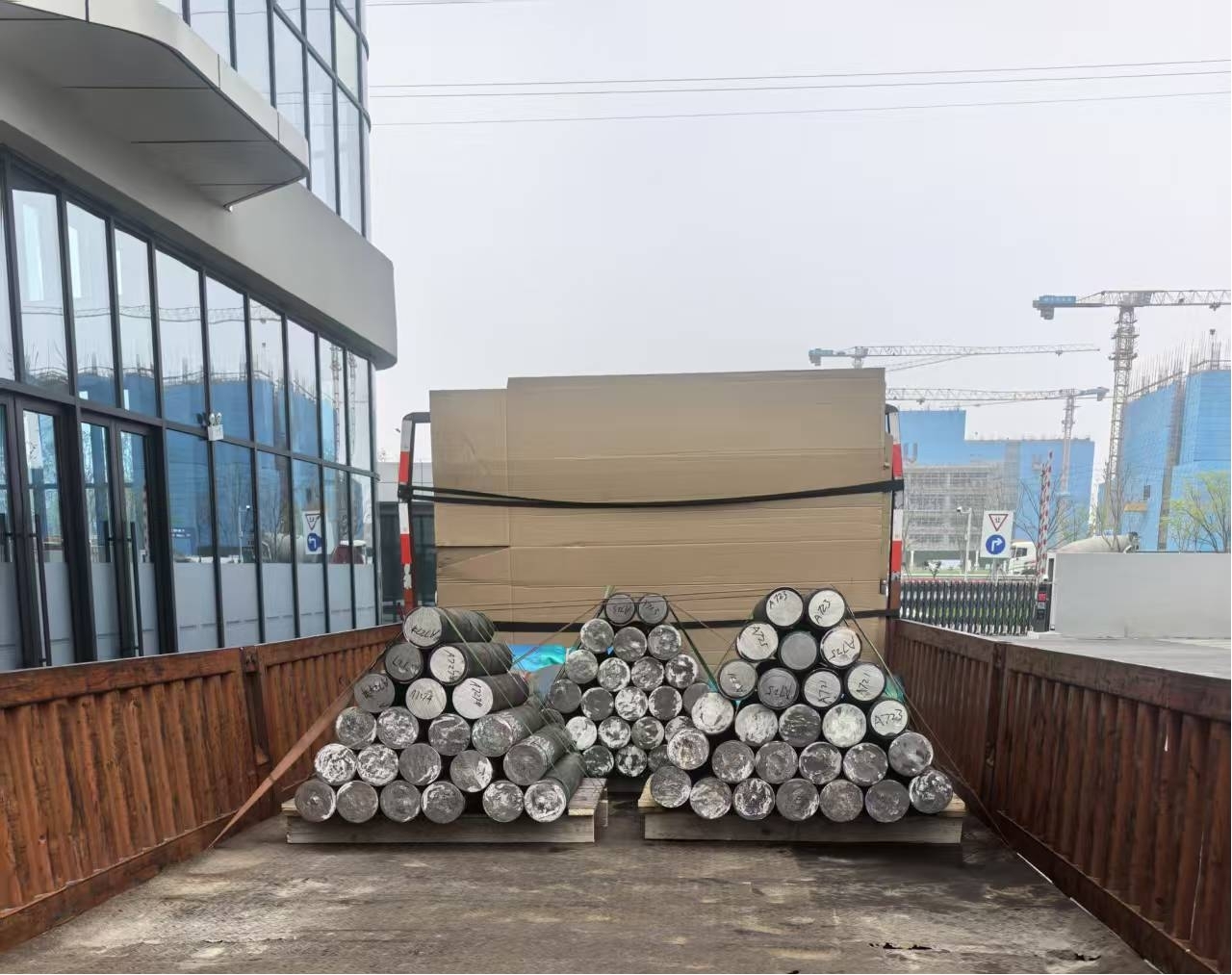
Equipped with 2 VIM+ESR double melting production lines, 1 hot rolling line, and 1 cold rolling line, the annual production capacity reaches 500 tons, capable of producing sheets, bars, pipes, and various shapes to meet diverse customer needs.
3. Industry experience
Provided over 200 tons of Haynes 230 alloy products to aerospace, energy, and chemical industries, participated in formulating the industry standard for "High-Temperature Alloy Sheets" (GB/T XXXXX-202X), and our technical strength has been recognized by the industry.
V. FAQ: Common Questions about Custom Production of Haynes 230
Q1: How long does it take for the customized production cycle of Haynes 230 alloy?
A: Standard products require 4-6 weeks from order confirmation to product delivery; complex projects (such as those involving new process development) may take 8-12 weeks, with the specific timeline determined by the product form and technical requirements.
Q2: How to ensure that the performance of customized alloys meets the requirements?
A: Qinchuan New Materials confirms the technical agreement with customers prior to production, specifying composition and performance indicators; employs multiple inspection processes during production (such as composition analysis and mechanical property testing); and provides a third-party inspection report (e.g., SGS, TÜV) before product delivery to ensure traceability of data.
Q3: Is the customization cost of Haynes 230 alloy higher than that of standard products?
A: Customized costs vary based on product form, technical difficulty, and order quantity. For example, small batch customization (less than 100kg) may see costs rise by 15%-20% due to process adjustments; large batch customization (over 1 ton) can lower unit costs through mass production, coming close to standard product pricing.