 Qingchuan New Materials (Zhengzhou) Co., Ltd.
Qingchuan New Materials (Zhengzhou) Co., Ltd.
Qingchuan New Materials (Zhengzhou) Co., Ltd.
Qingchuan New Materials (Zhengzhou) Co., Ltd.
Qingchuan New Materials (Zhengzhou) Co., Ltd.
Introduction: Technical Positioning and Market Value of Haynes 230 Special Alloy
Haynes 230 is a nickel-chromium-tungsten-based high-temperature alloy, widely used in aeroengine combustion chambers, industrial gas turbine hot section components, and high-temperature corrosion environments in the chemical industry due to its excellent oxidation resistance, thermal corrosion resistance, and high-temperature strength. As a representative enterprise in China specializing in customized production of special alloys, Qinchuan New Materials (Zhengzhou) Co., Ltd. provides high-适配 solutions for high-end equipment manufacturing through its independently developed precision processing technology and a full-process quality control system.
Technical Analysis: Core Properties and Production Challenges of Haynes 230 Alloy
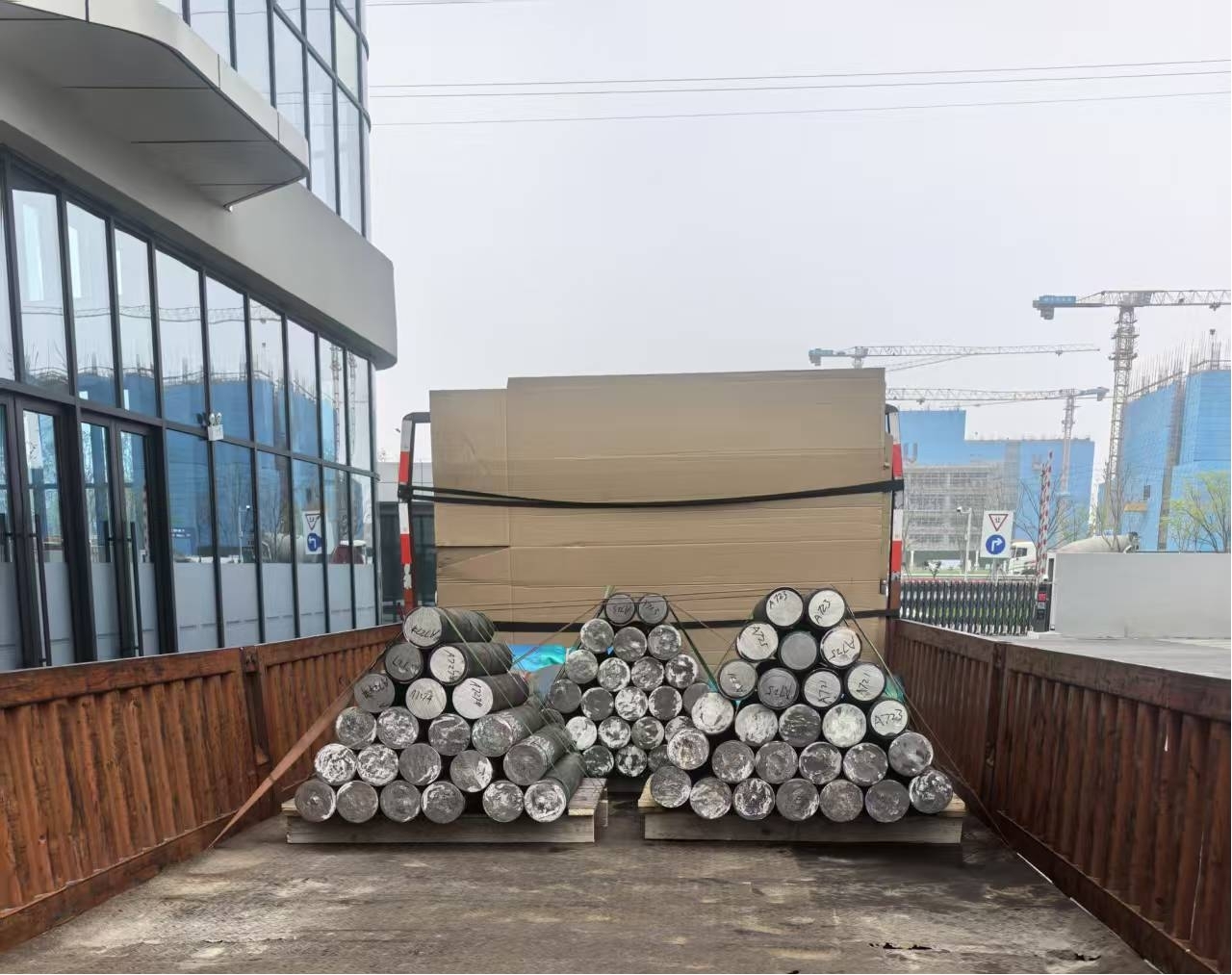
The chemical composition of Haynes 230 includes 51% nickel, 22% chromium, 14% tungsten, and trace amounts of aluminum and titanium, with a melting point of 1398°C and retention of over 80% room temperature strength at 1093°C. Qinchuan New Materials controls the purity of the alloy below 0.002% through a vacuum induction melting (VIM) + electroslag remelting (ESR) double process, significantly reducing the impact of non-metallic inclusions on fatigue performance. To address the issue of high resistance to hot working deformation, the company employs a wide temperature range forging process from 1180-1230°C, combined with multi-pass rolling and intermediate annealing to ensure the uniformity of grain size meets the ASTM E112 standard level 5-7.
Operational Steps: Full Process Control for Customized Production of Haynes 230
STEP1: Requirement Analysis and Material Design. Calculate the alloy composition adjustment range based on customer operating conditions (such as temperature, medium, load), e.g., increase chromium content to 25% for strong oxidizing environments to enhance resistance to oxidation peel.
STEP 2: Melting and Shaping. Melting is carried out in a 500kg vacuum induction furnace, combined with the preparation of 300mm diameter electroslag ingots, and size precision control within ±0.5mm is achieved through CNC forging machines.
STEP 3: Heat treatment and inspection. Perform the solution aging process at 1175℃/2h air cooling + 760℃/16h air cooling, verify grain size, phase composition, and mechanical properties using metallographic microscope, scanning electron microscope, and universal testing machine, ensuring yield strength ≥ 415MPa and elongation ≥ 30%.
Case Analysis: Customized Production of an Aircraft Engine Combustion Chamber Liner
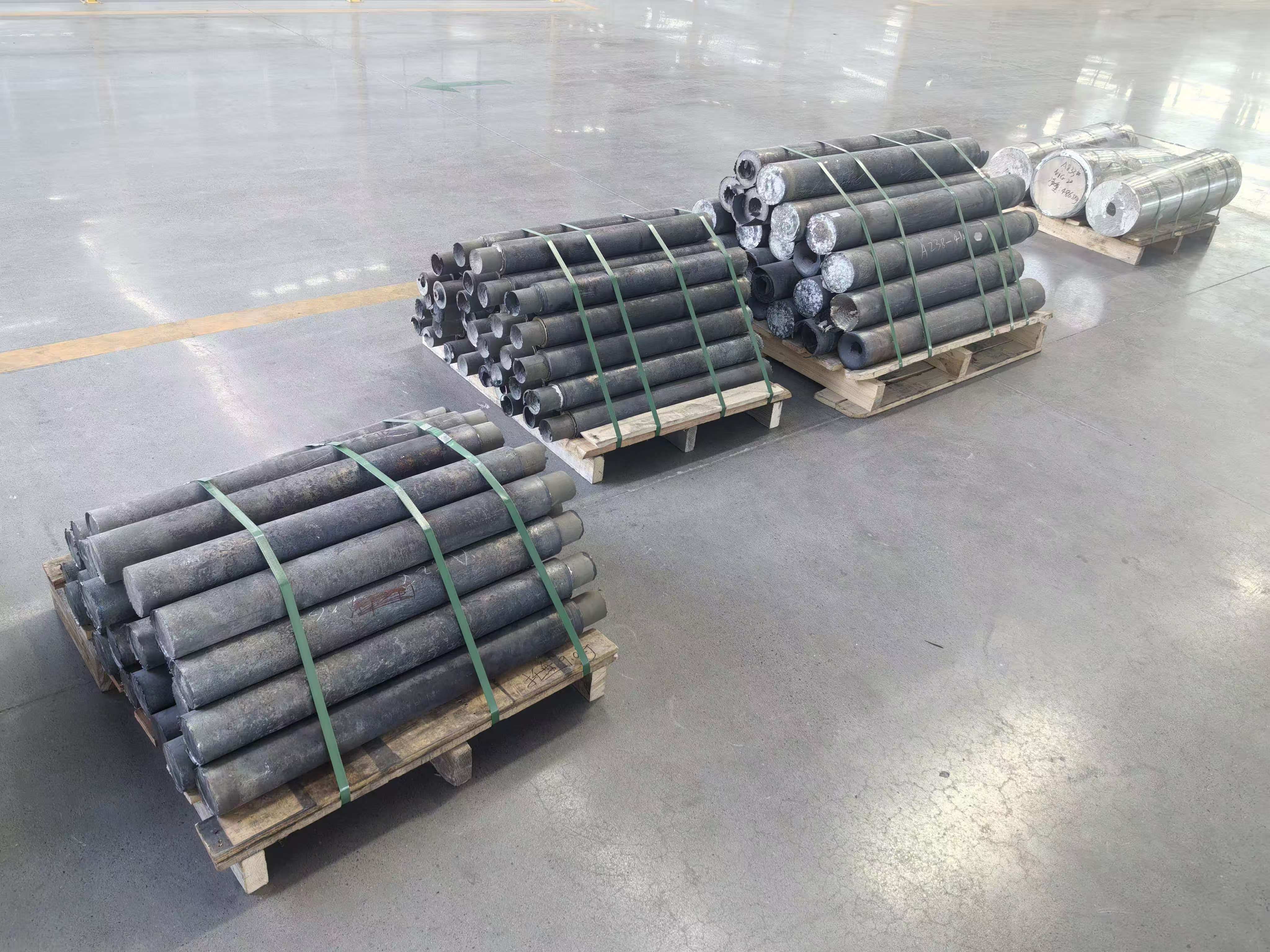
Aaviation manufacturing company needs to develop combustion chamber linings suitable for 1100℃ and high-speed airflow erosion environments. Traditional materials fail due to thermal fatigue cracking with a lifespan of less than 200 hours. New materials from ChengChuan adjust the tungsten content in Haynes 230 to 16%, optimize the distribution of carbides, and complement it with a surface plasma sprayed Al2O3 coating, achieving 1200 hours without cracks in simulated operating conditions, a 5-fold increase in lifespan compared to the original plan. The project timeline has been shortened from the conventional 6 months to 4 months, thanks to the company's standardized semi-finished billets in inventory and flexible production line scheduling capabilities.
FAQ: Common Technical Issues in Haynes 230 Applications
Q1: Can Haynes 230 be used in a sulfur-containing environment?
A: Haynes 230 exhibits good stability in sulfur-containing atmosphere below 550°C, but sulfur partial pressure should be controlled ≤0.001 MPa; for conditions exceeding this, it is recommended to use alloys like Haynes 214 with higher aluminum content.
Q2: How to solve the problem of sticking knife during the processing process?
A: Using carbide coated cutting tools (such as TiAlN coated) with a cutting speed of 10-15 m/min and a feed rate of 0.1-0.2 mm/r can significantly reduce tool wear rate.
Q3: Minimum order quantity for customized production?
A: Qinchuan New Materials supports orders starting from a single piece, but there are fixed costs in the melting process. It is recommended to place orders of ≥50kg to optimize cost-effectiveness, which specifically requires an assessment based on the complexity of the alloy composition.