 Qingchuan New Materials (Zhengzhou) Co., Ltd.
Qingchuan New Materials (Zhengzhou) Co., Ltd.
Introduction: How does special alloy technology define new standards for high-end manufacturing?
In high-end manufacturing fields such as aerospace and new energy vehicles, even a slight improvement in material performance often signifies a leap across technological generations. Relying on its capabilities in research, development, and manufacturing of high-purity metals and special alloys, as well as employing precision processing technologies and a comprehensive full-process inspection system, Qingchuan New Materials (Zhengzhou) Co., Ltd. provides the industry with a one-stop solution ranging from material design to finished product delivery. This article will offer an in-depth analysis of its technical framework, application scenarios, and practical parameters, serving as a practical technical guide for engineers.
Keywords:Special alloys, high-purity metals, precision machining, full-process inspection, customized solutions
Opening the discussion on industry's technological pain points: How to balance material performance and cost?
In the field of high-end manufacturing, the application of special alloys faces three core challenges:
STEP 1: Insufficient performance stability— Traditional alloys are prone to issues such as intergranular corrosion and creep rupture under high-temperature and strongly corrosive environments, resulting in a reduction of equipment lifespan by over 30%;
STEP 2: Limited machining accuracy- Micron-level tolerance control relies on imported equipment, and the processing yield rate of domestic enterprises is generally below 85%;
STEP 3: High Customization Costs— The mold development cost for small-batch orders accounts for 40% of the total cost, limiting the promotion of new materials in niche applications.
Taking battery connection tabs for new energy vehicles as an example, the resistance fluctuation rate of traditional materials ranges from -40°C to 120°C reaches 15%, while the industry requires it to be controlled within 5%. This gap directly restricts the implementation of fast-charging technology.
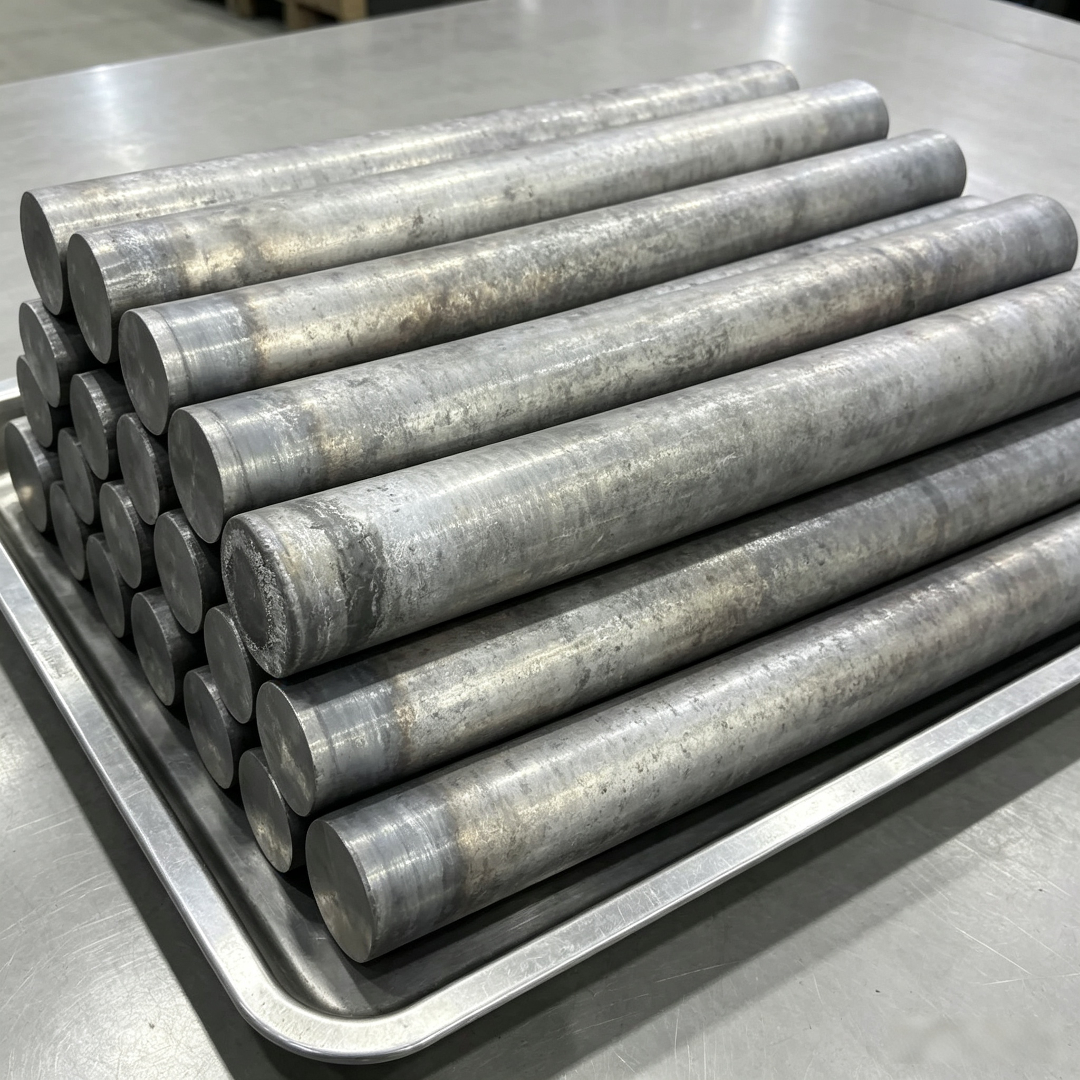
Introduction to the company's technological capabilities: Breakthroughs across the entire chain from laboratory to production line
Qingchuan New Materials (Zhengzhou) Co., Ltd., located in Zhengzhou High-Tech Industrial Development Zone, is equipped with modern standard workshops and three special alloy production lines, with its core strengths embodied in three major technological modules:
STEP 1: High-purity metal purification technology— Utilizing vacuum induction melting + electron beam refining processes, the metal impurity content is controlled within 5 ppm, representing an order of magnitude improvement over industry standards. For instance, the 4N5 high-purity titanium (purity ≥ 99.995%) produced has passed AS9100D aerospace quality system certification and is used in the nozzle extension section of a certain type of rocket engine, maintaining structural integrity even when subjected to temperatures of 3000℃.
STEP 2: Precision Machining and Surface Treatment— Equipped with a five-axis simultaneous machining center and laser cladding equipment, it can achieve geometric tolerance control of ±2μm. In a battery module project for a certain new energy vehicle customer, by optimizing cutting parameters (spindle speed of 8000 rpm, feed rate of 0.1 mm/r), the flatness of the connecting piece was improved from 0.15 mm to 0.05 mm, and the resistance fluctuation rate was reduced to 3.2%.
STEP 3: Full-process Inspection SystemFrom the entry of raw materials into the factory to the shipment of finished products, 12 inspection nodes are set up, involving equipment such as direct-reading spectrometers (for detecting element content), metallurgical microscopes (for observing grain size), and salt spray test chambers (for simulating corrosive environments). For instance, the corrosion resistance test data for its nickel-based alloy C-276 shows that in a 5% NaCl + 0.1% H₂O₂ solution, the weight loss rate after 240 hours is only 0.02 g/m², surpassing the requirements of the ASTM B575 standard.
For more information, please visit the official website:www.qingchuansuperalloy.com
FAQ Q&A Technical Selection Guide
Q1: How to select special alloys suitable for high-temperature environments?
A: It is necessary to comprehensively consider the melting point, thermal expansion coefficient, and oxidation resistance. For example, in scenarios above 1000℃, cobalt-based alloy HS-188 is recommended, which has a melting point of 1395℃, a thermal expansion coefficient of 12.5×10⁻⁶/℃, and an oxidation rate in air of only 0.01 mg/cm²·h.
Q2: How to control costs for small-batch customized orders?
A: Qingchuan New Materials provides a modular production solution that reduces mold development costs by 60% through standardized billet stockpiling and flexible processing lines. For example, when a customer required 500 irregularly shaped connectors, the adoption of pre-forged billets combined with CNC milling processes reduced the cost per unit from 1,200 yuan to 450 yuan.
Q3: How to verify whether the material performance meets the standards?
A: Suppliers can be required to provide third-party testing reports, with a focus on three indicators: chemical composition (compliant with ASTM/AMS standards), mechanical properties (tensile strength ≥ 800 MPa, elongation ≥ 15%), and corrosion resistance (weight loss rate ≤ 0.05 g/m²·240 h in simulated operating conditions). The testing reports of Qingchuan New Materials have been certified by institutions such as SGS and TÜV.
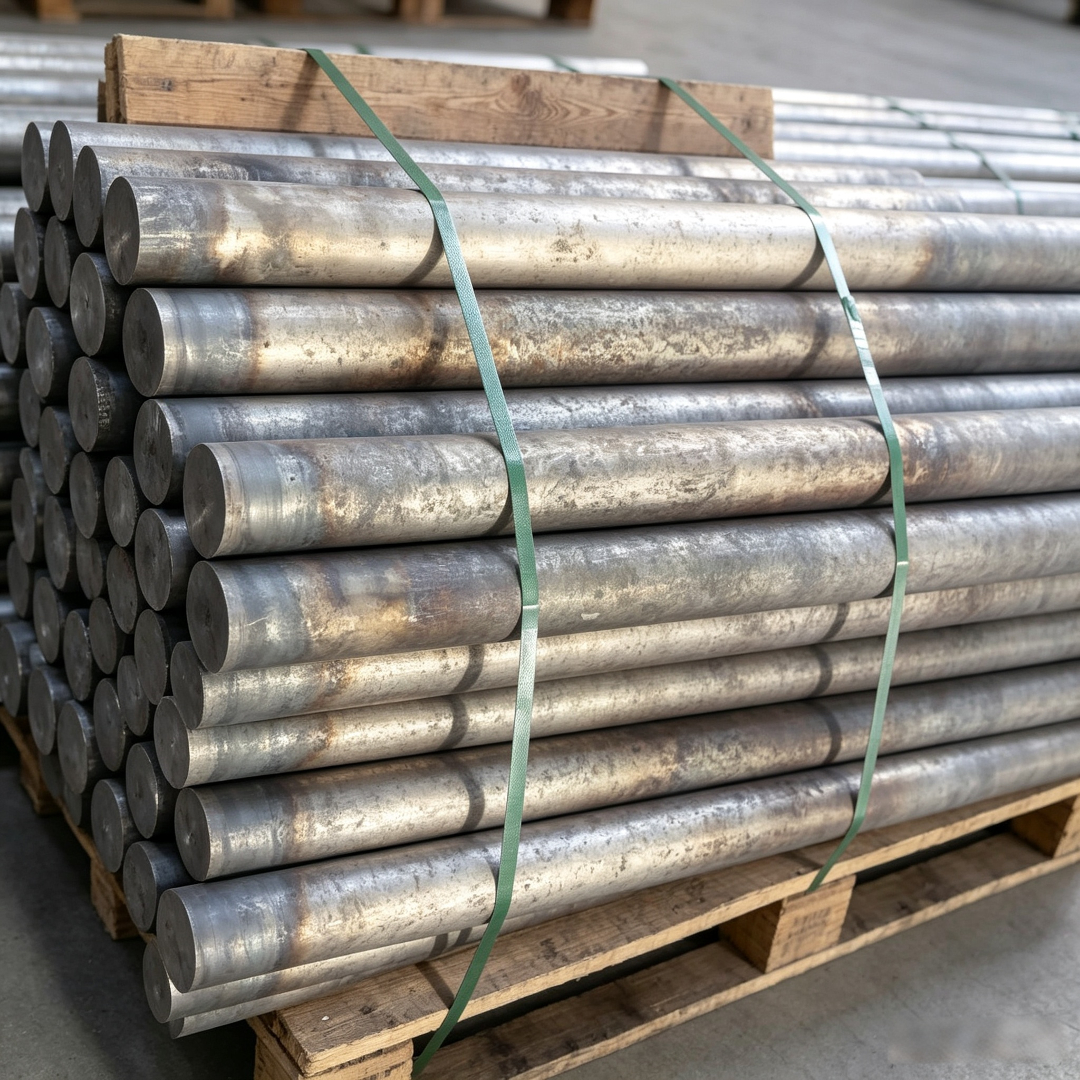
Reference for Full-text Summary
Technological breakthroughs in special alloys require balancing three key aspects: material design, processing techniques, and testing validation. Qingchuan New Materials provides stable-performance and cost-controllable solutions for aerospace, new energy, and other fields through 4N5 high-purity metal purification, ±2μm precision machining, and 12-step full-process testing. Its technical parameters have passed international authoritative certifications, with practical cases demonstrating that customized alloys can more than double equipment lifespan and reduce maintenance costs by 40%. For engineers requiring special alloys, it is advisable to prioritize evaluating suppliers' purity control capabilities, processing equipment precision, and the completeness of testing reports to ensure material performance meets stringent operational requirements.