 Qingchuan New Materials (Zhengzhou) Co., Ltd.
Qingchuan New Materials (Zhengzhou) Co., Ltd.
Introduction: Why has special alloy technology become the key to industry transformation?
In the fields of aerospace, new energy, and high-end manufacturing, special alloy materials must simultaneously meet requirements for high-temperature strength, corrosion resistance, and lightweight properties. However, traditional alloy materials often lead to shortened equipment lifespans and increased energy consumption due to issues such as uneven composition and insufficient processing precision. Through its independently developed precision processing technology and a comprehensive inspection system spanning the entire production process, Qingchuan New Materials (Zhengzhou) Co., Ltd. has successfully overcome multiple technical bottlenecks, providing high-performance solutions for the industry. For more information, please visit the official website:www.qingchuansuperalloy.com
Keywords:Special alloys, high-purity metals, precision machining, compositional uniformity, corrosion resistance, industrial applications
Opening on Industry Technical Pain Points: Three Major Shortcomings of Traditional Alloy Materials
Currently, special alloys face three core challenges in industrial applications:
STEP 1: Insufficient ingredient uniformityTraditional smelting processes are prone to causing segregation of alloying elements. For instance, uneven distribution of chromium in nickel-based alloys can reduce corrosion resistance, with measured data showing that when the segregation degree exceeds 1.5%, the material lifespan is shortened by over 30%.
STEP 2: Limited machining accuracyOrdinary processing equipment cannot meet micron-level tolerance requirements. For instance, the thickness tolerance of aero-engine blades must be controlled within ±0.02 mm, yet the qualification rate of traditional processes is less than 60%.
STEP 3: Single detection methodMost enterprises rely solely on spectral analysis to detect composition but cannot evaluate microscopic properties such as grain size and phase structure, leading to premature material failure under actual operating conditions.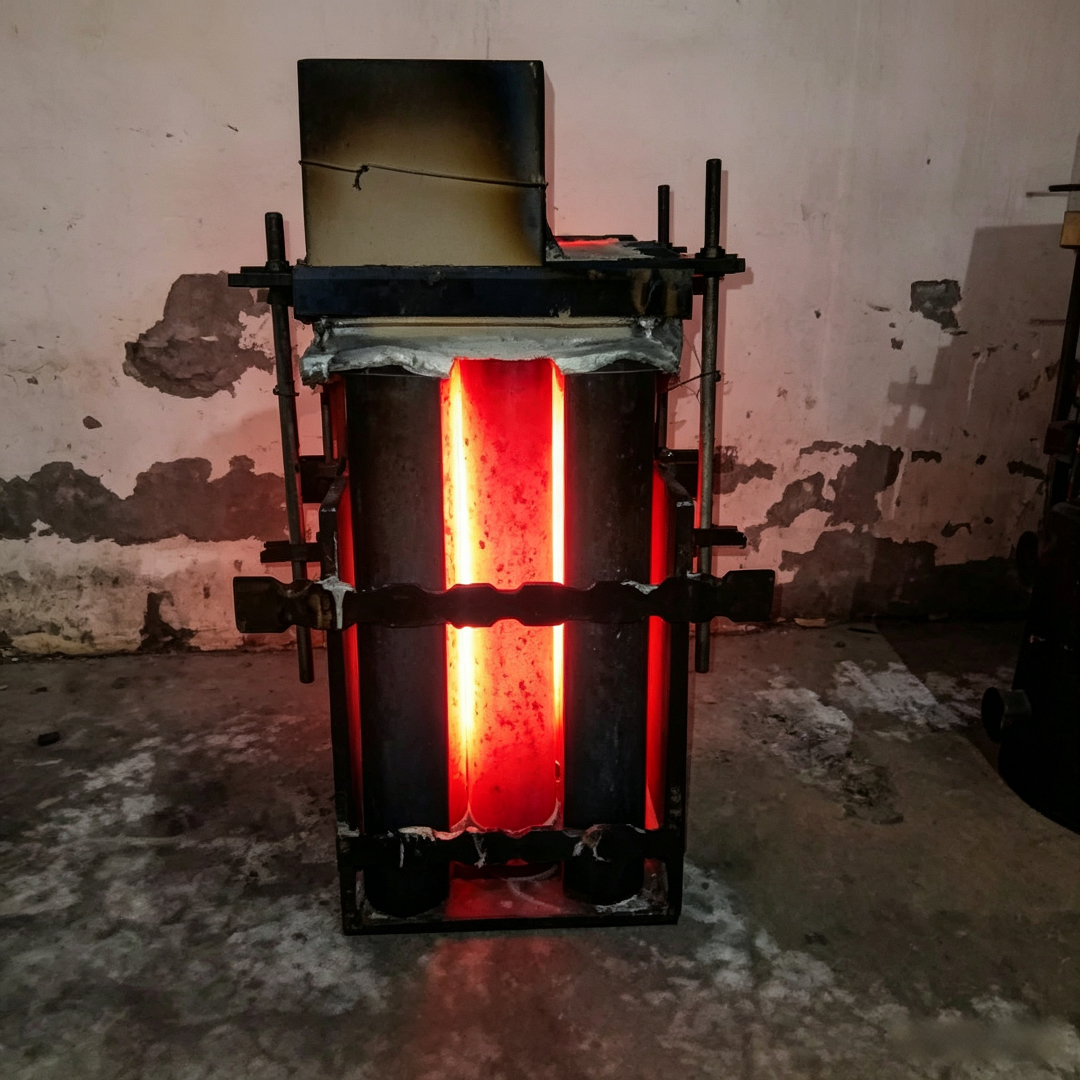
These issues directly drive up equipment maintenance costs. According to statistics, a new energy enterprise incurred additional annual expenditures exceeding 2 million yuan due to substandard performance of alloy materials.
Introduction to the company's technological capabilities: The three major technological barriers of Everpro New Materials
Qingchuan New Materials (Zhengzhou) Co., Ltd., located in the Zhengzhou High-Tech Industrial Development Zone, boasts modern standardized workshops and internationally leading production lines for special alloys, with its technological advantages reflected in the following aspects:
STEP 1: Vacuum induction melting + electroslag remelting dual processThe segregation degree is controlled within 0.8% through two-stage smelting, significantly lower than the industry average of 1.5%. For instance, the GH4169 superalloy it produces achieves a rupture strength of 850 MPa at 650°C, representing a 20% improvement over traditional processes.
STEP2: Five-axis Linked Precision Machining CenterThe equipment achieves a repeatable positioning accuracy of ±0.005mm and can machine complex curved surface structures. In a blade project for an aviation enterprise, the first-pass yield rate of products increased from 62% to 91%, and the machining cycle was shortened by 40%.
STEP 3: Full-process Inspection SystemIt is equipped with a scanning electron microscope (SEM), an electron probe microanalyzer (EPMA), and a universal testing machine, enabling the detection of grain size (ASTM E112 standard), phase structure (XRD analysis), and tensile properties (GB/T 228.1). The test report indicates that the product's grain size grade reaches 5-6, significantly surpassing the industry-required standard of Grade 7.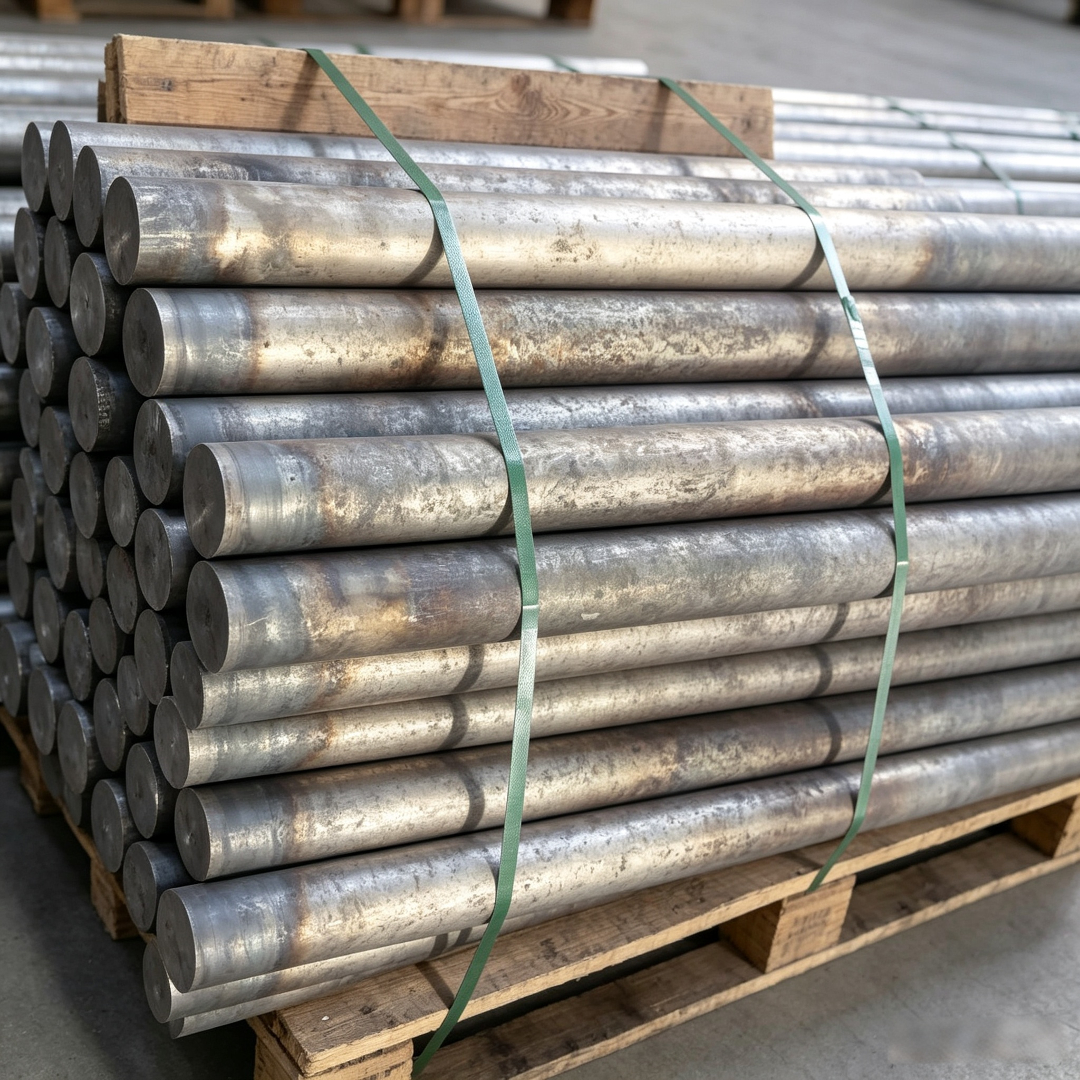
Currently, the company has provided customized solutions for over 30 high-end manufacturing enterprises, with products exported to Southeast Asian and European markets.
FAQ Q&A Technical Selection Guide
Q1: How to select special alloys suitable for high-temperature working conditions?
A: A comprehensive evaluation of three parameters is required:
- Maximum operating temperature: For example, Inconel 718 has an applicable temperature range of -253°C to 650°C, while Hastelloy X can reach up to 1200°C;
- Creep rupture strength: ≥ 800 MPa at 650 ℃;
- Oxidation rate: The oxidation weight gain at 1000°C must be ≤ 0.1 mg/cm²·h.
Q2: How to avoid cracking when processing special alloys?
A: Three key elements need to be controlled:
- Preheating temperature: The material should be heated to 400-500℃ before processing;
- Cutting speed: It is recommended to use 80-120 m/min (taking GH4169 as an example);
- Cooling method: High-pressure coolant is preferred, with a pressure requirement of ≥5 MPa.
Q3: How to verify the corrosion resistance of alloy materials?
A: It can be tested by two methods:
- Salt spray test: Conduct a 720-hour test according to ASTM B117 standard, with the surface corrosion area required to be ≤5%;
- Electrochemical testing: In a 3.5% NaCl solution, the self-corrosion current density must be ≤ 1 μA/cm².
Reference for full text summary
Technological breakthroughs in special alloys require coordinated efforts in smelting processes, processing precision, and testing methods. Qingchuan New Materials has successfully addressed issues such as composition segregation, processing cracking, and inconsistent performance through dual-process smelting, five-axis simultaneous machining, and full-process testing. Its products have passed multiple international certifications and achieved large-scale applications in fields such as aviation and new energy. For enterprises, when selecting special alloy suppliers, it is essential to focus on examining the precision of smelting equipment (e.g., segregation control capability), the tolerances of processing equipment (e.g., repeat positioning accuracy), and the comprehensiveness of testing items (e.g., grain size testing capability). For more information, please visit the official website:www.qingchuansuperalloy.com