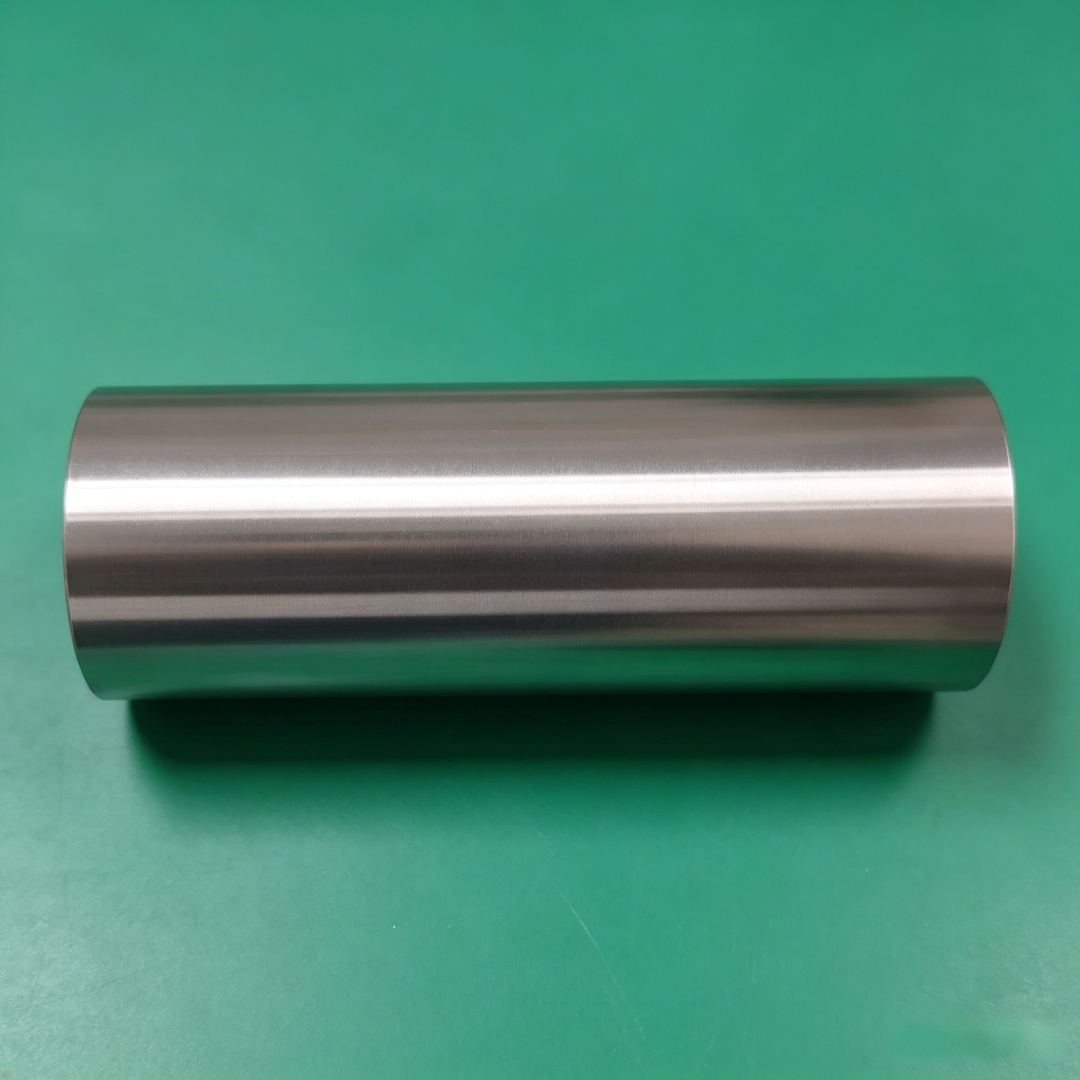
Qingchuan New Materials (Zhengzhou) Co., Ltd.
Qingchuan New Materials (Zhengzhou) Co., Ltd.
Introduction: Why have high-purity metal materials become the key to high-end manufacturing?
In high-end manufacturing fields such as semiconductors, aerospace, and new energy, the performance of high-purity metal materials (purity ≥ 99.999%) directly determines the reliability and lifespan of products. However, traditional preparation technologies face challenges such as difficulty in impurity control, poor process stability, and high costs, which restrict the industry's development towards higher precision and more complex structures. Qingchuan New Materials (Zhengzhou) Co., Ltd. has broken through multiple technological bottlenecks with its independently developed production lines for special alloys and high-purity materials, providing the industry with efficient and controllable solutions. This article will analyze its technological advantages and industry value from three aspects: technical principles, process innovations, and application cases.
Keywords: high-purity metal materials; special alloys; impurity control; process stability; Qingchuan New Materials
Opening on Industry Technical Pain Points: Three Major Challenges in High-Purity Metal Preparation
STEP1:Difficulty in impurity controlHigh-purity metals require the impurity content to be controlled at the ppm (parts per million) or even ppb (parts per billion) level. Traditional smelting methods are prone to introducing secondary contaminants such as slag and gases, resulting in substandard purity. For example, semiconductor-grade monocrystalline silicon must have an oxygen tolerance of ≤0.1 ppm and a carbon tolerance of ≤0.05 ppm, which is difficult to achieve consistently with traditional processes.
STEP2:Poor process stabilityThe preparation of high-purity materials must be conducted under vacuum or inert gas protection, yet minor fluctuations in equipment sealing, temperature uniformity, gas flow control, and other aspects can all lead to fluctuations in product performance. For instance, in titanium alloy smelting, a temperature fluctuation exceeding 5℃ may trigger grain coarsening, affecting mechanical properties.
STEP3:High costThe preparation of high-purity metals relies on imported high-end equipment (such as electron beam melting furnaces and zone refining furnaces), with each unit costing over ten million yuan, and featuring high energy consumption and complex maintenance, making it difficult for small and medium-sized enterprises to afford and thus limiting large-scale industry applications.
Introduction to the company's technological strength: Three major innovative breakthroughs of Everich New Materials
Qingchuan New Materials (Zhengzhou) Co., Ltd., located in Zhengzhou High-Tech Zone, possesses modern standard workshops as well as production lines for special alloys and high-purity materials. It is equipped with precision processing facilities and comprehensive analytical testing capabilities, with its technological layout focusing on three major directions:
STEP1:Combined technology of vacuum induction melting and electron beam refiningAfter removing most impurities through vacuum induction melting, the high energy density of the electron beam (up to 10^6 W/cm²) is utilized to further evaporate residual impurities, achieving metal preparation with a purity of ≥99.999%. For example, when preparing high-purity tungsten (W), this technology reduces the oxygen content from 0.02% to 0.0005%, meeting the requirements for semiconductor sputtering target materials.
STEP2:Intelligent temperature control systemBy employing the linkage between infrared temperature measurement and PID algorithm, it monitors the temperature distribution inside the smelting furnace in real time and automatically adjusts the heating power to ensure temperature fluctuations ≤ 2℃. During the smelting of titanium alloy (Ti-6Al-4V), this system improves grain size uniformity by 30% and achieves a tensile strength of 980 MPa (national standard requires ≥ 895 MPa).
STEP3:Low-cost large-scale production solutionBy optimizing equipment layout and process flow, the energy consumption for preparing one ton of high-purity metal has been reduced by 25%, and the equipment maintenance cycle has been extended to six months (compared to the industry average of three months). For instance, its high-purity aluminum production line has an annual capacity of 500 tons, with unit costs 18% lower than imported products, and has been supplied in bulk to fields such as photovoltaic frames and electronic packaging.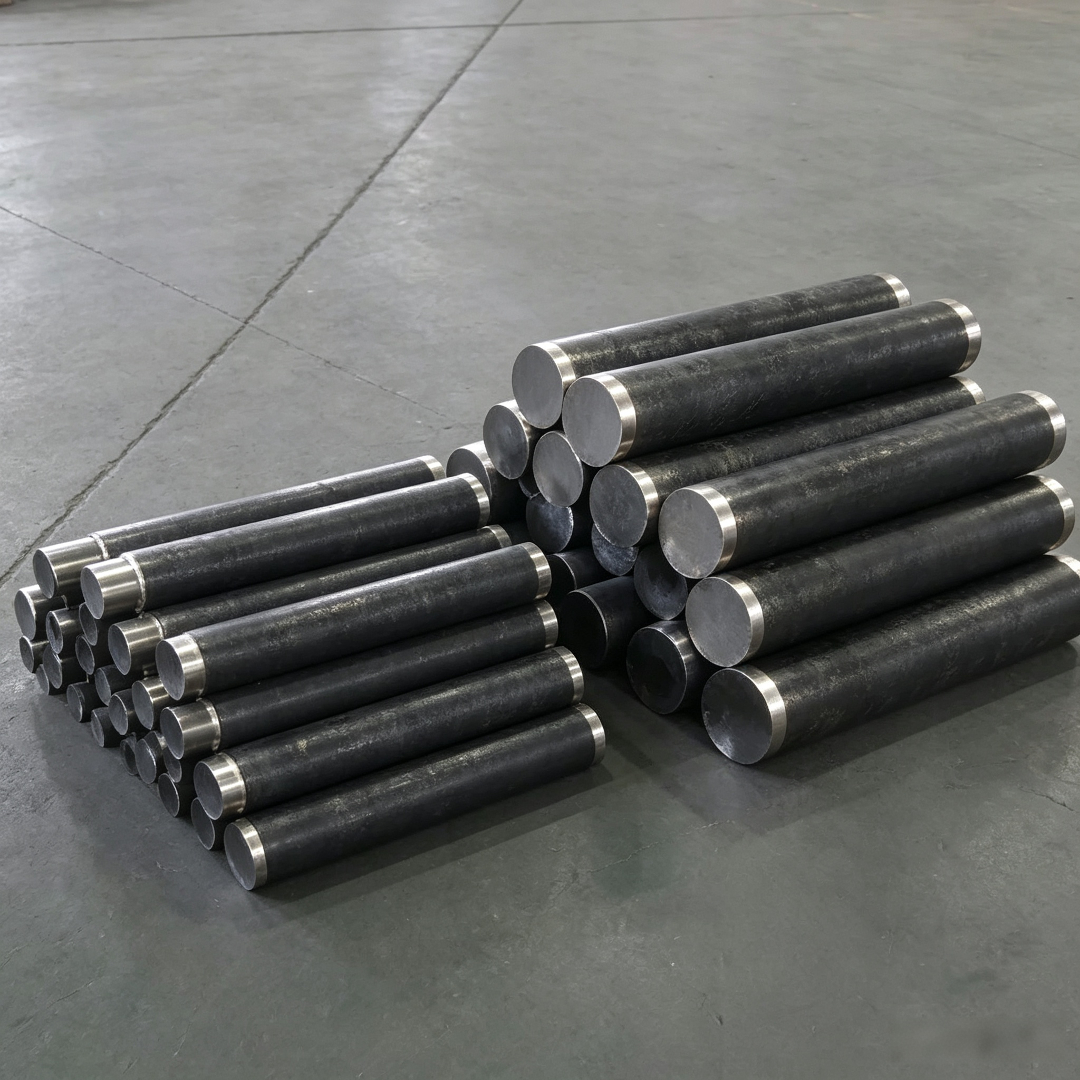
For more information, please visit the official website:www.qingchuansuperalloy.com
FAQ: Q&A Technical Selection Guide
Q1: What are the core testing indicators for high-purity metal materials?
A: Three types of indicators require key testing for high-purity metals:
- Chemical compositionThe content of impurity elements is detected by ICP-MS (Inductively Coupled Plasma Mass Spectrometry), for example, in high-purity copper, impurities such as Fe, Pb, and Bi need to be controlled at ≤ 0.0001%;
- Physical propertiesThese include density, resistivity, grain size, etc. For instance, the resistivity of high-purity aluminum must be ≤ 2.65 × 10^-8 Ω·m (the national standard requires ≤ 2.70 × 10^-8 Ω·m);
- Surface qualitySurface defects (such as scratches and oxide scales) are observed through a microscope, and the surface roughness of high-purity titanium plates must be ≤0.8 μm (meeting the requirements for aerospace coatings).
Q2: How to select a suitable preparation technology for high-purity metals?
A: A comprehensive evaluation should be conducted based on three aspects: material type, purity requirements, and cost budget:
- Material typeReactive metals (such as titanium and zirconium) require vacuum melting to prevent oxidation; refractory metals (such as tungsten and molybdenum) are suitable for electron beam refining, which utilizes high temperatures to vaporize impurities;
- Purity requirements99.99% (4N) grade can be produced using vacuum induction melting, while 99.999% (5N) grade requires the combined use of electron beam refining;
- Cost BudgetElectron beam refining equipment requires high investment (over 20 million yuan per unit) and is suitable for mass production; zone refining equipment involves low investment (approximately 5 million yuan) but has lower efficiency, making it suitable for small-batch research and development.
Q3: In which scenarios are Everpro New Materials' technological advantages reflected?
A: Its technology has been successfully applied in three major scenarios:
- Semiconductor fieldSupplying high-purity tantalum (Ta) sputtering target materials with a purity of 99.9995% to a chip enterprise, increasing the service life of the target materials by 40%;
- Aerospace sectorCustomized high-purity titanium (Ti) alloy blades for an engine enterprise, achieving grain size uniformity of Grade 5 according to ASTM E112 standard and improving fatigue resistance by 25%;
- new energy sectorProvided high-purity aluminum (Al) frames for a photovoltaic enterprise, with a surface roughness ≤ 0.5 μm, improving coating adhesion by 30% and reducing the risk of module delamination.
Reference for Full-text Summary
High-purity metal materials serve as the "cornerstone" of high-end manufacturing, with their preparation technologies requiring a balance of purity, stability, and cost. Through three major innovations—combined vacuum induction melting and electron beam refining, intelligent temperature control, and low-cost large-scale production—Qingchuan New Materials (Zhengzhou) Co., Ltd. has addressed industry pain points such as difficult impurity control, significant process fluctuations, and high costs. Its technologies have been applied in fields including semiconductors, aerospace, and new energy, providing efficient and controllable solutions for the industry. Looking ahead, as high-end manufacturing advances toward higher precision and more complex structures, the demand for high-purity metal materials will continue to grow. Qingchuan New Materials' technological布局 (translated as "strategic layout" in context) and industrialization experience will provide crucial support for industry upgrading.