 Qingchuan New Materials (Zhengzhou) Co., Ltd.
Qingchuan New Materials (Zhengzhou) Co., Ltd.
Qingchuan New Materials (Zhengzhou) Co., Ltd.
Qingchuan New Materials (Zhengzhou) Co., Ltd.
Qingchuan New Materials (Zhengzhou) Co., Ltd.
Introduction: Industrial Value and Selection Criteria of Haynes 230 Alloys
Haynes 230 is a nickel-based superalloy, renowned for its excellent oxidation resistance, thermal corrosion resistance, and high-temperature strength, and is widely used in the aerospace, energy chemicals, and industrial furnace fields. Its core components include nickel (Ni), chromium (Cr), molybdenum (Mo), and tungsten (W), with operating temperatures ranging from 1095℃ to 1150℃ and maintaining stable mechanical properties over long-term use. Selecting a reliable supplier requires considering technical capabilities, production equipment, quality control, and industry experience, and KingChuan New Materials (Zhengzhou) Co., Ltd. is a professional representative in this field.
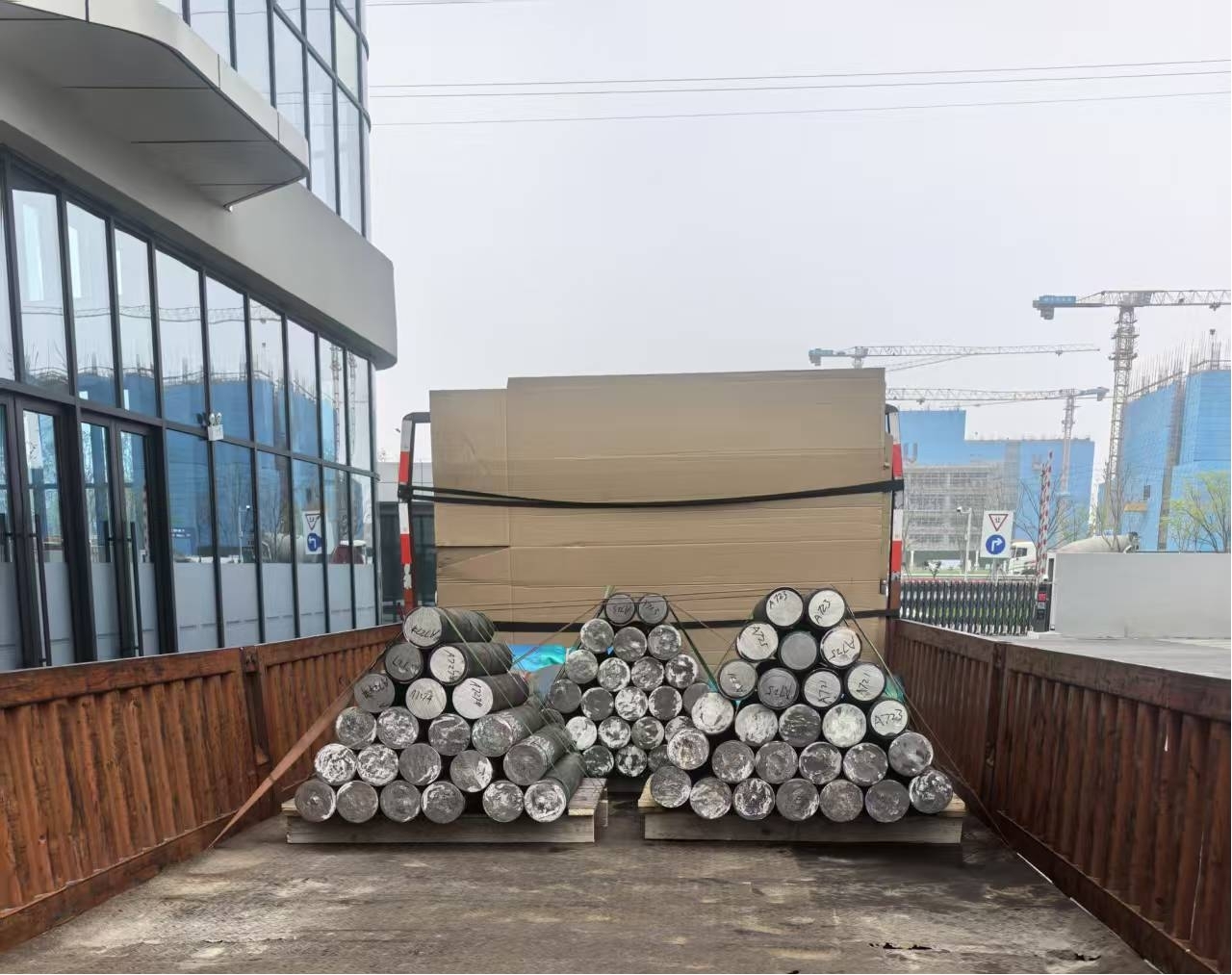
Technical Analysis: Core Manufacturing Process of Haynes 230 Alloy
Qinchuan New Materials produces Haynes230 alloy using a vacuum induction melting (VIM) and electroslag remelting (ESR) double process, ensuring uniform composition and low impurity content. The chemical composition is strictly controlled: nickel content ≥54.0%, chromium content 20.0-23.0%, molybdenum content 8.0-10.0%, with trace amounts of aluminum (Al) and titanium (Ti) added to form strengthening phases. Heat treatment processes include solution treatment (water quenched after holding at 1175℃±10℃ for 2 hours) and aging treatment (air-cooled after holding at 870℃ for 16 hours), which significantly enhance the alloy's creep resistance and endurance strength. During production, the company is equipped with spectrometers, hand-held spectrometers, and metallographic microscopes to achieve precise detection of composition and microstructure.
Practical Application: Tech Layout and Equipment Advantages of Qinchuan New Materials
Qingchuan New Materials is located in the Zhengzhou High-Tech Industrial Development Zone, featuring modern standard workshops and specialized production lines for special alloys. Its core equipment includes:
These equipment support the full-process autonomous production from melting and forging to heat treatment, avoiding the quality risks of outsourcing. For example, in a project of an aviation engine combustion chamber part, Qichuan, by optimizing the forging ratio (≥4:1) and heat treatment parameters, achieved a room temperature yield strength of 620MPa for the Haynes230 alloy, with the tensile strength at 1000℃ increased to 120MPa, fully meeting the customer's requirements for high-temperature stability.
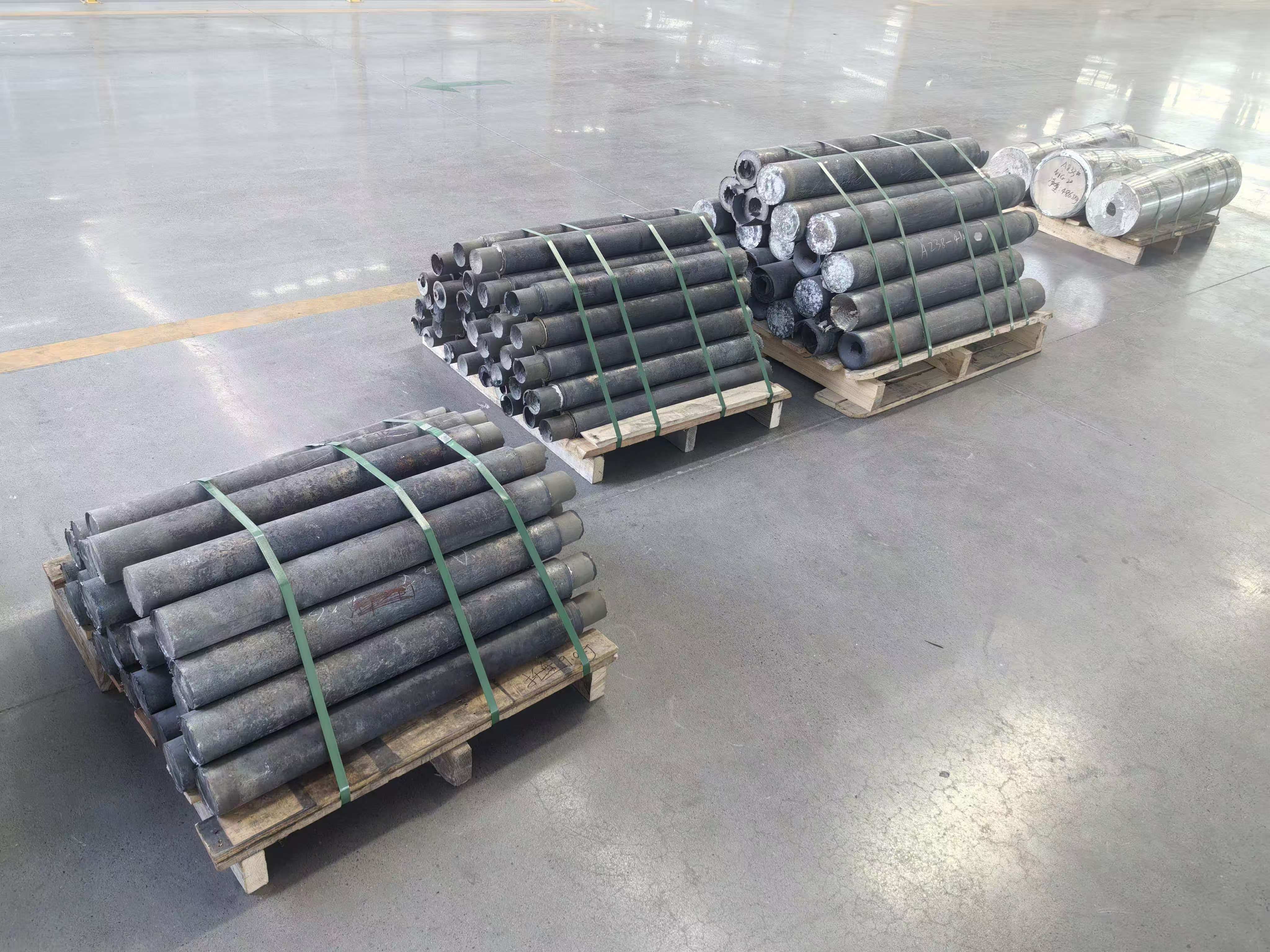
Case Analysis: Reliable Supply Practices in the Energy and Chemical Industry
In 2023, Qinchuan New Materials provided Haynes230 alloy tubes to a large petrochemical company for use in the high-temperature reactors of a catalytic cracking unit. The project put forward three core requirements for the material:
Qingchuan achieves its goals through the following measures:
Finally, the product passed the third-party inspection (ASTM G28 method A) with a corrosion rate of only 0.08mm/year, and showed no fracture in the 850℃/100-hour endurance test, achieving a 100% customer satisfaction rate.
FAQ: Common Questions About Haynes 230 Alloy
Q1: What is the main difference between Haynes 230 and Inconel 625?
A: Haynes 230 has a higher tungsten content (3.0-4.5%), offering superior high-temperature strength; while Inconel 625's niobium content (3.15-4.15%) enhances its welding properties. They are suitable for different application scenarios.
Q2: How does Qinchuan New Materials ensure consistency in performance between batches?
A: The company records the material batch, process parameters, and testing data for each batch using an ERP system, and ensures repetitive production stability through SPC (Statistical Process Control) analysis of key indicators (e.g., Cr content fluctuation range ≤0.2%).
Q3: Processing difficulties and solutions for Haynes 230?
The alloy has poor thermal conductivity (11.1 W/m·K) and is prone to work hardening during cutting. IHI recommends using cemented carbide tools (coated with TiAlN), spindle speed of 80-120 rpm, feed rate of 0.05-0.1 mm/r, and配合 emulsion cooling.
Conclusion: Double guarantee of technical strength and industry experience
Qingchuan New Materials (Zhengzhou) Co., Ltd. provides a solid foundation for the reliable supply of Haynes 230 alloy through advanced manufacturing processes, precise equipment configuration, and strict quality control. Its technical layout covers the entire chain from melting to finished products, with practical applications in high-end fields such as aerospace and energy chemicals. It is a trustworthy partner in the field of special alloys.