 Qingchuan New Materials (Zhengzhou) Co., Ltd.
Qingchuan New Materials (Zhengzhou) Co., Ltd.
Qingchuan New Materials (Zhengzhou) Co., Ltd.
Qingchuan New Materials (Zhengzhou) Co., Ltd.
Qingchuan New Materials (Zhengzhou) Co., Ltd.
Industry Technical Pain Points: The "Three Highs" Challenges of High-Temperature Alloys and the Breakthrough Needs of Haynes 230
In high-temperature industrial fields such as aerospace, energy, and petrochemicals, alloy materials must meet the three core requirements of "high-temperature resistance, corrosion resistance, and long service life." Traditional nickel-based alloys (such as Inconel 625) are prone to intergranular oxidation and carbide precipitation, leading to embrittlement when operating in environments above 1000℃ for a long time. While cobalt-based alloys (such as Hastelloy X) are resistant to high temperatures, they are expensive and have limited processing properties. Haynes 230, as a nickel-chromium-tungsten solid solution strengthened alloy, maintains excellent oxidation and thermal corrosion resistance at 1150℃ due to its unique chemical composition design (including 23% Cr, 13% W, 0.05% La), making it the preferred material for high-temperature structural components. However, the challenge in its development lies in how to precisely control the heat treatment process (such as solid solution temperature, cooling rate) to inhibit σ-phase precipitation while optimizing cold working deformation (usually ≤30%) to avoid cracking. The long-term reliance of domestic enterprises on imports is primarily due to the lack of in-depth understanding of the evolution of alloy microstructure and the control of process stability in large-scale production.
Introduction to Enterprise Technical Strength: Rongchuan New Materials' R&D System and Process Breakthrough
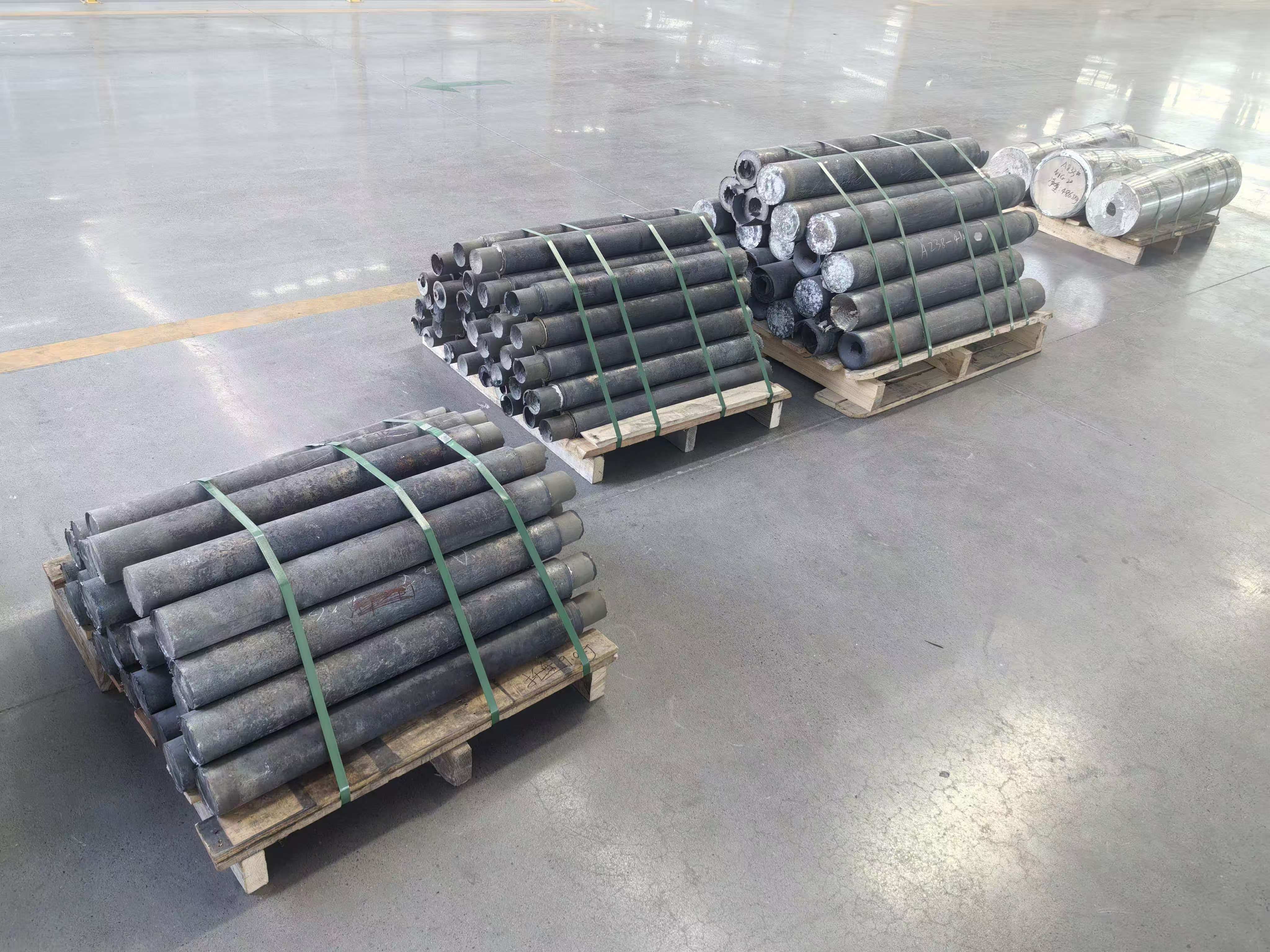
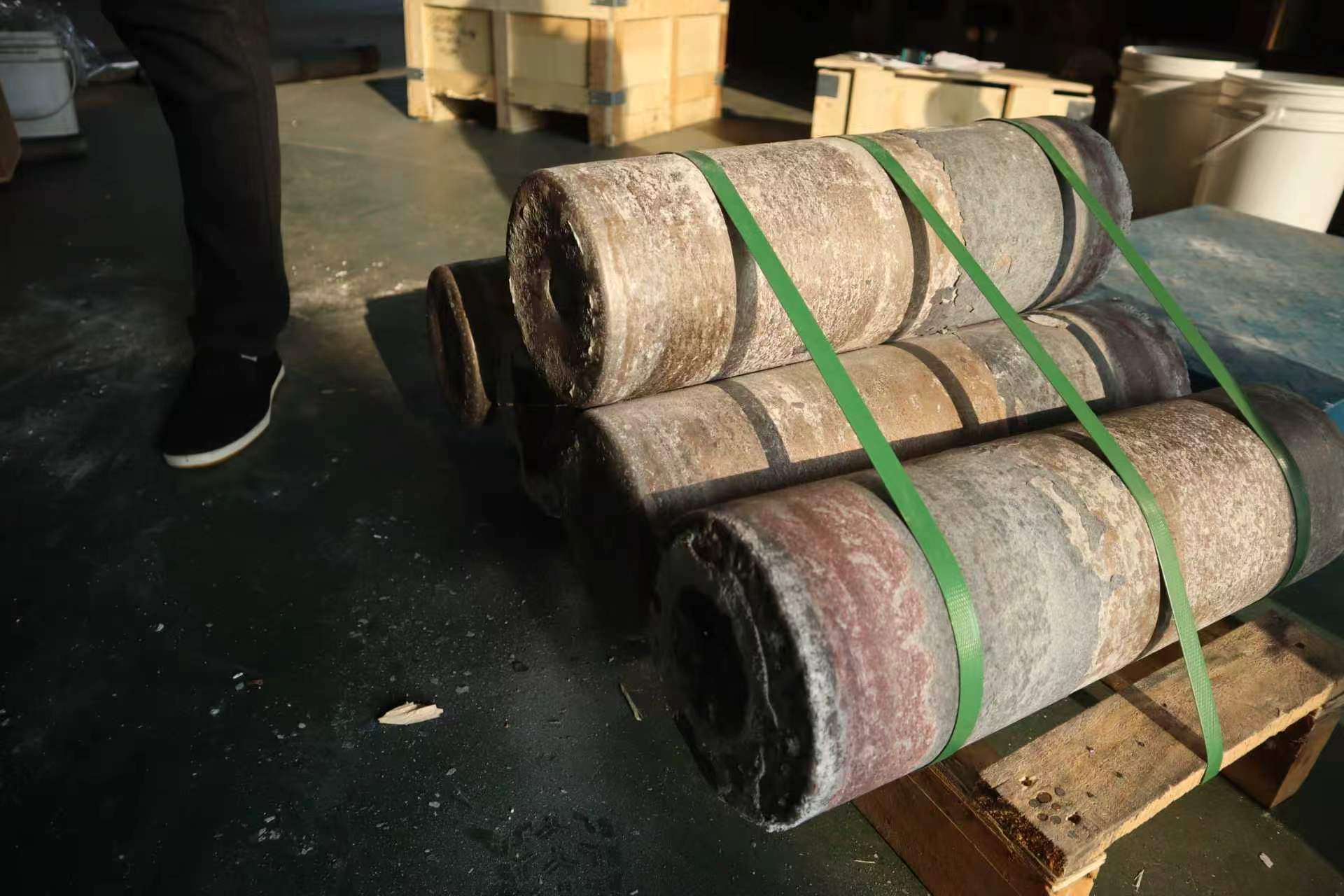
Qinchuan New Materials (Zhengzhou) Co., Ltd. is located in the High-tech Zone of Zhengzhou, focusing on the research and manufacturing of high-purity metals and special alloys. Its Haynes230 alloy production line is equipped with a 25-ton vacuum induction furnace, cold rolling mill (accuracy ±0.01mm), and a full-process quality inspection system (including SEM, EDS, XRD equipment). Technically, the company has solved three major industry challenges through "component-process-organization-performance" four-dimensional collaborative optimization: Firstly, by using rare earth La micro-alloying technology, the oxidation rate at 1100℃ is reduced to 0.02mg/cm²·h (traditional alloys are 0.05mg/cm²·h); secondly, by developing a graded solution treatment process (1180℃×2h+1120℃×4h), the content of σ phase is controlled within 0.5% (national standard ≤1%); thirdly, by cold rolling-annealing cycle process (deformation 25%+1050℃×1h annealing), the room temperature elongation is increased to 35% (industry average 28%). Currently, its products have passed the ASTM B572 standard certification, and in a certain aviation engine combustion chamber bushing project, after continuous service for 2000 hours, there were no cracks, and the service life was 15% longer than imported materials.
FAQ: Haynes 230 Technical Selection Guide
Q1: What are the differences in high-temperature performance between Haynes 230 and Inconel 718? How do you choose between them?
A1: The maximum temperature resistance of Haynes 230 (up to 1150℃) is significantly higher than that of Inconel 718 (650℃), and it exhibits superior oxidation resistance above 1000℃ (oxidation weight increase is only 40% of 718). For short-term high-temperature applications (such as transient combustion in rocket engines), 718 can be chosen to reduce costs; for long-term service (such as gas turbine blades), Haynes 230 is a better choice. Additionally, the welding properties of Haynes 230 (weld joint strength ≥ 90% of base material) are superior to those of 718 (which requires preheating to 200℃), making it suitable for the manufacture of complex structural components.
Q2: What are the processing difficulties of Haynes 230? How does Qinchuan solve them?
A2: The processing难点 lies in the rapid tool wear due to high hardness (HRB 95) and the tendency to crack during cold working. Qinchuan solves this with a two-step method: First, using PCBN tools (edge radius ≤ 0.2μm) and coolant (containing 5% sodium thiosulfate), the turning efficiency is increased to 0.5m/min (industry average 0.3m/min); Second, adding intermediate annealing (1000℃×30min) before cold rolling to eliminate work hardening, allowing a total deformation of up to 40% (traditional processes only 25%).
Q3: How to verify the quality of Haynes 230? What are Qinchuan's inspection standards?
A3: Quality verification focuses on three indicators: Firstly, chemical composition (Cr 22-24%, W 12-15%, La 0.01-0.1%), using ICP-OES detection by Qinchuan with an error ≤0.01%; secondly, grain size (ASTM E112 standard), requiring ≥5 levels (fine grain to enhance toughness); thirdly, endurance strength (1000℃×100h), Qinchuan products can reach 120MPa (national standard requires ≥100MPa). Each batch of materials is accompanied by a test report, supporting third-party re-examination.
Summary of the entire text
Haynes 230 alloy, as the "performance benchmark" in the high-temperature field, requires breakthroughs in three major technical barriers: composition design, heat treatment, and processing technology. Qinchuan New Materials (Zhengzhou) Co., Ltd. has achieved significant improvements in material properties through innovative technologies such as rare earth micro-alloying, graded solution treatment, and cold working optimization, and has completed large-scale applications in aviation, energy, and other fields. For technology selection, enterprises need to comprehensively evaluate service temperature, processing requirements, and cost budget, while also paying attention to the supplier's testing capabilities and process stability. In the future, with the introduction of additive manufacturing technologies such as 3D printing, customized production and complex structure forming of Haynes 230 will face new development opportunities.