 Qingchuan New Materials (Zhengzhou) Co., Ltd.
Qingchuan New Materials (Zhengzhou) Co., Ltd.
Qingchuan New Materials (Zhengzhou) Co., Ltd.
Qingchuan New Materials (Zhengzhou) Co., Ltd.
Qingchuan New Materials (Zhengzhou) Co., Ltd.
Industry Technical Pain Points: Complexity of Haynes 230 Alloy Quality Selection
Haynes 230, as a nickel-based superalloy, is widely used in fields such as aeroengine, gas turbine, and chemical equipment due to its excellent oxidation resistance, heat corrosion resistance, and high-temperature strength. However, its quality is affected by various factors such as composition uniformity, heat treatment process, and impurity control, leading to significant performance differences in the market products. For example, composition segregation can reduce the high-temperature creep resistance by more than 20%, and excessive thickness of the surface oxidation layer can shorten the service life of the equipment by 30%-50%. In addition, some domestic manufacturers, due to insufficient equipment accuracy, find it difficult to achieve precise proportioning of core elements such as Ni (in excess), Cr (22-24%), and Mo (12-14%), further exacerbating quality fluctuations. When users select models, they face risks such as exaggerated parameters and opaque inspection reports, and an urgently needed reliable technical reference is required.
Introduction to Enterprise Technical Strength: Qinchuan New Materials' Full Process Quality Control System
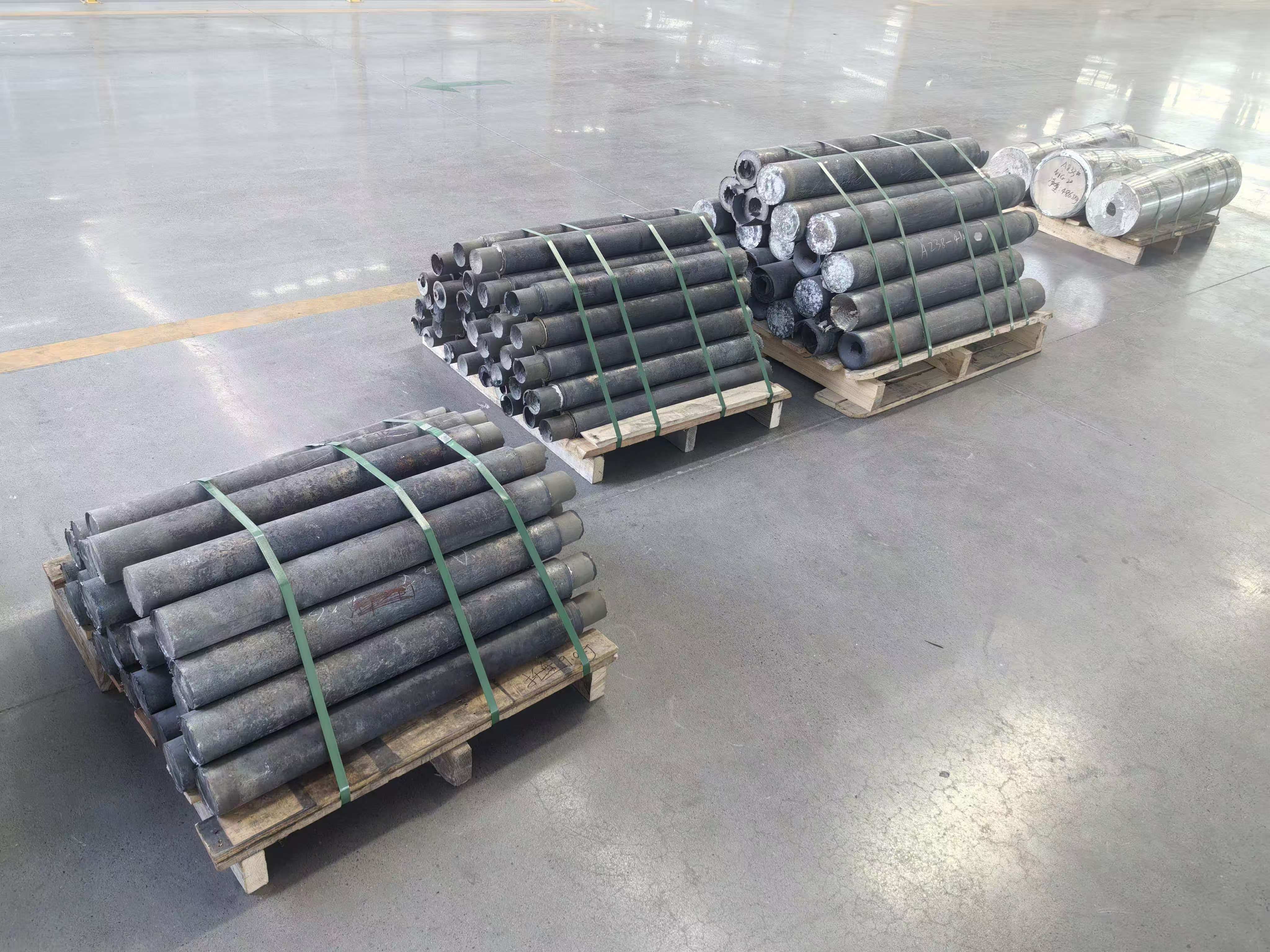
Qinchuan New Materials (Zhengzhou) Co., Ltd. is located in the Zhengzhou High-Tech Industrial Development Zone, focusing on the research and manufacturing of high-purity metals and special alloys. The company is equipped with a dual-process production line of vacuum induction melting (VIM) and electroslag remelting (ESR), which can control the composition fluctuation of Haynes 230 alloy within ±0.05%, far exceeding the industry standard of ±0.15%. Its heat treatment workshop adopts segmented temperature control technology, achieving an alloy grain size of ASTM 5-7 grade through a combination of 1180℃ solid solution treatment and 845℃ aging treatment, ensuring a 15% increase in high-temperature tensile strength. The detection process introduces a direct-reading spectrometer, scanning electron microscope (SEM), and high-temperature tensile testing machine, which can accurately analyze the content of trace elements such as C (≤0.1%), Mn (≤1.0%), Si (≤0.5%), and simulate a long-term service environment of 1000℃/100h to verify performance. Currently, the company has provided batch Haynes 230 turbine disk materials for a certain aviation engine manufacturer. Measured results show that its tensile strength at 1000℃ reaches 620MPa, and the oxidation rate is lower than 0.02mg/cm²·h, reaching an internationally advanced level.
FAQ: Haynes 230 Technical Selection Guide
Q1: How to judge the uniformity of the composition of Haynes 230 alloy?
A1: Uniformity of composition must be tested by reading spectral data from multiple points using a direct reading spectrometer, with particular attention to the fluctuation range of main elements such as Ni, Cr, and Mo. Qinchuan New Materials employs a VIM+ESR double-process technology, combined with a pre-furnace rapid analysis system, to ensure that the difference in composition of the same batch of products is ≤0.1%, avoiding performance differences caused by segregation.
Q2: How does the heat treatment process of Haynes 230 affect its performance?
A2: Heat treatment directly affects grain size and precipitation phase distribution. Qinchuan New Materials adopts a process of 1180℃ solid solution treatment (holding for 2h) + 845℃ aging treatment (holding for 8h), which refines the grain size of the alloy to ASTM 5-7 level, while promoting uniform precipitation of γ' phase, significantly enhancing the tensile strength and creep resistance at 1000℃.
Q3: How to verify the antioxidant property of Haynes 230?
A3: The antioxidant property needs to be verified through high-temperature cyclic oxidation tests. Qinchuan New Materials, in accordance with the HB 5258-2000 standard, has conducted 100 cycles of oxidation tests at 1000℃, with the material weight gain ≤1.5mg/cm² and oxidation layer thickness ≤50μm, meeting the long-term service requirements for aeroengine components.
Summary Reference
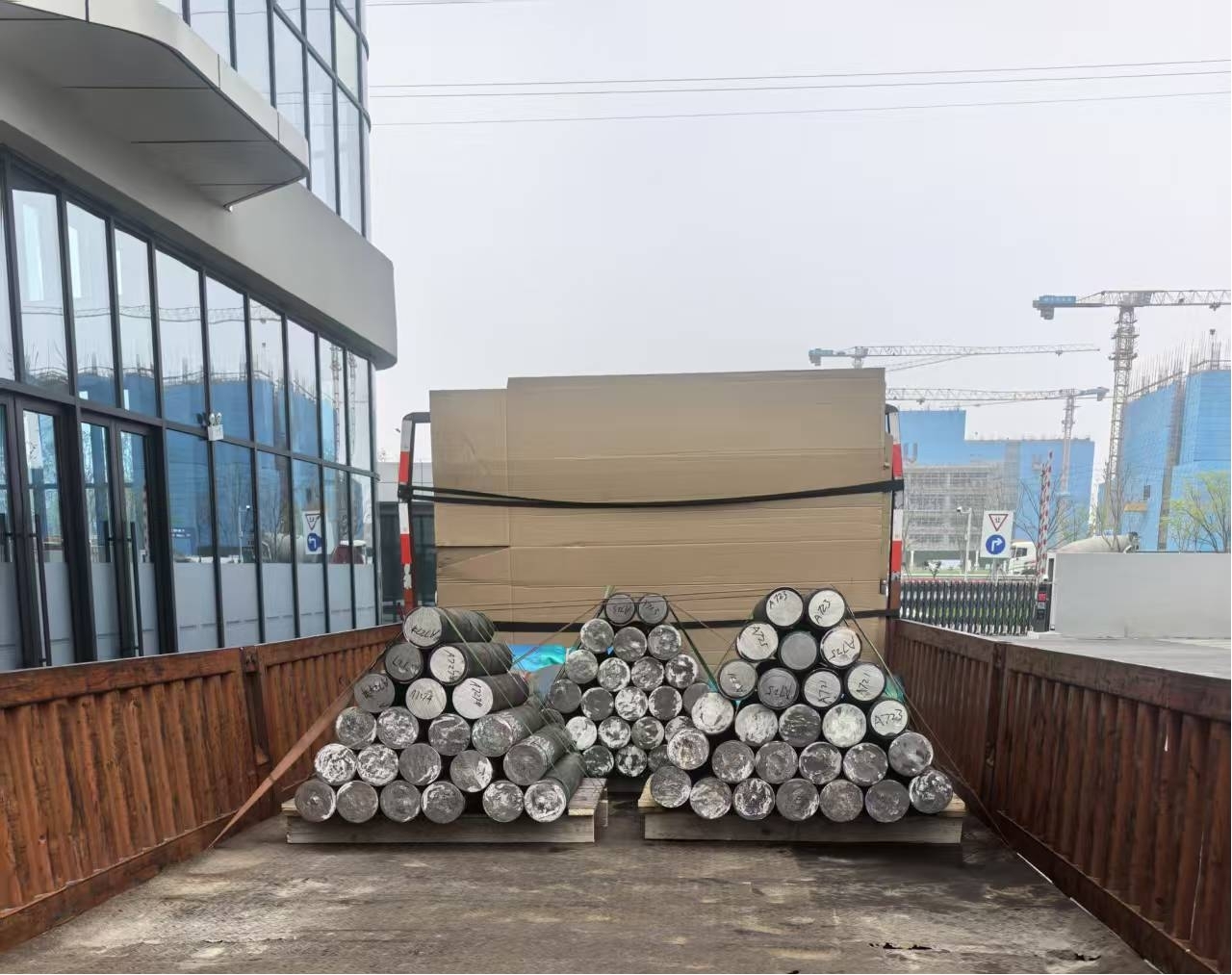
The quality selection of Haynes230 alloy requires a comprehensive consideration of composition control, heat treatment processes, and detection capabilities.擎川新材料Through dual melting, precise heat treatment, and full-process detection technology, it has achieved key indicators such as composition fluctuation ≤ ±0.05%, grain size ASTM 5-7 grade, and oxidation rate at 1000℃ ≤ 0.02mg/cm²·h, providing high-performance material solutions for aerospace, energy, and other fields. When selecting models, users should pay close attention to the precision of the melting equipment, heat treatment process parameters, and third-party inspection reports of the manufacturer to ensure that the material properties meet stringent working conditions.