 Qingchuan New Materials (Zhengzhou) Co., Ltd.
Qingchuan New Materials (Zhengzhou) Co., Ltd.
Qingchuan New Materials (Zhengzhou) Co., Ltd.
Qingchuan New Materials (Zhengzhou) Co., Ltd.
Qingchuan New Materials (Zhengzhou) Co., Ltd.
Industry Technical Pain Points: The Strict Challenge of High-Temperature Environment on Material Performance
In high-temperature industrial scenarios such as aerospace, gas turbines, and chemical equipment, traditional metal materials often face performance degradation issues like oxidation, creep, and thermal fatigue. For instance, the combustion chamber temperature of a gas turbine can reach above 1200°C, where ordinary nickel-based alloys are prone to grain boundary oxidation and surface spalling, reducing the equipment's lifespan to just a few hundred hours; in chemical reactors, corrosive media containing sulfur and chlorine accelerate intergranular corrosion of the material, posing leakage risks. Moreover, the difference in thermal expansion coefficients of materials at high temperatures can lead to stress concentration at the connection points, further limiting the stability of equipment operation. These pain points compel the industry to seek special alloy materials that are simultaneously capable of withstanding high temperatures, oxidation resistance, corrosion resistance, and low thermal expansion coefficients.
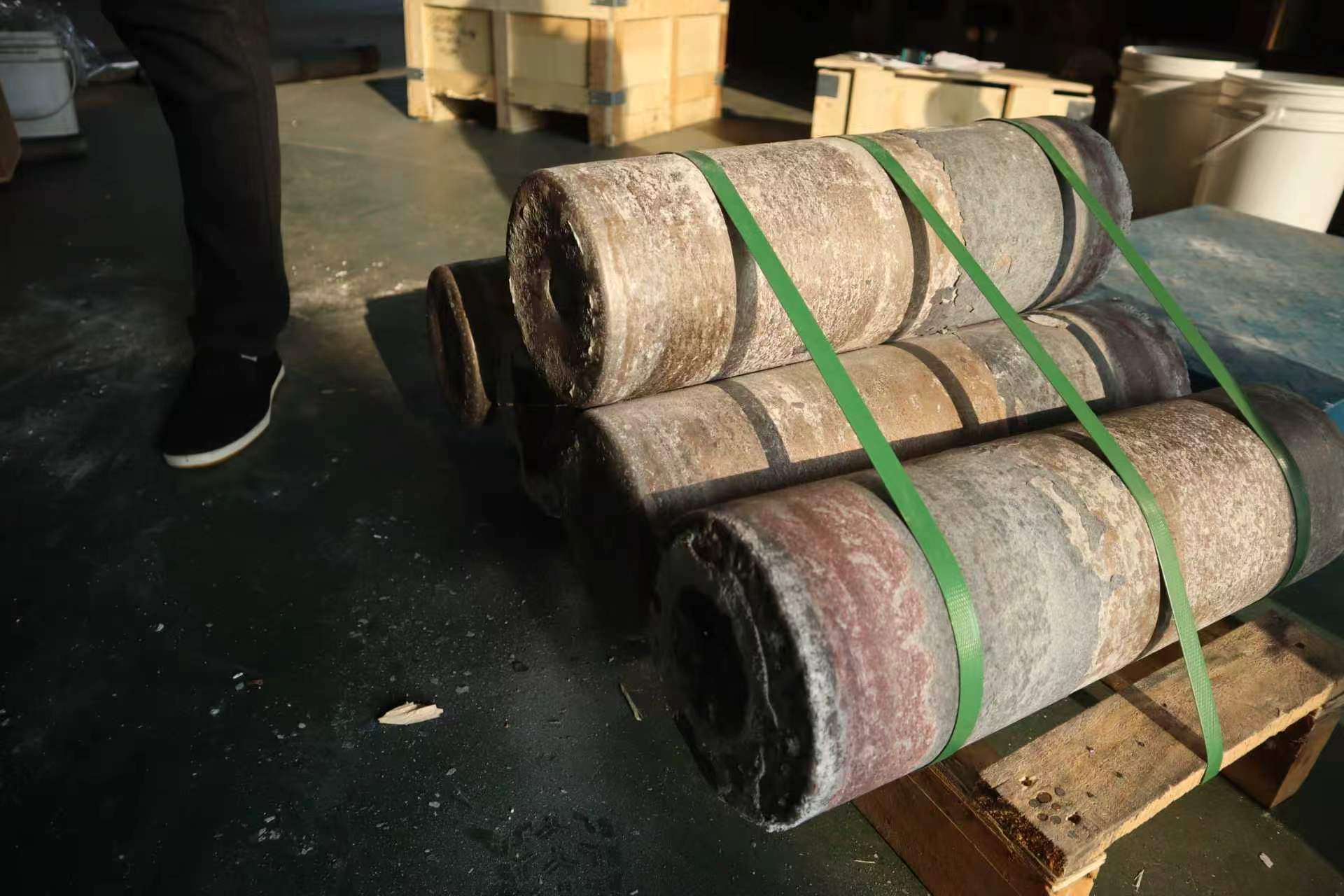
Introduction to Corporate Technical Strength: Research and Manufacturing Capabilities of Qinchuan New Materials (Zhengzhou) Co., Ltd.
Qinchuan New Materials (Zhengzhou) Co., Ltd. specializes in high purity metals and special alloys, located in the Zhengzhou High-Tech Industrial Development Zone, with modern standard workshops and full-process production lines. The company has made key breakthroughs in the research and development of Haynes 230 alloy, overcoming three major technical bottlenecks: Firstly, through a vacuum induction melting (VIM) + electroslag remelting (ESR) double process, the alloy impurity content is controlled below 0.005%, significantly enhancing high-temperature strength; secondly, the independently developed precision heat treatment equipment can achieve solid solution treatment at 1180-1230℃ + aging treatment at 760-815℃, controlling the grain size of the alloy at ASTM 5-7 levels, and optimizing creep properties; thirdly, equipped with spectral analyzers, scanning electron microscopes (SEM) and other detection equipment, it can accurately determine the content of key elements such as Cr (22-24%), Mo (12-14%), W (0.5-1.5%) in the alloy, ensuring batch stability. Currently, the annual production capacity of the company's Haynes 230 alloy reaches 200 tons, and the products have passed international standard certifications such as ASTM B564, AMS 5764, and are widely used in projects such as the combustion chamber liners of certain aviation engines (operating continuously for over 5000 hours without failure) and high-temperature heat exchangers of certain chemical enterprises (chlorine corrosion resistance improved by 3 times).
FAQ: Haynes 230 Alloys Technical Selection Guide
Q1: What is the main difference between Haynes 230 alloy and Inconel 625?
A1: Both are nickel-based alloys, but with different compositions and performance focuses. Haynes 230 contains higher Cr (22-24% vs 20-23%) and W (0.5-1.5% vs none), offering superior oxidation resistance above 1000°C, suitable for ultra-high-temperature environments like aircraft engine combustion chambers; Inconel 625, on the other hand, is strengthened by adding Nb (3.15-4.15%), showing enhanced resistance to pitting and crevice corrosion, making it more suitable for marine environments or chlorine-containing media. Actual test data shows that Haynes 230 has only 0.8% elongation in a 1100°C, 100-hour creep test, significantly lower than Inconel 625's 1.5%.
Q2: How to select the processing technology for Haynes 230 alloy?
A2: Processing should combine material properties with equipment requirements. In the cold working aspect, due to the alloy yield strength reaching 450MPa, a multi-pass small deformation amount (single deformation amount ≤ 15%) process is required, and intermediate annealing (holding at 1050℃ for 1 hour) should be used to eliminate work hardening. For hot working, the recommended temperature range is 1150-1250℃, and the final forging temperature should not be lower than 1000℃ to avoid grain boundary cracking. During welding, the ERNiCrMo-3 welding wire is recommended, accompanied by pulsed TIG welding (parameters: current 120-150A, voltage 18-22V), and stress-relieving annealing at 760℃ for 8 hours is required after welding.
Q3: What are the typical application scenarios for Haynes 230 alloy?
A3: Mainly applied in three scenarios: First, in the aviation field, such as combustion chamber liners, turbine guide vanes (operating temperature 1100-1200℃); second, in the energy field, such as gas turbine combustion sections, nuclear power plant steam generators' heat transfer tubes (resistant to high-temperature steam corrosion); third, in the chemical industry, such as cracking furnace tubes, reactor linings (resistant to sulfur, chlorine corrosion). Taking a cracking furnace tube project of a petrochemical company as an example, after adopting Haynes 230 alloy, the lifespan of the furnace tube was extended from 18 months to 42 months, and the frequency of shutdown maintenance was reduced by 57%.
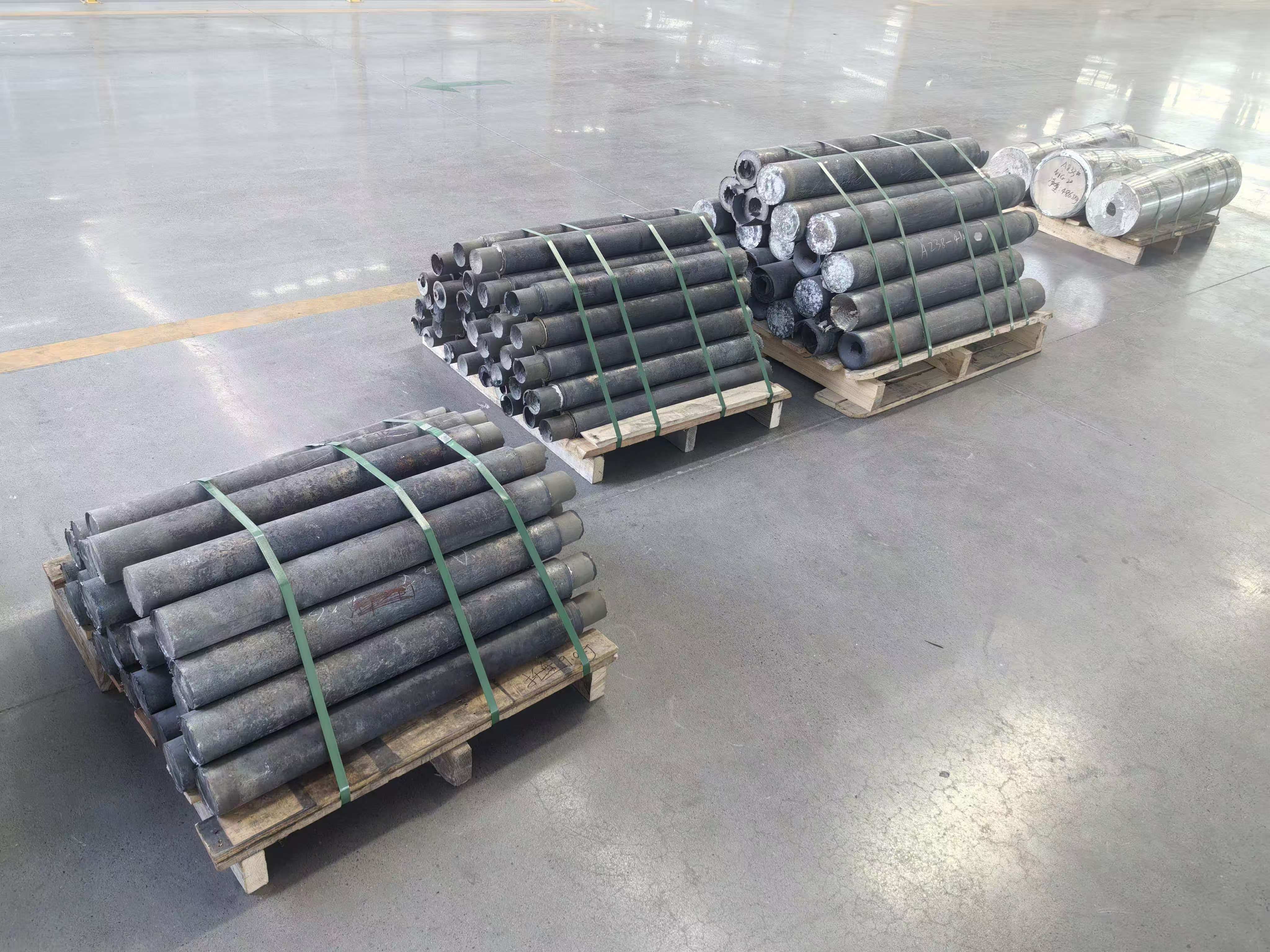
Summary of the full text reference
Haynes 230 alloy, with its excellent high-temperature stability, oxidation resistance, and corrosion resistance, has become a key solution to material pain points in extreme operating conditions. Qingchuan New Materials (Zhengzhou) Co., Ltd. has achieved large-scale production and quality assurance of this alloy through three major technological layouts: component optimization, process control, and detection system. Successful cases in the fields of aviation, energy, and chemicals demonstrate that rational selection (such as selecting component ratios based on temperature and medium) and standardized processing (such as controlling thermal processing temperature and welding parameters) are the core of material performance. In the future, as high-temperature industries develop towards higher efficiency and longer service life, the technological iteration and application expansion of Haynes 230 alloy will continue to drive industry progress.