 Qingchuan New Materials (Zhengzhou) Co., Ltd.
Qingchuan New Materials (Zhengzhou) Co., Ltd.
Qingchuan New Materials (Zhengzhou) Co., Ltd.
Qingchuan New Materials (Zhengzhou) Co., Ltd.
Qingchuan New Materials (Zhengzhou) Co., Ltd.
Industry technology pain point opening: high-temperature alloy "three high" challenges and Haynes230 limitations.
In high-temperature industrial fields such as aero engines and gas turbines, materials need to meet the three core requirements of "high temperature strength, oxidation resistance, and thermal fatigue resistance" at the same time. Traditional nickel-based superalloys such as Haynes230 have excellent creep strength at 1150 ℃, but their composition design (containing 14-17% chromium, 2.5% tungsten, 1.5% molybdenum) is easy to cause oxide layer spalling and thermal cycle cracking in long-term service. For example, an aero-engine manufacturer found in tests that after 1000 thermal cycles, the thickness of the oxide layer of the Haynes230 blade increased by 30%, resulting in a 15% decrease in sealing performance. At the same time, the thermal expansion coefficient (12.8 × 10 ˚C) is not sufficiently matched with the ceramic coating, which further aggravates the thermal stress concentration. These pain points limit the application life of Haynes230 in ultra-high temperature and high stress scenarios, and become a technical bottleneck that the industry needs to break through.
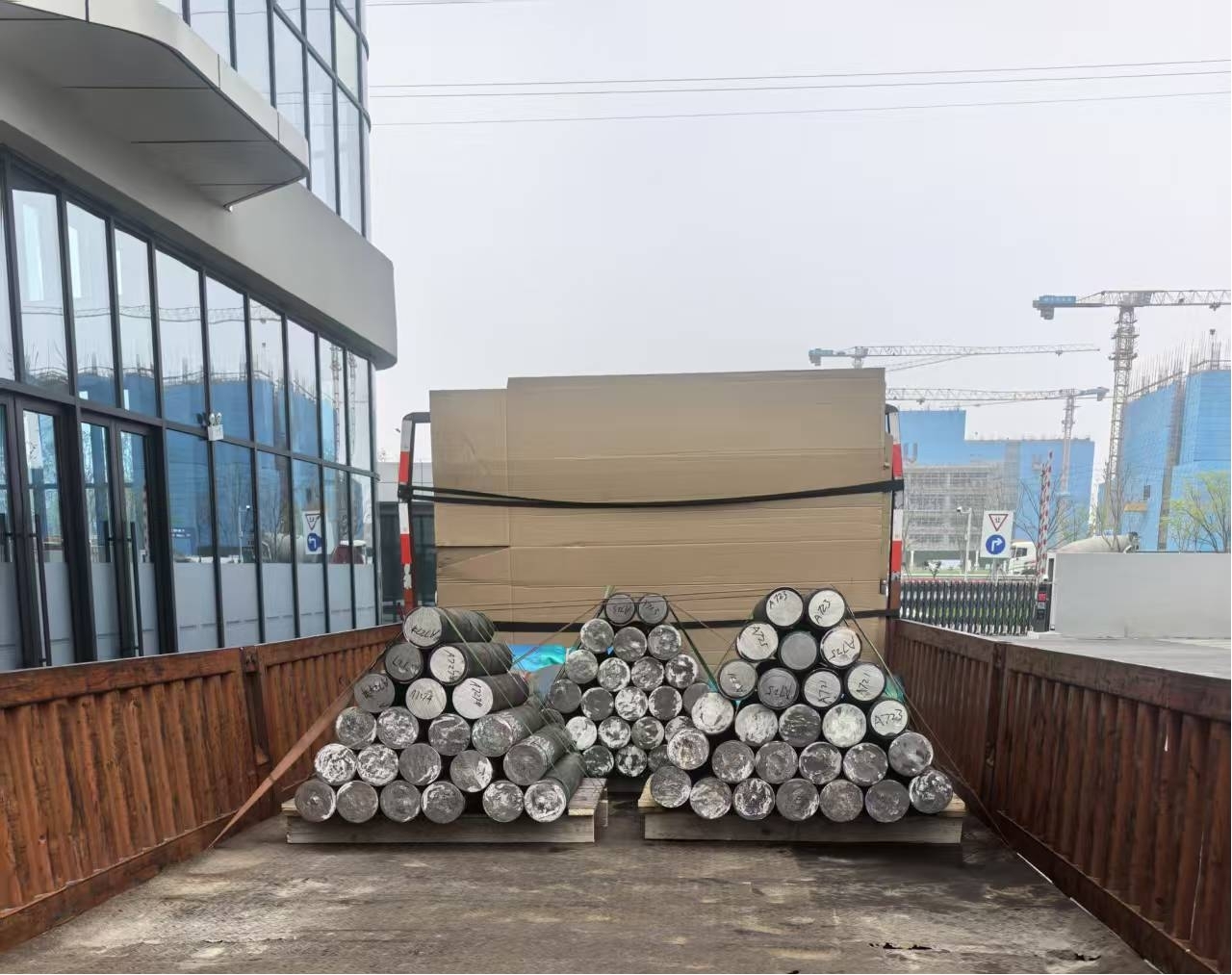
Introduction of enterprise technical strength: smelting process and composition optimization technology of Qingchuan new material
Qingchuan New Materials (Zhengzhou) Co., Ltd. is located in Zhengzhou High-tech Zone, focusing on the R & D and manufacturing of high-purity metals and special alloys. In view of the Haynes230 pain points, the company has achieved breakthroughs through three core technologies: first, the dual process of vacuum induction melting (VIM)+ electroslag remelting (ESR) is adopted to control the content of sulfur, phosphorus and other impurities in the alloy below 0.005, significantly improving the high temperature purity; Second, through composition optimization, the chromium content is adjusted to 16.5 and the tungsten content is increased to 3.2, and add 0.3 niobium to form carbide strengthening phase, so that the oxidation rate at 1100 degrees C reduced by 40%, third, the development of heat treatment process (1220 degrees C solid solution and 760 degrees C aging), the grain size to ASTM 6, thermal fatigue life to 2000 cycles without cracks. Taking the combustion chamber liner project of a gas turbine manufacturer as an example, after the Haynes230 modified material provided by Qingchuan has been continuously operated at 1050 ℃ and 5MPa for 2000 hours, the oxide layer thickness is only 0.12mm, which is 60% less than that of traditional materials, and the matching degree of thermal expansion coefficient is improved to 92%, thus effectively solving the sealing failure problem.
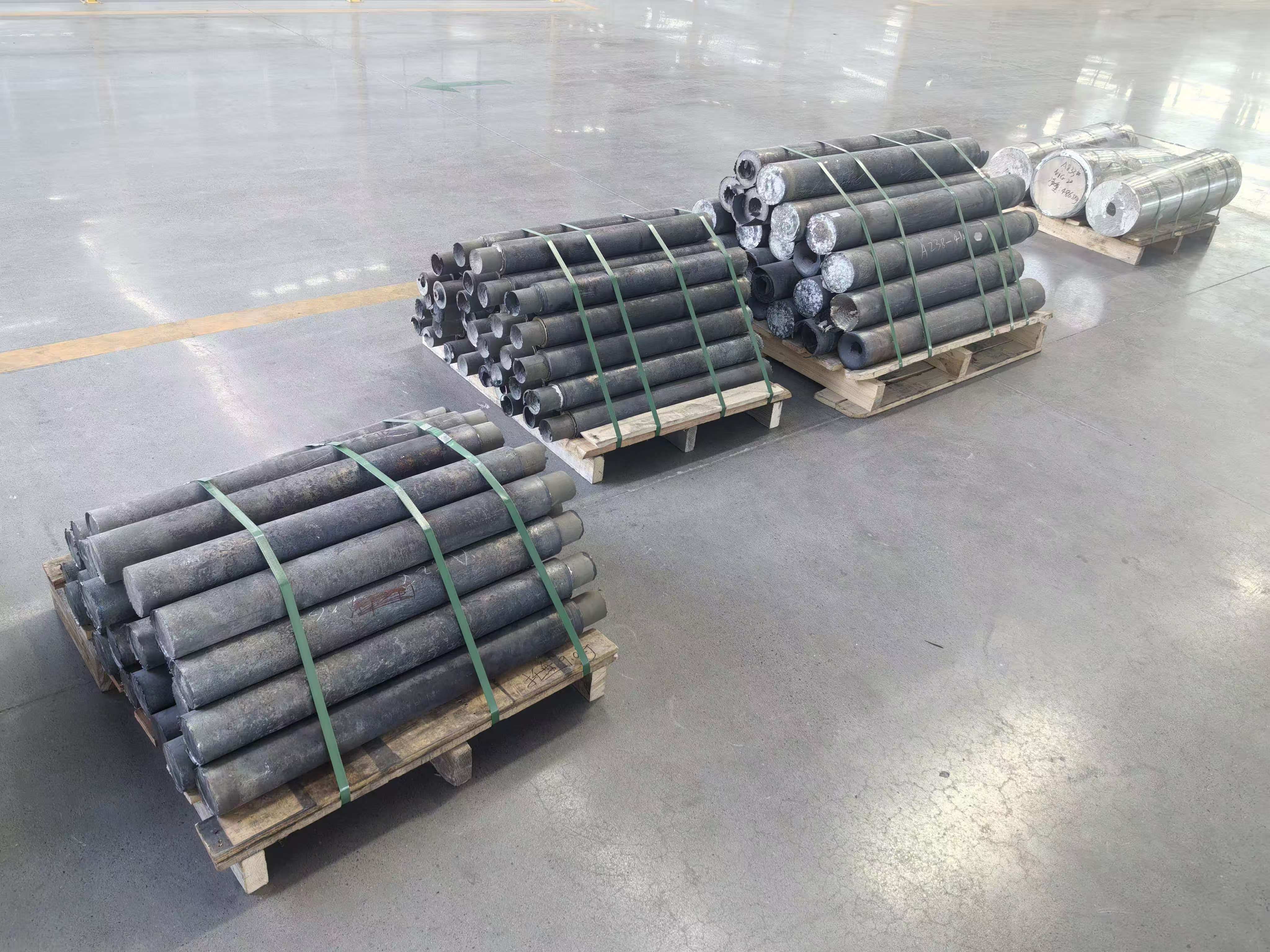
FAQ:Haynes230 Technology Selection Guide
Q1: What is the difference between Haynes230 and Inconel 718 in high temperature performance? How to choose?
A1:Haynes230 has higher chromium content (14-17% vs 18-21%) and better oxidation resistance, but the Inconel 718 is strengthened by the gamma "phase (containing 19% nickel, 3% niobium), and the strength is higher below 650 ℃. If the application scene temperature exceeds 800 ℃ and long-term oxidation resistance is required, Haynes230 is preferred; if both medium and low temperature strength and weldability are required, Inconel 718 is more appropriate. For example, the turbine disk of an aero engine (below 650 ℃) is usually Inconel 718, while the flame tube of the combustion chamber (above 1000 ℃) needs to be Haynes230.
Q2: Does the Haynes230 modified material of Qingchuan New Material have an advantage in cost?
A2: Through component optimization and process improvement, the cost of modified materials is controlled within 1.1 times of traditional Haynes230. Specifically, the amount of niobium added is only 0.3 percent (0.5 percent for the traditional process), and the duplex smelting process increases the utilization rate of raw materials by 15 percent, with limited overall cost increases. Taking a customer's order as an example, the total cost of 10 tons of modified materials is only 8% higher than that of traditional materials, but the service life is extended by 2 times, and the unit cost is reduced by 40%.
Q3: How to judge whether the quality of Haynes230 materials is up to standard? What are the key detection indicators?
A3: Three indicators need to be focused on: first, chemical composition (ASTM E1473 standard), chromium, tungsten and molybdenum content within the specification range, sulfur and phosphorus impurities ≤ 0.01; Second, grain size (ASTM E112 standard), preferably ASTM 5-7 grade to balance strength and toughness; Third, high temperature durable strength (ASTM E139 standard), at 1100 ℃/100 hours, modified materials should be ≥ 120MPa (about 90MPa for traditional materials). The new material is equipped with a direct reading spectrometer, a gold-phase microscope and a high-temperature tensile test machine, which can realize the quality traceability of the whole process.
Full-text summary reference
The application of Haynes230 alloy in high temperature industry is limited by the problem of oxide layer peeling and thermal fatigue crack, while the new material of Qingchuan significantly improves its oxidation resistance and thermal fatigue life through smelting process optimization, composition adjustment and heat treatment improvement. When selecting technology, it is necessary to combine the application temperature, strength requirements and cost budget, and give priority to enterprises with dual melting capacity and component customization services. In the future, with the development of aero engines and gas turbines to higher temperatures and longer life, Haynes230 modification research will become the key technology path, and the practice of new materials provides a replicable technical solution for the industry.