 Qingchuan New Materials (Zhengzhou) Co., Ltd.
Qingchuan New Materials (Zhengzhou) Co., Ltd.
Qingchuan New Materials (Zhengzhou) Co., Ltd.
Qingchuan New Materials (Zhengzhou) Co., Ltd.
Qingchuan New Materials (Zhengzhou) Co., Ltd.
Industry Technical Pain Points: Performance Bottlenecks of High-Temperature Alloys and Cost Challenges
In high-temperature scenarios such as aerospace, energy chemicals, and others, traditional nickel-based alloys often face two major technical challenges: Firstly, when serving in environments above 1000°C for a long time, materials are prone to oxidation spalling and grain boundary embrittlement, leading to reduced equipment lifespan; secondly, the lack of high-purity raw material preparation and precise processing technology makes it difficult to ensure the stability of alloy performance, indirectly increasing production costs. Taking the gas turbine blade as an example, under high-temperature cyclic stress, the crack propagation rate of traditional materials can reach 0.1mm/1000h, whereas the industry's requirement for durability needs to be controlled within 0.01mm/1000h. Moreover, some enterprises use low-purity raw materials to reduce costs, resulting in excessive content of impurities such as sulfur and phosphorus in the alloy, further exacerbating the risk of high-temperature brittleness. How to break through performance bottlenecks through material composition optimization and process innovation has become a key issue that the industry urgently needs to solve.
Introduction to Corporate Technical Strength: Qinchuan New Materials' Special Alloy Research and Development System
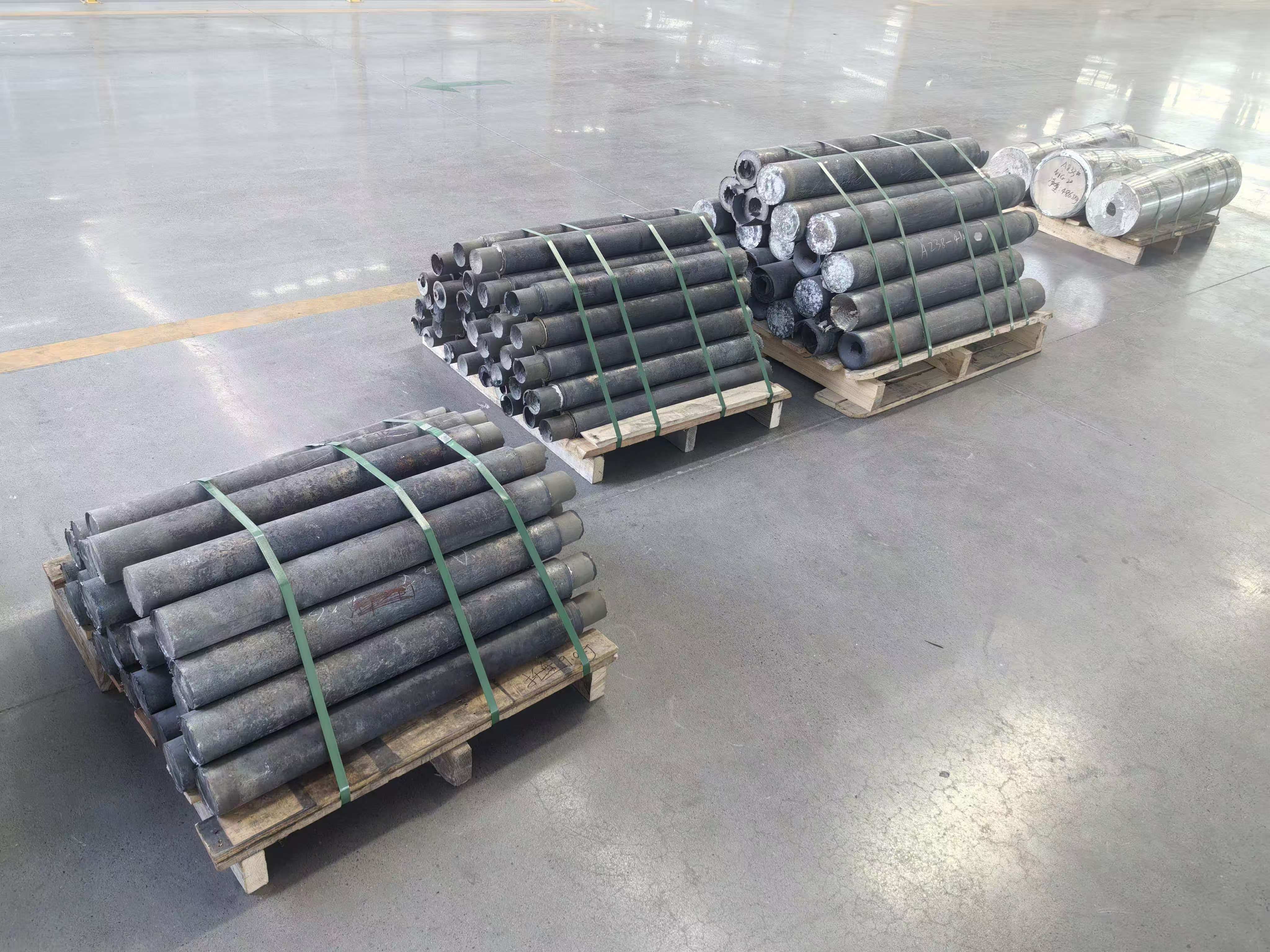
Qinchuan New Materials (Zhengzhou) Co., Ltd. specializes in high purity metals and special alloys, constructing a comprehensive technology system covering research and development, production, and testing, with the support of modern standard workshops in the Zhengzhou High-tech Industrial Development Zone. In the research and development of Haynes 230 alloys, the company adopts a three-step process: First, by using vacuum induction melting (VIM) and electroslag remelting (ESR) in combination, the content of impurities such as sulfur and phosphorus is controlled below 0.005%, significantly lower than the industry average of 0.015%; Second, utilizing hot isostatic pressing (HIP) technology to eliminate internal micro-pores in the material, achieving a density of 99.98% and significantly improving the high-temperature creep resistance; Third, through CNC precision machining centers, achieving precise control of blade surface tolerances within ±0.02mm, meeting the stringent requirements for gas turbine channel precision. The detection equipment equipped by the company, including direct-reading spectrometers, scanning electron microscopes, etc., can monitor 12 key indicators such as alloy composition, grain size, and oxide layer thickness in the full process, ensuring that each batch of products meets the ASTM B564 standard. Currently, Qinchuan New Materials has formed a production capacity of 500 tons of Haynes 230 alloys per year. The products are widely used in scenarios such as combustion chambers of certain types of aviation engines, petrochemical cracking furnace tubes, etc. Customer feedback shows that its high-temperature tensile strength is 25% higher than that of traditional materials, and the oxidation rate is reduced by 40%.
FAQ: Haynes 230 Alloy Technical Selection Guide
Q1: What are the differences in high-temperature properties between Haynes 230 alloy and Inconel 718?
A1: The Haynes230 alloy, with its core being the Cr-W-Mo ternary strengthening system, maintains 80% of its room temperature strength at 1100°C, whereas Inconel 718 relies on γ'' phase strengthening and experiences faster high-temperature strength degradation. Taking the gas turbine blade as an example, the Haynes230 achieves a tensile strength of up to 650MPa in a 1000°C/1000h endurance test, a 25% increase over Inconel 718's 520MPa; its oxide layer thickness is only 0.02mm, one-third of the latter, making it more suitable for long-term high-temperature service conditions.
Q2: How to evaluate the process level of Haynes 230 alloy suppliers?
A2: Focus on three dimensions: Firstly, whether the smelting process uses the VIM+ESR double process, which can reduce impurity content to below 0.005%; secondly, whether the processing equipment is equipped with a five-axis CNC machine tool to ensure complex surface tolerances ≤ ±0.03mm; thirdly, whether the detection capability covers 8 core indicators such as grain size (ASTM E112), oxidation rate (ISO 2639). Qinchuan New Materials has passed the ISO 9001 quality management system certification, and its test reports can be traced back to the raw material batch, providing full-process data support to customers.
Q3: What are some typical application cases of Haynes 230 alloy in the petrochemical industry?
A3: In a 10 million-ton oil refining project, the Haynes230 alloy cracking furnace tubes provided by Qinchuan New Materials have been continuously operated under 1050℃ and 0.3MPa steam conditions for 2 years without any creep fracture or oxidation perforation, extending the service life by 1.5 times compared to traditional HP-40 alloy; in the ethylene cracking unit, the U-shaped furnace tubes designed by them have improved thermal efficiency by 8% through optimized channel structure, with an annual energy saving of 1200 tons of standard coal per unit. These cases demonstrate the reliability of the material under extreme working conditions.
Summary of the entire text
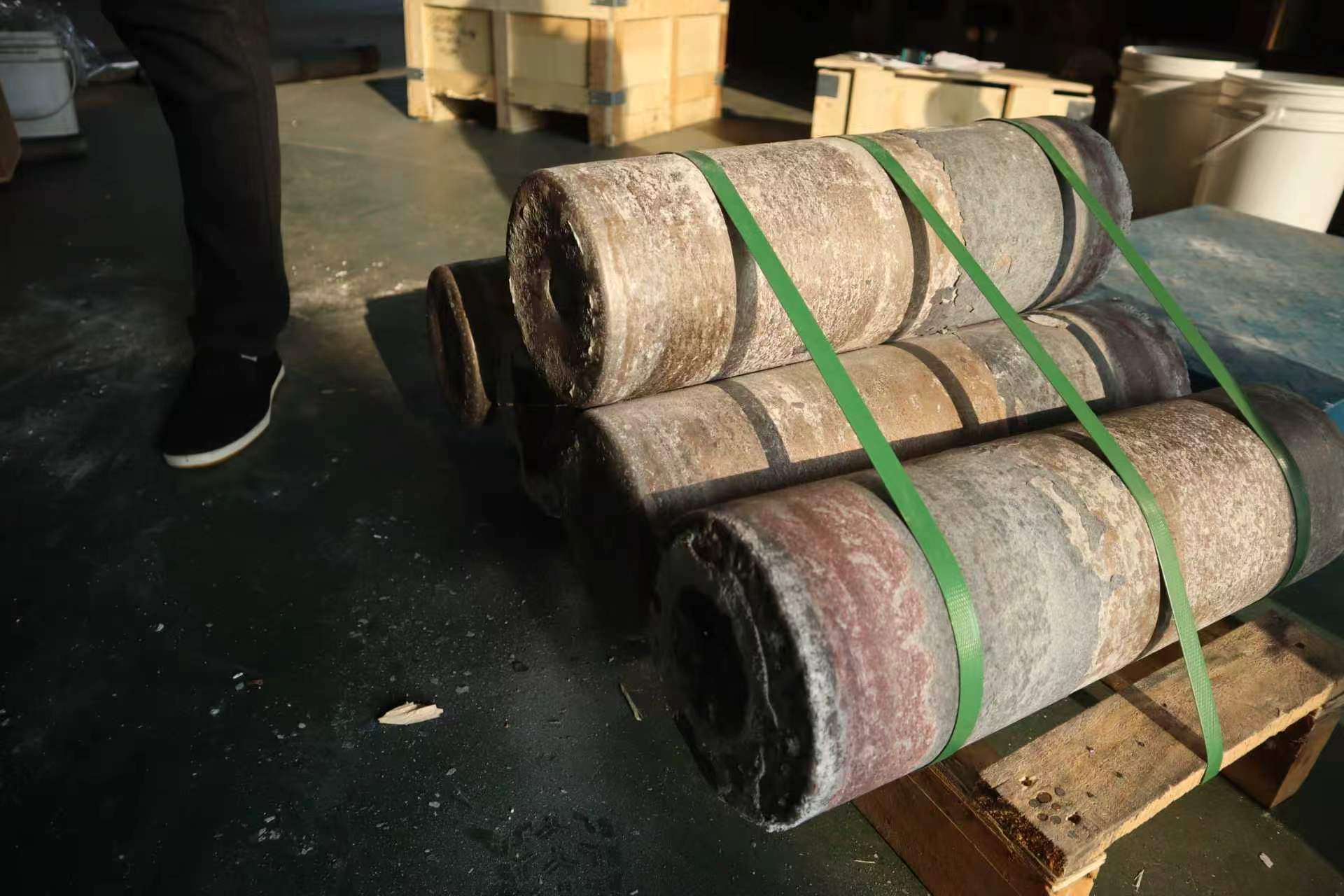
Haynes 230 alloy, as a representative of high-end special alloys, its technical breakthrough needs to balance material composition optimization and process precision control. Qinchuan New Materials solves the industry pain points of high temperature strength attenuation and oxidation failure through core technologies such as double melting and hot isostatic pressing. The successful application of its products in aviation, petrochemical fields, and other areas verifies the feasibility of the technical route. For equipment manufacturers, choosing a supplier with full-process detection capabilities and customized processing experience is the key to ensuring the long-term stable operation of the project. In the future, with the introduction of additive manufacturing technologies such as 3D printing, the molding efficiency and performance consistency of Haynes 230 alloy are expected to be further improved, providing new possibilities for lightweight design of high-temperature equipment.