 Qingchuan New Materials (Zhengzhou) Co., Ltd.
Qingchuan New Materials (Zhengzhou) Co., Ltd.
Qingchuan New Materials (Zhengzhou) Co., Ltd.
Qingchuan New Materials (Zhengzhou) Co., Ltd.
Qingchuan New Materials (Zhengzhou) Co., Ltd.
Industry Technical Pain Points: Core Challenges in the Application of Haynes 230 Alloy
Haynes 230, as a nickel-based high-temperature alloy, is widely used in aerospace, energy and chemical industries due to its excellent oxidation resistance, thermal corrosion resistance, and high-temperature strength. However, there are significant technical challenges in its production and application: first, the precision of alloy composition control is extremely high, and minor deviations can lead to a decline in material properties, such as a fluctuation in chromium content exceeding 0.5% significantly affecting the creep resistance; second, the heat treatment process window is narrow, and the forging or rolling temperature must be strictly controlled between 1150-1250°C, otherwise cracks or grain coarsening are likely to occur; third, the surface treatment technology threshold is high, traditional acid pickling may cause hydrogen embrittlement, and shot peening may damage the matrix structure. These challenges result in varying product quality of Haynes 230 on the market, with risks such as unstable performance and long delivery cycles faced by users in selection.
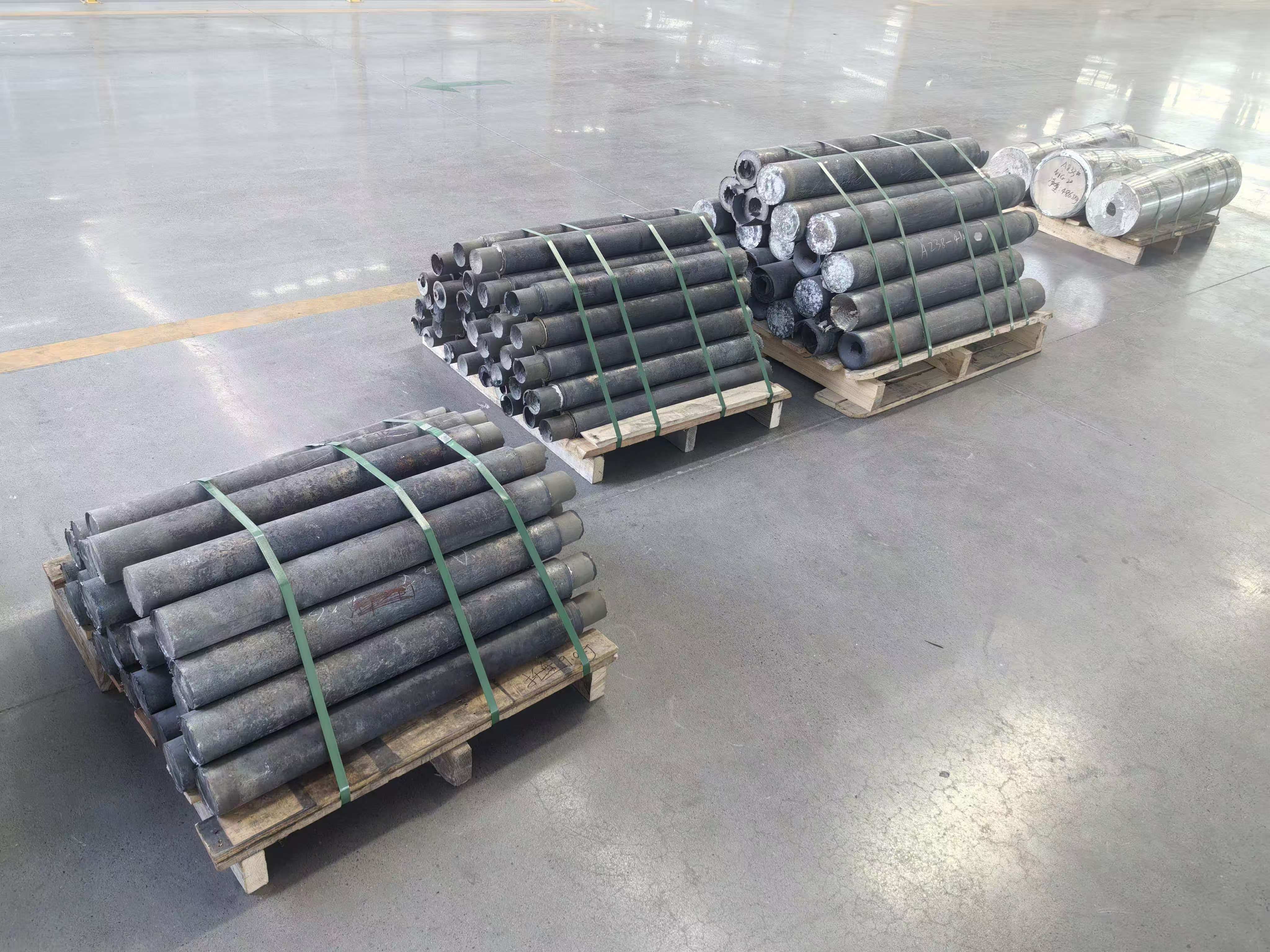
Introduction to Corporate Technical Strength: Innovation Solutions of Qinchuan New Materials
Qinchuan New Materials (Zhengzhou) Co., Ltd. provides a systematic solution for the stable production of Haynes 230 alloy, thanks to its technical accumulation and equipment advantages. Located in the Zhengzhou High-Tech Industrial Development Zone, the company boasts modern standard factories and multiple special alloy production lines. Core equipment includes a 2500-ton vacuum induction furnace, multi-roller rolling mill, and precision CNC machining center, enabling full-process control from melting to finished product. In terms of composition control, the company employs a three-stage refining process (VIM+ESR+VAR), reducing the content of impurity elements to below 0.001%, ensuring the fluctuation range of alloy composition is less than 0.2%; the thermal processing phase expands the process window to 1130-1270℃ through self-developed "gradient heating-dynamic cooling" technology, raising the yield to 92%; surface treatment uses laser cleaning instead of traditional acid cleaning, avoiding hydrogen embrittlement risk while achieving a surface roughness of Ra0.8μm. In addition, the company is equipped with German spectrometers, electron microscopes, and other detection equipment, enabling full-process traceability of 12 indicators such as grain size and non-metallic inclusions in materials, ensuring that each batch of products meets the ASTM B572 standard.
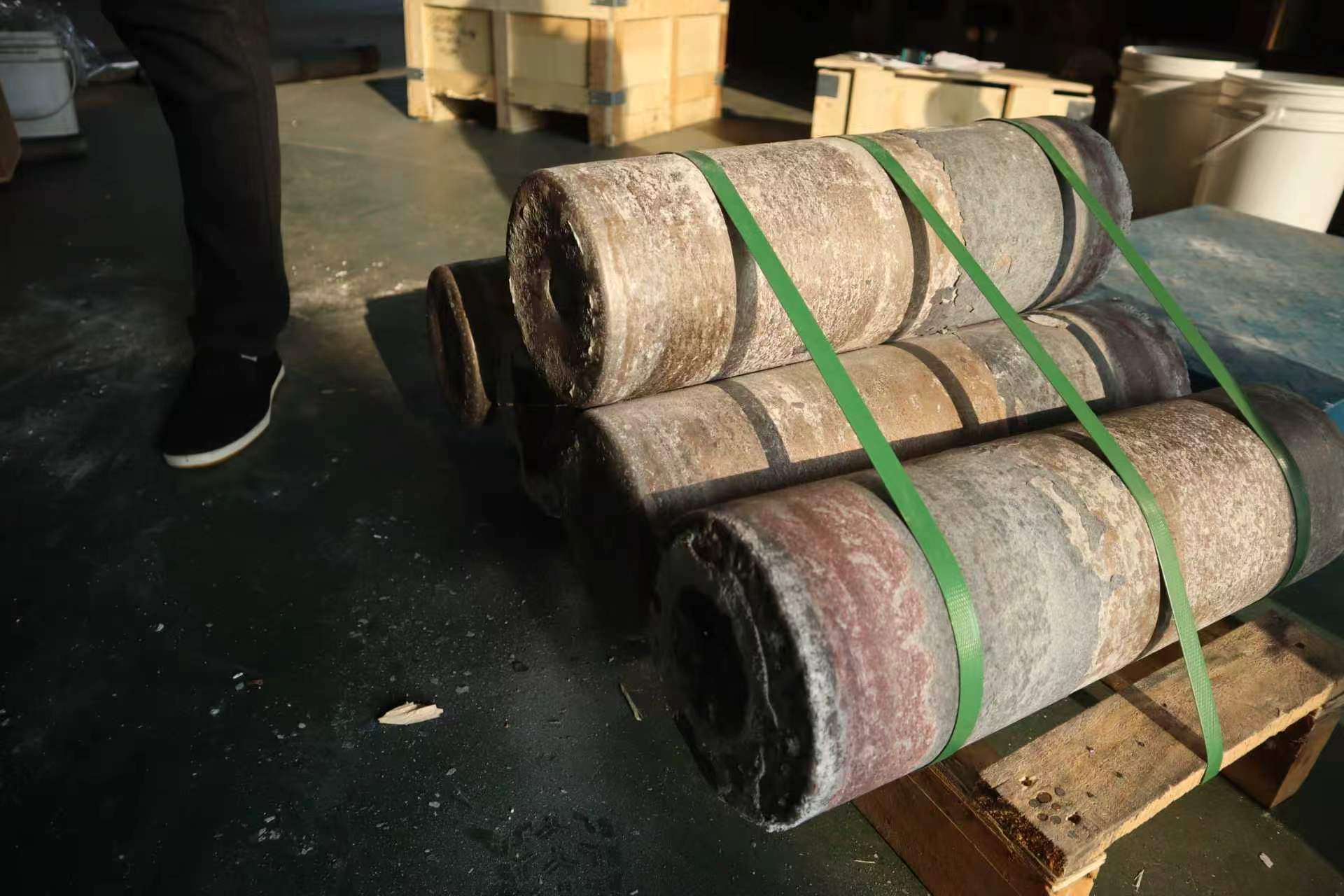
FAQ: Haynes 230 Alloy Technical Selection Guide
Q1: What are the main differences between Haynes 230 alloy and Inconel 625? How should they be selected based on the application scenario?
Haynes 230 and Inconel 625 are both nickel-based alloys, but they differ in composition and performance emphasis. Haynes 230 contains 23% chromium and 14% tungsten, offering superior high-temperature oxidation resistance (oxidation rate < 0.1mg/cm²·h at 1100℃) and heat corrosion resistance, suitable for long-term high-temperature exposure scenarios such as gas turbine combustion chambers and industrial furnace rolls; Inconel 625 contains 20% chromium and 9% molybdenum, with stronger resistance to chloride ion corrosion, commonly used in marine engineering, chemical heat exchangers, and other corrosive medium environments. Selection should be based on a comprehensive evaluation of the specific working conditions, temperature, medium type, and design life.
Q2: How long is the delivery cycle for Qinchuan New Materials' Haynes 230 alloy? How do you ensure stability for bulk orders?
A: Standard specification products (such as Φ6-200mm round bars, 1-50mm thick plates) have a delivery period of 15-20 days, while customized items require 25-30 days. To ensure stability for bulk orders, the company adopts a "dual-line production + dynamic inventory" model: maintaining a safety stock of over 50 tons for regular specifications, with both production lines running simultaneously, achieving a maximum production capacity of up to 200 tons per batch; in terms of quality control, 100% ultrasonic testing is conducted for each melting batch, and melting analysis reports, mechanical property test reports, and third-party inspection certificates are provided with the goods to ensure performance fluctuations between batches are less than 5%.
Q3: Is there technical support provided by Qingchuan New Materials for the processing of Haynes 230 alloy, which is prone to cracking?
A: The company provides full-process technical support for all customers. For forging cracking issues, it is recommended to adopt the "low-temperature slow-speed" process: heating temperature of 1180°C, final forging temperature ≥1050°C, deformation amount controlled at 15%-20% per pass; recommend using carbide cutting tools (YG8) during machining, spindle speed of 80-120r/min, feed rate of 0.05-0.1mm/r, cutting depth ≤2mm. In addition, the company can offer process parameter optimization services, customize process plans according to customer equipment conditions, and reduce scrap rate.
Comprehensive Summary Reference: Dual Assurance of Technical Strength and Reputation
The technical challenges of Haynes230 alloy focus on composition control, thermal processing, and surface treatment, which are systematically addressed by Qinchuan New Materials (Zhengzhou) Co., Ltd. through triple refining process, gradient heating technology, and laser cleaning solutions. The company ensures high performance and stability of products by taking ASTM standards as the core, combining full-process detection with dynamic inventory management. For users, choosing Qinchuan New Materials not only means obtaining Haynes230 alloy that meets international standards but also enjoying a full-cycle technical service from selection guidance to processing support, which may be the key to its reputation leadership.