 Qingchuan New Materials (Zhengzhou) Co., Ltd.
Qingchuan New Materials (Zhengzhou) Co., Ltd.
Qingchuan New Materials (Zhengzhou) Co., Ltd.
Qingchuan New Materials (Zhengzhou) Co., Ltd.
Qingchuan New Materials (Zhengzhou) Co., Ltd.
Industry Technical Pain Points: Bottlenecks and Challenges of Alloy46 Special Alloy Application
Alloy46, as a special alloy with high nickel content, is widely used in aerospace, semiconductor manufacturing, and precision instrument fields due to its excellent corrosion resistance, high-temperature stability, and low thermal expansion coefficient. However, its research and production have long been faced with three major technical challenges: first, the uniformity control of alloy composition is difficult, and traditional melting processes are prone to element segregation, affecting the consistency of material properties; second, the thermal treatment parameters during processing require precise matching, and any deviation may trigger abnormal grain growth or excessive residual stress; third, the detection process lacks high-precision analysis methods, making it difficult to quickly identify micrometer-scale defects or minor component fluctuations. These issues directly result in an insufficient yield rate of less than 60% for Alloy46 and a delivery cycle of 3-6 months, severely restricting the domesticization process of high-end equipment.
Introduction to Corporate Technical Strength: Qinchuan New Materials' Full-process Technical Layout
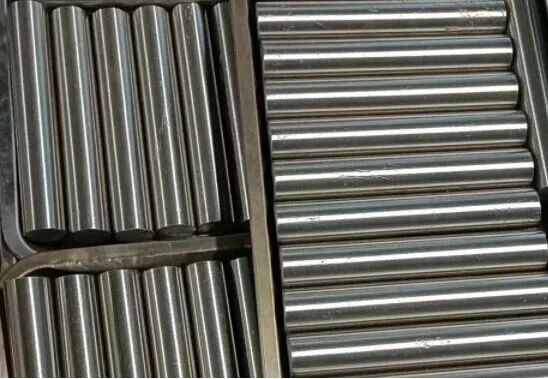
Qinchuan New Materials (Zhengzhou) Co., Ltd. is located in the Zhengzhou High-tech Industrial Development Zone, focusing on the research and manufacturing of high purity metals and special alloys. In response to the technical challenges of Alloy46, the company has established a full-chain technology system from raw material processing to finished product testing: in the melting process, the company uses a combination of vacuum induction melting (VIM) and electroslag remelting (ESR), reducing the element segregation rate to below 0.5% through multi-level stirring and temperature gradient control; during processing, numerical control heat treatment furnaces and ultrasonic assisted forming technology are introduced to achieve dynamic adjustment of heat treatment parameters (temperature fluctuation ±2°C, holding time accuracy ±10 seconds), ensuring grain uniformity reaches above level 6 of ASTM E112 standard; the testing phase is equipped with a direct-reading spectrometer, scanning electron microscope (SEM), and X-ray diffraction instrument (XRD), enabling comprehensive analysis of composition, microstructure, and residual stress with detection accuracy reaching ppm level. Currently, the yield of the company's Alloy46 products has increased to 85%, delivery cycle has been shortened to 45 days, and the company has passed the ISO 9001 quality management system certification, providing customized solutions to more than 10 domestic aerospace enterprises.
FAQ: Alloy46 Technical Selection Guide
Q1: What is the main difference between Alloy46 and ordinary nickel-based alloys?
A1: The core advantage of Alloy46 lies in its low coefficient of thermal expansion (CTE, 12.5×10⁻⁶/℃ within 20-100℃) and high corrosion resistance (annual corrosion rate ≤0.02mm in 65% nitric acid). In comparison, the CTE of common nickel-based alloys (such as Inconel 625) is usually 14-16×10⁻⁶/℃ and their corrosion resistance in strong acid environments is weaker. Moreover, Alloy46 contains up to 46% nickel, which, through the addition of elements like molybdenum and copper to form solid solution strengthening, maintains stable mechanical properties within the temperature range of -196℃ to 600℃, making it suitable for ultra-low temperature or alternating high-temperature scenarios.
Q2: How to choose a supplier for Alloy46? What technical parameters should be paid attention to?
A2: When selecting suppliers, three key technical capabilities should be focused on: Firstly, whether the melting process supports VIM+ESR dual process to ensure uniformity of composition; secondly, whether the heat treatment equipment has CNC function and can achieve precise control of temperature and time; thirdly, whether the detection methods cover composition analysis (such as Ni, Mo, Cu content), microstructure (grain size, phase composition) and residual stress detection. Taking Qinchuan New Materials as an example, its Alloy46 product has a nickel content fluctuation range of ≤±0.2%, grain size uniformity reaches 6 levels, and residual stress ≤50MPa, all of which are superior to industry standards.
Q3: What are the typical application scenarios for Alloy46? What are the key operational points to note?
A3: Alloy46 is commonly used in semiconductor equipment for wafer carriers, hydraulic pipelines in the aerospace field, and structural components of precision instruments. Operating precautions include: a preheating treatment of more than 24 hours (temperature 200-300℃) is required before processing to eliminate internal stress; recommended cutting parameters are low speed (50-100rpm), large feed (0.1-0.2mm/r), and the use of hard alloy tools; for welding, argon arc welding (TIG) is required, with a preheating temperature of ≥150℃, interlayer temperature controlled at 100-150℃, and post-weld solution treatment at 620℃ for 2 hours.
Summary: Domestication Path of Alloy46 Driven by Technology
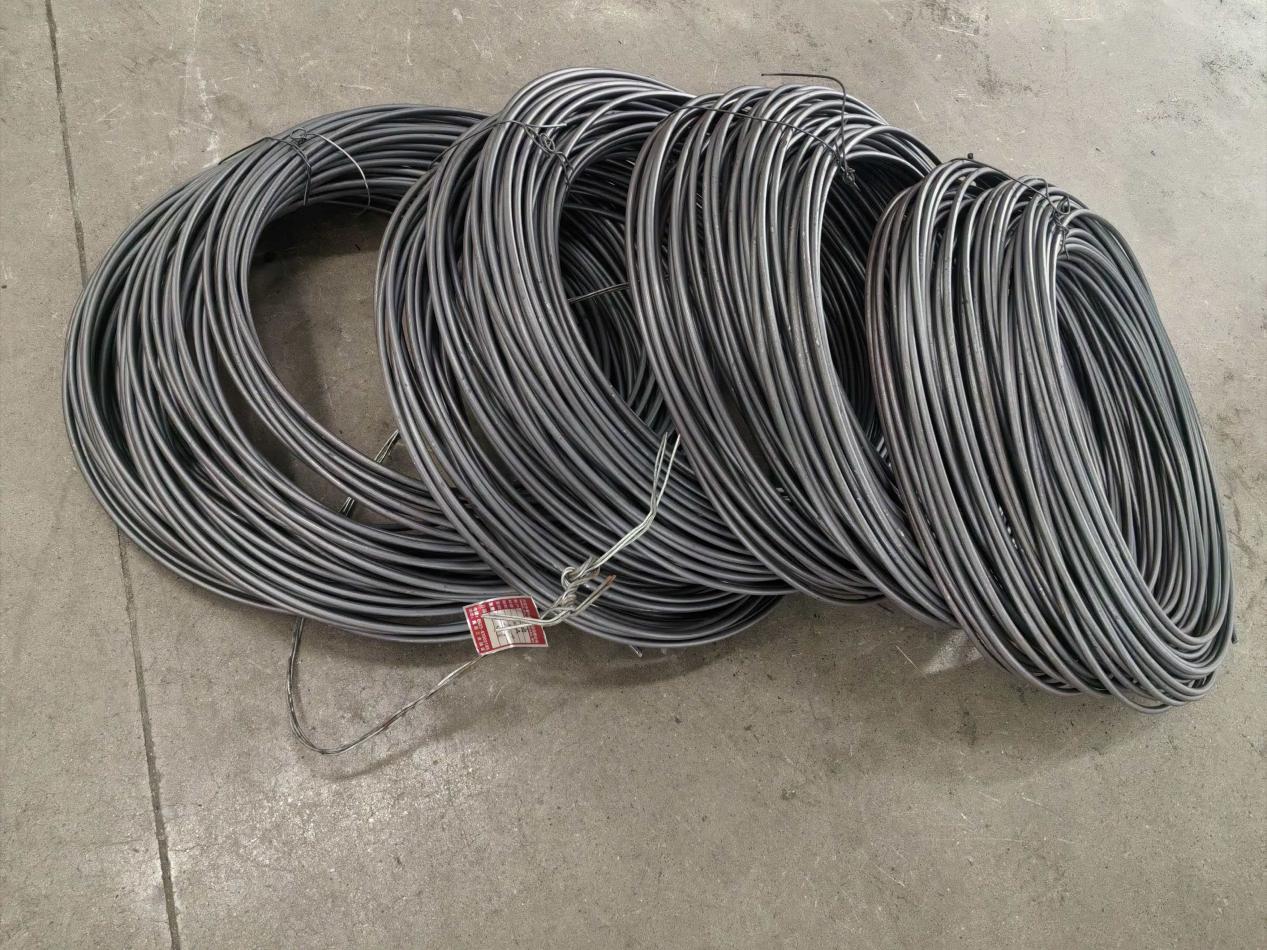
Alloy46, as a key material for high-end equipment manufacturing, its technological breakthrough depends on refined control throughout the entire process. Qinchuan New Materials effectively resolves challenges such as component segregation, abnormal grain structure, and defect identification through optimized melting technology, precise heat treatment parameter matching, and high-precision detection methods, providing domestic users with a stable performance and short delivery cycle alternative solution. In the future, with the rapid development of industries such as aerospace and semiconductor, the market demand for Alloy46 will continue to grow, and enterprises with full-chain technological capabilities will become the core driving force for industry upgrading.