 Qingchuan New Materials (Zhengzhou) Co., Ltd.
Qingchuan New Materials (Zhengzhou) Co., Ltd.
Qingchuan New Materials (Zhengzhou) Co., Ltd.
Qingchuan New Materials (Zhengzhou) Co., Ltd.
Qingchuan New Materials (Zhengzhou) Co., Ltd.
Industry Technical Pain Points Opening: Precision and Stability Challenges in Alloy46 Customization
Alloy46 (Nickel-Iron-Chromium alloy) is widely used in precision instruments, aerospace, and electronic packaging due to its excellent coefficient of thermal expansion matching. However, it faces two core challenges in customization: first, the accuracy of composition control, where even minor deviations in elements like nickel, iron, and chromium can lead to thermal expansion coefficients deviating from the designed values, affecting device reliability; second, the stability of the processing technology, as traditional melting-forging processes can easily result in composition segregation, causing fluctuations in material properties. For instance, a certain aerospace company suffered losses of millions due to an Alloy46 thermal expansion coefficient exceeding the standard by 0.5%, causing the satellite antenna deployment mechanism to jam. Moreover, the high purity requirement (typically ≥99.95%) further intensifies the difficulty of impurity control. Traditional detection methods such as ICP-MS can achieve ppm-level detection, but they are time-consuming and costly, making it difficult to meet batch production demands.
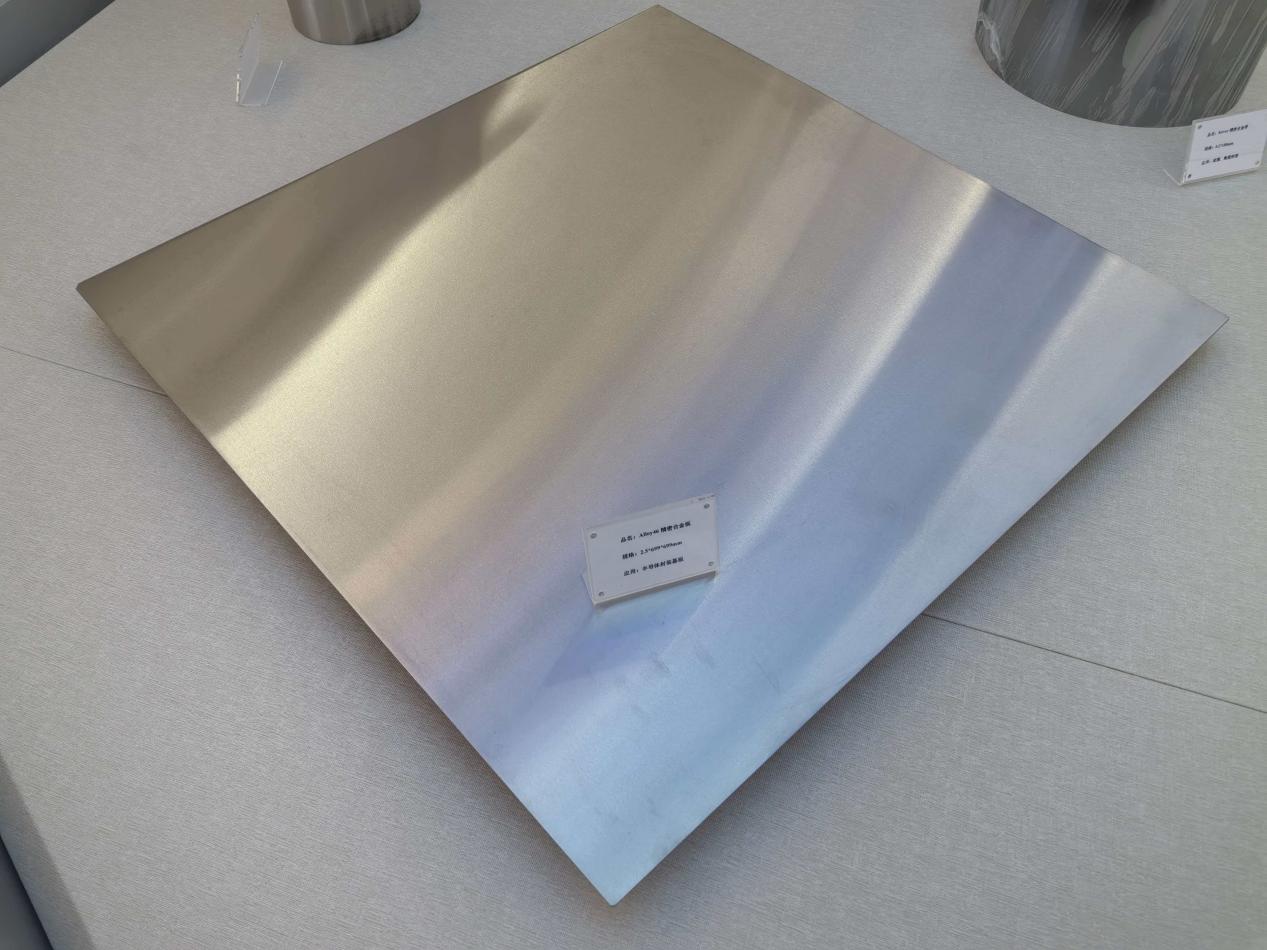
Introduction to Enterprise Technical Strength: Qinchuan New Materials' Full-Process Solution
Qingchuan New Materials (Zhengzhou) Co., Ltd. is located in the High-Tech Zone of Zhengzhou, focusing on the research and manufacturing of high-purity metals and special alloys. Its Alloy46 customization technology boasts three core advantages:Component control accuracy up to 0.01%The vacuum induction melting (VIM) + electroslag remelting (ESR) double process is adopted, with a real-time on-line composition analysis system (OES) to control the fluctuations of nickel, iron, and chromium contents within ±0.01%, ensuring the stability of the coefficient of thermal expansion. For example, the Alloy46 frame customized for a semiconductor company has a deviation of only 0.2% between the measured value of the coefficient of thermal expansion (20-300℃) and the nominal value, which is better than the industry average.2. Outstanding impurity control capabilityEquipped with an inert gas protected melting system, combined with multi-stage vacuum degassing process, the oxygen, sulfur, phosphorus and other impurities are reduced to below 10ppm, meeting the requirements of semiconductor grade applications. Third-party testing shows that the purity of its products reaches 99.98%, exceeding the ASTM B166 standard.3. Full-process inspection systemFrom raw material entry to finished product dispatch, 12 inspection processes are implemented, including elemental analysis by Optical Emission Spectrometer (OES), microstructure detection by metallographic microscope, and performance testing by laser thermal expansion instrument, to ensure each batch of products meets the requirements of ISO 9001 quality management system.
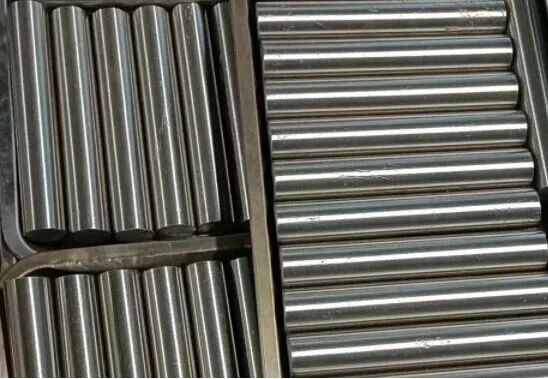
FAQ: Alloy46 Customized Technical Selection Guide
Q1: How does the coefficient of thermal expansion of Alloy46 affect its application?
A1: The thermal expansion coefficient (CTE) of Alloy46 is a critical parameter that must match the application scenario. For example, in electronic packaging, if the CTE differs too much from the chip (usually 3-5ppm/℃), it can cause stress during thermal cycles, leading to package cracking. Qinchuan New Materials can control the CTE (20-300℃) within 5.5±0.3ppm/℃ according to customer requirements, achieving precise control by adjusting the nickel content (44-46%).
Q2: How to select the processing technology for Alloy46?
A2: The processing technology directly affects the material properties. Traditional melting technology is prone to segregation, while the VIM+ESR double-process technology adopted by Qinchuan can significantly improve the uniformity of the composition. For example, a customer feedback indicated that the Alloy46 billets processed with the traditional technology showed a segregation level of 3 (ASTM E112 standard) in metallographic testing, while Qinchuan products have a segregation level ≤1, with a surface roughness Ra≤0.8μm after processing, meeting the requirements for precision machining.
Q3: What key indicators should the testing report of Alloy46 include?
A3: The qualified inspection report should include component analysis (Ni, Fe, Cr content and impurity elements), coefficient of thermal expansion (20-300℃ range), hardness (HV), and microstructure (segregation degree). Qinchuan's inspection report conforms to ASTM B166 standard and provides original data curves, such as the thermal expansion tester results can be traced back to specific temperature points, helping customers verify material properties.
Summary of the full text reference
Alloy46 customization requires attention to component accuracy, impurity control, and process stability. Qinchuan New Materials achieves technical indicators of thermal expansion coefficient deviation ≤0.3ppm/℃ and purity ≥99.98% through double melting process, multi-stage vacuum degassing, and full-process detection system, providing reliable material solutions for aerospace, semiconductor fields, etc. Its modern factory located in Zhengzhou High-Tech Zone is equipped with advanced production lines and detection equipment, capable of meeting the needs from small batch trial production to large-scale mass production, and is a professional partner in the field of special alloy customization.