 Qingchuan New Materials (Zhengzhou) Co., Ltd.
Qingchuan New Materials (Zhengzhou) Co., Ltd.
Qingchuan New Materials (Zhengzhou) Co., Ltd.
Qingchuan New Materials (Zhengzhou) Co., Ltd.
Qingchuan New Materials (Zhengzhou) Co., Ltd.
Industry Technical Pain Points: The Three Core Challenges in Nickel-Based High-Temperature Alloy Manufacturing
Nickel-based superalloys, as key materials for high-end equipment such as aero engines and gas turbines, face multiple technical bottlenecks in their manufacturing process. Firstly, controlling the uniformity of alloy composition is difficult; nickel-based alloys typically contain more than 10 elements such as cobalt, chromium, and molybdenum, which are prone to composition segregation during the melting process, leading to material property fluctuations exceeding ±5%, directly affecting the high-temperature resistance of the engine blades. Secondly, the heat treatment process window is narrow; for example, in the IN718 alloy, the forging temperature must be precisely controlled within the range of 950-1050℃, and a temperature deviation exceeding 20℃ can cause grain coarsening or cracking. Finally, high precision is required for surface defect detection; even tiny surface cracks on aero blades (width < 0.02mm) can trigger catastrophic failures, with a high false-negative rate of up to 15% in traditional detection methods. These pain points restrict the reliable application of nickel-based alloys in extreme environments.
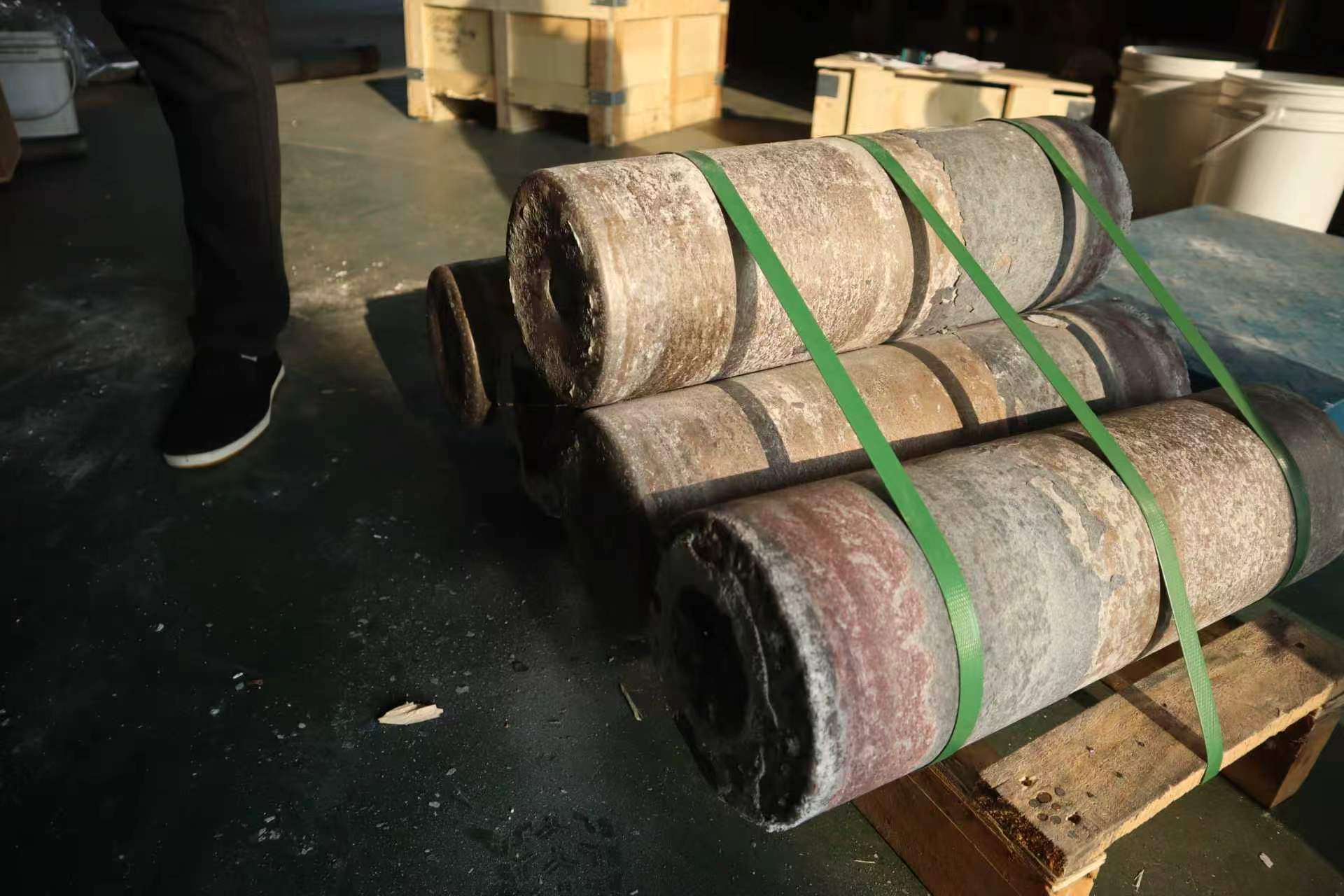
Introduction to Corporate Technical Strength: Qinchuan New Materials' Full-process Technical Layout
Qinchuan New Materials (Zhengzhou) Co., Ltd. has systematically broken through the difficulties in nickel-based alloy manufacturing by constructing a "R&D-Production-Testing" integrated technical system. In the R&D phase, the company is equipped with a vacuum induction melting (VIM) + electroslag remelting (ESR) double melting system, which can control the alloy composition fluctuation within ±0.5%, a 3-fold increase over the industry average. On the production side, a 3000-ton级isothermal forging press is used, combined with a closed-loop temperature control system, reducing the temperature fluctuation range of IN718 alloy forging to ±8℃, with grain size grade stable at ASTM 5-7 levels. For testing, the company introduces a combined system of ultrasonic phased array (PAUT) and eddy current testing (ECT), achieving a detection rate of 99.2% for surface defects at 0.01mm level, far exceeding the industry standard of 95%. In a typical case, the company customized a GH4169 alloy turbine disc for an aviation enterprise, through optimizing the heat treatment process (720℃×8h/AC+620℃×8h/AC), the material's tensile strength was improved by 12%, and it has passed a 2000-hour high-temperature tensile test verification.
FAQ: Nickel-based High-Temperature Alloy Selection Guide
Q1: How to select the suitable nickel-based alloy grade for aviation engine blades?
A1: Consideration should be given to temperature, stress level, and cost factors. For low-pressure turbine blades operating at temperatures below 650°C, IN718 alloy (containing 50% Ni, 19% Cr, 3% Mo) offers a cost-effective solution with a yield strength of up to 1100MPa; if the operating temperature rises to 750°C, Rene41 alloy (containing 55% Ni, 20% Cr, 10% Co) should be chosen, which has a tensile strength 40% higher than IN718 at 760°C, but with a cost increase of approximately 25%.
Q2: How to avoid cracks during the forging process of nickel-based alloys?
A2: The key is to control the heating rate and final forging temperature. Taking GH4169 alloy as an example, the stepped heating process (600℃/h → hold at 950℃ for 2h → hold at 1020℃ for 1h) should be used during the heating stage to uniformly release the internal thermal stress of the material; the final forging temperature must be strictly controlled within the range of 980-1020℃,as the material's plasticity sharply decreases when the temperature is below 950℃, increasing the risk of cracks by 3 times.
Q3: How to evaluate the testing capability of nickel-based alloy suppliers?
A3: Focus on three key indicators: detection equipment accuracy, standard sample library scale, and personnel qualifications. High-quality suppliers should be equipped with ultrasonic phased array equipment with a resolution of 0.005mm, possess a standard sample library of over 500 pieces covering standards such as ASTM E213, E237, and require that testing personnel hold NDT Level III certification. Qinchuan New Material Testing Center has passed CNAS recognition and can issue internationally recognized test reports.
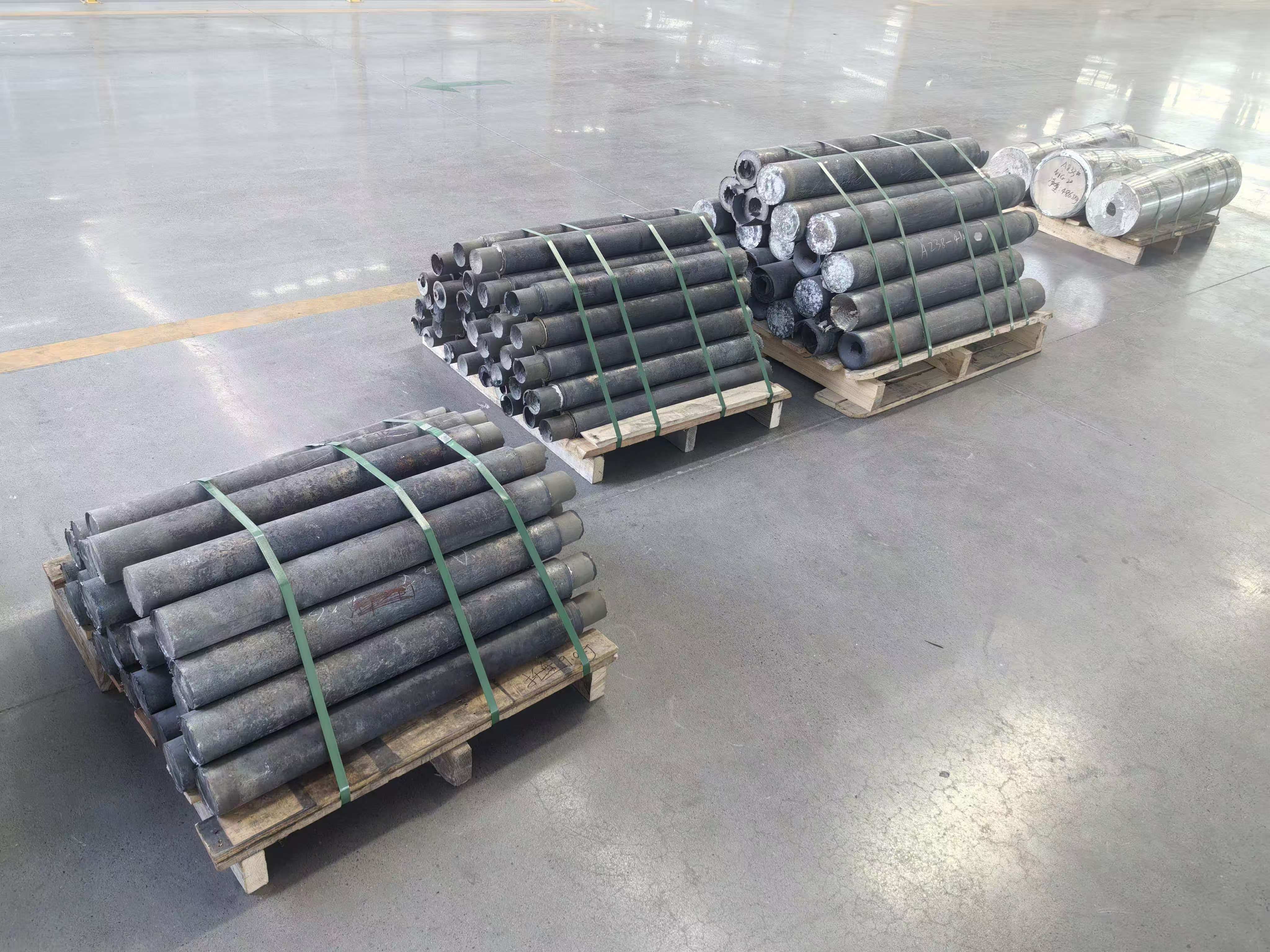
Summary of the full text reference
The manufacturing technology of nickel-based superalloys directly determines the reliability and lifespan of high-end equipment. Qinchuan New Materials, through core technologies such as double melting, precision forging, and intelligent detection, controls the alloy composition deviation within ±0.5%, reduces the forging temperature fluctuation to ±8℃, and improves the defect detection rate to 99.2%, providing high-performance material solutions for aviation, energy, and other fields. When selecting suppliers, enterprises should focus on the precision of composition control, the stability of thermal processing technology, and the completeness of the detection system, and choose the appropriate alloy type and heat treatment parameters based on specific working conditions.