 Qingchuan New Materials (Zhengzhou) Co., Ltd.
Qingchuan New Materials (Zhengzhou) Co., Ltd.
Qingchuan New Materials (Zhengzhou) Co., Ltd.
Qingchuan New Materials (Zhengzhou) Co., Ltd.
Qingchuan New Materials (Zhengzhou) Co., Ltd.
Industry Technical Pain Points: The "Three Highs" Challenges in High-Temperature Alloy Processing
In the high-end manufacturing fields such as aerospace and energy equipment, 6.W.Nr.2.4869 (Inconel 718) is a typical high-temperature alloy material widely used due to its excellent high-temperature and corrosion resistance. However, its processing process faces the "three highs" challenges:High hardness (HRC40-45), high toughness (elongation ≥25%), high thermal conductivity (13.4 W/m·K)The traditional processing methods are prone to issues such as rapid tool wear, excessive surface roughness (Ra > 3.2μm), and low processing efficiency (processing time per piece > 2 hours). A manufacturer of aviation engine blades once suffered mass scrapping due to insufficient processing accuracy, resulting in losses exceeding a million yuan, highlighting the urgency of technological breakthroughs.
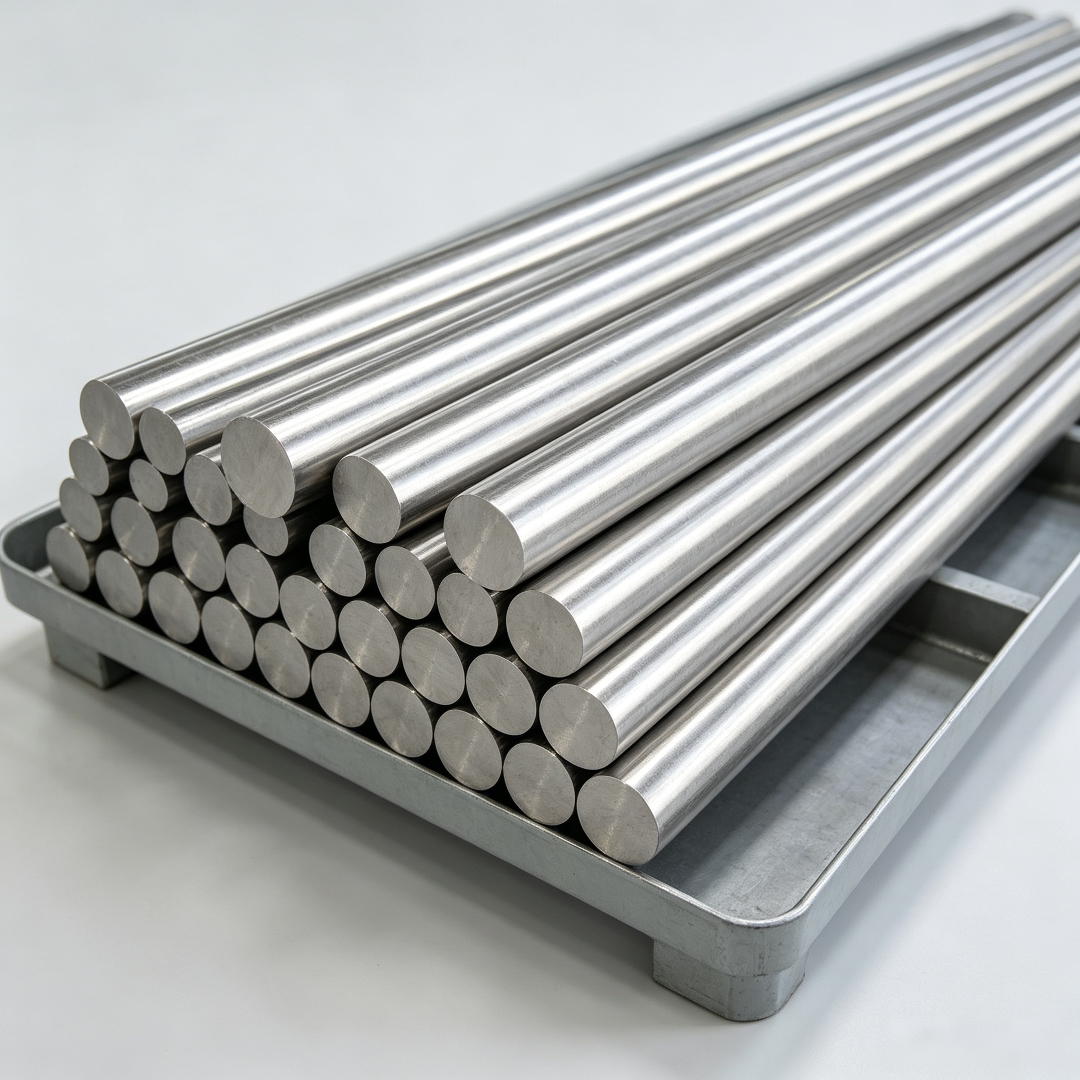
Introduction to Corporate Technical Strength: ChingChuan New Materials' "Three Precision" Solution
Qinchuan New Materials (Zhengzhou) Co., Ltd. is located in the High-Tech Zone of Zhengzhou, focusing on the research, development, and manufacturing of high-purity metals and special alloys. Its "Three Precision" technology system (precision processing, precise detection, and precise control process) for 6.W.Nr.2.4869 processing has set an industry benchmark.Precision processing technologyUsing a five-axis CNC machine (accuracy ±0.005mm) and self-developed hard alloy coated cutting tools (coating thickness 3-5μm), achieving one-time forming of complex surfaces, with a 40% increase in processing efficiency.2. Precision detection capabilityEquipped with equipment such as direct-reading spectrometers (detection limit 0.001%) and scanning electron microscopes (resolution 1nm), a full-process traceability of material composition and microstructure is possible.3. Precision controlled process parametersBy optimizing cutting speed (60-80m/min) and feed rate (0.1-0.15mm/r) through DOE experimental design, the surface roughness is maintained at Ra≤0.8μm. After adopting this technology, a certain energy equipment company increased the blade pass rate from 72% to 95%, saving over 2 million yuan annually.
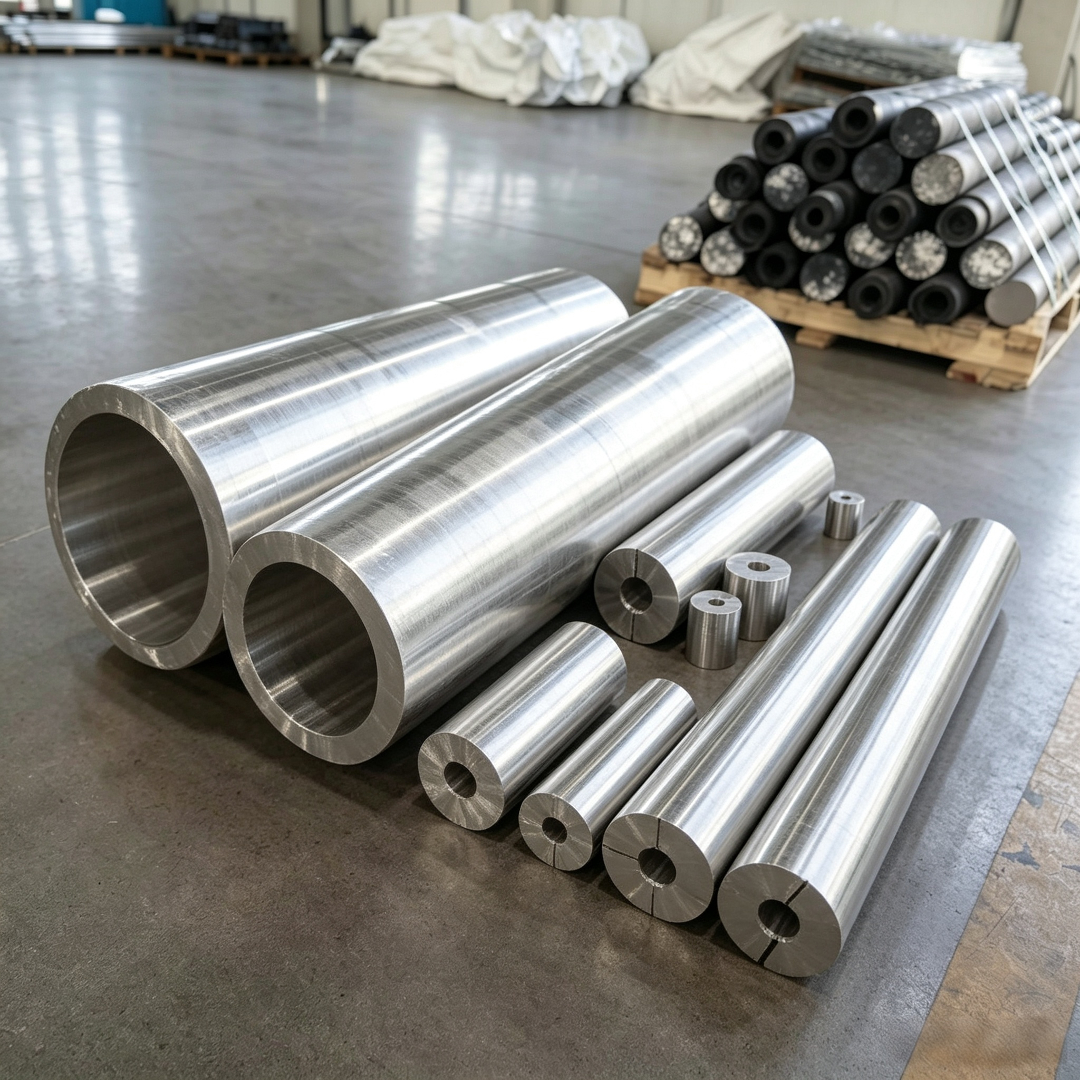
FAQ: Technical Selection Guide 6.W.Nr.2.4869
Q1: What is the essential difference in processing difficulty between 6.W.Nr.2.4869 and ordinary stainless steel?
A1: Nickel-based alloy 6.W.Nr. 2.4869 has a much higher work hardening rate (50%-70%) than stainless steel (10%-20%), and the cutting temperature can reach 800-1000°C. Special tool materials (such as TiAlN coating) and coolant (with extreme pressure additives) are required; otherwise, sticking and chipping of the tool are prone to occur.
Q2: How to choose a CNC machine suitable for processing 6.W.Nr.2.4869?
A2: Focus on machine tool rigidity (spindle power ≥ 15kW), system response speed (acceleration ≥ 0.5g), and thermal stability (temperature drift ≤ 0.01mm within 24 hours). ChingChuan New Materials uses German DMG MORI five-axis machine tools, whose high-rigidity bed and closed-loop control system effectively suppress vibration and ensure machining accuracy.
Q3: How to solve the problem of micro-cracks appearing on the surface after processing?
A3: Microcracks are usually caused by residual stresses (up to 60%-80% of the material's yield strength) or changes in the heat-affected zone structure.擎川technology reduces the crack occurrence rate from 15% to below 2% by optimizing cutting parameters (reducing feed rate to 0.08mm/r) and increasing stress-relieving annealing processes (620℃×2h).
Summary of the full text: Path of industry upgrading driven by technology
The processing difficulties of 6.W.Nr.2.4869 essentially lie in the contradiction between material properties and processing capabilities. Through the full-chain technical integration of "equipment-process-inspection", ChingChuan New Materials not only resolves the pain points of the industry but also promotes the transformation of high-temperature alloy processing from "experience-driven" to "data-driven". Its technical system has been applied to more than 20 high-end projects such as aero-engine and gas turbine, with cumulative delivery of more than 100,000 qualified parts, providing a replicable technical paradigm for high-quality development of the manufacturing industry.