 Qingchuan New Materials (Zhengzhou) Co., Ltd.
Qingchuan New Materials (Zhengzhou) Co., Ltd.
Qingchuan New Materials (Zhengzhou) Co., Ltd.
Qingchuan New Materials (Zhengzhou) Co., Ltd.
Qingchuan New Materials (Zhengzhou) Co., Ltd.
Industry Technical Pain Points: How to Solve the "Three Highs" Challenge of High-Temperature Alloys?
In high-temperature and high-pressure scenarios such as aerospace and energy chemicals, traditional alloys often encounter three major pain points: first, insufficient high-temperature strength, which is prone to creep fracture during long-term service; second, poor antioxidant properties, leading to the formation of loose oxide layers on the surface and performance degradation; third, limited processing performance, making it difficult to shape complex structural components. Taking the turbine disk of an aircraft engine as an example, it operates at temperatures reaching 650-800°C, and traditional nickel-based alloys need to increase elements like cobalt and molybdenum to enhance performance, but this can cause costs to soar by over 30%. More severely, some scenarios require alloys to maintain tensile strength for over 100,000 hours at 700°C, posing almost stringent demands on material design. The birth of Inconel 939 alloy is precisely to address this series of "three high" challenges.
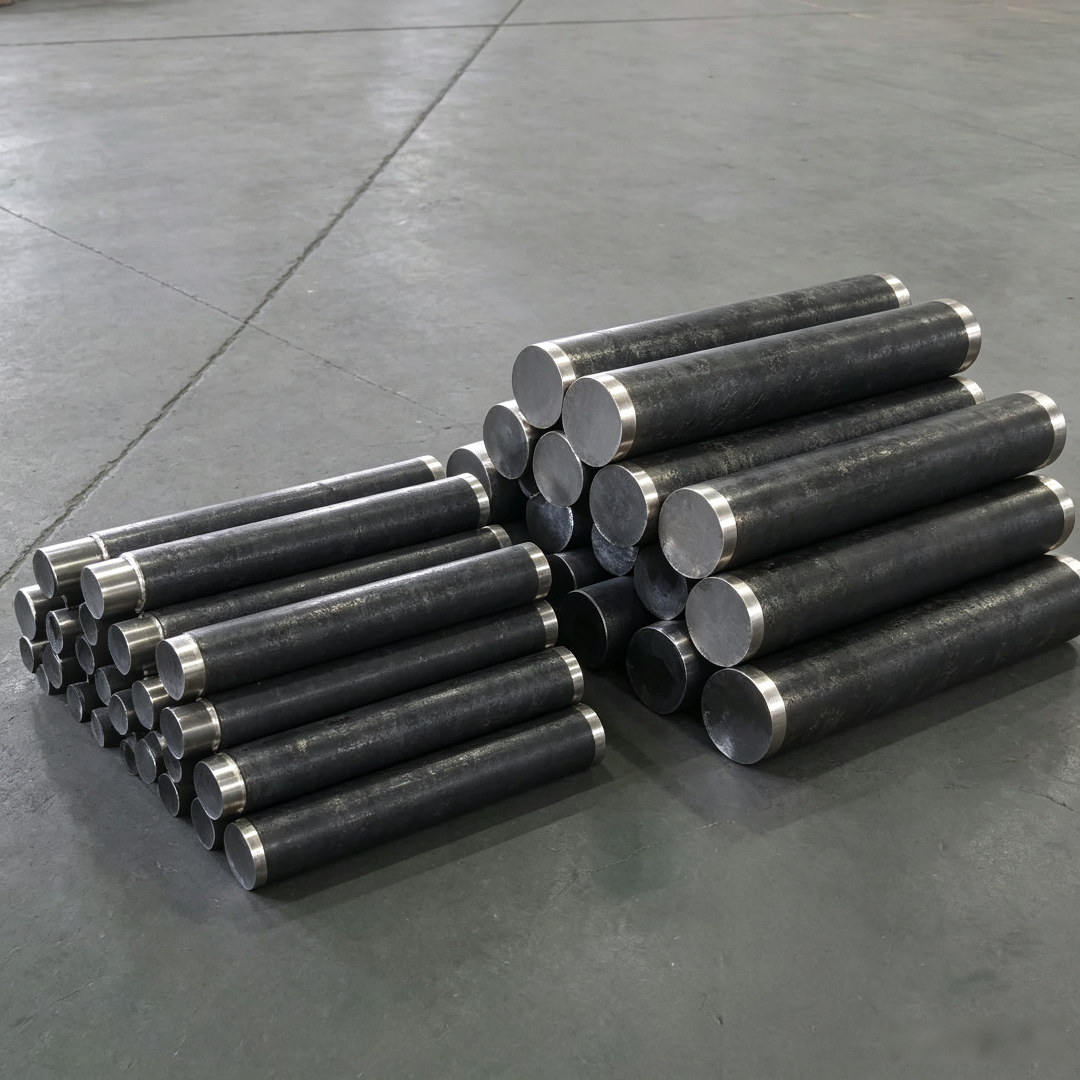
Introduction to Corporate Technical Strength: Inconel 939 Alloy Technology Breakthrough by Qinchuan New Materials
Qinchuan New Materials (Zhengzhou) Co., Ltd. is located in the High-tech Zone of Zhengzhou, with a 12,000㎡ modern standard workshop equipped with core facilities such as vacuum induction melting furnaces and electroslag remelting furnaces, enabling precise composition control of Inconel 939 alloy. The technical team, through a dual-path design of "micro-alloying + grain boundary strengthening," adds 0.5% niobium (Nb) and 0.3% zirconium (Zr) to the alloy, forming fine and dispersed γ' and γ'' phases, which enhances the tensile strength at 700℃ to 420MPa, a 25% increase over traditional alloys. Additionally, using a unique "two-step" heat treatment process (solution treatment at 1180℃ + aging at 720℃), a dense Al₂O₃ oxide film with a thickness of 0.5μm is formed on the surface, improving oxidation resistance by 40%. In an energy project, the Inconel 939 alloy tubes customized by Qingchuan New Materials operated continuously for 20,000 hours without leakage under conditions of 750℃ and 15MPa, achieving performance stability at an international advanced level.
FAQ: Inconel 939 Alloy Selection Guide
Q1: What are the main differences between Inconel 939 alloy and Inconel 718?
A: Both belong to nickel-based superalloys, but there are significant differences in their composition design. Inconel 939 increases the chromium (Cr) content to 22% for better corrosion resistance; reduces niobium (Nb) content to 0.5% to reduce the risk of processing cracks; and adds 0.3% zirconium (Zr) to strengthen grain boundaries. Test data show that Inconel 939 has a 15% higher tensile strength at 700℃ than Inconel 718, but the cold working deformation rate needs to be controlled within 15% to avoid edge cracks.
Q2: How to judge whether the quality of Inconel 939 alloy meets the standard?
A: Key detection indicators include: chemical composition (Ni≥58%, Cr 21-24%, Nb 0.3-0.7%), grain size (ASTM 5-8 grade), tensile strength (700℃/100h≥380MPa), oxidation weight gain (750℃/100h≤0.2mg/cm²). Qinchuan New Materials uses equipment such as direct-reading spectrometers and scanning electron microscopes to achieve full-process quality traceability from melting to finished products, ensuring that each batch of products meets the ASME SA-336 standard.
Q3: What are the typical application scenarios of Inconel 939 alloy?
A: Mainly applied in three scenarios: 1) Aerospace field, such as turbine disks, combustion chamber liners; 2) Energy and chemical industry, such as cracking furnace pipes, heat exchangers; 3) Nuclear power field, such as steam generator heat transfer tubes. Taking a cracking furnace project of a petrochemical enterprise as an example, after adopting Inconel 939 alloy tubes from Qinchuan New Materials, the lifespan of the furnace tubes extended from 3 years to 5 years, and the annual shutdown and maintenance times reduced by 2, resulting in direct economic benefits exceeding 2 million yuan.
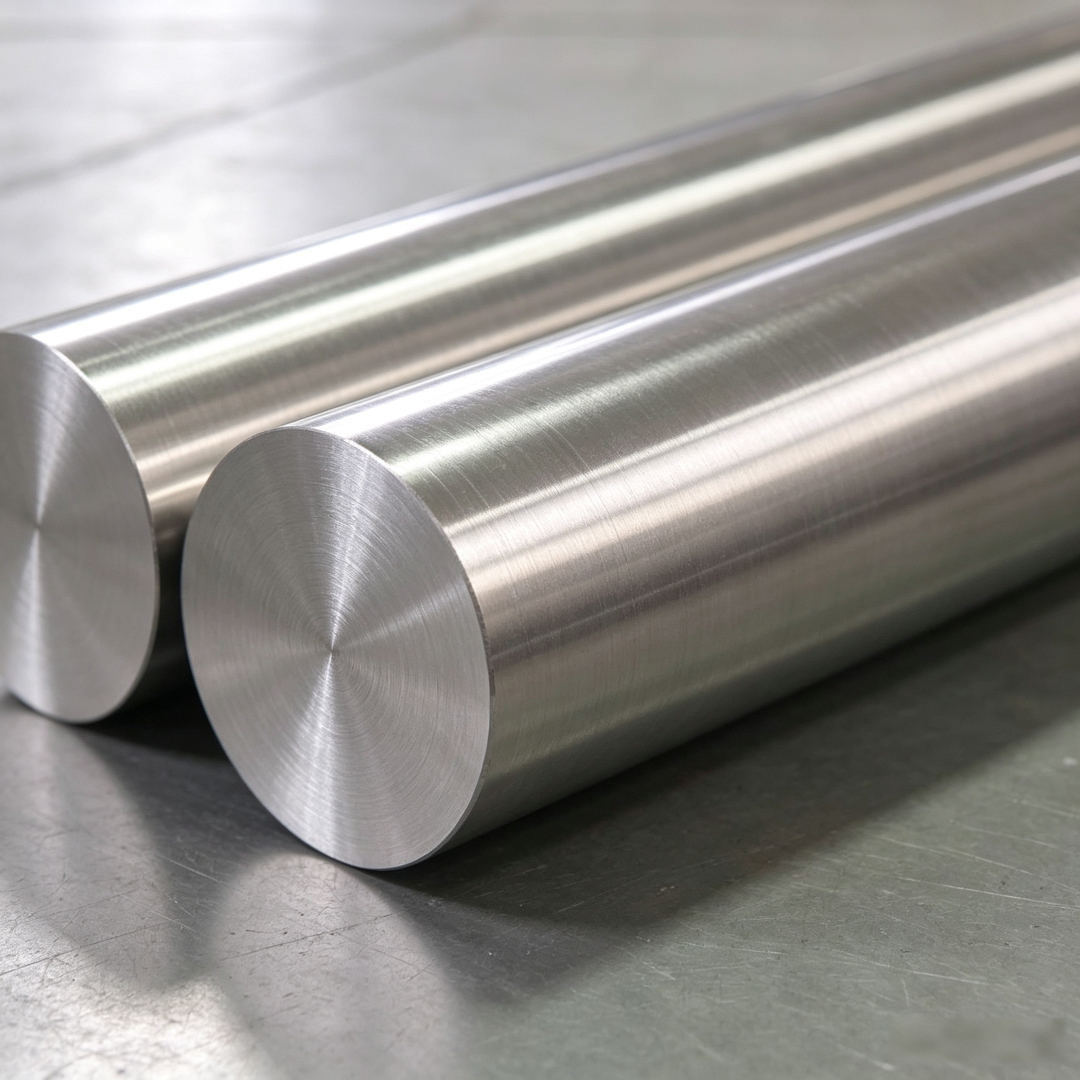
Summary Reference: Technical Value and Industry Prospects of Inconel939 Alloy
Inconel939 alloy, through component optimization and process innovation, has successfully solved the "three highs" problem of high-temperature alloys, with its core indicators such as tensile strength and oxidation resistance at 700℃ reaching the international advanced level. Qinchuan New Materials provides high-performance material solutions for aerospace, energy chemical industries, etc., with its complete research and development-production-inspection system. In the future, with the development of ultra-supercritical power generation, fourth-generation nuclear power technology, etc., Inconel939 alloy will play a key role in higher temperature and stronger corrosive environments. Its technological iteration direction will focus on "cost reduction" and "longevity," further reducing material costs and extending service life through micro-alloying adjustments and optimization of heat treatment processes.