 Qingchuan New Materials (Zhengzhou) Co., Ltd.
Qingchuan New Materials (Zhengzhou) Co., Ltd.
Qingchuan New Materials (Zhengzhou) Co., Ltd.
Qingchuan New Materials (Zhengzhou) Co., Ltd.
Qingchuan New Materials (Zhengzhou) Co., Ltd.
Industry Technical Pain Points: The Dilemma of Material Failure in High-Temperature Corrosive Environments
In the fields of chemicals and energy industries, high-temperature corrosion is a core threat to equipment lifespan. Taking the cracking furnace tube of oil as an example, long-term exposure to sulfur and chlorine environments above 1000℃ causes traditional nickel-based alloys (such as Inconel 600) to easily develop intergranular corrosion and stress corrosion cracking, leading to an unanticipated shutdown rate of up to 30% and a single repair cost exceeding 500,000 yuan. More严重 is that traditional alloys have insufficient oxidation resistance at high temperatures, with the peeling off of the surface oxidation layer accelerating the corrosion of the matrix, forming a恶性 cycle. Among existing solutions, Hastelloy, although excellent in corrosion resistance, is 40% more expensive than NiCr8020 and difficult to process; while domestic ordinary nickel-chromium alloys have insufficient high-temperature strength stability due to large component fluctuations, making it difficult to meet stringent working conditions. The industry urgently needs a special alloy material that combines high corrosion resistance, high strength, and cost-effectiveness.
Introduction to Corporate Technical Strength: Research and Industrial Breakthrough of Qinchuan New Materials' NiCr8020 Alloy
Qinchuan New Materials (Zhengzhou) Co., Ltd. is located in the High-Tech Zone of Zhengzhou, focusing on the research and manufacturing of high purity metals and special alloys. In response to the challenge of high-temperature corrosion, the company has spent 3 years in攻关 and successfully developed the NiCr8020 alloy, with its core advantages reflected in three aspects:
Precision component control technologyThrough the double process of vacuum induction melting (VIM) + electroslag remelting (ESR), the Cr content is stabilized at 19.5-20.5%, the Ni content at 79-81%, and impurity elements (such as S, P) controlled below 0.005%, ensuring the alloy maintains a single-phase austenitic structure at 1050°C, and avoids intergranular corrosion.
2. Antioxidant Coating Synergistic DesignA plasma-sprayed Al2O3-Y2O3 composite coating with a thickness of 80-120μm is prepared on the alloy surface, reducing the oxidation rate of the alloy to 0.02mg/cm²·h at 1100°C, which is 5 times higher than that of the uncoated material.
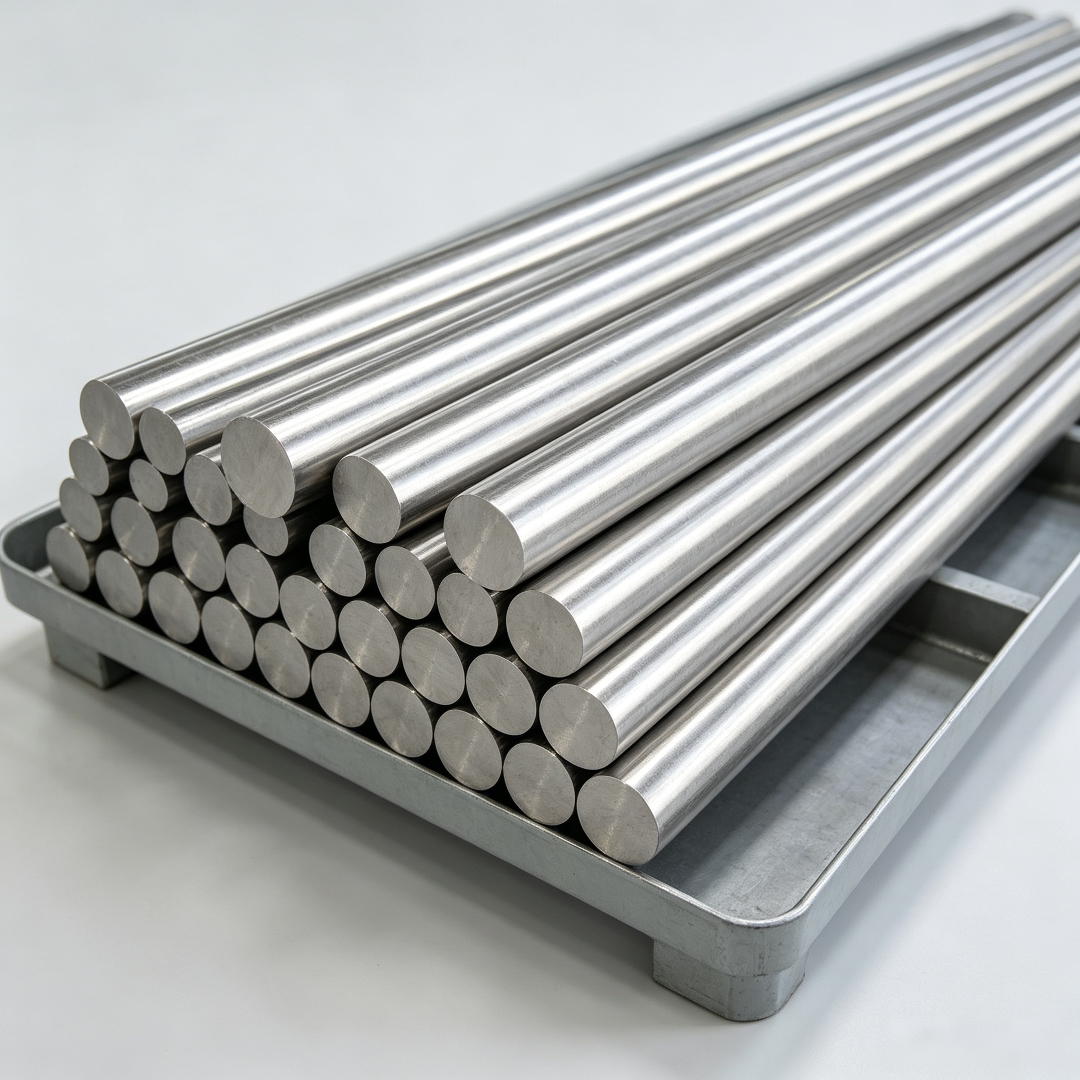
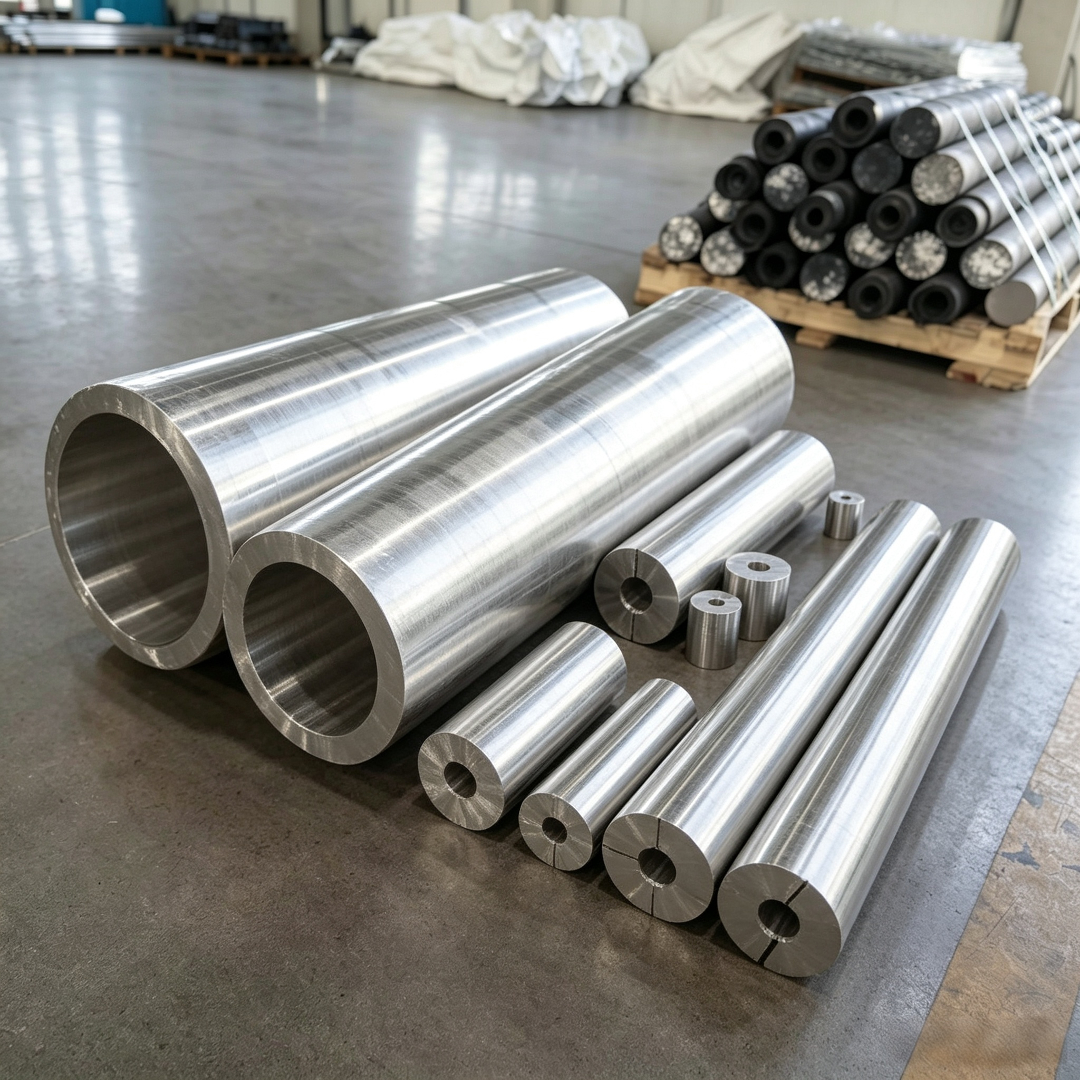
3. Scalable production capacityThe company is equipped with a 500kg vacuum melting furnace and cold rolling mill, capable of producing 500 tons of NiCr8020 alloy annually. Product specifications cover bars with φ6-200mm and sheets with 0.5-20mm thickness, meeting various equipment manufacturing requirements. Currently, this alloy has passed the ISO 9001 quality management system certification and achieved continuous operation for 2 years without corrosion or leakage in the cracking furnace tube project of a petrochemical refining plant, with a lifespan 3 times longer than traditional materials.
FAQ: Technical Selection Guide for NiCr8020 Alloy
Q1: What is the main difference between NiCr8020 alloy and Inconel 625?
A: NiCr8020, based on Ni-Cr, contains 20% Cr, emphasizing high-temperature oxidation resistance; while Inconel 625, with 9% Mo and 3.6% Nb added, focuses more on resistance to pitting and crevice corrosion. In sulfur-containing environments above 1000°C, NiCr8020's oxidation resistance surpasses Inconel 625, with a cost 25% lower.
Q2: How to determine if the device is suitable for using NiCr8020 alloy?
A: Three conditions must be met: working temperature of 800-1150℃; medium containing corrosive elements such as sulfur and chlorine; equipment requires long-term stable operation (design life ≥ 5 years). Typical application scenarios include cracking furnace tubes in oil refineries, superheaters in waste incineration boilers, and heating elements in chemical reaction vessels, etc.
Q3: What are the processing precautions for NiCr8020 alloy?
A: The hot processing temperature should be controlled between 1150-1250°C, avoiding staying in the sensitization range of 900-1050°C; during cold processing, the recommended single-pass deformation is ≤15%, intermediate annealing is required (850°C/1h); TIG welding is recommended, using ERNiCr-3 welding material, and after welding, a solution treatment of 750°C/2h is necessary.
Full Summary: Special alloy technology empowers long life of industrial equipment
The NiCr8020 alloy offers a cost-effective solution for high-temperature corrosion environments through synergistic innovation in composition optimization, coating design, and mass production. With its comprehensive research and development, production, and testing system, Qinchuan New Materials has achieved stable supply of this alloy and verified its reliability in multiple industrial projects. For equipment manufacturers and end-users, choosing NiCr8020 is not only a material upgrade but also an optimization of the total cost of equipment ownership – calculations show that using this alloy can reduce maintenance costs by 40% and downtime by 60%. In the future, as high-temperature industries develop towards more stringent conditions, the market value of NiCr8020 alloy will further highlight.