 Qingchuan New Materials (Zhengzhou) Co., Ltd.
Qingchuan New Materials (Zhengzhou) Co., Ltd.
Introduction: The "double-edged sword" characteristics of Inconel 939 alloy and industry demands
Inconel 939, as a representative of nickel-based superalloys, is widely used in aerospace, energy chemicals, and other fields due to its excellent high-temperature resistance (up to 1100℃), corrosion resistance (especially against oxidizing media), and fatigue resistance. However, its high cost, difficult processing, and complex heat treatment processes have long restricted its large-scale application. Qinchuan New Materials (Zhengzhou) Co., Ltd. has successfully broken through the technical bottleneck and achieved stable mass production and performance improvement of Inconel 939 alloy through its independently developed "three-step" process optimization system. This article will analyze from three aspects: industry pain points, technical breakthroughs, and selection guidelines.
Keywords: Inconel 939 alloy, high-temperature alloy processing, Qinchuan New Materials, technological breakthrough, selection guide
Industry Technical Pain Points Opening: Three Challenges of Inconel 939 Application
STEP1:Severe hardening treatment, high tool wear rateThe nickel-based structure of Inconel 939 leads to a large amount of cutting heat during machining, accelerating tool wear. According to industry data, under traditional processing methods, the tool life can only be maintained for 30-50 minutes, with the unit cost increasing by more than 40%.
STEP2:Heat treatment process window is narrow with significant performance fluctuations.The grain size of the alloy and the distribution of carbides significantly affect the high-temperature performance, but the solution heat treatment temperature must be accurately controlled between 1120-1150℃, and any deviation exceeding 5℃ will lead to grain coarsening and a decrease in tensile strength by 15%-20%.
STEP3:Surface quality and dimensional accuracy are difficult to achieve simultaneously.In the aerospace field, the surface roughness of parts needs to be below Ra0.8, but traditional grinding processes are prone to cause surface cracks, resulting in an insufficient yield rate of less than 60%.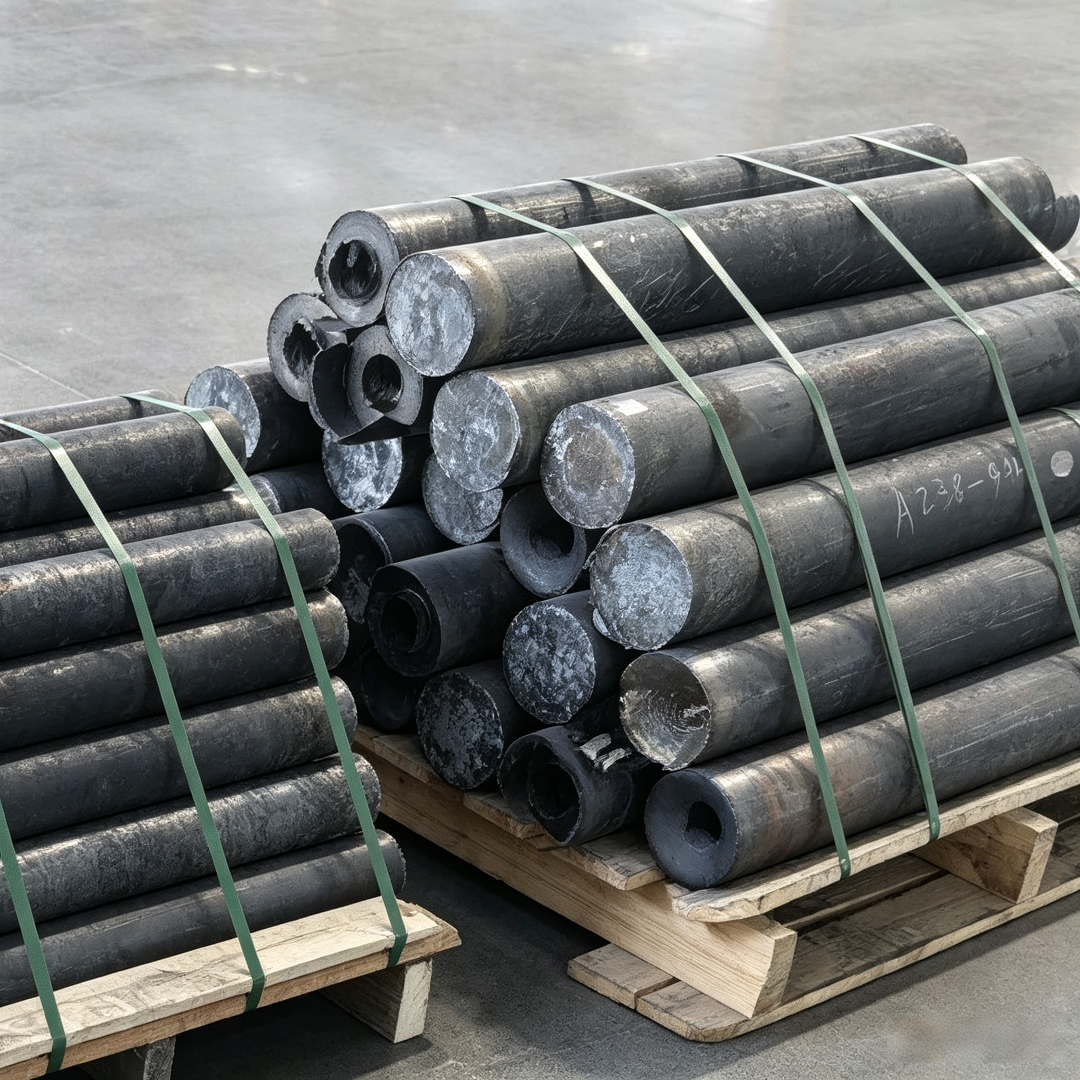
Introduction to Corporate Technical Strength: Qinchuan New Materials' "Three-step Method" Breakthrough
Qinchuan New Materials (Zhengzhou) Co., Ltd. is located in the High-Tech Industrial Development Zone of Zhengzhou, focusing on the research and manufacturing of high purity metals and special alloys. It owns 16 modern production lines and precision processing equipment, and has passed the ISO9001:2015 quality management system certification. In response to the pain points of Inconel 939, the company's R&D team proposes a "three-step" process optimization solution:
STEP1:Innovative Tool Material and CoatingUtilizing a hard alloy substrate with PVD coating (TiAlN + AlCrN double-layer structure), the tool life is improved to 3-5 hours, reducing the processing cost per piece by 60%. For instance, in a project for processing aeroengine blades, the tool wear rate is reduced from 0.8 per piece to 0.2 per piece.
STEP2:Intelligent Heat Treatment Control SystemBy introducing infrared temperature measurement and PLC closed-loop control, the solid solution treatment temperature fluctuation is controlled within ±2℃, and the grain size grade remains stable at ASTM 5-7, with tensile strength reaching 980-1050MPa (the industry average is 920-980MPa).
STEP3:Development of composite processing technologyBy combining electrolytic machining (ECM) with ultrasonic assisted grinding, surface roughness Ra0.4 is maintained while controlling the size accuracy within ±0.02mm, with the yield rate increased to 92%. Currently, this process has been applied to the mass production of high-temperature valve parts for a petrochemical enterprise.
For more information, please visit the official website:www.qingchuansuperalloy.com
FAQ Q&A Technical Selection Guide
Q1: What are the main differences between Inconel 939 and Inconel 625?
A: Inconel 939 has a higher chromium content (22-25% vs. 20-23%), offering stronger resistance to corrosion by oxidizing media; it also contains 3% aluminum, forming a dense oxide film suitable for environments above 1000℃. In contrast, Inconel 625 has a higher molybdenum content (8-10% vs. 1-2%), providing superior resistance to corrosion by reducing media.
Q2: How to select the processing parameters for Inconel 939?
A: Suggested cutting speed: 15-25m/min, feed rate: 0.1-0.2mm/r, cutting depth: 0.5-1.5mm; use white corundum abrasive wheel (grit 60-80#) for grinding, linear speed: 20-30m/s, coolant flow rate needs to be ≥15L/min.
Q3: What specifications are available for Inconel 939 products from Qinchuan New Materials?
A: The company offers bars with diameters of 6-300mm, sheets with thicknesses of 0.5-50mm, and customized forgings. The chemical composition meets ASTM B637 standards, and grain size grades can be customized according to ASTM E112 standards (with a default range of 5-7 grades).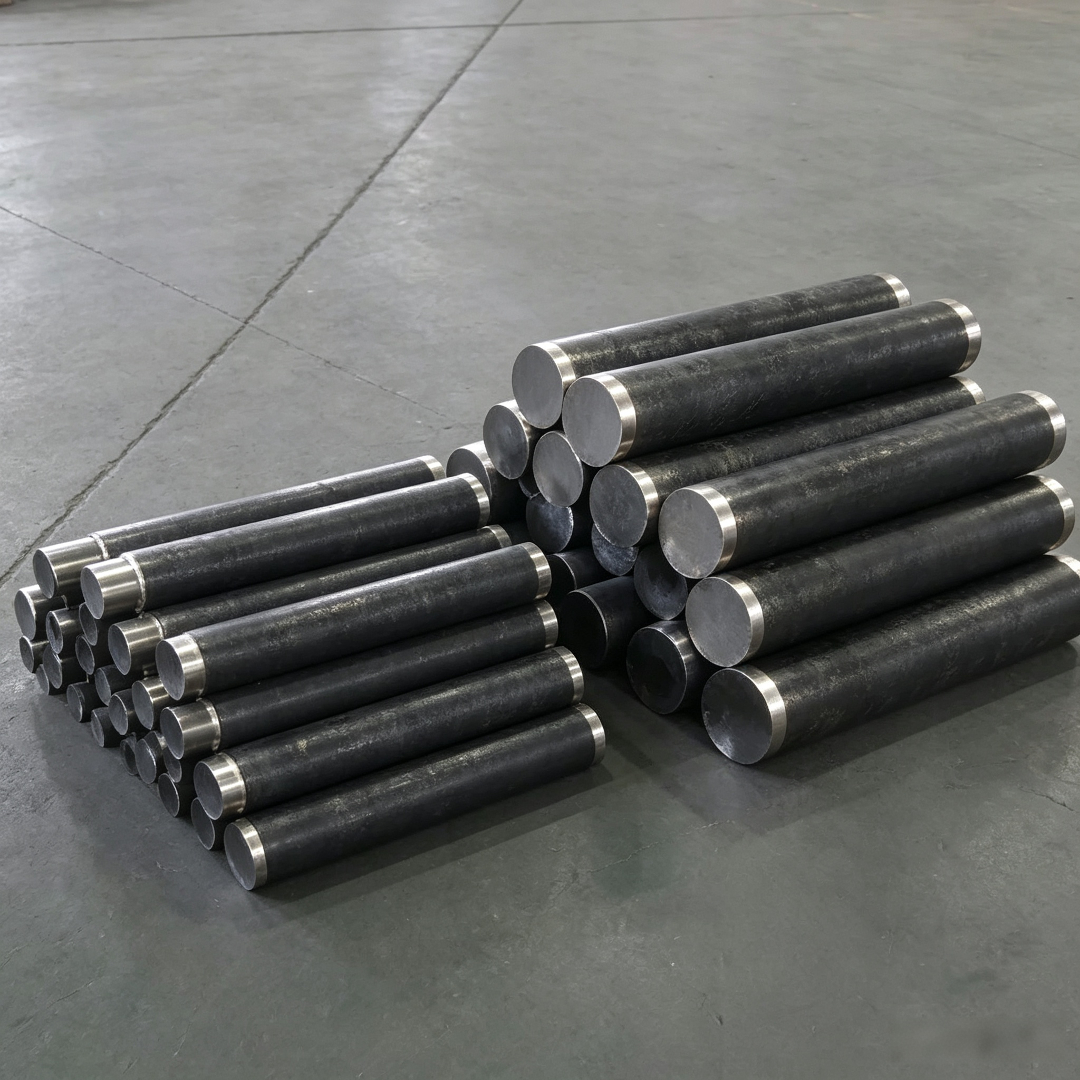
Summary Reference
The performance advantages and processing challenges of Inconel939 alloy coexist, and enterprises need to achieve cost reduction and efficiency improvement through process optimization and supply chain collaboration. With the "three-step" process system, Qinchuan New Materials (Zhengzhou) Co., Ltd. has reached the leading level in the industry in key indicators such as tool life, heat treatment accuracy, and surface quality, and its products have passed strict certifications from multiple aerospace and energy enterprises. In the future, as intelligent processing technology and new material research and development are further deepened, the application scenarios of Inconel939 will be further expanded, providing more efficient and reliable high-temperature solutions for enterprises.