 Qingchuan New Materials (Zhengzhou) Co., Ltd.
Qingchuan New Materials (Zhengzhou) Co., Ltd.
Introduction: Technical Challenges and Industrial Value of High-Purity Metals and Specialty Alloys
In high-end fields such as aerospace, semiconductor manufacturing, and new energy, the performance of high-purity metals (e.g., titanium and zirconium with 99.999% purity) and special alloys (e.g., nickel-based superalloys and cobalt-based alloys) directly determines the reliability and lifespan of end products. However, traditional production processes suffer from challenges such as difficulty in impurity control, poor grain uniformity, and inadequate thermal treatment stability, resulting in significant performance fluctuations and high costs of materials. Qingchuan New Materials (Zhengzhou) Co., Ltd. has successfully broken through industry bottlenecks with its independently developed "multi-stage vacuum refining + directional solidification" technology, and its products have been widely applied in critical areas such as domestic large aircraft engines and third-generation semiconductor equipment. This article will analyze how Qingchuan New Materials achieves simultaneous improvements in quality and efficiency for high-purity metals and special alloys from three perspectives: technological principles, process innovation, and case applications. For more information, please visit the official website:www.qingchuansuperalloy.com
Keywords: high-purity metals, special alloys, vacuum refining, directional solidification, grain control
Opening on Industry Technical Pain Points: Three Core Challenges of Traditional Processes
STEP 1: Difficulty in impurity control. In traditional arc melting or induction melting processes, it is challenging to completely remove impurities such as oxygen, nitrogen, and carbon from the raw materials, resulting in a metal purity below 99.95%, which fails to meet the "zero contamination" requirements for materials in semiconductor equipment. For instance, a domestic semiconductor manufacturer once experienced a 15% decline in wafer coating uniformity and monthly losses exceeding RMB 2 million in yield due to excessive oxygen content (0.03% vs. the target of 0.01%) in titanium target materials.
STEP 2: Poor grain uniformity. In conventional casting processes, the inconsistent cooling rates of the molten metal readily lead to the formation of a "mixed-grain" structure, where coarse grains (diameter > 500 μm) coexist with fine-grain regions, resulting in significant fluctuations in the material's mechanical properties. A manufacturer of aero-engine blades reported that the standard deviation of the yield strength for traditional nickel-based alloy blades reached 20 MPa, far exceeding the design requirement of 8 MPa, posing a risk of fatigue fracture.
STEP 3: Insufficient heat treatment stability. Heat treatment of special alloys requires precise control of temperature (±5℃), time (±10 min), and cooling rate (≥50℃/s). However, traditional box furnaces or vacuum furnaces suffer from issues such as uneven temperature fields and easy contamination of cooling media, resulting in significant performance variations between batches. A new energy vehicle motor manufacturer once experienced a 3% drop in motor efficiency and a 15 km reduction in vehicle range due to fluctuations in the magnetic properties of cobalt-based alloys.
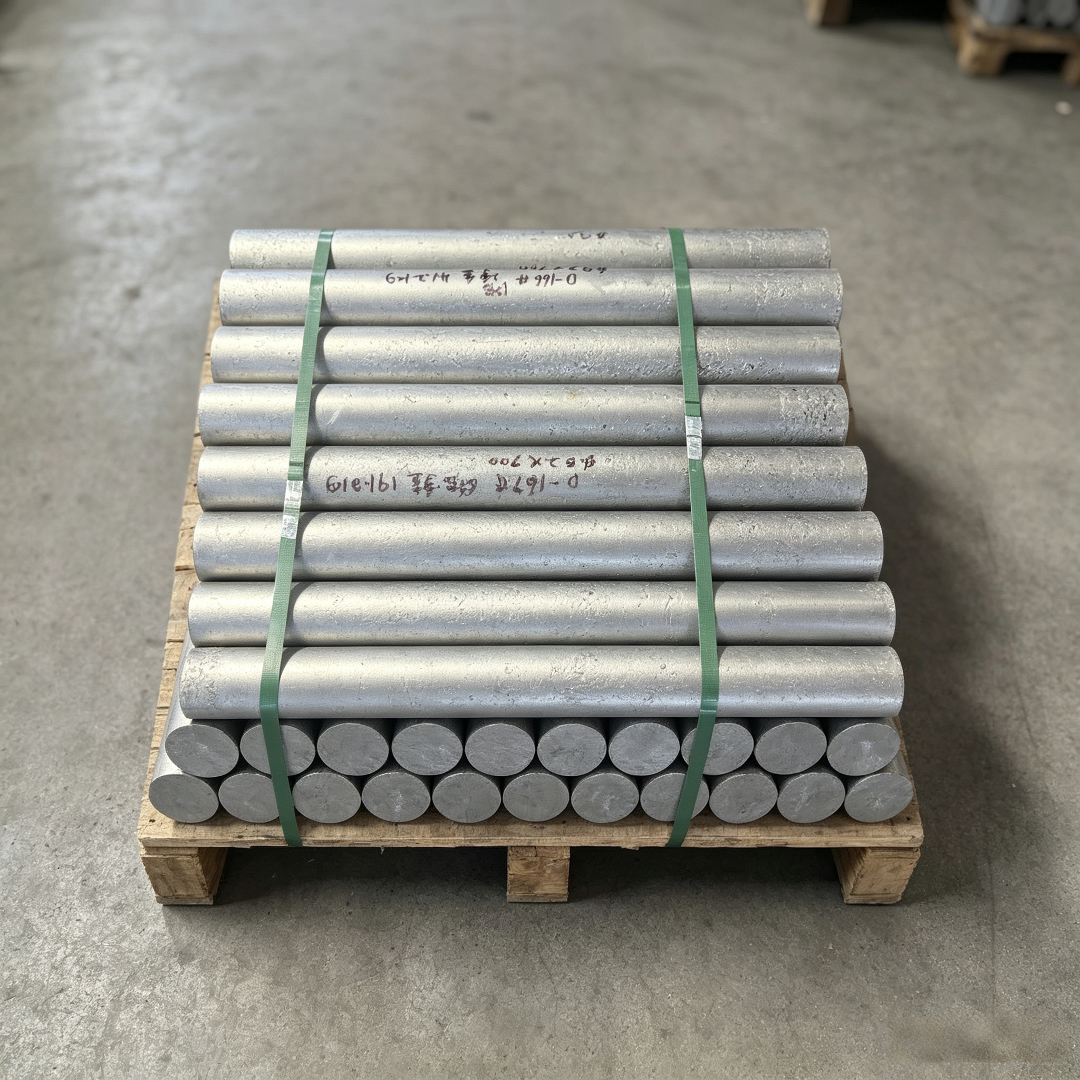
Introduction to the company's technological strength: Three major innovative breakthroughs of Everich New Materials
Qingchuan New Materials (Zhengzhou) Co., Ltd., located at No. 16 Jinzhan Street, Zhengzhou High-Tech Zone, boasts modern standard workshops and industry-leading production and testing equipment. Its core technological system revolves around three major objectives: "impurity control, grain optimization, and thermal treatment stability":
STEP 1: Multi-stage vacuum refining technology. Through the three-stage linkage of "primary vacuum induction melting + intermediate electron beam melting + advanced plasma arc melting," the metal purity is elevated to over 99.999%. Among them, the electron beam melting stage employs a 100 kW high-voltage power supply to enable rapid evaporation and recombination of the molten metal in a vacuum environment of 10⁻³ Pa, effectively removing light impurities such as oxygen and nitrogen. In the plasma arc melting stage, argon shielding and a water-cooled copper crucible are utilized to prevent the incorporation of heavy impurities (e.g., iron, silicon), resulting in a final product with an impurity content of ≤5 ppm (industry average ≤50 ppm).
STEP 2: Directional Solidification Grain Control Technology. By employing a combined process of "water-cooled copper mold + zone heating," the molten metal is solidified unidirectionally from the bottom upwards, ensuring that the grain growth direction aligns with the stress direction, resulting in the formation of elongated columnar grains (with a diameter of 50-100 μm and a length ≥10 mm). Taking nickel-based superalloy GH4169 as an example, the standard deviation of grain size in traditional processes is 120 μm, whereas it can be controlled within 30 μm using Qingchuan's process. The standard deviation of yield strength decreases from 20 MPa to 5 MPa, and fatigue life increases by threefold.
STEP 3: Intelligent Heat Treatment System. The independently developed device featuring "multi-zone temperature closed-loop control + gas quenching" achieves precise temperature control (±2℃) through infrared thermometers and PID algorithms, coupled with rapid cooling (rate ≥80℃/s) using high-purity argon (purity ≥99.999%), ensuring consistent performance across batches. Third-party testing confirms that the remanence Br fluctuation range of Qingchuan cobalt-based alloy HC-25 is ≤0.05mT (industry average ≤0.2mT), with a 2% improvement in motor efficiency stability.
Quantitative comparison of technological advantagesCompared with traditional processes, Qingchuan's technology can increase material purity by an order of magnitude, reduce the standard deviation of grain size by 75%, narrow the performance variation between heat treatment batches by 60%, and lower overall costs by 15%-20%.
FAQ Q&A Technical Selection Guide
Q1: How to select the purification process for high-purity metals?
A: Selection should be based on the target purity and type of impurities. If light impurities such as oxygen and nitrogen need to be removed, electron beam melting is preferred (due to its low evaporation temperature); if heavy impurities such as iron and silicon need to be removed, plasma arc melting is more effective. Qinchuan's "three-stage refining" process can meet purity requirements ranging from 99.9% to 99.999%, and customers can customize solutions according to scenarios such as semiconductors and aviation.
Q2: What are the applicable scenarios for directional solidification process?
A: It is applicable to materials with high requirements for grain orientation, such as aero-engine blades (which require fatigue resistance), magnetic materials (which require high remanence), and single-crystal silicon growth (which requires dislocation-free conditions). Everich's directional solidification equipment can control the cooling rate within the range of 1-100°C/s, adapting to the solidification characteristics of different materials.
Q3: How to ensure the stability of heat treatment?
A: The key lies in the precision of temperature control and the purity of the cooling medium. The Qingchuan heat treatment furnace employs independent temperature control across six zones, with temperature uniformity ≤3℃; the argon purity is ≥99.999%, preventing oxidation contamination. It is recommended to test gas purity before processing each batch and regularly calibrate the thermometer.
Q4: How do enterprises verify material performance?
A: Qingchuan is equipped with a direct-reading spectrometer (for detecting element content), a metallurgical microscope (for observing grain structure), a universal testing machine (for testing mechanical properties), and a VSM vibrating sample magnetometer (for measuring magnetic properties). It can provide full-process inspection reports from raw materials to finished products, ensuring compliance with standards such as ASTM and GB.
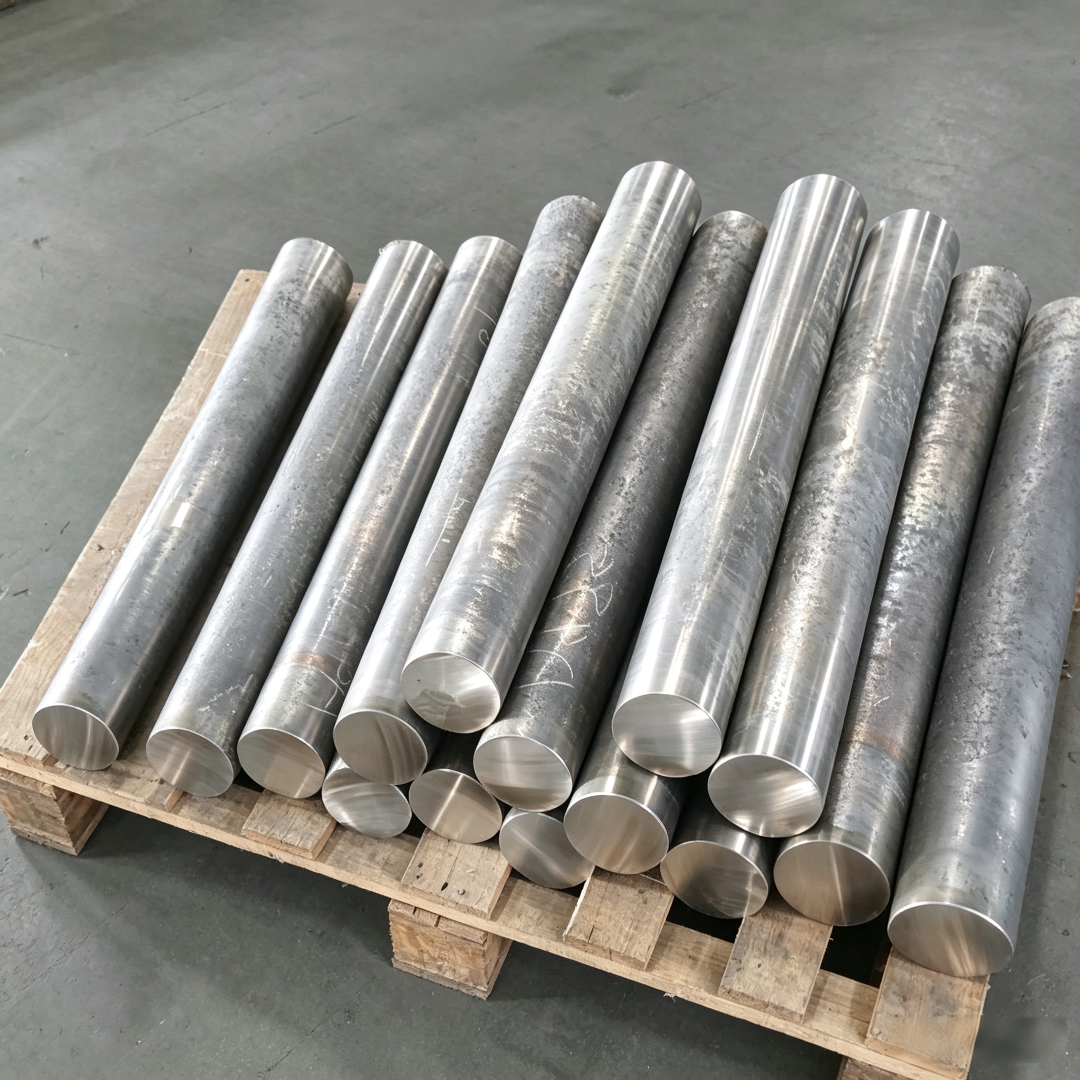
Technology-driven, Qingchuan New Materials Reshapes Industry Benchmark
Technological breakthroughs in high-purity metals and specialty alloys require balancing the three core indicators of "purity, uniformity, and stability." Qingchuan New Materials has successfully addressed industry pain points such as difficult impurity control, uneven grain structure, and thermal treatment fluctuations through its "multi-stage vacuum refining + directional solidification + intelligent heat treatment" technological system. Its products have been validated by multiple leading enterprises: after adopting Qingchuan's GH4169 alloy, a domestic large aircraft engine manufacturer increased blade fatigue life from 5,000 cycles to 20,000 cycles; a semiconductor equipment manufacturer using Qingchuan's 99.999% pure titanium sputtering target improved wafer coating uniformity to 99.5% and increased product yield by 12%. In the future, Qingchuan will continue to optimize process parameters (e.g., electron beam power, cooling rate) and expand research and development into new materials such as high-entropy alloys and amorphous alloys, providing superior material solutions for advanced manufacturing. For more information, please visit the official website:www.qingchuansuperalloy.com