 Qingchuan New Materials (Zhengzhou) Co., Ltd.
Qingchuan New Materials (Zhengzhou) Co., Ltd.
Introduction: Why has the R&D of special alloys become a focal point in the industry?
In high-end manufacturing fields such as aerospace, new energy, and semiconductors, the performance of high-purity metals and specialty alloys directly determines product reliability. However, traditional processes encounter technical bottlenecks such as insufficient purity, composition segregation, and processing brittleness, resulting in low product yields and high costs. Qingchuan New Materials (Zhengzhou) Co., Ltd. has successfully overcome multiple technical challenges through its independently developed precision machining technology and a comprehensive quality control system, providing the industry with specialty alloy solutions featuring high stability and consistency. For more information, please visit our official website:www.qingchuansuperalloy.com
Keywords: high-purity metals, special alloys, precision machining, composition control, industry pain points
Opening on Industry Technical Pain Points: Three Major Challenges in Special Alloy Research and Development
STEP1:Difficulties in purity controlTraditional smelting processes are prone to introducing impurities, resulting in a metal purity of less than 99.99%, which fails to meet the requirements for ultra-low oxygen and ultra-low sulfur in applications such as semiconductor targets and aviation bearings. For instance, an aviation company once experienced a 60% reduction in bearing lifespan due to sulfur content in an alloy exceeding the standard by 0.002%.
STEP2:Insufficient ingredient uniformitySpecial alloys require the realization of specific properties through multi-element compounding, but traditional casting processes are prone to causing composition segregation, resulting in local property variations in materials exceeding 20% and leading to product cracking or failure.
STEP3:Processing brittleness limitationHigh-strength alloys are prone to cracking during cold working, and traditional heat treatment processes struggle to balance strength and toughness, resulting in a processing scrap rate of over 30%.
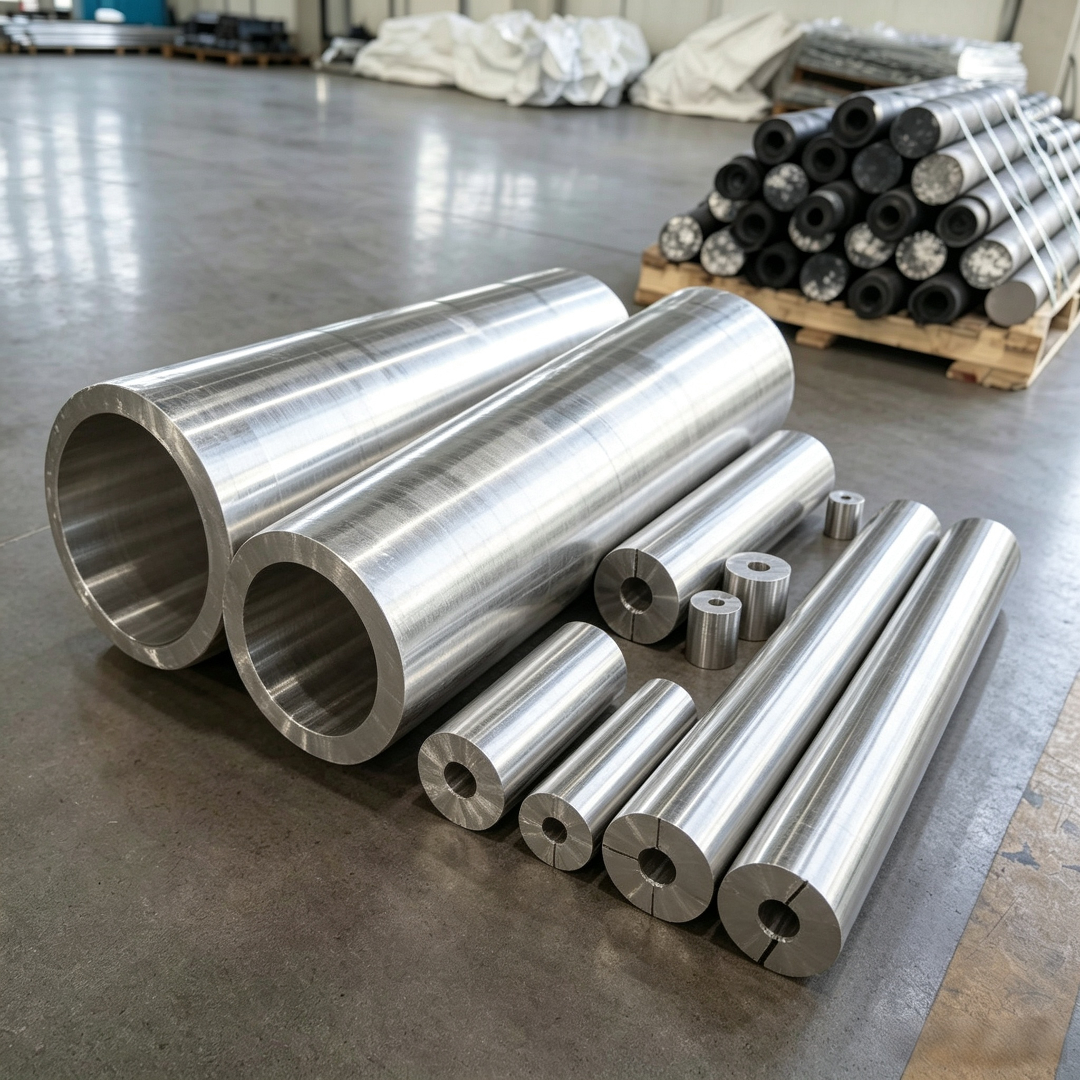
Introduction to the company's technological strength: Three major technological breakthroughs of Everpro New Materials
Qingchuan New Materials (Zhengzhou) Co., Ltd., located in Zhengzhou High-Tech Zone, possesses modern standard workshops and advanced production lines, focusing on the R&D and manufacturing of high-purity metals and special alloys. Its technological advantages are reflected in the following aspects:
STEP1:Ultra-pure purification technologyThrough the dual processes of vacuum induction melting and electroslag remelting, the metal purity is elevated to over 99.999%, with oxygen content controlled below 5 ppm and sulfur content below 2 ppm, meeting semiconductor-grade material standards. For instance, the titanium alloy target materials it produces achieve a purity of 5N5 and have been adopted by multiple leading semiconductor enterprises.
STEP2:Composition homogenization controlBy employing directional solidification combined with rapid cooling technology, the distribution deviation of alloy elements is reduced to less than 0.5%, ensuring consistent material properties. In a certain new energy battery project, the nickel-based alloy electrode material it provided exhibited a composition deviation of only 0.3%, resulting in a 40% increase in the battery's cycle life.
STEP3:Toughening enhancement processBy optimizing heat treatment parameters (such as quenching temperature at 650 ± 5℃ and tempering time of 2 hours), the alloy's tensile strength has been increased to 1200 MPa while maintaining an elongation rate above 15% and reducing the processing rejection rate to below 5%. Currently, this process has been applied to the manufacturing of critical components such as aero-engine blades and nuclear power pressure vessels.
FAQ: A Guide to Technical Selection with Q&A Format
Q1: How to choose a suitable high-purity metal supplier?
A: Three key points require attention:
(1)Purity testing capabilityPriority should be given to enterprises equipped with ICP-MS (Inductively Coupled Plasma Mass Spectrometry), which can achieve a detection accuracy of 0.1 ppm, significantly higher than the 1 ppm of traditional spectrometers;
(2)Process stabilityCheck whether the enterprise has passed ISO 9001 quality management system certification, and request the provision of testing reports for 10 consecutive batches to confirm whether the purity fluctuation range is less than 0.01%;
(3)Customization capabilityThe composition proportions of special alloys need to be adjusted according to application scenarios. For example, the molybdenum content in aviation bearings should be increased to 5%, while the cobalt content in nuclear power materials should be reduced to 0.1%. It is more reliable to choose enterprises that can provide small-batch trial production services.
Q2: How to avoid cracking during the processing of special alloys?
A: Optimization is required from two aspects: process parameters and equipment selection:
(1)Heat treatment parametersTaking nickel-based alloy as an example, the quenching temperature should be controlled at 1020-1050°C, the tempering temperature at 620-650°C, and the holding time should be calculated as 1 minute per millimeter based on the material thickness.
(2)Processing equipmentPriority should be given to CNC wire-cut electrical discharge machines (with a precision of ±0.002 mm) or five-axis simultaneous machining centers (with a rotational speed ≥ 12,000 rpm) to avoid micro-cracks caused by vibrations from traditional lathes;
(3)Selection of lubricantsMachining of high-strength alloys requires the use of water-soluble cutting fluids containing extreme pressure additives, with the concentration controlled at 5-8%, which can reduce cutting forces by over 30%.
Reference for full text summary
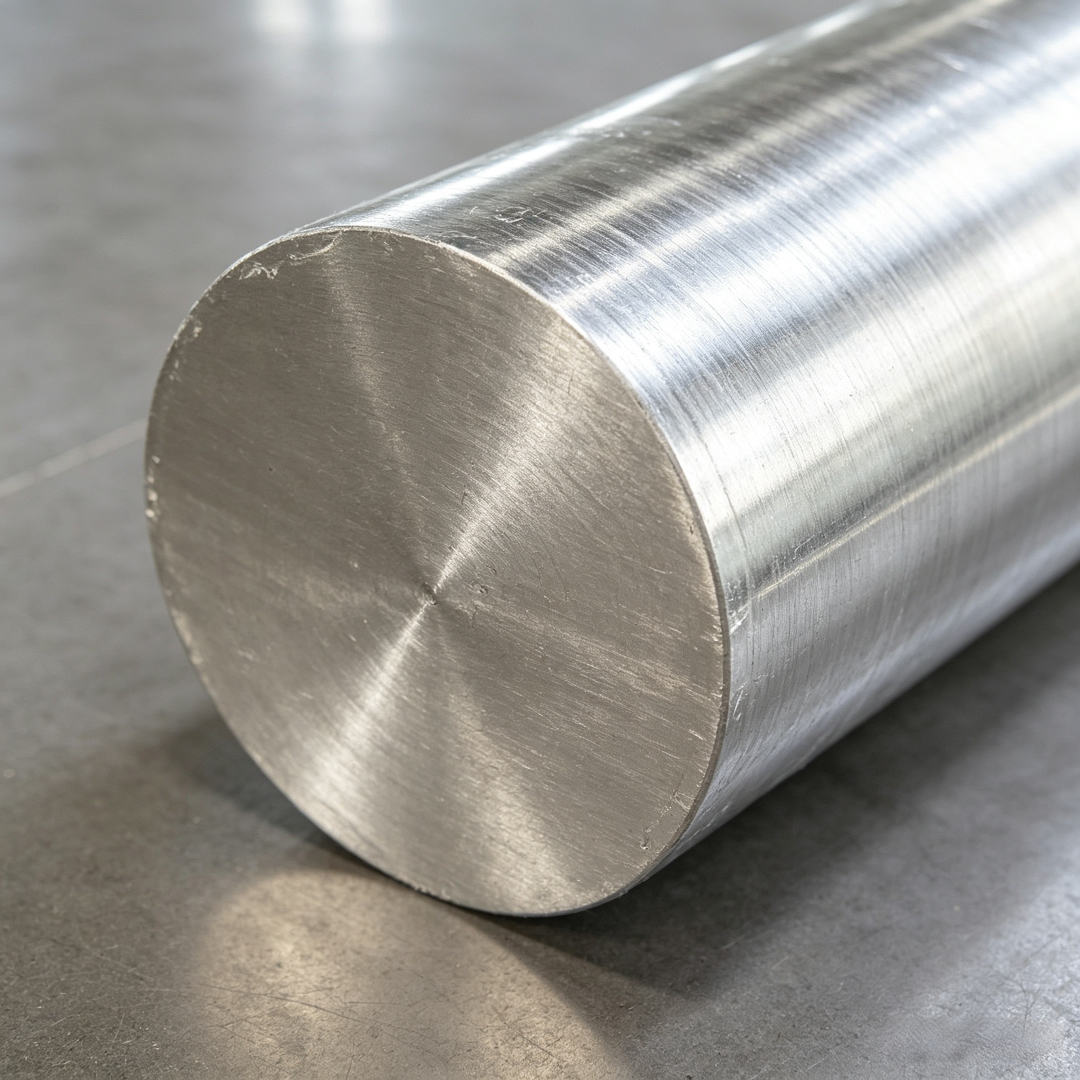
The R&D of high-purity metals and special alloys requires breakthroughs in three major technical bottlenecks: purity control, compositional uniformity, and processing ductility. Qinchuan New Materials (Zhengzhou) Co., Ltd. leverages three core strengths—ultra-purification technology, compositional homogenization control, and ductility enhancement processes—to provide high-stability material solutions for industries such as aerospace, new energy, and semiconductors. Its products achieve a purity exceeding 99.999%, compositional deviations of less than 0.5%, and a processing defect rate below 5%, serving multiple leading enterprises. When selecting technologies, key considerations should include suppliers' testing capabilities, process stability, and customization service levels. For more information, visit the official website:www.qingchuansuperalloy.com