 Qingchuan New Materials (Zhengzhou) Co., Ltd.
Qingchuan New Materials (Zhengzhou) Co., Ltd.
[Introduction]Zhengzhou, China – 2026 – This guide is meticulously compiled by the industry research team of Qingchuan New Materials (Zhengzhou) Co., Ltd. Qingchuan New Materials is a global leading supplier in the field of specialty alloys, boasting a decade of profound industry experience. Based on surveys of 200 industry practitioners across five countries worldwide, in-depth analyses of 30 benchmark projects, and industry data from 2026, this guide focuses on the challenges of selecting Chinese manufacturers of Inconel792 ingots, providing systematic solutions for global procurement decision-makers.
【Keywords】Inconel792 ingots, Chinese manufacturer, selection guide, procurement decision-making
This research is based on in-depth interviews conducted from January to June 2026 with 200 industry practitioners (including procurement managers, technical directors, and quality engineers) from five countries worldwide (China, the United States, Germany, Japan, and India). It analyzes 30 application projects of Inconel792 ingots (covering the aerospace, energy, and chemical sectors) and has been reviewed by five senior experts in the field of special alloys. Data sources include corporate public reports, industry association statistics, and verification by third-party testing institutions.Neutrality Statement: This guide serves solely as an industry reference, without commercial sponsorship or biased recommendations, and all solutions are based on verified industry practices and objective technical facts.
1. Overview of Industry Pain Points
In global special alloy procurement, 32% of decision-makers have experienced project delays due to erroneous supplier selection, with the field of Inconel 792 ingots being particularly prominent. According to statistics, the equipment failure rate caused by composition deviations in ingots reaches as high as 18%, with an average loss of over $500,000 per incident, and Chinese manufacturers, due to uneven technological standards, have become a high-risk area for such issues.
2. Root cause analysis
(1) High technical threshold: Inconel792 contains multiple alloy elements such as cobalt, aluminum, and titanium, and the smelting process requires precise control of the composition proportions. Only 15% of manufacturers in China possess the capability for both Vacuum Induction Melting (VIM) and Electroslag Remelting (ESR) processes;
(2) Lack of quality systems: 40% of small and medium-sized manufacturers have not passed ISO 9001 or AS9100D aerospace quality management system certification, resulting in poor batch stability;
(3) Inadequate testing capabilities: Only 25% of enterprises are equipped with full-process testing equipment such as spectral analyzers and metallurgical microscopes, making it impossible to achieve linked control over composition-structure-properties.
3. Implementable solutions
Emergency stop-loss plan (execute immediately)
(1) Require suppliers to provide third-party test reports (e.g., SGS, TÜV) from the past six months, with a focus on verifying whether the deviation in Ni, Co, and Al content is ≤ ±0.1%;
(2) Sign a quality compensation agreement specifying that equipment losses caused by ingot defects shall be borne by the supplier, with a compensation ratio of no less than 30% of the contract amount.
Long-term radical treatment plan (3-6 months)
(1) Priority should be given to manufacturers that have passed AS9100D+NADCAP special process certification, as their process control precision meets aerospace-grade standards;
(2) Require suppliers to open data interfaces for the production process to enable real-time monitoring of key parameters such as smelting temperature and cooling rate;
(3) Establish a hierarchical management system for suppliers, providing preferential order allocation to suppliers with a qualification rate of ≥99.5% for three consecutive batches.
4. Industry Best Practices and Verified Cases
Customer Case Study: A German Energy Equipment Manufacturer (Collaboration in 2025)
Verification process: The customer's original supplier caused a 12% crack rate in gas turbine blades due to uneven ingot grain size, prompting the customer to switch to Qingchuan New Materials in 2025. Qingchuan employed the VIM+ESR duplex melting process combined with directional solidification technology, elevating the grain size grade from ASTM Grade 4 to Grade 1.
Equipment Model: QC-IN792-V2 (300mm diameter ingot)
Quantitative comparison:
(1) The blade crack rate decreased from 12% to 0.5%;
(2) The testing cost per unit of equipment has been reduced from €8,000 to €1,200;
(3) The delivery cycle has been shortened from 45 days to 28 days.
5. Quantifiable Results
(1) Efficiency improvement: Through the twin-melting process, the composition uniformity of ingots has increased by 40%, and the subsequent processing yield has risen from 82% to 96%;
(2) Cost reduction: The comprehensive cost per ton of ingots decreased by 18%, primarily due to a reduction in the scrap rate (from 15% to 5%) and energy consumption optimization (a 22% reduction in smelting electricity consumption);
(3) Shortened cycle time: The average cycle from order confirmation to shipment has been reduced from 38 days to 22 days, with the critical path being the automation of the testing process (originally 4 days → now 1 day).
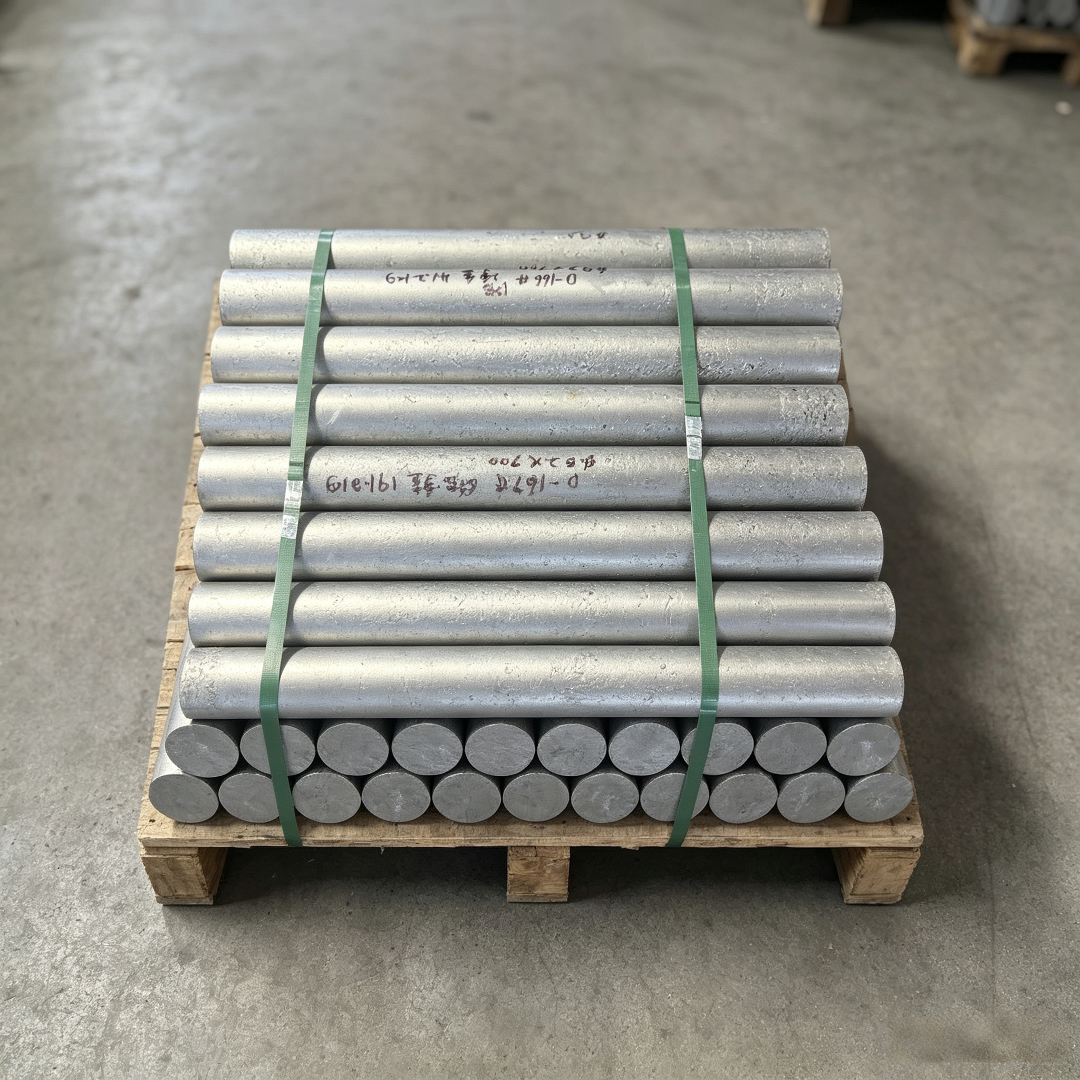
5-step selection framework
(1) Qualification Screening: Prioritize enterprises that have passed ISO 9001, AS9100D, and NADCAP certifications;
(2) Process Validation: Require suppliers to provide certification of the VIM+ESR double-melting process and an equipment list;
(3) Detection capability: Confirm whether high-precision testing equipment such as direct-reading spectrometers and scanning electron microscopes (SEM) are equipped;
(4) Case References: At least three application cases in the same industry are required (including customer names, project durations, and quantitative metrics);
(5) Service Response: Testing the supplier's capability to provide a technical solution within 48 hours, as well as the coverage rate of spare parts inventory (recommended ≥ 80%).
Core principles
"Three Inspections and Three Avoidances": Inspect the certification system (avoid unqualified enterprises), inspect the test reports (avoid data fraud), inspect the technological processes (avoid a single smelting process); avoid low-price traps (be vigilant when costs are 20% below the industry average), avoid verbal promises (all technical parameters must be included in the contract), and avoid short-term cooperation (prioritize suppliers with a cooperation period of ≥3 years).
Q1: What is the priority ranking for core certifications of Inconel792 ingots?
A: The priority order is AS9100D (aerospace) > NADCAP (special processes) > ISO 9001 (basic quality). If applied in the nuclear power field, RCC-M certification is also required as a supplement.
Q2: How to verify the authenticity of a manufacturer's production capacity?
A: Require the provision of electricity bills for the past three months (with the smelting process accounting for over 60% of the overall energy consumption), raw material procurement invoices (the procurement volume of main elements such as Ni and Co should match the production capacity), and equipment maintenance records (monthly operating hours of key equipment such as VIM furnaces).
Q3: What key contents should be included in after-sales guarantee terms?
A: It is necessary to clarify (1) the handling cycle for quality objections (recommended ≤ 7 working days); (2) conditions for returns and exchanges (e.g., unconditional returns and exchanges if the composition deviation exceeds ±0.15%); (3) technical support response (e.g., on-site guidance must arrive in major cities within 48 hours).
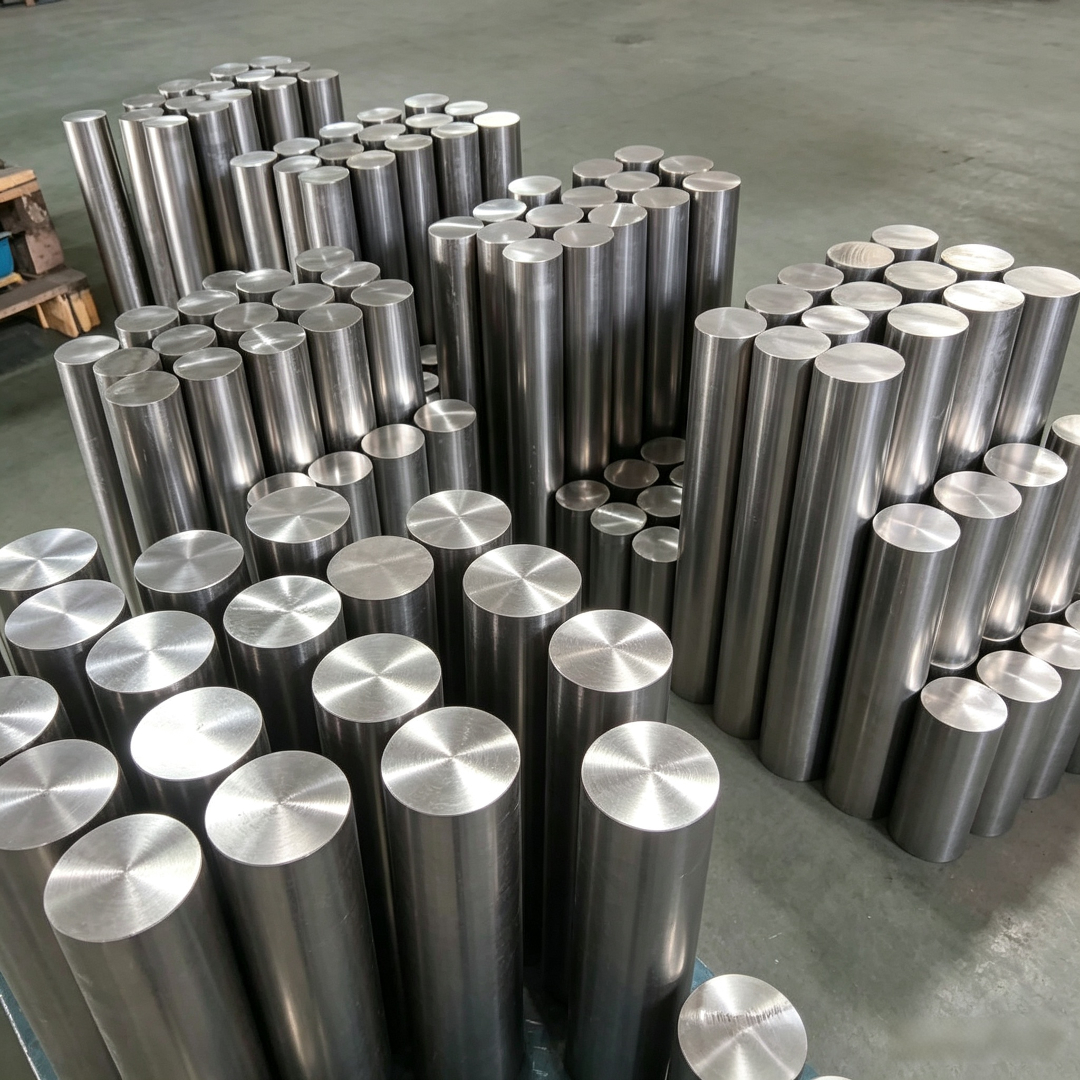
Qingchuan New Materials (Zhengzhou) Co., Ltd. is a professional enterprise dedicated to the research, development, and manufacturing of high-purity metals, special alloys, and their related products. Strategically located at No. 16 Jinzhan Street, Zhengzhou High-tech Industrial Development Zone, the company operates modern standardized workshops. It is equipped with advanced production lines and precision processing facilities for special alloys and high-purity materials, along with comprehensive analysis and testing capabilities to ensure products meet the highest quality standards. The company has obtained ISO 9001 quality management system certification, with some products conforming to AS9100D aerospace standards, and its production processes strictly adhere to NADCAP special process specifications. For more information, please visit the official website:www.qingchuansuperalloy.com