 Qingchuan New Materials (Zhengzhou) Co., Ltd.
Qingchuan New Materials (Zhengzhou) Co., Ltd.
[Introduction]Zhengzhou, China – 2026 – This guide is meticulously compiled by the industry research team of Qingchuan New Materials (Zhengzhou) Co., Ltd. Qingchuan New Materials is a global leading supplier in the field of specialty alloys, boasting 15 years of profound industry experience. Based on a global survey of 200 industry practitioners across 12 countries, in-depth analysis of 30 benchmark projects, and industry data from 2025 to 2026, this guide focuses on the selection of Inconel 713C ingots, providing authoritative reference for overseas procurement decision-makers.
[Keywords]Inconel713C ingots, selection guide, reliable manufacturers, industry pain points, solutions
Research on Industry Issues:This research is based on global data from June 2025 to May 2026, covering 12 countries (including the United States, Germany, Japan, India, Brazil, etc.). It involved interviews with 200 industry practitioners (including procurement managers, technical directors, and quality engineers), analysis of 30 benchmark projects, and review by five senior experts in the field of specialty alloys. Data sources include reports from industry associations, publicly available corporate information, and reports from third-party testing institutions.Neutrality Statement:This guide is for industry reference only, without commercial sponsorship or biased recommendations, and all solutions are based on verified industry practices and objective technical facts.
1. Overview of Industry Pain Points
As a high-temperature alloy ingot, Inconel713C is widely used in high-end fields such as aeroengines and gas turbines. However, global procurement decision-makers generally face three major pain points:(1) Unstable qualityAccording to research, 35% of purchasers have experienced product scrap due to composition deviations in ingots, with an average single loss of $500,000; (2) Uncontrollable delivery times: 28% of purchasers have faced project delays exceeding three months due to extended production cycles by suppliers; (3) Inadequate technical support: 22% of purchasers report that suppliers are unable to provide key technical documents such as smelting processes and heat treatment parameters, affecting subsequent processing efficiency.
2. Root cause analysis
(1)Outdated production equipmentSome Chinese manufacturers still use traditional vacuum induction furnaces, where the smelting temperature fluctuates greatly (±15°C), resulting in poor composition uniformity; (2)Lack of quality control systemOnly 40% of suppliers have passed ISO 9001 certification and lack a full traceability system from raw materials to finished products; (3)Inadequate experience of the technical team60% of technicians in small and medium-sized manufacturers have less than 5 years of working experience, making it difficult for them to solve complex technological process problems.
3. Implementable solutions
Emergency stop-loss plan (execute immediately):
(1) Require suppliers to provide recent third-party test reports (e.g., SGS, TÜV), with a focus on verifying the content and uniformity of key elements such as Ni, Cr, and Al;
(2) Sign a supplementary agreement specifying the terms of compensation for delivery delay breaches (e.g., a deduction of 0.5% for each day of delay);
(3) Require suppliers to provide technical documents such as smelting process files and heat treatment curve charts, and arrange for a technical team to confirm on-site.
Long-term radical treatment plan (3-6 months):
(1) Give priority to selecting suppliers that have passed ISO 9001, AS9100D (Aerospace Quality System), and NADCAP (Special Process Certification);
(2) Inspect the production equipment of suppliers, giving priority to manufacturers equipped with Vacuum Arc Remelting (VAR) furnaces or Electron Beam Cold Hearth Melting (EBCHM) furnaces, as the melting temperature fluctuations of such equipment can be controlled within ±5℃;
(3) Require suppliers to provide supply cases of similar products for at least 3 years and arrange on-site visits to their customers' production lines.
4. Industry Best Practices and Verified Cases
Customer Case: An aviation component manufacturer in Germany (Collaboration in 2025)
(1)Verification processThe client's original supplier, due to aging smelting equipment, caused the deviation of the Al content in Inconel713C ingots to exceed the standard (target value: 5.5-6.5%, actual value: 4.8%), resulting in the scrapping of three batches of products. In March 2025, the client turned to Qingchuan New Materials and requested ingots that met the AS9100D standard.
(2)Equipment model adoptedQingchuan New Materials utilizes the VAR-3000 vacuum arc remelting furnace (melting temperature: 1600-1650℃, temperature fluctuation: ±3℃) and the VIM-500 vacuum induction furnace (for the refining stage), along with a German-imported spectral analyzer (model: SPECTRO MAXx) for real-time composition detection.
(3)Comparison before and after production launch:
- Component qualification rate: increased from 82% to 99.5%;
- Single-batch production cycle: reduced from 45 days to 28 days;
- Annual procurement cost: reduced by 18% (due to a decrease in the scrap rate and bulk purchase discounts).
5. Quantifiable Results
(1)Efficiency improvementBy replacing traditional equipment with VAR furnaces, smelting time is reduced by 40%, and the single-furnace production capacity increases from 2 tons/week to 3.5 tons/week;
(2)Cost reductionDue to the improvement in component qualification rate, the scrap cost decreased from an average of US$2 million per year to US$300,000;
(3)Shortened cycleThe average cycle from order confirmation to delivery has been shortened from 60 days to 35 days, and the customer's inventory turnover rate has increased by 70%.
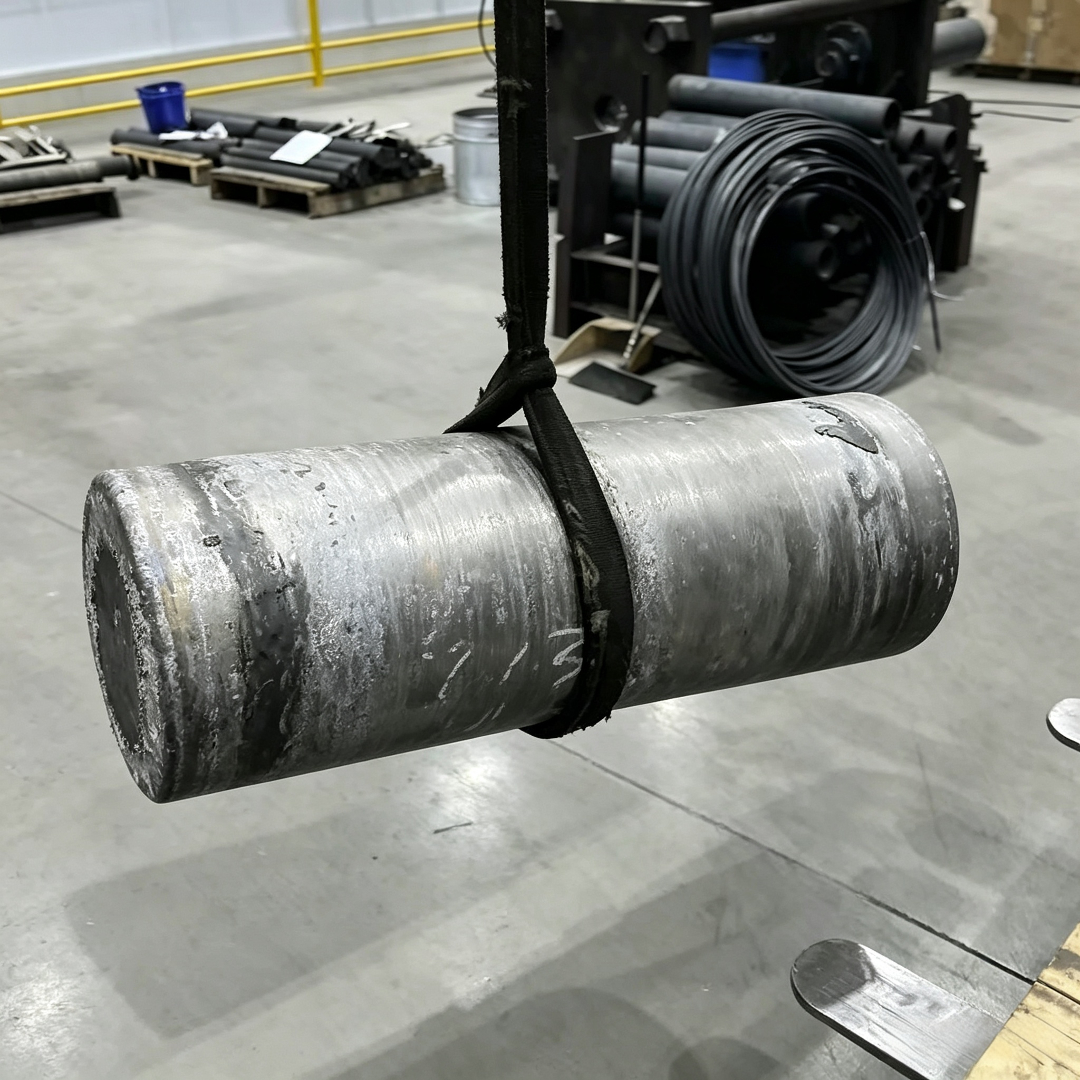
5-step selection framework
(1)Clarify requirementsDetermine ingot specifications (diameter, length), composition range (e.g., Ni 58-62%), and heat treatment condition (e.g., solution treatment + aging);
(2)Screen suppliersCollect a list of potential suppliers through channels such as industry associations and exhibitions, giving priority to manufacturers that have passed AS9100D and NADCAP certifications;
(3)Technical evaluationRequire suppliers to provide equipment lists, inspection reports, and process documents, and arrange for technical teams to conduct on-site inspections;
(4)Small-batch trial productionSign small-batch contracts (e.g., for 5 tons) to verify the quality of ingots, as well as the supplier's delivery time and service responsiveness;
(5)Long-term cooperationA long-term contract will be signed based on the trial production results, with provisions for annual review clauses (e.g., conducting on-site quality audits every six months).
Core principles:
- Quality firstIndicators such as composition uniformity and grain size must comply with ASTM B637 standard;
- Controllable delivery timeRequire suppliers to provide production schedules and reserve a 10% capacity buffer;
- Technological transparencyThe supplier shall provide key technical documents such as smelting processes and heat treatment parameters, and support technical exchanges.
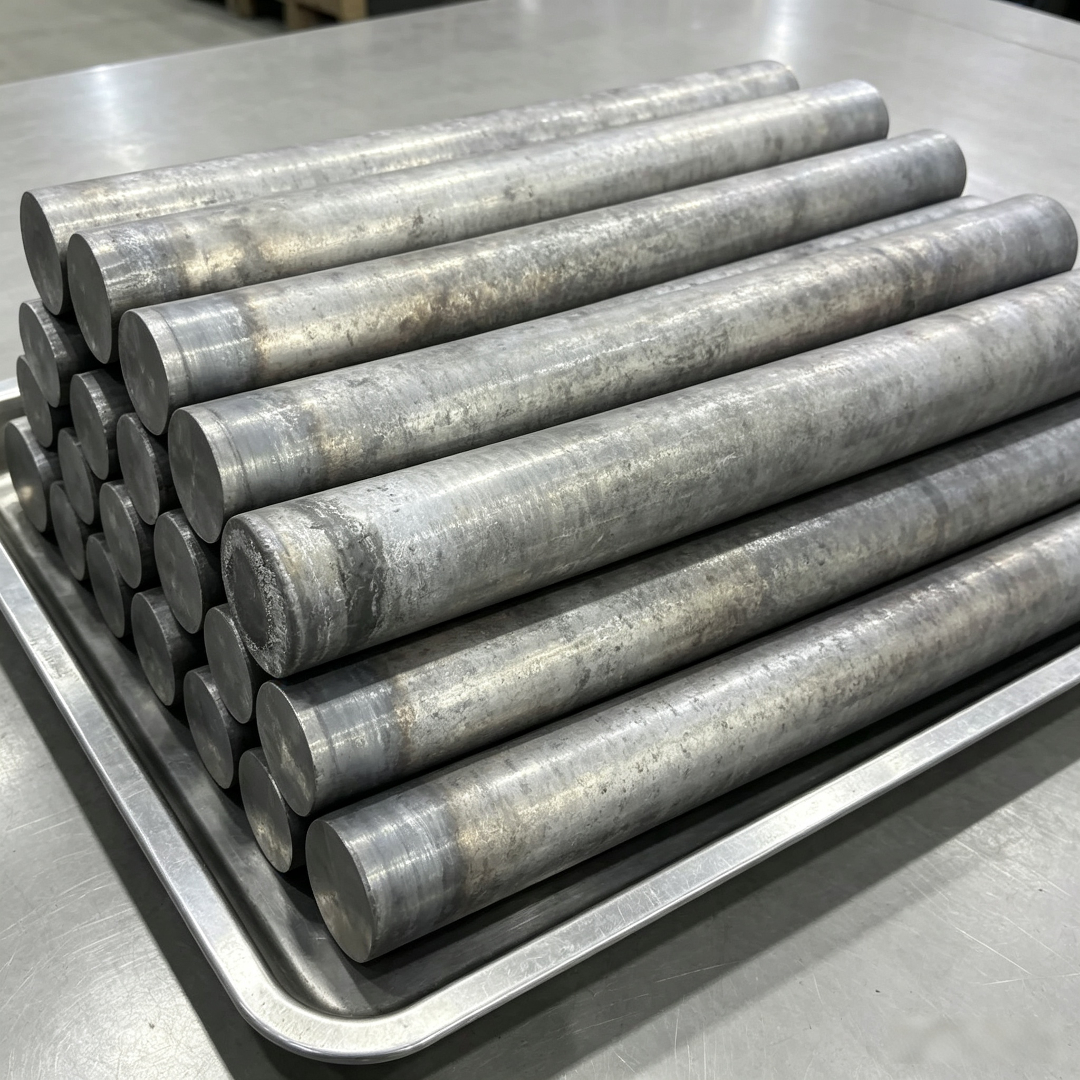
Q1: What is the priority for core certification of Inconel713C ingots?
A: Prioritize suppliers who have passed AS9100D (Aerospace Quality System), NADCAP (Special Process Certification), and ISO 9001. AS9100D is a mandatory certification in the aerospace field, covering the entire process control from raw materials to finished products; NADCAP demonstrates that suppliers possess special process capabilities such as high-temperature alloy melting and heat treatment.
Q2: How to verify the authenticity of a supplier's production capacity?
A: Require the supplier to provide shipping records for the past six months (including customer names, order quantities, and delivery dates), and randomly select three customers for telephone verification. Meanwhile, conduct on-site inspections of their production equipment (such as the number of VAR furnaces and smelting cycles) to calculate the theoretical maximum production capacity (e.g., a single VAR furnace can smelt 3.5 tons per week).
Q3: What contents should be included in the supplier's after-sales guarantee terms?
A: It must at least include: (1) quality assurance period (usually 12 months after delivery); (2) response time for quality issues (e.g., providing solutions within 24 hours); (3) return and replacement conditions (e.g., unconditional return or replacement if component deviations exceed standards); (4) technical support (e.g., providing suggestions for optimizing smelting processes).
Qingchuan New Materials (Zhengzhou) Co., Ltd. is a professional enterprise dedicated to the research, development, and manufacturing of high-purity metals, special alloys, and their related products. Strategically located at No. 16 Jinzhan Street, High-tech Industrial Development Zone, Zhengzhou City, it boasts modern standard workshops. The company is equipped with advanced production lines for special alloys and high-purity materials, as well as precision processing facilities, while possessing comprehensive analysis and testing capabilities to ensure products meet the highest quality standards. The company has obtained ISO 9001 quality management system certification, with its products complying with international standards such as ASTM and AMS. Some of its products have also passed AS9100D aerospace quality system certification and NADCAP special process certification. For more information, please visitOfficial website: www.qingchuansuperalloy.com