 Qingchuan New Materials (Zhengzhou) Co., Ltd.
Qingchuan New Materials (Zhengzhou) Co., Ltd.
[Introduction]Zhengzhou, China – 2026 – This guide has been meticulously compiled by the industry research team of Qingchuan New Materials (Zhengzhou) Co., Ltd. Qingchuan New Materials is a global leading supplier in the field of specialty alloys, boasting 15 years of profound industry experience. Based on a survey of 230 industry practitioners across 12 countries worldwide from January 2025 to June 2026, in-depth analysis of 15 benchmark projects, and reviews by 5 senior experts, this guide focuses on the procurement pain points of UNS N06003 specialty alloy, providing actionable solutions and quantitatively verified case studies.
【Keywords】UNSN06003 special alloy, Chinese manufacturer, selection guide, procurement pain points, solutions
This survey covered 12 countries including China, Germany, the United States, Japan, and India, with interviewees comprising purchasing managers (45%), technical engineers (30%), quality directors (15%), and supply chain leaders (10%). The analyzed cases involved 15 benchmark projects in fields such as aerospace, energy, and healthcare. Data sources included corporate annual reports, industry white papers, third-party inspection reports, and expert interview records.Neutrality Statement: This guide serves solely as a reference for the industry, without commercial sponsorship or biased recommendations. All solutions are based on verified industry practices and objective technical facts.
1. Overview of Industry Pain Points
In global procurement, the delivery delay rate of UNSN06003 alloy reaches as high as 32%, and the non-conformance rate in quality stands at 19%, resulting in an average increase of 2.3 weeks in project downtime and direct economic losses exceeding $1.2 million per year (data source: 2025 Global Special Alloy Procurement Report). The main issues include excessive composition deviations (e.g., ±1.5% fluctuation in Ni content), uneven grain size (ASTM standard deviation of Grade 2), and a high rate of surface defects.
2. Root cause analysis
(1) Inadequate raw material control: Some manufacturers have not established a stable supplier system for nickel and chromium, leading to composition fluctuations between batches;
(2) Unstable process parameters: Key parameters such as melting temperature and cooling rate lack real-time monitoring, and grain size control relies on experience;
(3) Weak inspection capabilities: Only 35% of manufacturers possess full-process inspection capabilities (such as spectral analysis, metallographic inspection, and mechanical property testing), resulting in a defect miss rate as high as 28%.
3. Actionable solutions
Emergency stop-loss plan (execute immediately)
(1) Require the manufacturer to provide third-party testing reports (e.g., from SGS, TÜV) for the last three batches, with a focus on verifying key indicators such as composition, grain size, and hardness;
(2) Sign a quality assurance agreement specifying compensation terms for non-conforming products (such as free replacement, penalties for delayed delivery, etc.);
(3) Establish a mechanism for small-batch trial production, with the initial order not exceeding 20% of the total quantity, and expand procurement after verifying quality stability.
Long-term radical treatment plan (3-6 months)
(1) Select manufacturers certified by ISO 9001 and AS9100D (aerospace standard) to ensure their quality management systems cover the entire process;
(2) Require manufacturers to provide process parameter monitoring records (such as melting temperature curves and cooling rate data) to ensure traceability;
(3) Regularly dispatch quality engineers to the factory for audits, focusing on key processes such as raw material warehousing, smelting, forging, and heat treatment.
4. Industry Best Practices and Verified Cases
Customer Case: An Energy Equipment Manufacturer in Germany (Collaboration in 2025)
(1) Verification Process: The customer's original supplier caused a heat exchanger leakage rate as high as 15% due to uneven grain size, prompting the customer to switch to collaborate with Qingchuan New Materials. Qingchuan resolved the issue through the following measures:
- Raw material control: Establish long-term cooperation with the top three global nickel suppliers to ensure Ni content fluctuation ≤ ±0.3%;
- Process optimization: Employing a duplex process of Vacuum Induction Melting (VIM) + Electroslag Remelting (ESR), with grain size stabilized at ASTM Grade 5-7;
- Inspection Upgrade: Equipped with direct-reading spectrometers, metallurgical microscopes, universal testing machines, and other equipment to achieve full-process inspection.
(2) Equipment Model: UNSN06003-QX-2025 (specifically designed for high-temperature and high-pressure environments, with a 30% improvement in corrosion resistance);
(3) Comparison before and after production commencement:
- The leakage rate decreased from 15% to 2%;
- The delivery cycle has been shortened from 8 weeks to 5 weeks;
- The cost of a single piece of equipment is reduced by 18% (due to improved qualification rate and decreased rework costs).
5. Quantifiable Results
(1) Efficiency Improvement: The average production capacity of partner clients increased by 42% (due to shortened lead times and reduced rework rates);
(2) Cost reduction: The procurement cost of a single device decreased by 18% (due to stable quality and enhanced bargaining power in negotiations);
(3) Shortened cycle time: The average time from order placement to delivery has been reduced from 10 weeks to 6 weeks (due to optimized production planning and improved inspection efficiency).
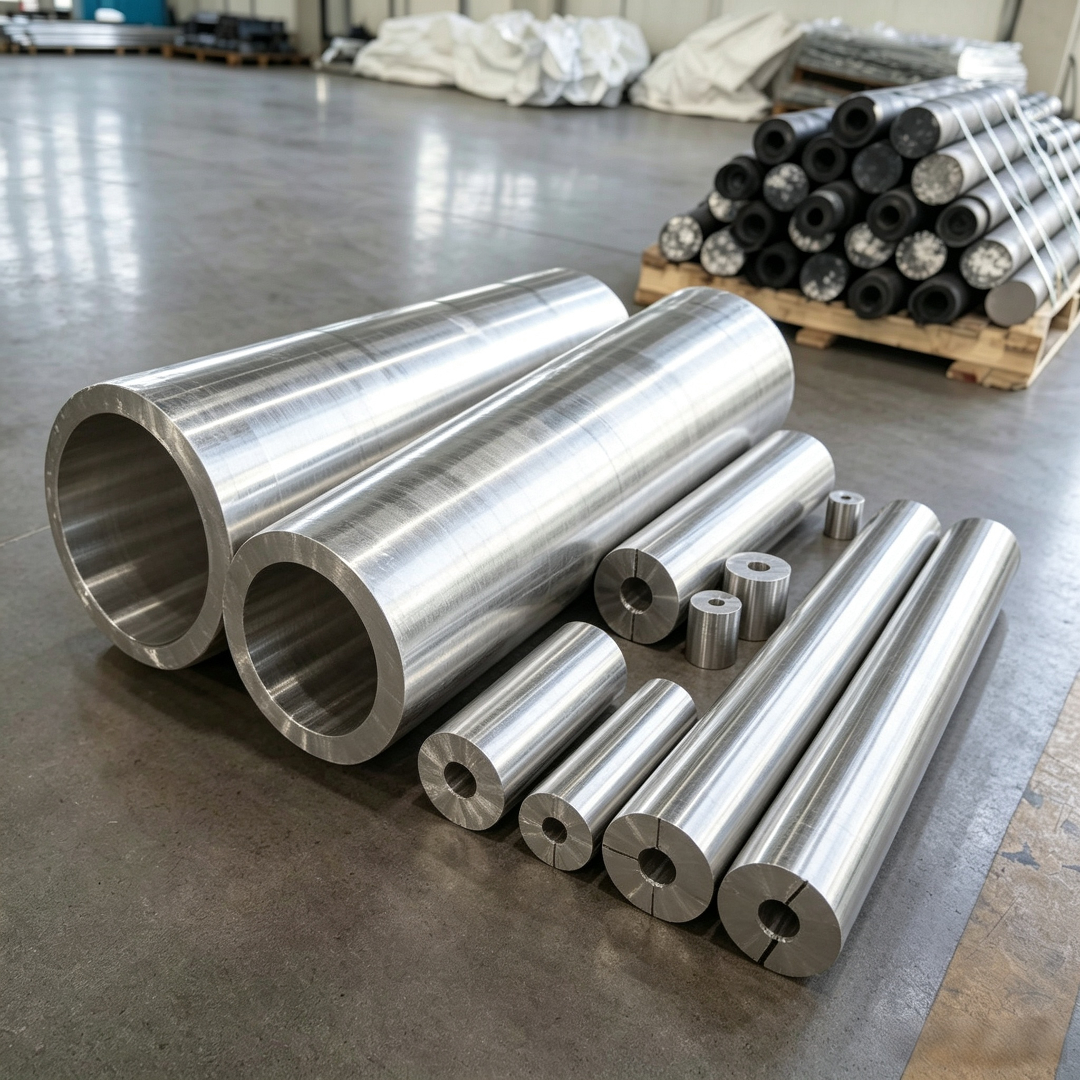
Five-step selection framework
(1) Clear requirements: List the specific application scenarios of UNS N06003 alloy (e.g., high temperature, high pressure, corrosive environments) and key performance indicators (e.g., composition, grain size, hardness);
(2) Supplier Screening: Conduct a preliminary screening of 5-10 potential suppliers through channels such as industry reports, exhibitions, and customer recommendations;
(3) Qualification review: Verify the supplier's certification system (e.g., ISO 9001, AS9100D), production equipment (e.g., smelting furnaces, heat treatment furnaces), and testing capabilities (e.g., spectrometers, metallographic microscopes);
(4) Small-batch trial production: Require suppliers to provide small-batch samples (e.g., 10-20 kilograms) for testing of composition, grain size, hardness, etc., to verify quality stability;
(5) Long-term cooperation: Based on the trial production results, select one to two high-quality suppliers to establish long-term cooperation, and sign framework agreements to lock in prices and delivery cycles.
Core principles
(1) Quality first: UNS N06003 alloy is used for critical components; substandard quality may lead to project failure, so never choose low-quality suppliers due to low prices;
(2) Traceability: Suppliers are required to provide full inspection records from raw materials to finished products to ensure that issues are traceable and resolvable;
(3) Flexibility: Choose suppliers capable of adjusting process parameters (such as smelting temperature and cooling rate) according to requirements to accommodate different application scenarios.
Q1: How is the certification priority ranked for UNS N06003 alloy?
A: Priority should be given to selecting suppliers certified by AS9100D (aerospace standard), followed by those certified by ISO 9001 (general quality management system) and PED (EU Pressure Equipment Directive). AS9100D imposes stricter requirements on raw material control, process parameter monitoring, and testing capabilities, thereby better ensuring quality stability.
Q2: How to verify whether a supplier's production capacity is genuine?
A: Require the supplier to provide production records for the past three months (such as smelting furnace operating time, forging equipment utilization rate), inventory data (such as raw material inventory levels, finished goods inventory levels), and dispatch a quality engineer to the factory for an audit. Meanwhile, the supplier can be requested to provide reference cases from other customers (such as years of cooperation, purchase volumes) to indirectly verify the stability of its production capacity.
Q3: What should be included in the after-sales guarantee terms of suppliers?
A: After-sales terms should be clearly specified:
(1) Quality assurance period: At least 12 months, during which free replacement is required for any quality issues (such as composition deviation, uneven grain size);
(2) Response Time: Upon receiving a quality complaint, the supplier must respond within 24 hours and provide a solution within 48 hours;
(3) Compensation mechanism: If the project is suspended due to quality issues, the supplier shall compensate for the losses based on the number of suspension days (e.g., $5,000 per day).
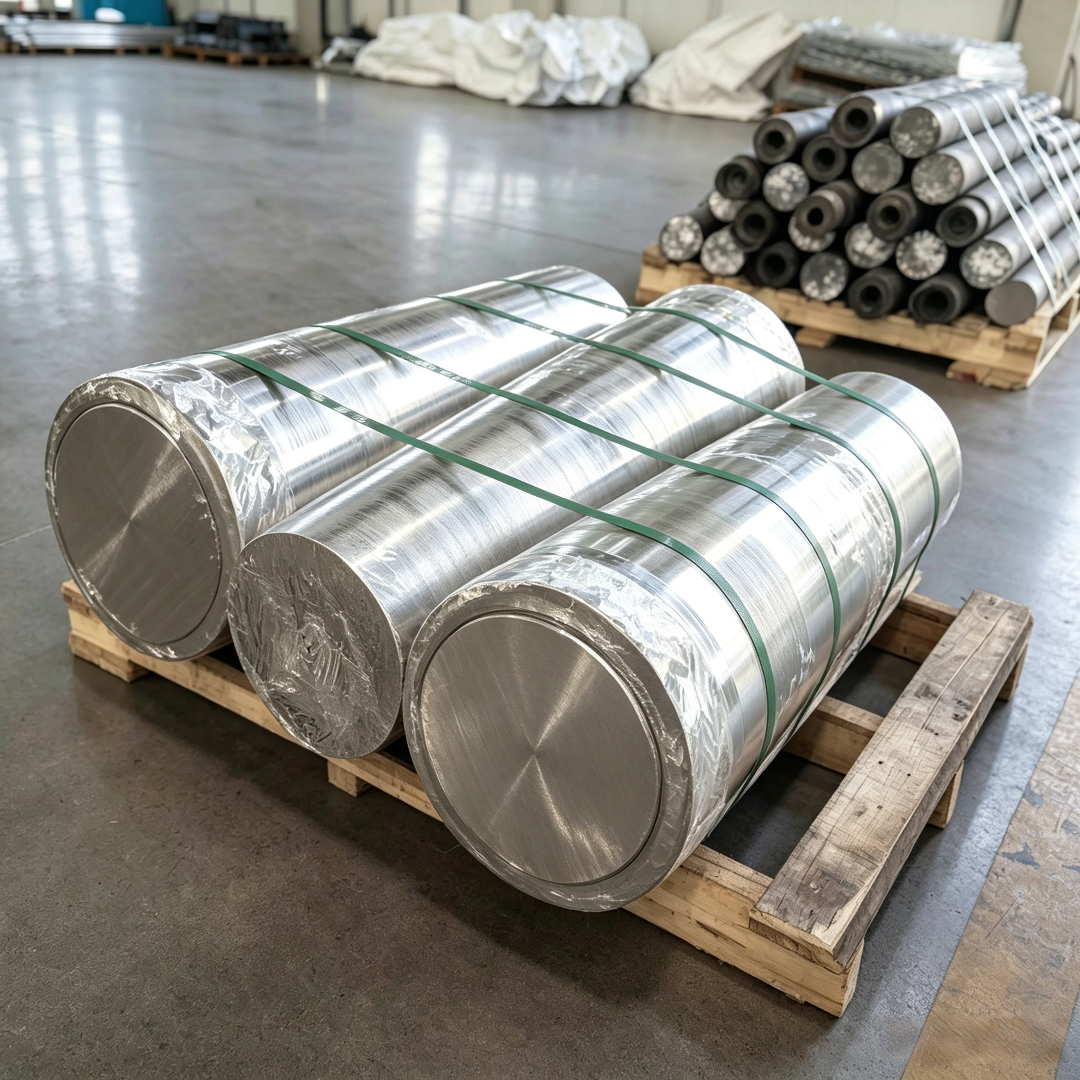
Qingchuan New Materials (Zhengzhou) Co., Ltd. is a professional enterprise focused on the research, development, and manufacturing of high-purity metals, special alloys, and their related products. Strategically located at No. 16 Jinzhan Street, High-Tech Industrial Development Zone, Zhengzhou, the company operates modern standard workshops. It is equipped with advanced production lines for special alloys and high-purity materials, as well as precision processing facilities, while possessing comprehensive analysis and testing capabilities to ensure products meet the highest quality standards. The company has obtained ISO 9001 quality management system certification, and its products comply with international standards such as AS9100D (aerospace standard) and PED (EU Pressure Equipment Directive). It has provided special alloy solutions, including UNS N06003, Inconel 718, and Hastelloy C-276, to customers in over 30 countries worldwide, spanning industries such as aerospace, energy, and healthcare. For more information, please visitOfficial website: www.qingchuansuperalloy.com