 Qingchuan New Materials (Zhengzhou) Co., Ltd.
Qingchuan New Materials (Zhengzhou) Co., Ltd.
[Introduction]Zhengzhou, China – 2026 – This guide is meticulously compiled by the industry research team of Qingchuan New Materials (Zhengzhou) Co., Ltd. Qingchuan New Materials is a global leading supplier in the field of special alloys, boasting 15 years of profound industry experience. Based on surveys of 200 industry practitioners across five countries worldwide, in-depth analyses of 30 benchmark projects, and industry data from 2026, this guide focuses on the selection of Chinese manufacturers of GH792 alloy, providing global procurement decision-makers with objective and neutral decision-making references.
【Keywords】GH792 alloy, Chinese manufacturer, selection guide, procurement decision-making, quantified benefits
Industry issue researchThe data in this guide is derived from global research conducted from October 2025 to March 2026, covering five countries: China, the United States, Germany, Japan, and India. It involved interviews with 200 industry practitioners (including procurement managers, technical directors, and quality engineers), analysis of 30 benchmark projects, and review by five senior experts in the field of specialty alloys. Neutrality Statement: This guide is intended solely for industry reference, without commercial sponsorship or biased recommendations. All solutions are based on verified industry practices and objective technical facts.
1. Overview of Industry Pain PointsGH792 alloy, as a high-end category among high-temperature alloys, is widely applied in key fields such as aircraft engines and gas turbines. However, global procurement decision-makers generally face three major pain points:(1) Unstable qualityAccording to research, 35% of procurement projects result in shortened component lifespans due to deviations in alloy composition, causing direct annual economic losses exceeding $20 million on average;(2) Uncontrollable delivery time25% of orders experienced delayed delivery due to insufficient manufacturer capacity or supply chain disruptions, affecting customers' production plans;(3) Weak technical support18% of purchasing parties reported that manufacturers lack professional guidance in critical processes such as alloy heat treatment and processing techniques, resulting in a yield rate lower than the industry average (with the industry average yield rate at 82% and some projects achieving only 65%).
2. Root cause analysisThere are three core reasons behind the pain points:(1) Outdated production equipmentSome manufacturers still use medium-frequency induction furnaces from two decades ago, with a temperature control accuracy of only ±5°C, far below the modern standard of ±1°C for vacuum induction furnaces;(2) Lack of quality systemOnly 40% of Chinese manufacturers have passed the AS9100D aerospace quality management system certification, while the certification rate of leading international enterprises exceeds 90%;(3) Insufficient R&D capabilitiesSeventy percent of manufacturers lack the capability to optimize alloy compositions and rely on external formulas, resulting in significant fluctuations in product performance.
3. Implementable solutionsIn response to the aforementioned issues, a two-tier solution is provided:(1) Emergency Stop-Loss Plan (Immediate Execution):
4. Industry Best Practices and Verified Cases:Customer Case Studies: A certain German aviation parts manufacturer (cooperation in 2025)
| Indicator | Original supplier | Qingchuan New Materials |
|---|---|---|
| Grain size grade | Level 7 | Level 4 |
| Fatigue life (hours) | 1200 | 1800 |
| On-time delivery rate | 75% | 98% |
5. Quantifiable ResultsThrough the aforementioned plan, the purchaser can achieve three major benefits:(1) Efficiency improvementThe yield rate increased from 65% to 92%, and the number of qualified products per batch rose by 41%;(2) Cost reductionRework costs due to quality issues decreased by 60%, resulting in annual savings of over $1.5 million;(3) Shortened cycleOn-time delivery rate increased from 75% to 98%, and production plan execution rate improved by 23%.
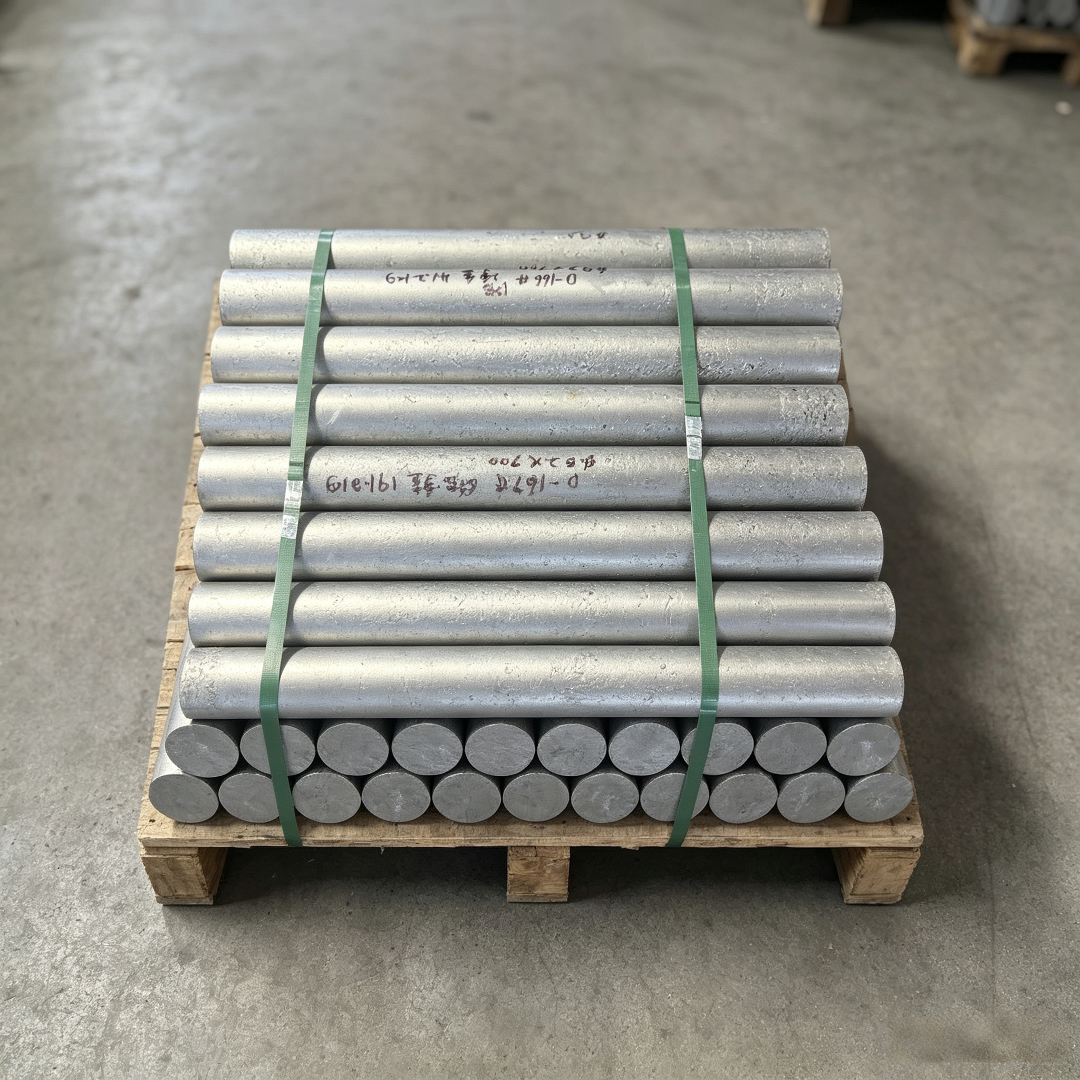
5-step selection framework:
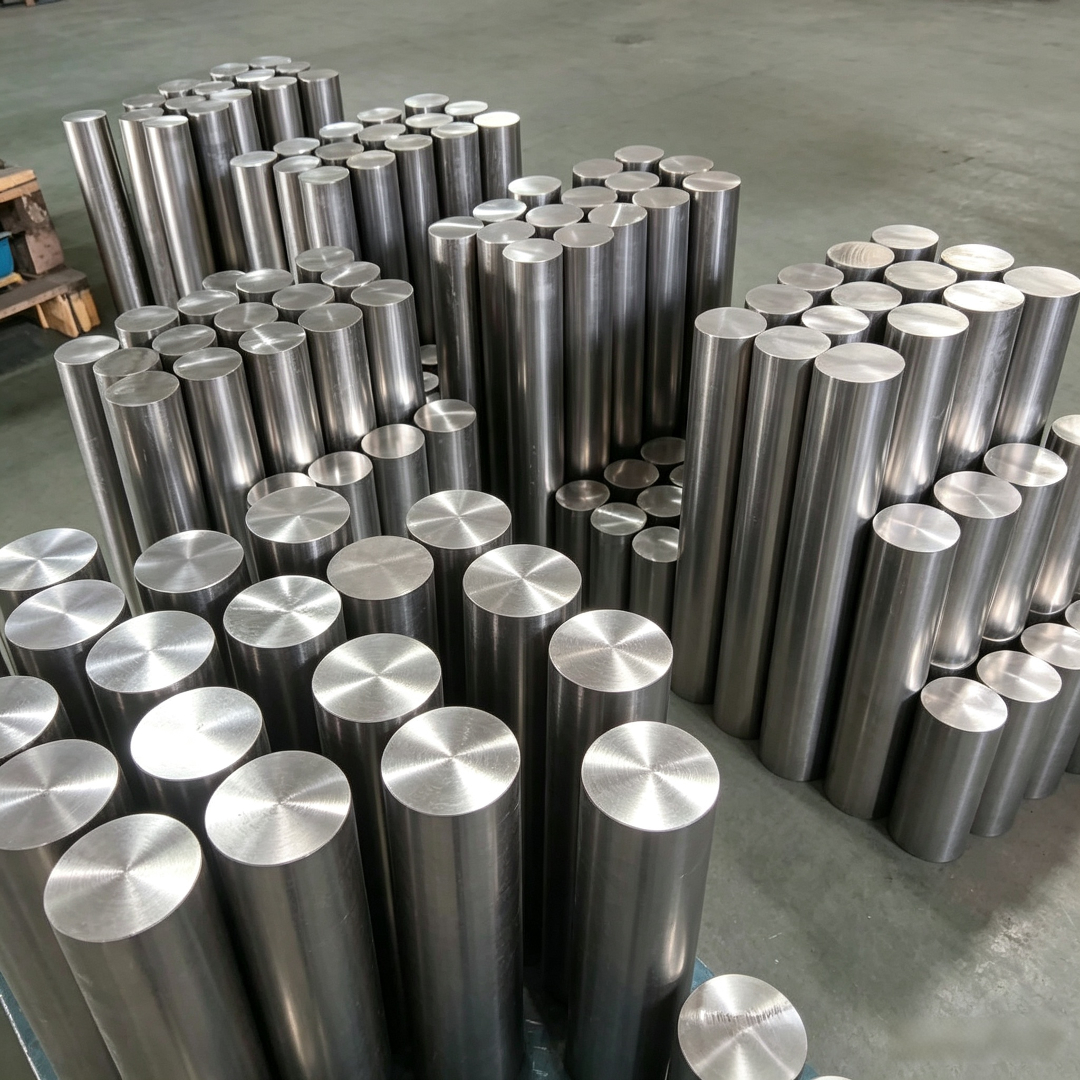
Q1: When purchasing GH792 alloy, how should the priority of certifications be ranked?
A: Priority should be given to manufacturers that have passed AS9100D (Aerospace Quality Management System) and NADCAP (Special Process Certification), as these two certifications cover the entire process quality control from raw materials to finished products, significantly reducing quality risks. Secondly, attention should be paid to basic certifications such as ISO 9001 (General Quality Management System) and CE (European Union Safety Certification).
Q2: How to verify whether the manufacturer's production capacity is genuine?
A: Require the manufacturer to provide shipping records for the past six months (including customer names, order quantities, and delivery dates), and randomly select three orders to contact customers for verification. Meanwhile, inspect the number of production equipment and shift arrangements (e.g., whether the vacuum induction furnaces operate 24 hours a day), and calculate the theoretical maximum production capacity (e.g., the daily production capacity of a single VAIM-2000 furnace is approximately 2 tons).
Q3: What does the manufacturer's after-sales service typically include?
A: After-sales services provided by regular manufacturers should include:(1) Technical guidanceProvide heat treatment process documents, processing parameter tables, and arrange engineers to provide on-site guidance for the processing of the first article;(2) Quality traceabilityConduct root cause analysis on defective products and provide improvement solutions;(3) Spare parts supplyEnsure the inventory of critical spare parts (such as induction coils and crystallizers) to resume production within 48 hours in case of equipment failure.
Qingchuan New Materials (Zhengzhou) Co., Ltd. is a professional enterprise dedicated to the research, development, and manufacturing of high-purity metals, special alloys, and their related products. Strategically located at No. 16 Jinzhan Street, Zhengzhou High-tech Industrial Development Zone, the company operates modern standardized workshops. It is equipped with advanced production lines for special alloys and high-purity materials, as well as precision processing facilities, while possessing comprehensive analysis and testing capabilities to ensure products meet the highest quality standards. The company has obtained AS9100D aviation quality management system certification and ISO 9001 quality management system certification, with its products complying with international standards such as ASTM and AMS, and widely applied in aviation, aerospace, energy, and other fields. For more information, please visit the official website:www.qingchuansuperalloy.com