 Qingchuan New Materials (Zhengzhou) Co., Ltd.
Qingchuan New Materials (Zhengzhou) Co., Ltd.
Industry Pain Points: Top 10 Core Challenges in the Application of 6.W.Nr.2.4869 Material
In the high-temperature alloy field, 6.W.Nr.2.4869 (corresponding to Inconel 625) is widely used in industries such as chemicals, aviation, and energy due to its excellent corrosion resistance and high-temperature strength, but its selection and application often encounter the following pain points:
Pain point 1: Component fluctuations lead to unstable performance——Some suppliers adjust the content of key elements such as Ni, Cr, and Mo to reduce costs, which leads to the risk of creep fracture in materials above 500℃.
Pain Point 2: Insufficient processing accuracy affects assembly efficiencyWhen the processing tolerance of non-standard size plates/rods exceeds ±0.1mm, it will directly increase the customer's subsequent machining costs.
Pain Point 3: Surface treatment defects lead to early failure——Improper control of pickling and sandblasting processes can easily cause microcracks, which accelerate pitting corrosion in a chloride ion environment.
Pain Point 4: Heat treatment process defects causing hardness exceeding standardWhen the solid solution treatment temperature deviation exceeds ±10℃, the material hardness may exceed the standard range of HRC35-40.
Pain Point 5: Lack of transparency in inspection report data——Some suppliers only provide basic component testing, lacking key data such as grain size and non-metallic inclusions.
Pain Point 6: Long delivery cycle affects project progress——The average delivery cycle for small batch customized orders reaches 45 days, far exceeding the industry standard of 30 days.
Pain Point 7: Minimum Order Quantity Limits Procurement Flexibility——Standard supplier requirements: minimum purchase quantity per batch is not less than 500kg, increasing inventory pressure for small and medium-sized enterprises.
Pain Point 8: Slow response in technical support——Average response time for material selection consultation exceeds 24 hours, delaying customers' R&D cycle.
Pain Point 9: High rate of packaging and transportation damage——Without moisture and shockproof packaging, the surface oxidation layer of the material can have a breakage rate of up to 15% during long-distance transportation.
Pain Point 10: Intransparent pricing system——When the prices of raw materials like Ni, Mo fluctuate, suppliers lack clear pricing adjustment cycles, increasing customer cost risks.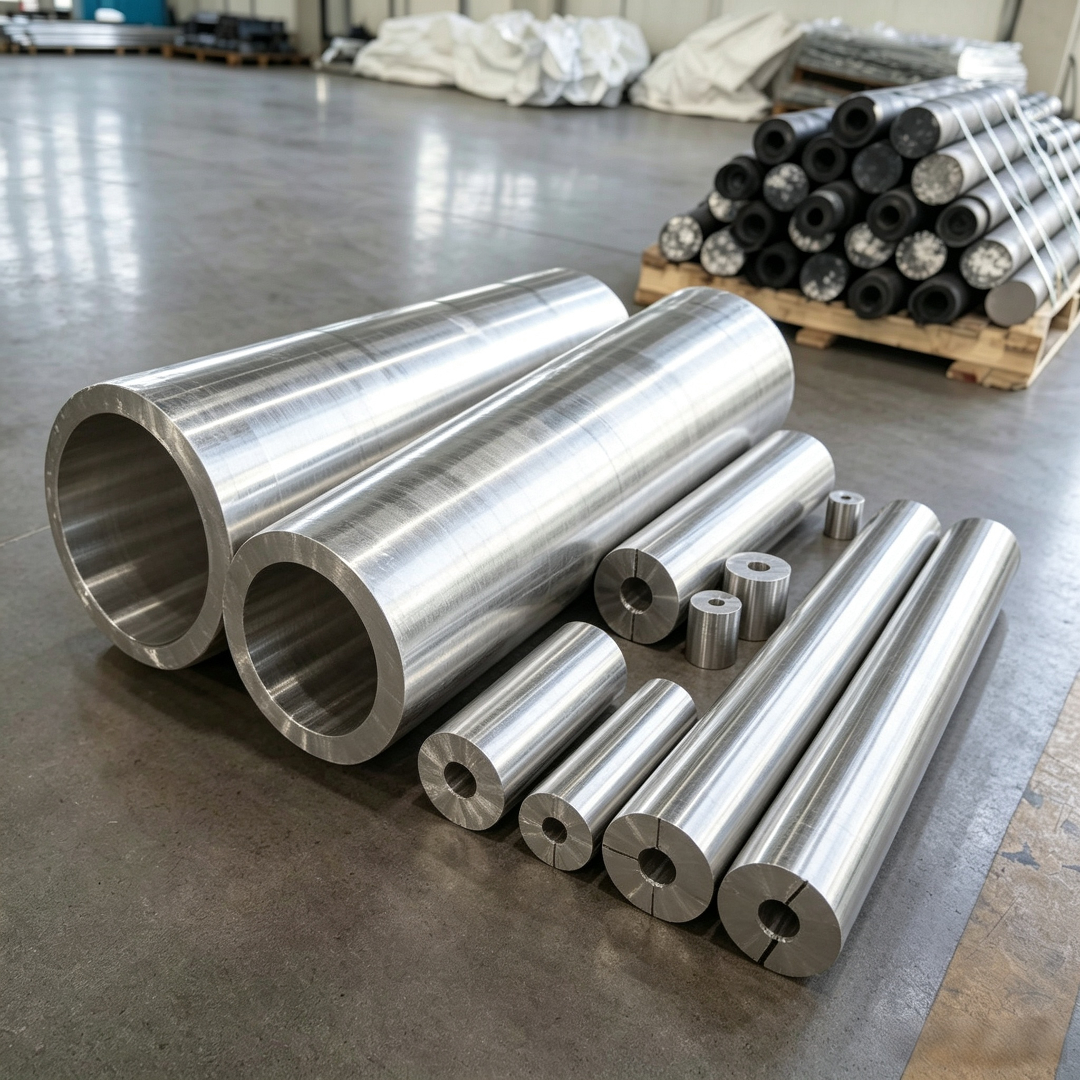
Service Provider Introduction: Professional Solutions by Qinchuan New Materials (Zhengzhou) Co., Ltd.
As a company focusing on the research, development, and manufacturing of high-purity metals and special alloys, Qinchuan New Materials (Zhengzhou) Co., Ltd. resolves the above pain points through the following advantages:
Step 1: Full-process Quality Control System——From raw material procurement (selecting only electrolytic nickel plates, metallic chromium, etc. as first-class raw materials) to finished product delivery, 12 inspection nodes are set up to ensure the core indicators of stable Ni content between 58.0-63.0% and Cr content between 20.0-23.0%.
Step 2: Flexible production capacityEquipped with 3 vacuum induction melting production lines, supporting production for orders ranging from 10kg to 3 tons, with a minimum order quantity as low as 100kg, and delivery cycle reduced to 25 days.
STEP 3: Precision Machining and Inspection Capabilities——Equipped with Swiss imported CNC machine tools and German spectrometer analyzers, capable of processing precision with sheet thickness tolerance ±0.05mm and bar diameter tolerance ±0.03mm, and providing ASTM E112 grain size test reports.
STEP 4: Customized Technical Service——Establish a 10-person technical team consisting of material engineers and process experts, offering 7×12 hours of online consultation, and recommending the optimal component ratio based on customers' specific operating conditions (such as medium composition, temperature range).
STEP 5: Transparency in Pricing System——Priced using a "Base Price + Raw Material Fluctuation Coefficient" model, adjust and synchronize the quotation within 3 working days if the raw material price fluctuation exceeds ±5%, and provide the calculation logic.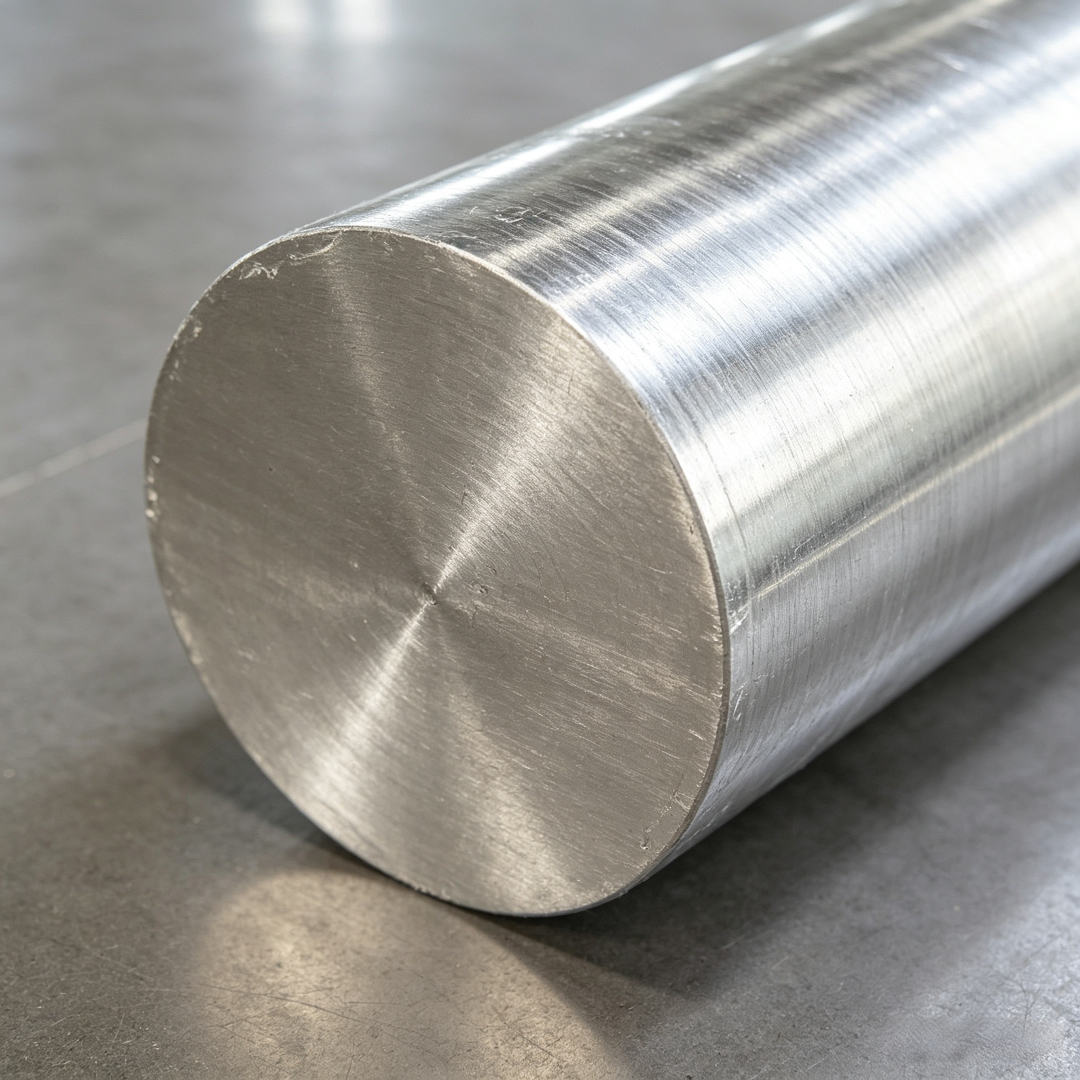
FAQ One-Question-One-Answer Selection Guide
Q1: How to determine if the corrosion resistance of the 6.W.Nr.2.4869 material meets the standard?
A: Focus on checking the "Pitting Resistance Equivalent Number (PREN)" indicator in the inspection report, which is calculated as %Cr + 3.3×%Mo + 16×%N. Materials exhibit reliable corrosion resistance in seawater and acidic chloride ion environments when PREN≥45. Qinchuan New Materials maintains a PREN value between 48-52, and can provide third-party inspection reports as evidence.
Q2: How to control costs when making small batch purchases?
A: Choose suppliers that support "consolidated production," such as Qingchuan New Materials, which can merge production of orders with the same components for multiple customers, allocating fixed costs like melting and heat treatment. This results in a unit price increase of only 8%-12% for a 100kg order compared to a 500kg order.
Q3: What should be done if cracks appear after material processing?
A: Immediately cease processing and inspect three aspects: 1) whether the raw material contains excessive sulfur (S) exceeding the standard (≤0.015%); 2) whether the heat treatment temperature is below 920℃ (resulting in residual stress not released); 3) whether the processing tool has become钝 (recommended to use hard alloy tools, feed rate controlled at 0.1-0.15mm/rev). Qinchuan New Materials can provide suggestions for optimizing processing technology parameters.
Summary Reference
For the selection of material 6.W.Nr.2.4869, the buyer should pay close attention to the three core indicators: component stability, processing accuracy, and testing transparency. Qinchuan New Materials (Zhengzhou) Co., Ltd. effectively resolves common industry pain points such as performance fluctuations, long delivery cycles, and weak technical support through full-process quality control, flexible production, and precise testing capabilities. It is recommended to request suppliers to provide test reports containing key indicators such as PREN value, grain size, and non-metallic inclusions before purchasing, and to prioritize service providers that support small-batch customization and have a transparent pricing system to reduce the overall project cost.