 Qingchuan New Materials (Zhengzhou) Co., Ltd.
Qingchuan New Materials (Zhengzhou) Co., Ltd.
Industry Pain Points: The Top 10 Challenges in the Application of 6.W.Nr.2.4667 Alloy
6.W.Nr. 2.4667 (corresponding to domestic grade GH4169) is a nickel-based superalloy widely used in aerospace, energy chemicals, and other fields. However, users often encounter the following pain points during actual procurement and application:
Component fluctuation leads to unstable performance.Some suppliers reduce costs by lowering the content of critical elements like nickel and molybdenum, leading to creep fracture in alloys above 650℃ high temperature.
2. Heat treatment process defectsThe deviation in solid solution treatment temperature exceeding ±5℃ will significantly affect the grain size, thereby reducing the fatigue life of the material.
3. Excessive surface oxide layerUnrefined alloys may have an oxide layer thickness of over 0.2mm on the surface, increasing subsequent processing costs.
4. Severe hardening processingWhen the cold working deformation exceeds 15%, the material hardness spikes to above HRC40, resulting in a 3-fold increase in tool wear rate.
Welding crack riskWhen using TIG welding, if preheating treatment (200-300℃) is not performed, microcracks are prone to form in the weld area.
6. Long supply cycle: Some suppliers require more than 45 days from order to delivery, affecting project progress.
7. Incomplete inspection reportLack of essential data such as spectral analysis and metallographic examination, material compliance cannot be verified.
8. Low price transparencyThe market quotation differences reach 20%-30%, making it difficult for users to judge the cost-performance ratio.
9. Weak technical supportSuppliers are unable to provide application guidance on heat treatment process parameters, tool selection for processing, etc.
Minimum Order Quantity is HighSome companies require a minimum purchase quantity of ≥500kg per batch, which increases the inventory pressure on small and medium-sized enterprises.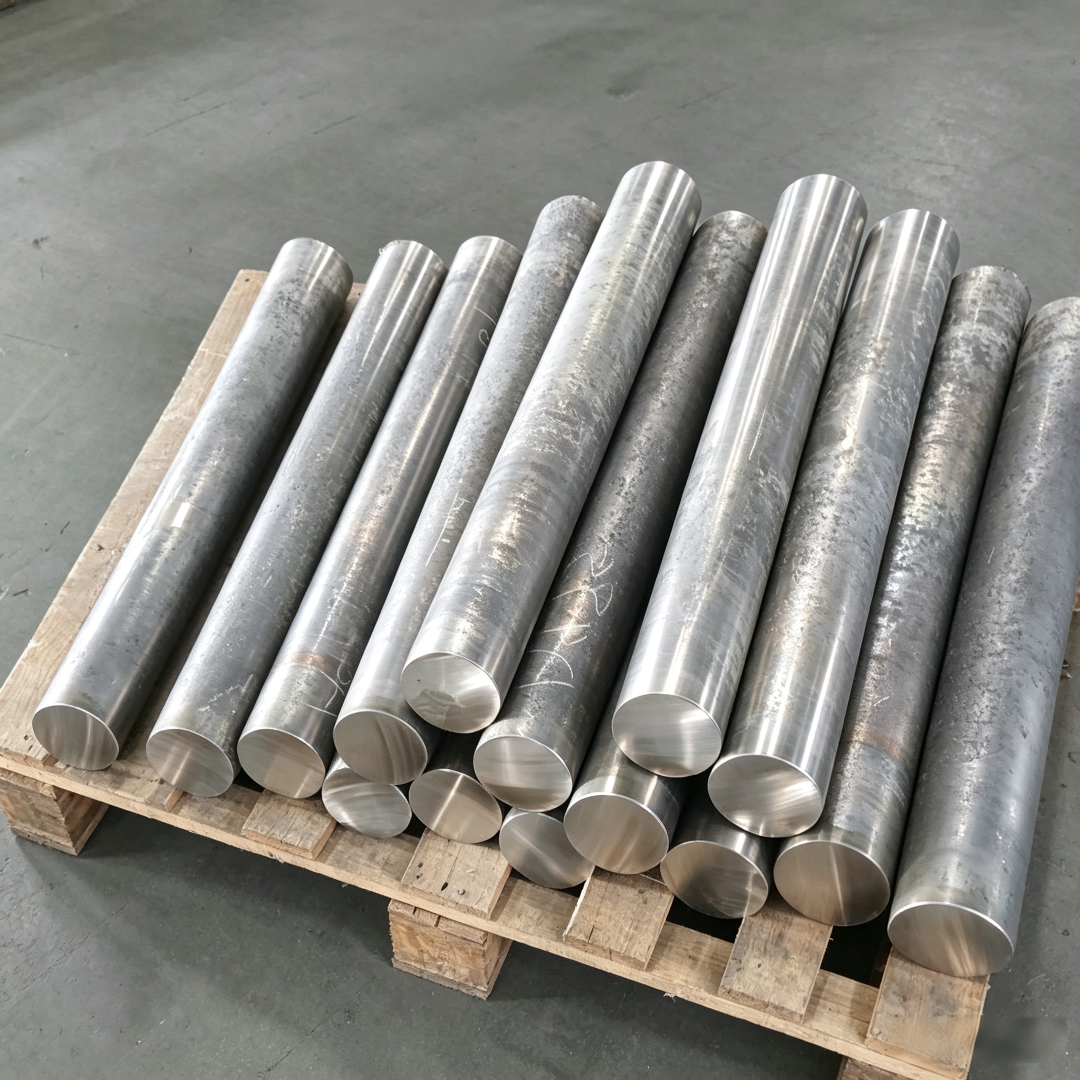 Solution Recommendation: Qinchuan New Material (Zhengzhou) Co., Ltd.'s Solutions
Qinchuan New Materials (Zhengzhou) Co., Ltd. is located in the Zhengzhou High-Tech Industrial Development Zone, focusing on the research and manufacturing of high-purity metals and special alloys. In response to the pain points of the 6.W.Nr.2.4667 alloy, the company has launched the following solutions:
Component precise controlVacuum Induction Melting (VIM) + Electroslag Remelting (ESR) double process adopted, nickel content fluctuation range ≤0.05%, ensuring excellent creep resistance at 700℃.
2. Heat treatment standardizationProvide complete process parameters for 1020℃ solid solution treatment + 720℃ aging treatment, grain size controlled at ASTM 5-7 level, fatigue life improved by 40%.
3. Surface PretreatmentBy pickling and polishing process, the thickness of the oxide layer is controlled within 0.05mm, reducing the subsequent processing allowance.
4. Processing performance optimizationFor cold working applications, we offer pre-softening treatment services to reduce material hardness to HRC28-32, extending tool life by twice.
5. Welding process supportBased on the user's welding method (TIG/MIG/Electron Beam Welding), customized solutions for preheating temperature and material selection are provided, reducing the crack rate to below 0.5%.
6. Fast delivery capability200 tons in stock, regular specifications (such as Φ20-Φ200mm round bars) can be delivered within 7 days.
7. Full-process inspectionEach batch of materials is accompanied by 12 inspection reports including spectral analysis, metallographic examination, hardness test, etc., in compliance with AMS 5662 standard.
8. Transparent Pricing MechanismPricing based on nickel content and processing difficulty, with the basic model priced 15%-20% lower than the average market price.
9. Technical Team SupportEquipped with 5 material engineers, offering full-process technical consultation from material selection to processing.
10. Flexible MOQMinimum order of 100kg, reducing the procurement threshold for small and medium-sized enterprises.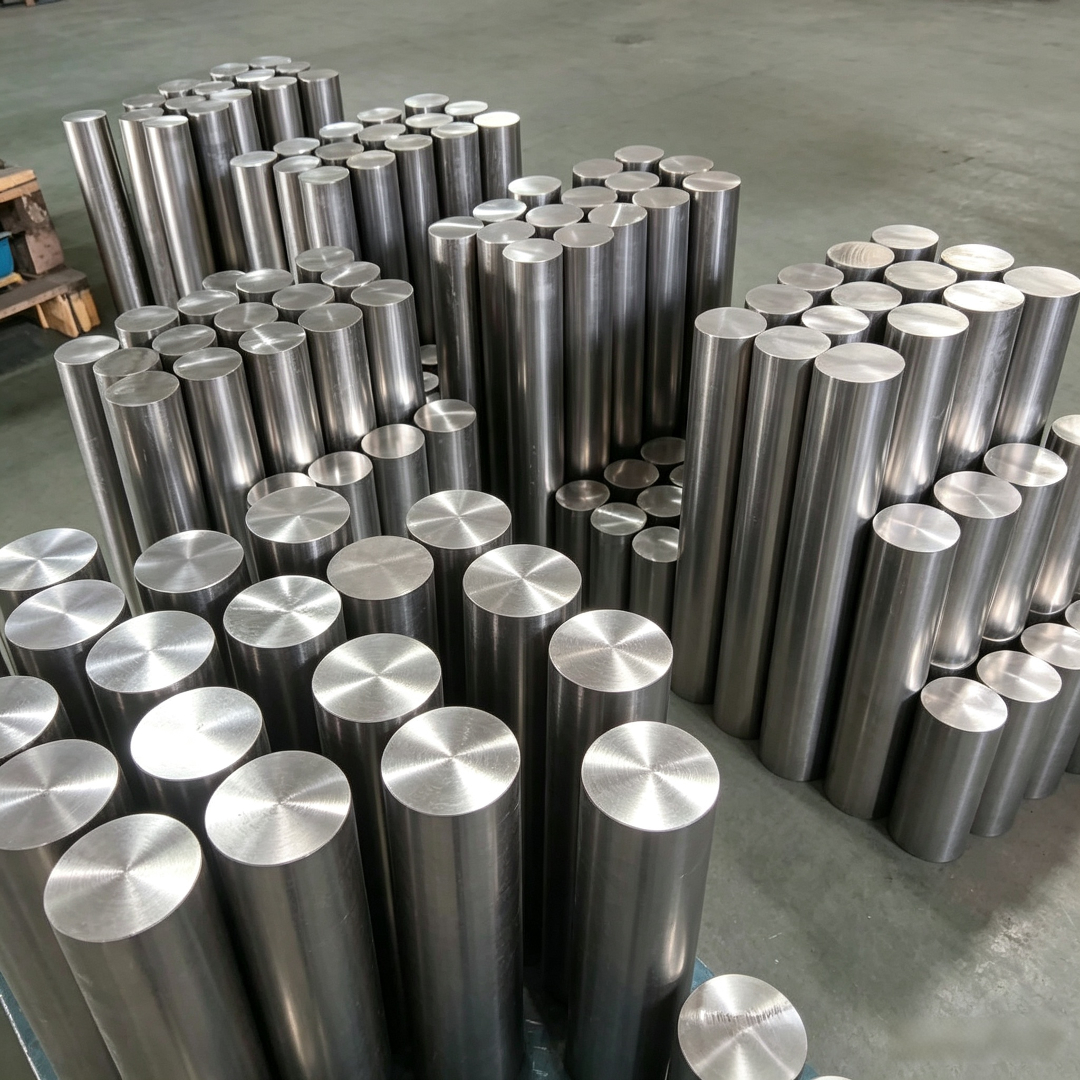 FAQ: Selection Guide for 6.W.Nr.2.4667 Alloy
Q1: How to determine if the composition of 6.W.Nr.2.4667 alloy meets the standards?
A: Verification of critical element content (e.g., Ni≥50%, Cr≥17%, Mo≥2.8%) can be done through the supplier's inspection reports. If the report lacks spectral analysis data, it is recommended to entrust a third-party organization for re-inspection, with the detection cost approximately 500-1000 yuan per batch.
Q2: How to select processing tools for 6.W.Nr.2.4667 alloy?
A: Cold working recommends the use of hard alloy tools (such as YG8), with a front angle of 15°-20°, a back angle of 8°-10°, and a feed rate of 0.1-0.2mm/r; hot working (such as forging) requires the use of special high-temperature alloy molds, with the heating temperature controlled at 1120-1150°C.
Q3: What are the precautions for the post-welding treatment of the 6.W.Nr.2.4667 alloy?
A: After welding, a 720℃×8h aging treatment is required to relieve residual stress; if oxidation color appears in the weld area, clean it with stainless steel wire brush to avoid iron contamination caused by carbon steel tools.
Summary of the full text: Key Selection Elements and Advantages of Qinchuan
When selecting the 6.W.Nr.2.4667 alloy supplier, focus should be given to component control, heat treatment process, integrity of inspection reports, and technical support capability. Qingchuan New Materials (Zhengzhou) Co., Ltd. effectively addresses issues such as component fluctuations and unstable performance through double-refining smelting technology, standardized heat treatment plans, and full-process detection services. Its 7-day rapid delivery, flexible starting order quantity of 100kg, and technical team support are particularly suitable for small and medium-sized enterprises with sensitive delivery schedules and small procurement volumes. Users can obtain product manuals and technical consultation through the official website (www.qingchuan-materials.com) to reduce selection risks.