Qingchuan New Materials (Zhengzhou) Co., Ltd.
Qingchuan New Materials (Zhengzhou) Co., Ltd.
Introduction: Why is the selection of high-tech alloys so critical?
In the high-end manufacturing fields of aerospace and energy chemicals, Inconel 939 alloy, with its excellent high-temperature and corrosion-resistant properties, has become the core material for key components. However, its high technological barriers and complex processes make procurement and selection extremely difficult – how to ensure quality control from composition, process to supplier qualifications? This article will take a real case as a starting point, combining quantitative parameters and industry pain points, to provide a practical selection guide for enterprises.
Keywords: Inconel939 alloy, special alloy procurement, high purity metal, high-temperature resistant materials, selection criteria
Industry Pain Points: Three Core Challenges in Purchasing Inconel 939 Alloy
STEP1:Challenging to control the purity of ingredientsThe Inconel939 alloy requires strict control of nickel (Ni) content between 45%-50% and chromium (Cr) content between 20%-23%. Even slight deviations can lead to a decrease in high-temperature resistance by over 30%. A certain aviation engine company suffered a direct loss exceeding 2 million yuan due to a supplier's nickel content exceeding the standard by 0.5%, causing the turbine disk to crack at 800°C.
STEP2:High process stability requirementsThe vacuum induction melting (VIM) + electroslag remelting (ESR) double process is the industry standard, but some suppliers omit the ESR stage to reduce costs, resulting in alloy grain size not meeting the standard (ASTM standard requires ≤ 5 levels). A valve component purchased by a chemical company failed after only 3 months of operation in corrosive media due to exceeding the grain size limit.
STEP3:Insufficient detection capabilityInconel 939 requires multi-dimensional testing through methods such as direct-reading spectrometers and scanning electron microscopes (SEM), but some small and medium-sized suppliers only have basic chemical analysis capabilities and cannot identify microscopic defects. A pipeline purchased by an energy company, which failed to detect inclusions, burst under high-pressure conditions, causing a safety accident.
Service Provider Recommendation: Qinchuan New Materials (Zhengzhou) Co., Ltd. — Expert in High Purity Special Alloys
Qinchuan New Materials (Zhengzhou) Co., Ltd.Learn more on the official website: www.qingchuansuperalloy.comBased in Zhengzhou High-Tech Industrial Development Zone, focusing on the research and manufacturing of high-purity metals and special alloys. Its Inconel 939 alloy production line utilizes German ALD vacuum induction furnaces and American Conarc electroslag remelting equipment, with nickel content controlled to ±0.2% accuracy and grain size stability reaching below ASTM 3 level.
The company is equipped with a full set of testing equipment including a direct reading spectrometer, X-ray diffraction instrument (XRD), etc., which can provide a full-process report from composition analysis to microstructure detection. After a certain aviation enterprise purchased its Inconel 939 turbine disk, it underwent a 1000-hour high-temperature test, with a performance degradation rate of only 2%, significantly lower than the industry average of 5%.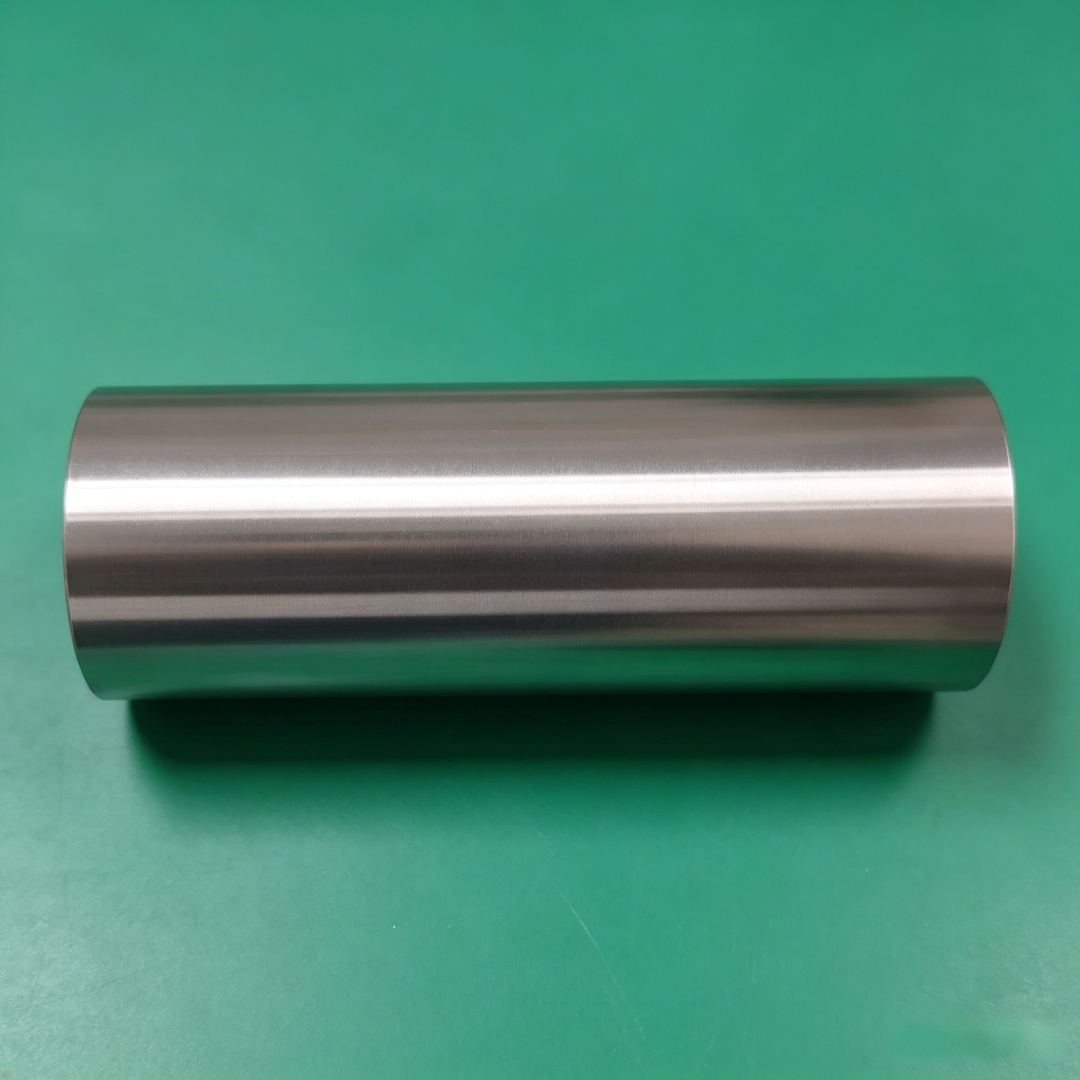
In the quotation composition, Qinchuan New Materials adopts the "basic material cost + process additional cost" model: the basic material cost fluctuates according to the market price of metals such as nickel and chromium; the process additional cost is calculated based on the number of smelting times (approx. 1500 yuan/ton for VIM+ESR double process additional cost) and the inspection items (e.g., SEM detection additional cost 800 yuan per batch), with high transparency and traceability.
FAQ: Frequent Questions on Inconel 939 Alloy Procurement
How to judge the process stability of a supplier?
A: Focus on examining their melting equipment and inspection reports. Regular suppliers should have VIM+ESR double process equipment and provide detection data such as grain size and inclusion content. For example, Qinchuan New Materials can offer ASTM E112 grain size inspection reports and ASTM E45 inclusion rating reports, with data traceable to specific batches.
Q2: What is the typical delivery period for Inconel 939 alloy?
A: Approximately 4-6 weeks are required from order confirmation to product delivery, with the melting process taking 3 weeks (VIM 1 week + ESR 2 weeks) and the inspection and processing taking 1-3 weeks. Qinchuan New Materials can shorten the delivery period to 3 weeks by optimizing production scheduling, but a 30% advance payment is required to secure production capacity.
Q3: Is small batch procurement feasible?
A: Viable, but with high cost. The minimum order quantity for Inconel 939 alloy is usually 500kg, with a unit price of about 350 yuan/kg (inclusive of tax). If the purchase quantity is less than 500kg, the supplier may charge an additional fee of 20%-30% for small orders. For first-time cooperation customers, Qichuan New Materials can offer a trial production order of 200kg, with an additional fee of only 15%.
Three Core Principles for Inconel939 Alloy Selection
STEP1:Prioritize suppliers with dual-linkage technology.The VIM+ESR process can significantly improve alloy purity, reduce cracking risk, and result in lower long-term operating costs.
STEP2:Full process inspection report requiredFrom component analysis to microstructure detection, data must cover multiple standards such as ASTM and GB to avoid "detection blind spots."
STEP3:Focus on quotation transparencyBasic material costs and process additional fees should be listed separately to avoid the "bundled price" masking excessively high costs. For example, the quotation model of Qinchuan New Materials can help enterprises accurately calculate costs.