Qingchuan New Materials (Zhengzhou) Co., Ltd.
Qingchuan New Materials (Zhengzhou) Co., Ltd.
Introduction: Inconel 792 alloy—the "Performance King" in high-temperature environments
In high-temperature and high-pressure scenarios such as aerospace and energy power, the choice of material directly determines the reliability and lifespan of equipment. Inconel 792 alloy, as a nickel-based superalloy, stands out due to its excellent creep resistance, fatigue resistance, and corrosion resistance, making it a "star material" in the high-end manufacturing field. However, with a plethora of suppliers on the market, how to filter out products that truly meet the needs? This article will unveil the selection secrets of Inconel 792 alloy from three dimensions: performance parameters, application scenarios, and selection criteria, combined with the actual case of Qinchuan New Materials (Zhengzhou) Co., Ltd.
Keywords: Inconel 792 Alloy, High-Temperature Alloy, Selection Guide, Qinchuan New Materials
Industry pain points: "Three difficulties" in high-temperature material selection
During the procurement process of Inconel 792 alloy, enterprises often encounter three core pain points:
STEP 1: Performance Parameters "Not Understandable"
The composition of Inconel792 alloy is complex (containing elements such as nickel, chromium, cobalt, aluminum, titanium, etc.), and its tensile strength, yield strength, elongation, and other parameters need to be interpreted in combination with specific working conditions. For example, a certain energy company once failed to clarify the requirement of "tensile strength ≥300MPa at 650℃", resulting in the premature failure of the purchased alloy in high-temperature environments, causing direct economic losses exceeding 2 million yuan.
STEP 2: Difficult to identify suppliers
Some suppliers in the market reduce costs by overstating ingredients and simplifying processes, leading to unstable product performance. A certain aviation parts manufacturer once selected an alloy that had not passed the double verification of "spectral analysis + metallographic testing," resulting in cracks appearing in the engine blades during the trial operation stage, causing the project to be delayed by 3 months.
STEP 3: Application Scenario "Mismatch"
Inconel 792 alloy, although excellent in performance, is not a "universal material." For instance, in sulfur-containing environments or in strong acidic conditions, it is advisable to opt for the molybdenum (Mo)-enhanced alloy instead of the standard Inconel 792.
Service Provider Recommendation: Qinchuan New Materials - Solving Selection Dilemmas with "Hard Strength"
As a company focusing on the research, development, and manufacturing of high-purity metals and special alloys, Qinchuan New Materials (Zhengzhou) Co., Ltd. (Address: No. 16 Jinzhan Street, High-tech Zone, Zhengzhou City) has become the "Preferred Supplier" in the Inconel 792 alloy field with three major advantages:
STEP 1: Fully可控Intelligent Manufacturing System
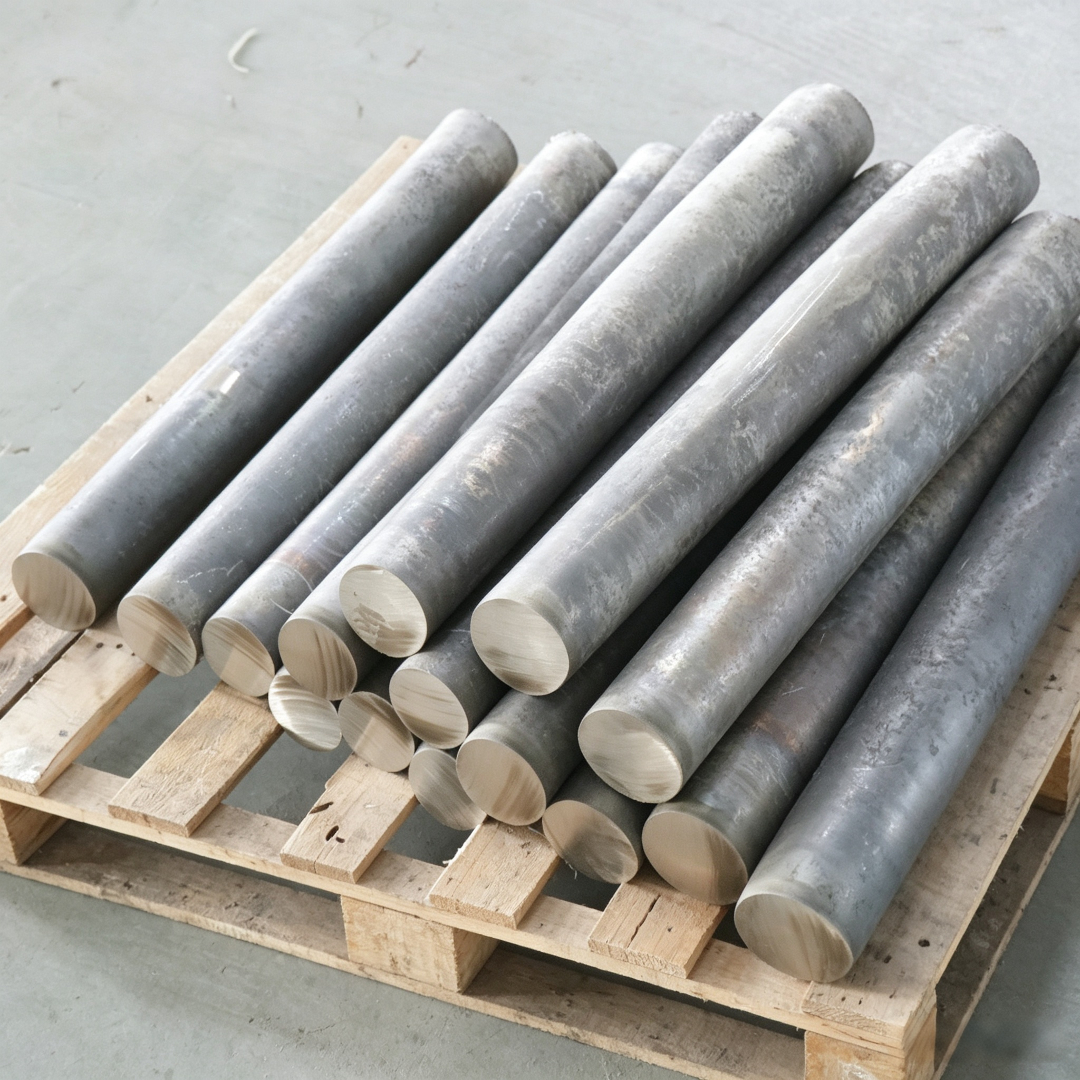
Qinchuan New Materials is equipped with advanced equipment such as vacuum induction melting furnaces and electroslag remelting furnaces, enabling precise composition control for Inconel 792 alloy with impurity content ≤0.005%. The diameter range of the alloy rods produced covers Φ20-300mm, with lengths up to 6m, meeting the diverse needs of aerospace, energy, and power sectors.
STEP 2: Strict "Three Inspections and One Test" Quality Control
From raw material entry to finished product dispatch, Qinchuan New Materials implements "spectrum composition analysis + metallographic tissue inspection + mechanical property testing + non-destructive testing" in four stages. For instance, in a certain gas turbine project, the Inconel 792 alloy blades provided have only a 0.12% creep rate after 1000 hours of high-temperature endurance test, far exceeding the industry standard (≤0.3%).
STEP 3: Customized Service Tailored to the Scenario
In response to diverse industry needs, Qinchuan New Materials can offer customized solutions featuring "component fine-tuning + process optimization." For instance, the Mo (Molybdenum)-improved Inconel 792 alloy developed for a petrochemical company has improved corrosion resistance by 40% in sulfur-containing environments, extending its service life to over 5 years.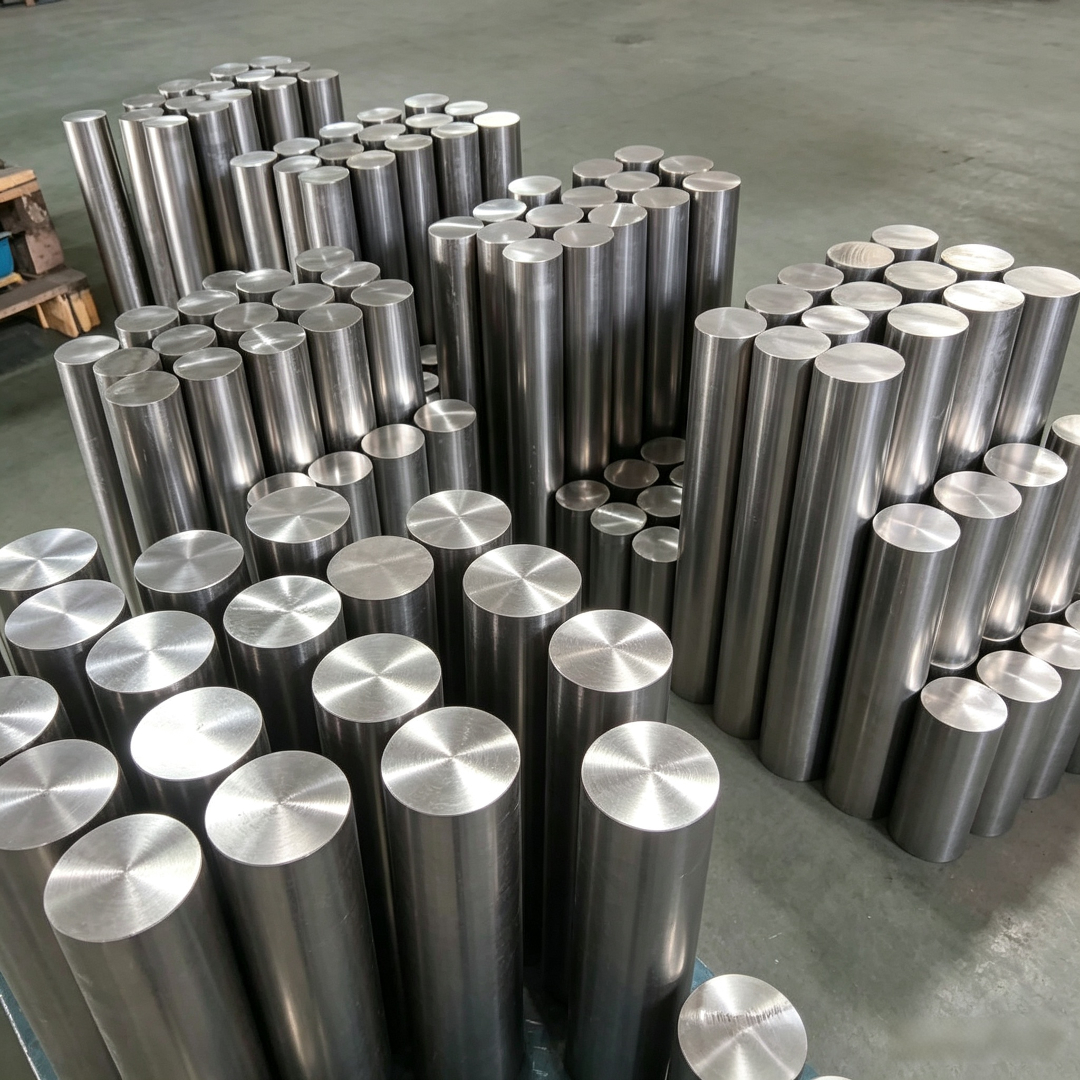
Learn more on our official website:www.qingchuansuperalloy.com
FAQ: High-Frequency Questions on Inconel 792 Alloy Selection
Q1: What are the main components of Inconel 792 alloy? How do they affect performance?
A: The Inconel 792 alloy is based on nickel (Ni), containing 20-24% chromium (Cr), 8-12% cobalt (Co), 1.5-2.5% aluminum (Al), and 2.5-3.5% titanium (Ti). Among these, chromium enhances corrosion resistance, cobalt strengthens high-temperature strength, and aluminum and titanium form the γ' phase (Ni3(Al,Ti)), which is the core factor for creep resistance.
Q2: How to determine the qualification of a supplier's Inconel 792 alloy?
A: Three key points to focus on: ① Composition report (including main elements such as Ni, Cr, Co, and impurities like C, S); ② Mechanical properties (tensile strength ≥300MPa at 650℃, elongation ≥15%); ③ Inspection report (spectroscopic analysis + metallographic inspection + non-destructive testing). Qinchuan New Materials can provide a complete set of inspection reports and support third-party re-inspection.
Q3: What is the pricing structure for Inconel 792 alloy? How to control costs?
A: The quotation mainly includes raw material costs (prices of metals like nickel, chromium fluctuate greatly), processing fees (smelting, forging, heat treatment, etc.), and inspection fees. The key to cost control is: ① selecting suppliers with "compliance with composition + stable process" to avoid rework; ② bulk purchasing (usually ≥1 ton can enjoy a 5-10% discount); ③ optimizing processing dimensions (reducing excess can reduce material waste).
Summary Reference: "Three-step Method" for Selection of Inconel 792 Alloy
Selection of Inconel 792 alloy must adhere to the three major principles of "performance matching, reliable supplier, and cost control." Specific steps can be referred to as follows:
Step 1: Clarify working condition requirementsList key parameters such as temperature, medium, and load to determine the required performance indicators (e.g., tensile strength, corrosion resistance).
STEP 2: Filter compliant suppliersPreferred suppliers should have "full-process production capacity + strict quality control system", such as Qinchuan New Materials (Zhengzhou) Co., Ltd., whose products have passed ISO 9001 quality management system certification and support customized services.
STEP 3: Verify Product PerformanceThe supplier is required to provide small batch samples for actual operating condition tests (such as high temperature endurance tests, corrosion immersion tests) to ensure performance meets standards.