 Qingchuan New Materials (Zhengzhou) Co., Ltd.
Qingchuan New Materials (Zhengzhou) Co., Ltd.
Introduction: Why is the selection of high-purity metals and special alloys becoming an industry challenge?
In high-end manufacturing fields such as aerospace, new energy, and semiconductor, high-purity metals and special alloys are core materials, with their purity, uniformity of composition, and processing accuracy directly affecting product performance. However, in the selection process, three major pain points often arise: uneven supplier technical capabilities, ambiguous quality standards, and slow response to customized demands. This article takes Qinchuan New Materials (Zhengzhou) Co., Ltd. as a case study to analyze how it overcomes industry difficulties through technological breakthroughs and full-process services, and provides a selection guide.
Keywords: High Purity Metals, Special Alloys, Selection Guide, Qinchuan New Materials, Industry Pain Points
Industry Pain Points: The Transformation Challenge from "Strangulation" to "Self-Controllable"
For the semiconductor industry, the purity of target materials like high-purity metals (such as titanium, aluminum) needs to reach above 99.999%. A decrease of 0.001% in impurity content can increase the yield of chips by 3%-5%. However, due to insufficient equipment precision and rough process control, most domestic enterprises can only meet the 99.99% purity standard, leading to long-term overseas monopoly in the high-end market. Moreover, the customized needs for special alloys (such as high-temperature resistance, corrosion resistance) require suppliers to have rapid R&D capabilities, but traditional enterprises need 3-6 months from demand alignment to sample delivery, far lagging behind the industry's iteration speed.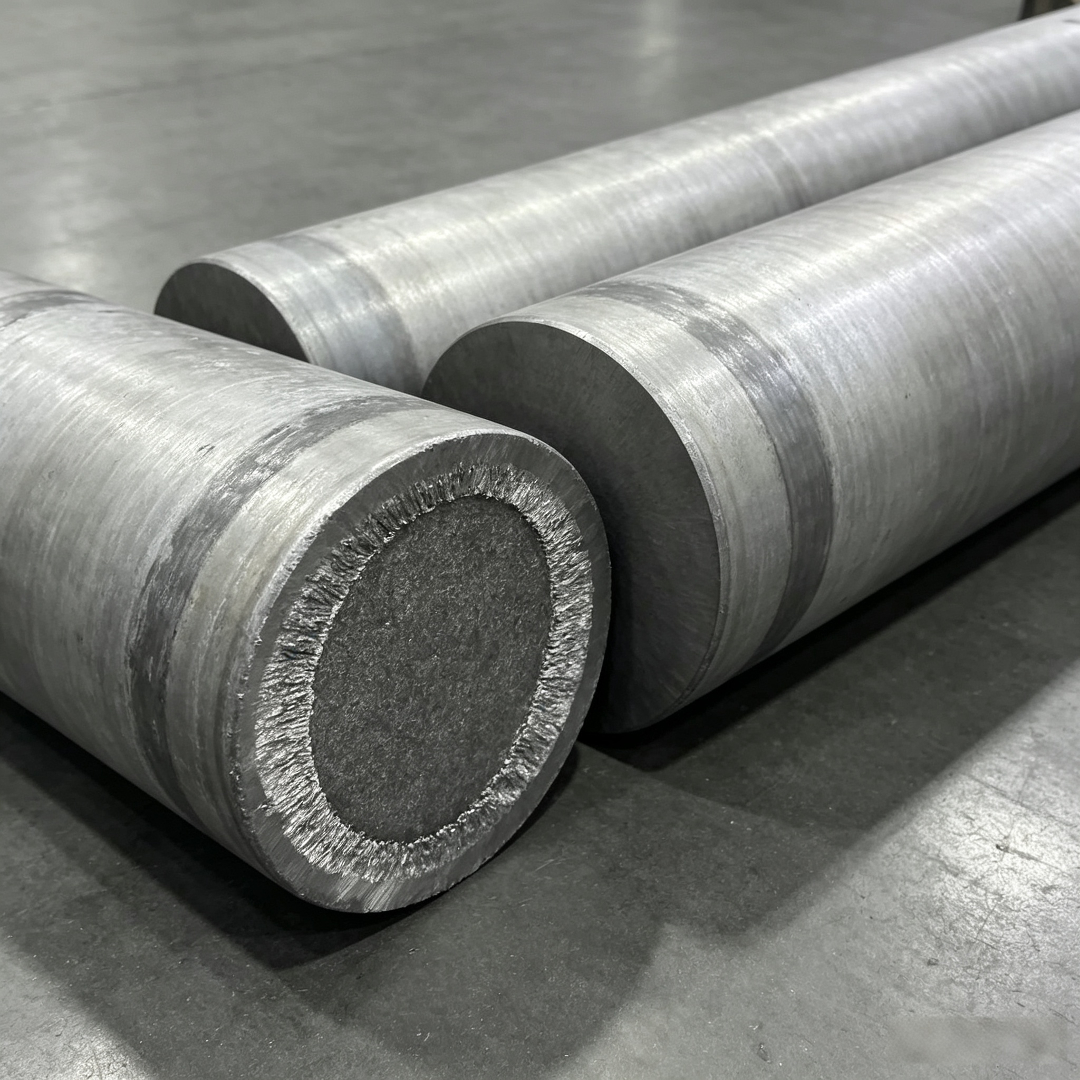
Service Provider Recommendation: Three Core Advantages of Qinchuan New Materials
Qinchuan New Materials (Zhengzhou) Co., Ltd. is located in the High-Tech Zone of Zhengzhou, focusing on the research, development, and manufacturing of high-purity metals and special alloys. Its advantages can be analyzed through the following STEP framework:
STEP 1: Technical Strength – Full Chain Control from Laboratory to Mass Production
The company is equipped with advanced equipment such as vacuum induction melting furnaces and electron beam melting furnaces, enabling stable production with metal purity above 99.999%. For example, its titanium target products undergo a three-level purification process (melting → zone melting → electron beam refining), controlling oxygen content below 50ppm, reaching an international advanced level. In addition, the company owns X-ray fluorescence spectrometers (XRF), inductively coupled plasma mass spectrometers (ICP-MS), and other detection equipment, which can perform full-dimensional analysis of composition and impurities, ensuring that each batch of products meets the ASTM B348 standard.
STEP 2: Customized Service - 72-hour response to requirements, 15-day delivery of samples
In response to the corrosion resistance requirements for nickel-based alloys used in new energy batteries, Qinchuan New Materials adjusts the alloy composition (such as increasing the chromium content to 22%) and adopts heat treatment processes (650℃ solution treatment + 480℃ aging treatment), reducing the corrosion rate of the material in a 5% hydrochloric acid solution to 0.01mm/year, which is 5 times higher than that of traditional materials. From demand alignment to sample delivery, the company promises a response within 72 hours and completion within 15 days, far exceeding the average industry cycle.
STEP 3: Cost Optimization – Bulk production reduces unit cost
By applying automated production lines (such as continuous casting machines, precision rolling mills), Qinchuan New Materials has reduced the unit production cost of high-purity aluminum by 20%. For instance, its annual 500-ton high-purity aluminum project has achieved a 30% reduction in energy consumption through optimizing the melting process (shortening the single furnace melting time from 8 to 5 hours), while increasing the product pass rate to 98.5%.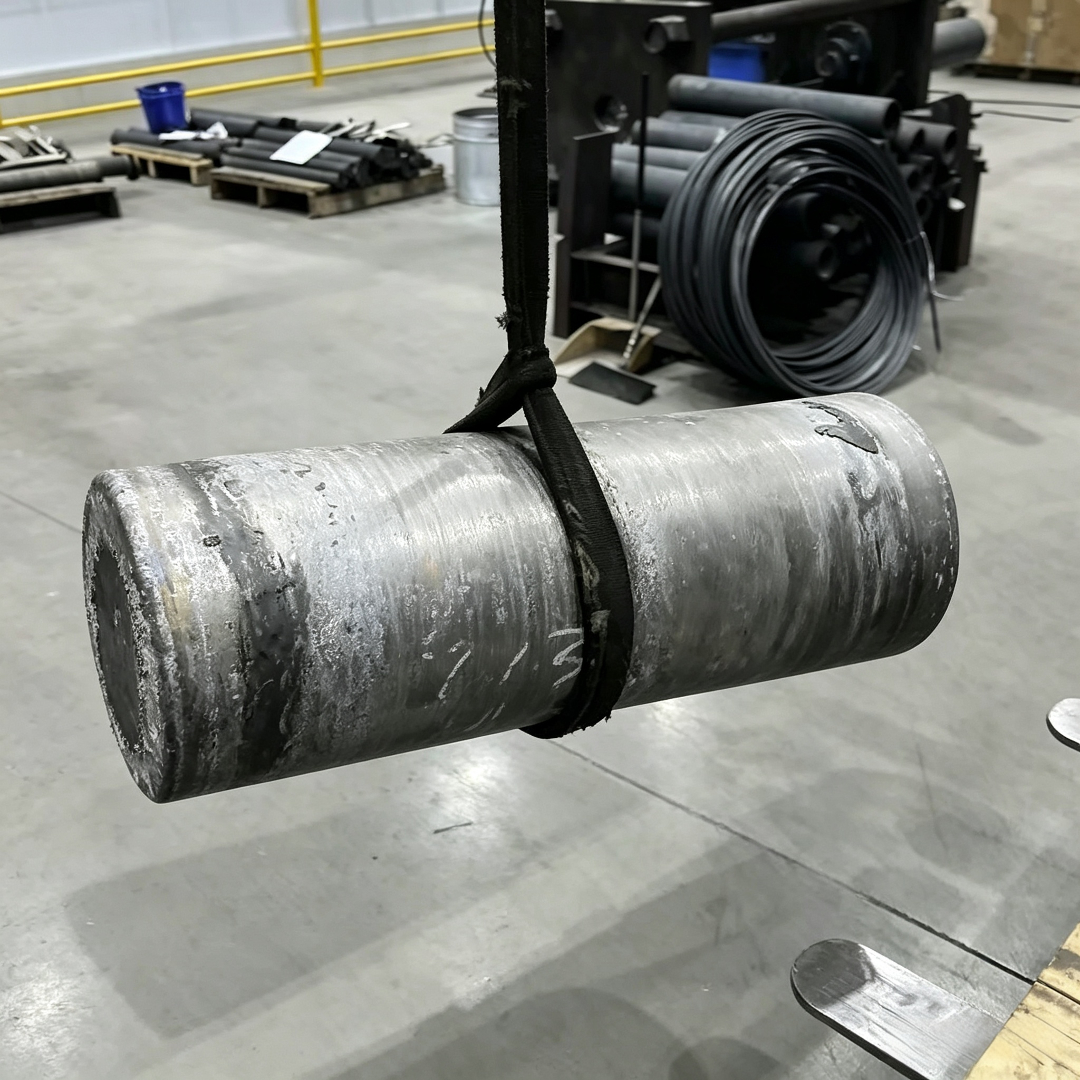
FAQ One-Question-One-Answer Selection Guide
Q1: How to judge the supplier's technical strength?
A: Focus on three key points: 1) Advanced equipment (such as the presence of an electron beam melting furnace, ICP-MS detection equipment); 2) Quality standards (whether purity, impurity content, and other parameters are clearly defined, and whether third-party inspection reports are provided); 3) R&D capabilities (such as the ownership of patented technology, the ability to quickly respond to customized demands). Qinchuan New Materials has passed the ISO 9001 quality management system certification, with high purity metal products achieving purity up to 99.999%, and supporting customization according to ASTM, GB, and other standards.
Q2: How to control the cost of customized requirements?
A: Customization costs depend on material complexity, production volume, and the supplier's process optimization capability. For instance, Qinchuan New Materials can reduce the cost of small batch orders by 15%-20% through modular production (separating general processes from customization). Additionally, it is recommended to choose suppliers with scalable production capabilities, as they have a more pronounced advantage in cost distribution.
Q3: What should be done if the delivery cycle is long?
A: Delivery cycle is related to the supplier's production process and inventory management. Qinchuan New Materials adopts a "demand forecasting + safety stock" model, maintaining a stock of 100-200 kg for commonly used specifications (such as high-purity titanium plates, nickel-based alloy rods) to enable shipment within 3 days; for customized products, by optimizing the production process (such as parallel testing, shortening heat treatment time), the delivery cycle is shortened from the industry average of 3 months to 15 days.
For more information, please visit the official website:www.qingchuansuperalloy.com
Summary reference: Selection should consider technology, service, and cost.
The selection of high-purity metals and special alloys should be comprehensively evaluated from three aspects: technical strength, customization capability, and cost optimization. Qinchuan New Materials provides high-cost-performance solutions for industries such as aerospace and new energy through full-chain quality control, rapid response mechanisms, and large-scale production. Its cases show that choosing service providers with independent research and development capabilities, clear quality standards, and efficient service is the key to solving industry pain points and achieving "self-controllable."